Torn between Carmel Valley and 4S Ranch? Both sit in North San Diego, yet day-to-day life can look very different. You want the right balance of commute, outdoor access, home features, and nearby conveniences. This guide compares the key trade-offs so you can choose with confidence. Let’s dive in.
Location and access at a glance
Carmel Valley is oriented to SR‑56 and I‑5, which makes coastal and west-side employment centers easier to reach. 4S Ranch ties to I‑15 and SR‑56, placing inland job hubs within quicker reach. That split shapes your commute pattern and weekend drives.
For a bigger-picture look at regional corridors, explore SANDAG’s regional travel resources. You can also review the neighborhood planning context on the City of San Diego community profiles.
Commute and freeway access
Carmel Valley commute context
You typically use SR‑56 for east–west travel and I‑5 for north–south coastal trips. This setup puts UTC, Del Mar, and Sorrento Valley/Mesa within straightforward reach. Trips to Downtown usually follow I‑5 south. Peak-hour congestion on SR‑56 and I‑5 will drive your timing, so test your specific windows.
4S Ranch commute context
You are positioned near I‑15 for north–south inland travel, with SR‑56 linking you west. This works well for Rancho Bernardo, Escondido, and I‑15 employment centers. Reaching coastal job clusters often means I‑15 to SR‑56 or SR‑52. Expect peak flows on both I‑15 and SR‑56 and plan alternatives.
How to test your route
- Map three representative commutes for each neighborhood: your top job center, a routine school or activity drop-off, and a favorite weekend destination. Check typical AM and PM peaks on a weekday.
- Repeat at different times to see variability. SANDAG’s corridor data can help you understand trends and choke points using regional performance resources.
- If you want a data snapshot of where residents work and how they travel, explore the Census OnTheMap tool.
Parks and outdoor recreation
Carmel Valley coastal access
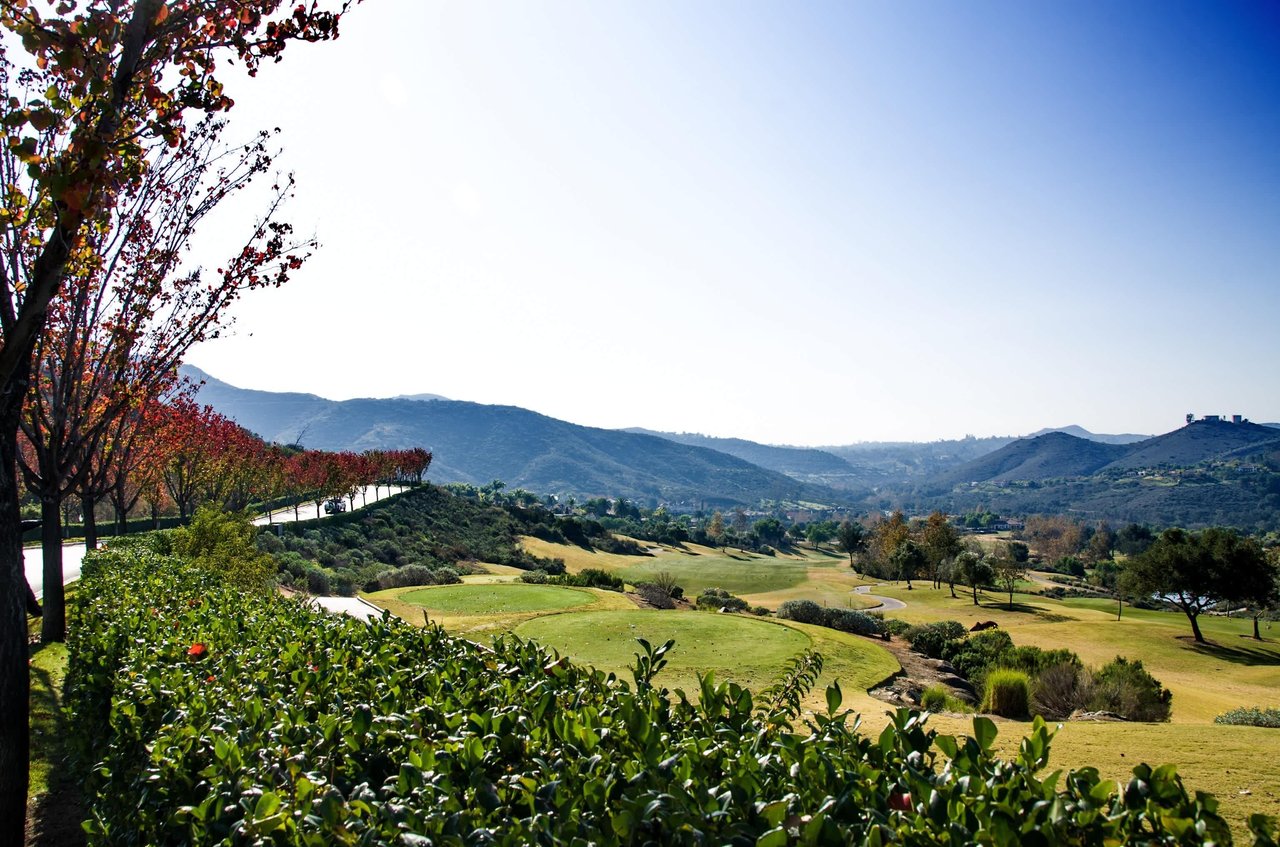
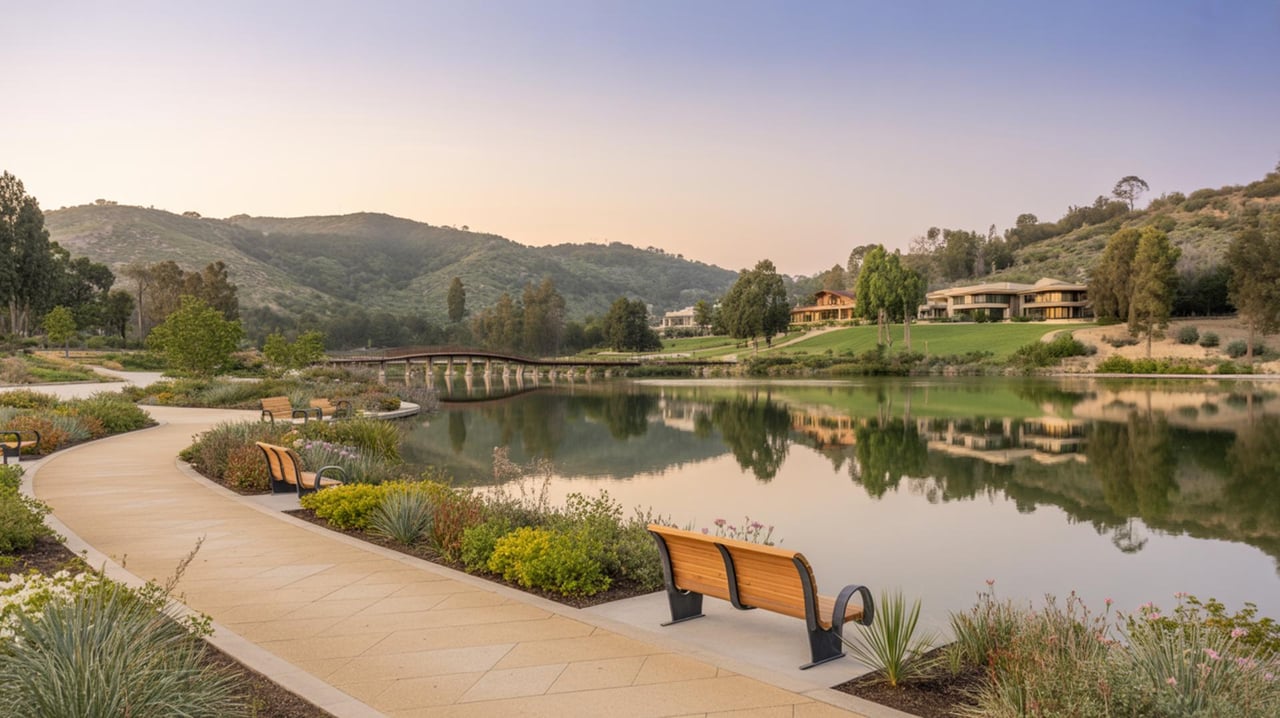
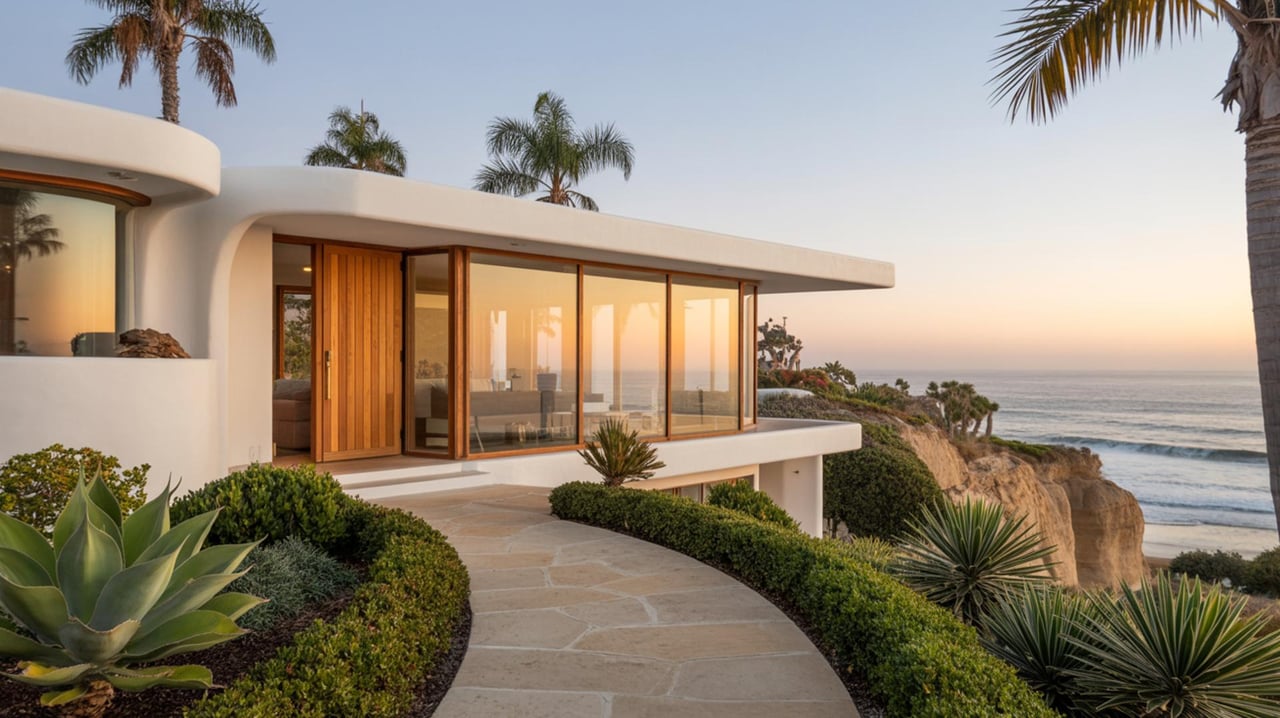
If the beach draws you, Carmel Valley means shorter drives to Del Mar beaches and the bluffs and trails at Torrey Pines State Natural Reserve. You also get mesa-top walking paths, golf options, and access to coastal bike routes. It is easy to pivot from a morning hike to an ocean sunset.
4S Ranch inland trails
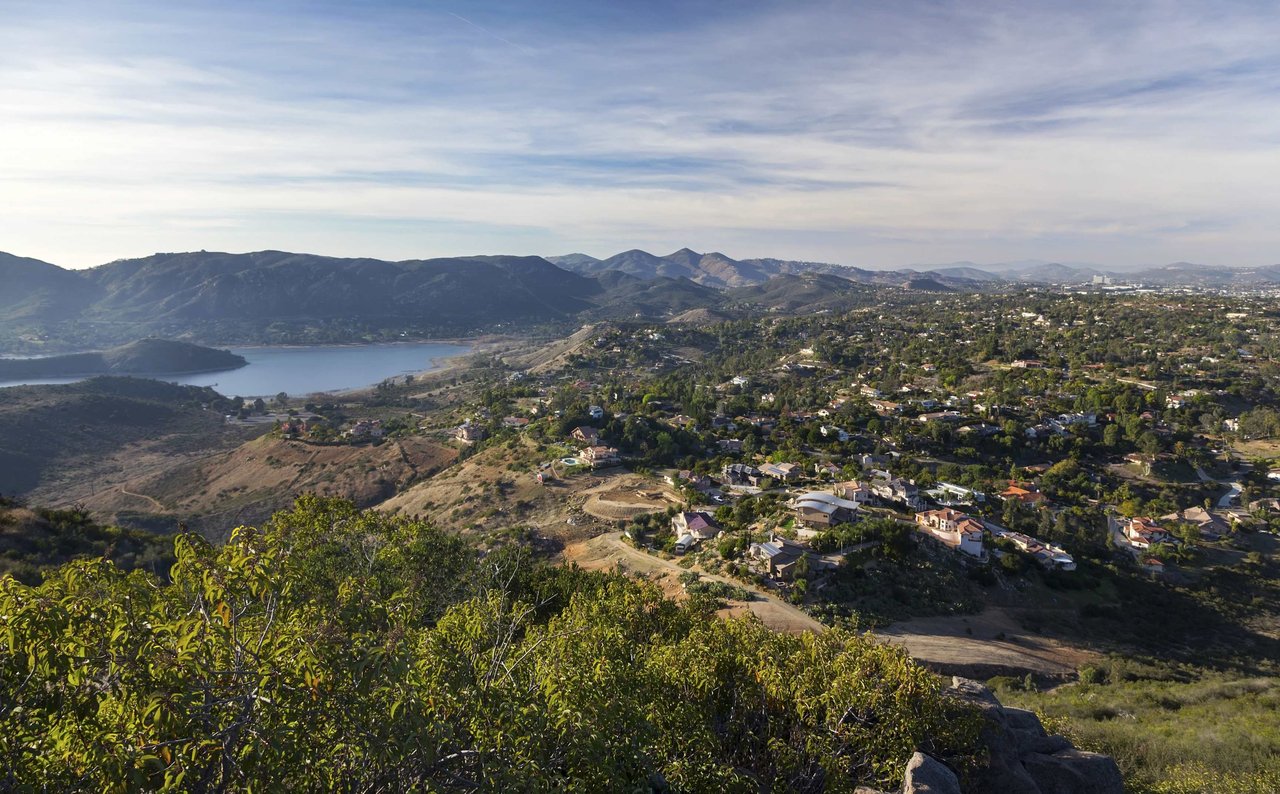
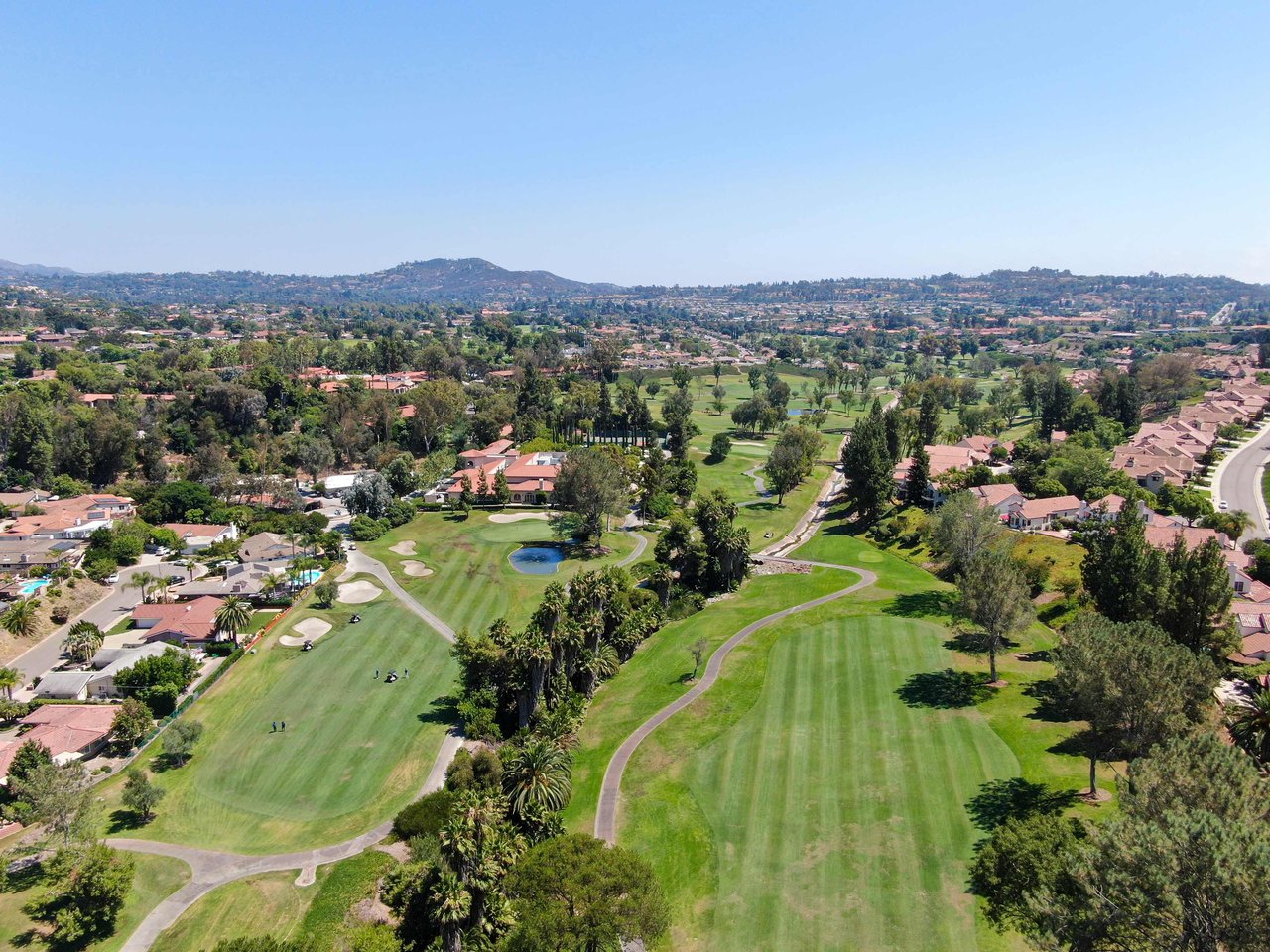
4S Ranch sits near inland open spaces with rolling hills, chaparral, and multi‑use trail networks. You are close to Black Mountain area trails, Lake Hodges recreational zones, and neighborhood parks with sports fields and community pools. For park locations and amenities citywide, use the City of San Diego parks pages.
Homes and typical features
Carmel Valley housing profile
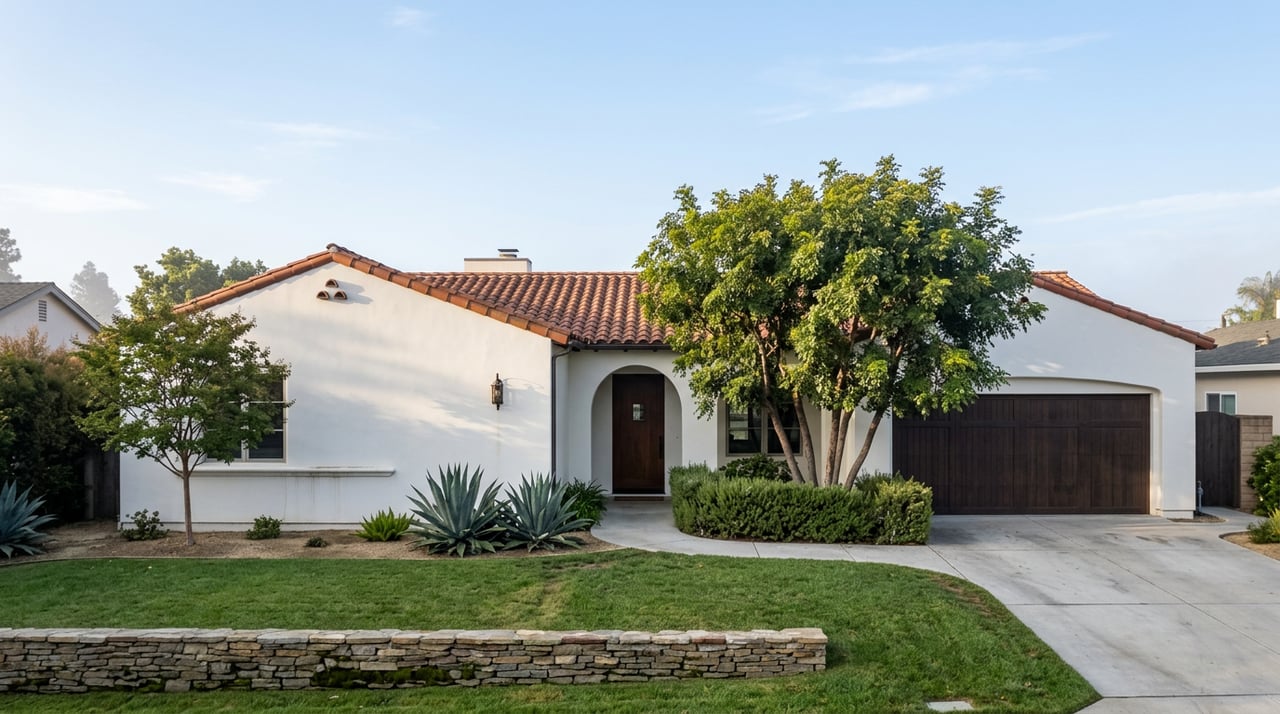
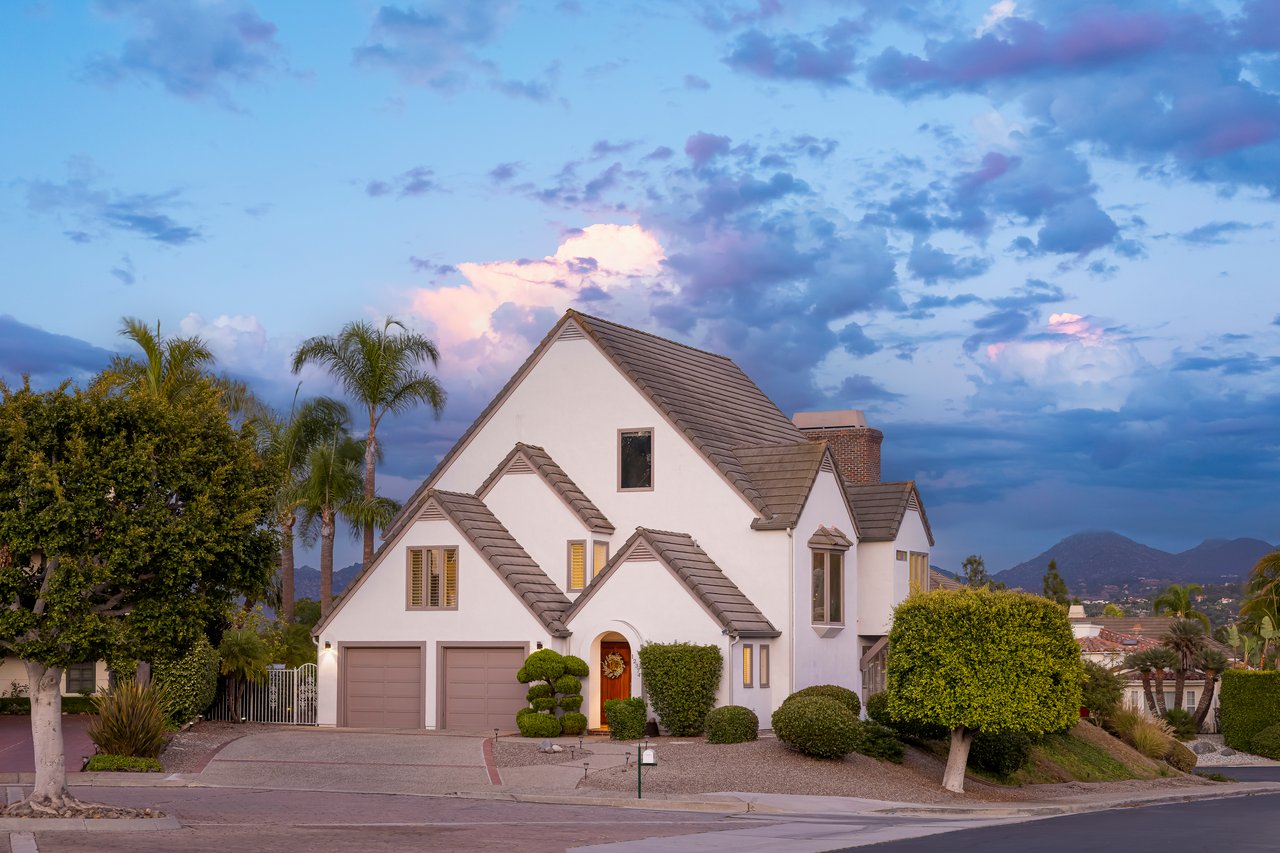
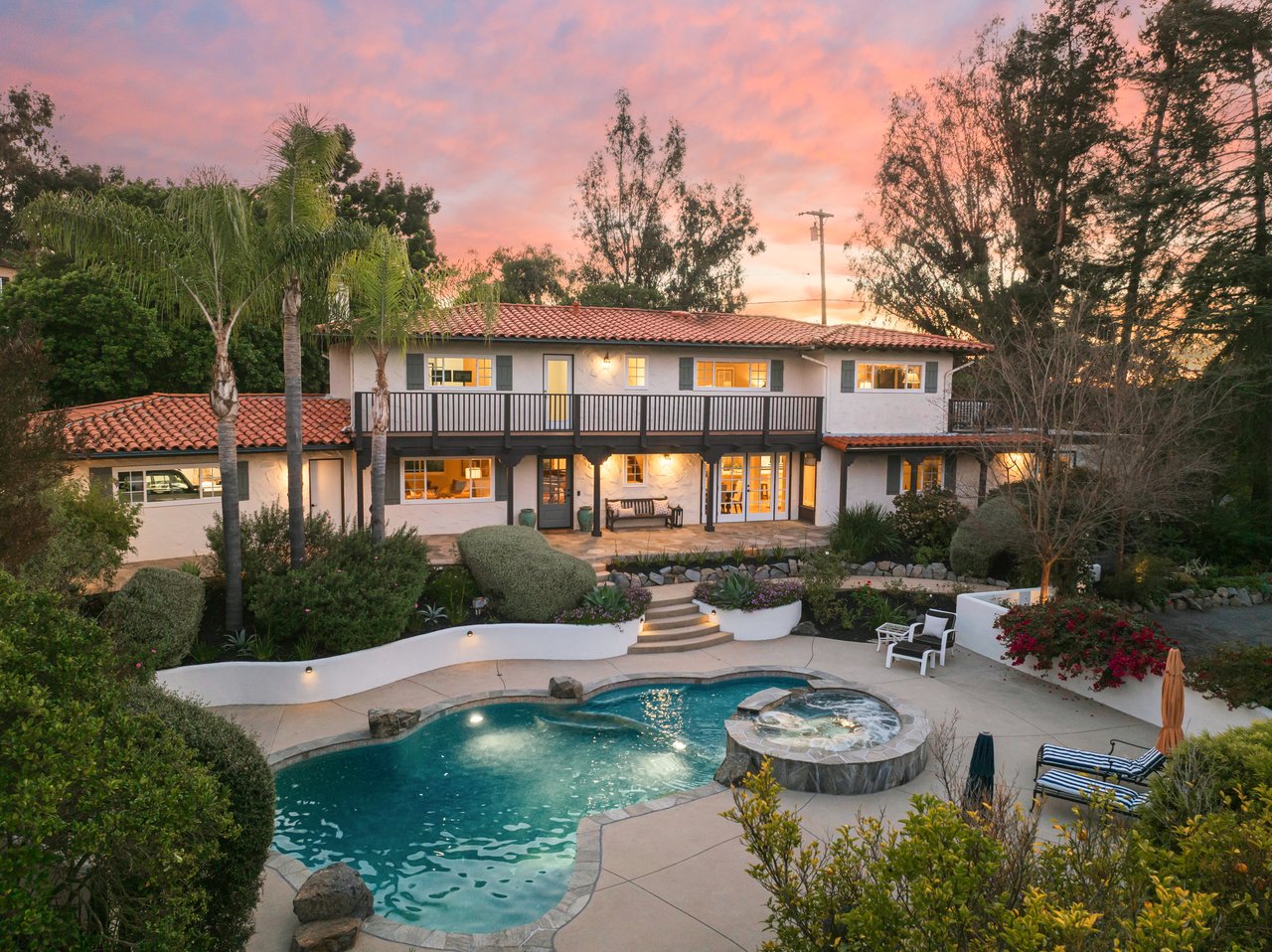
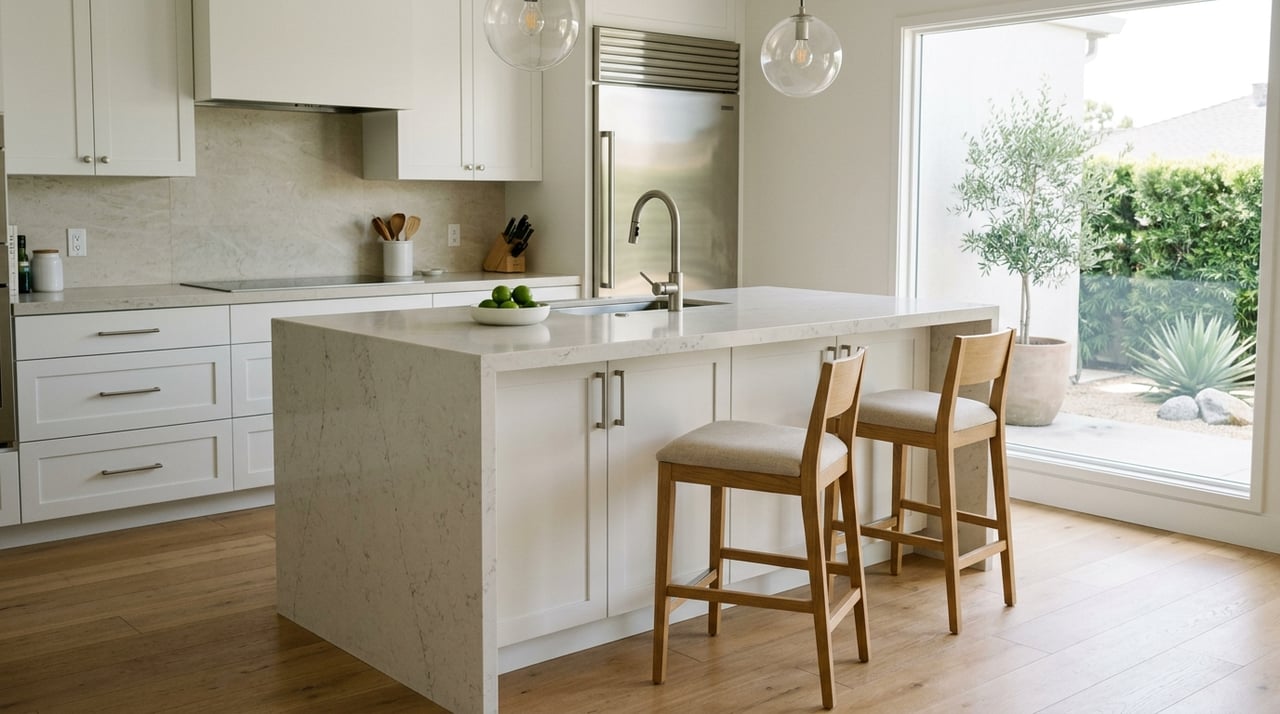
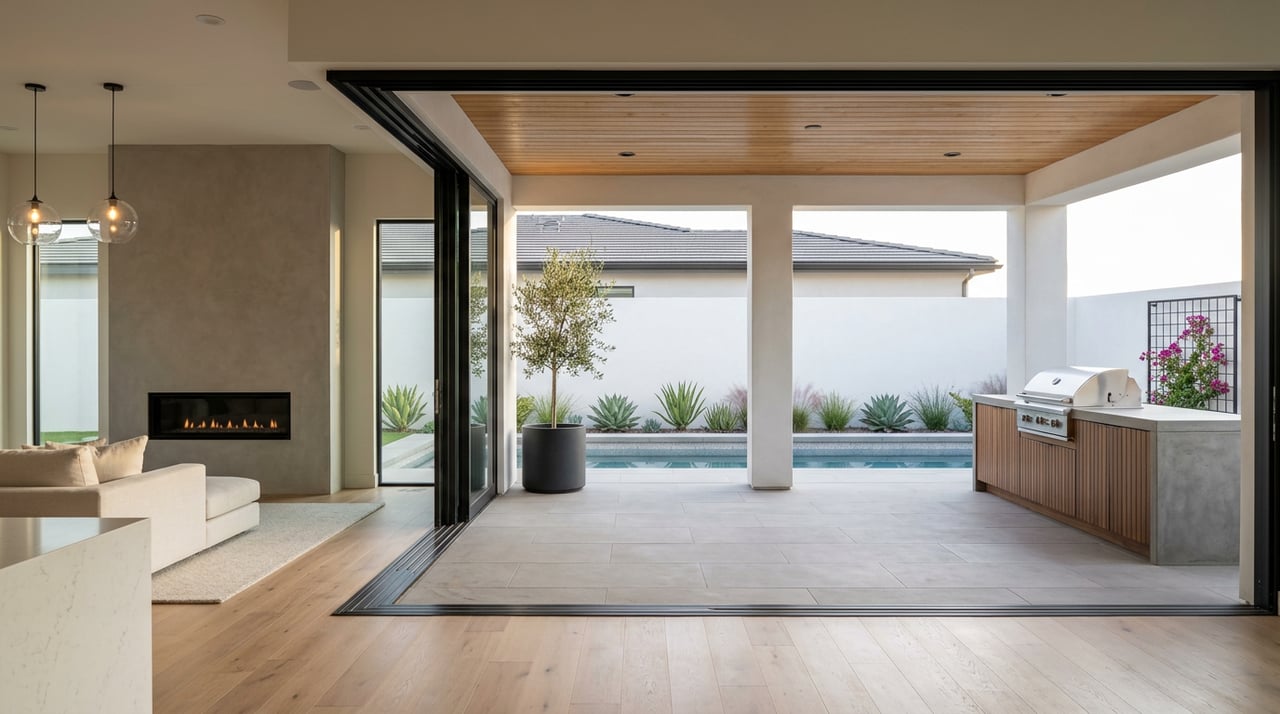
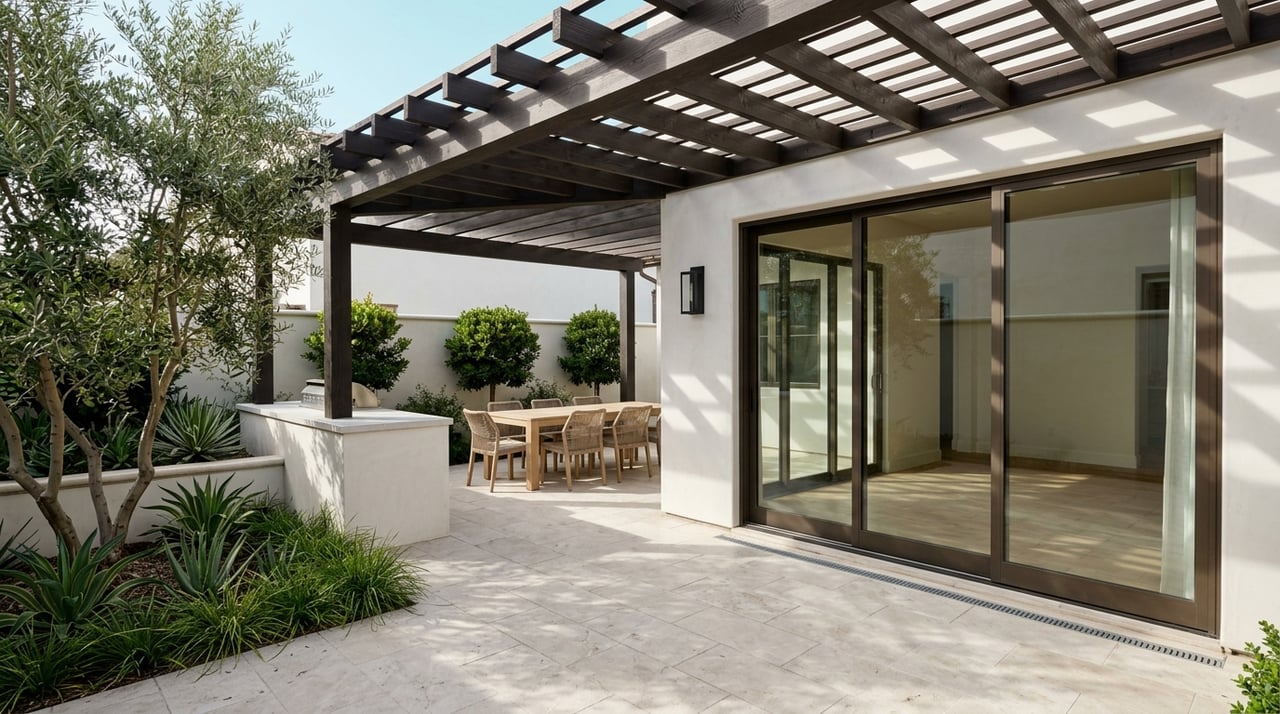
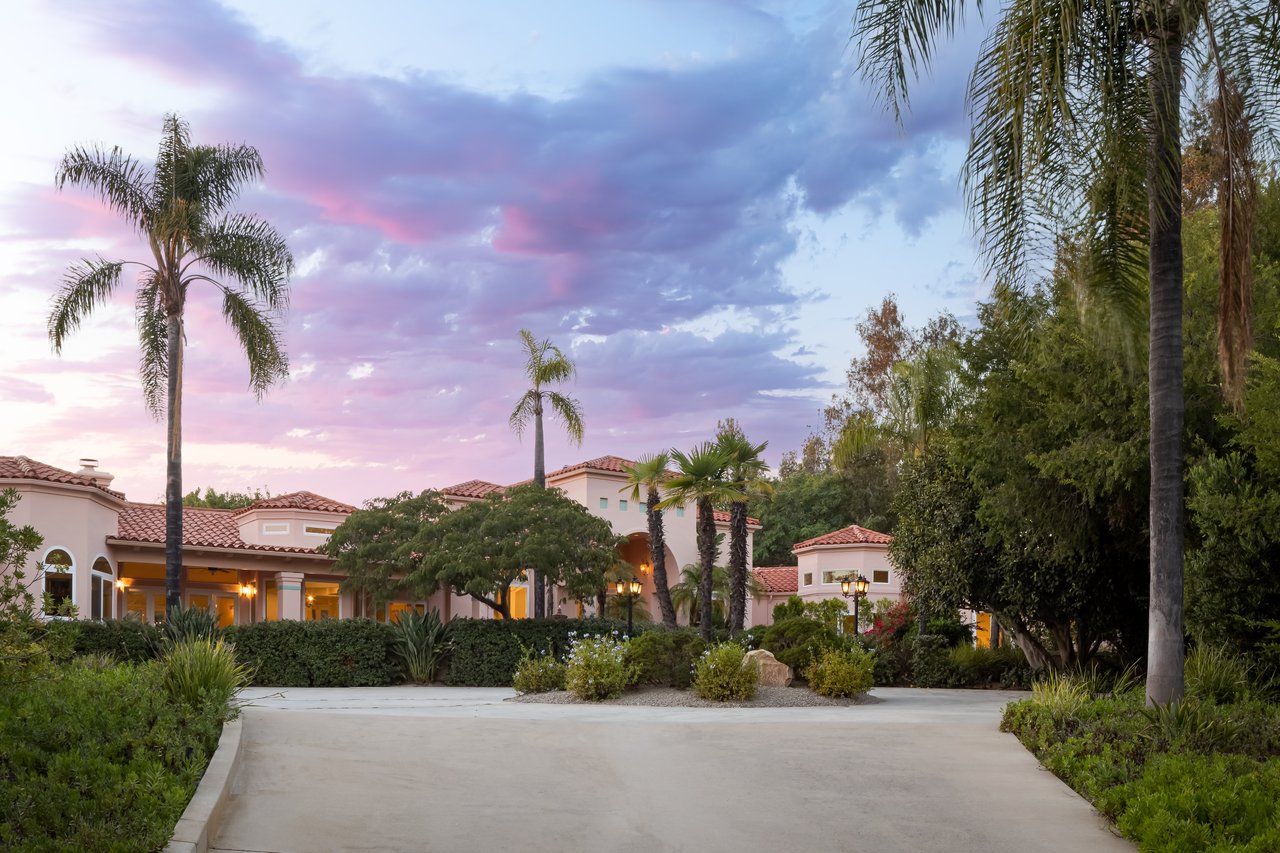
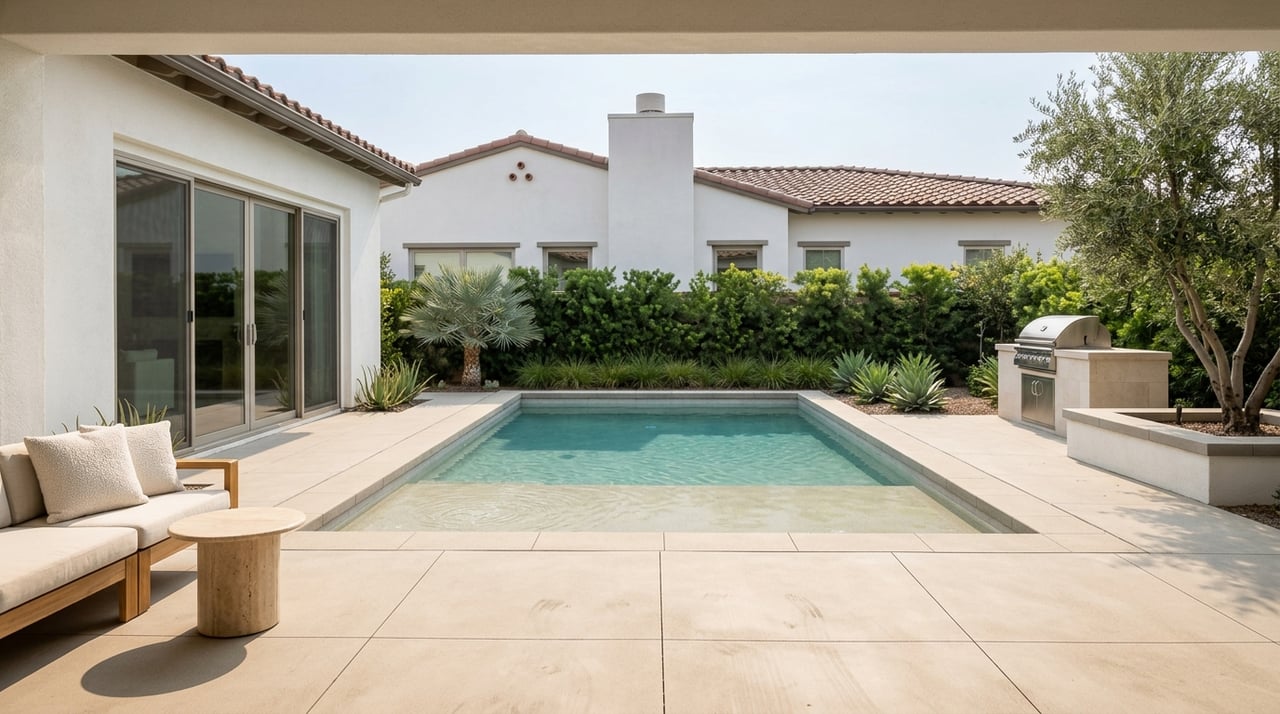
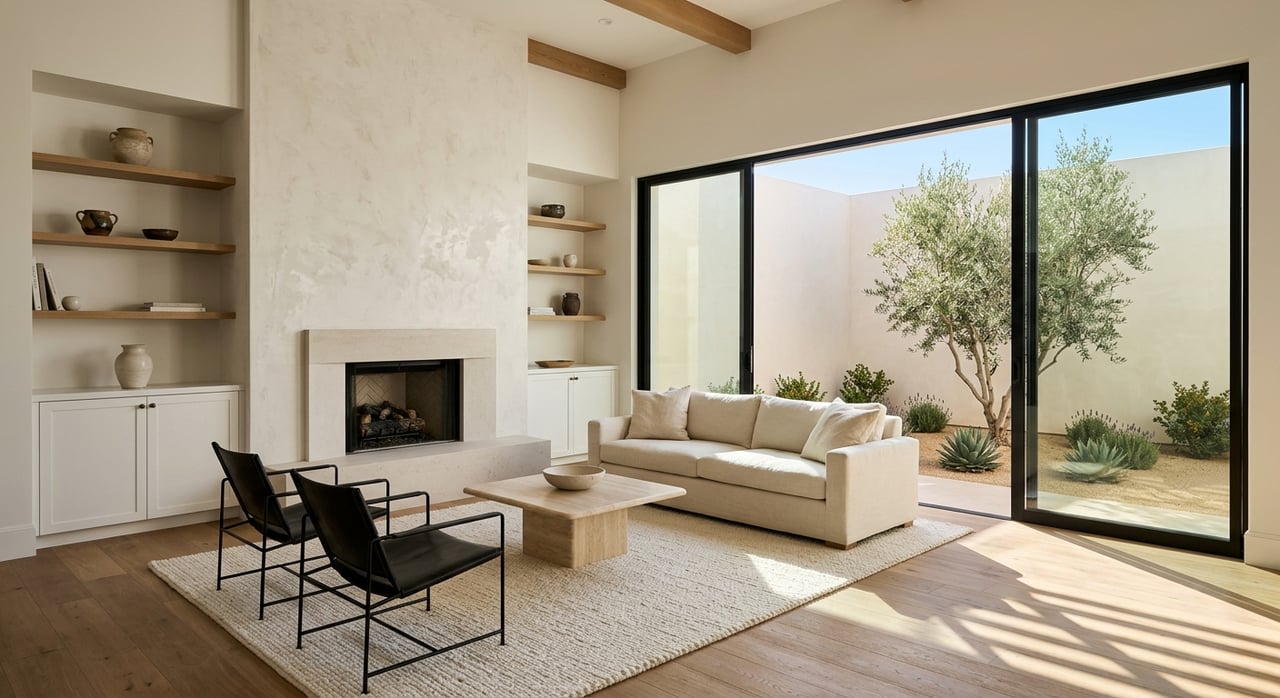
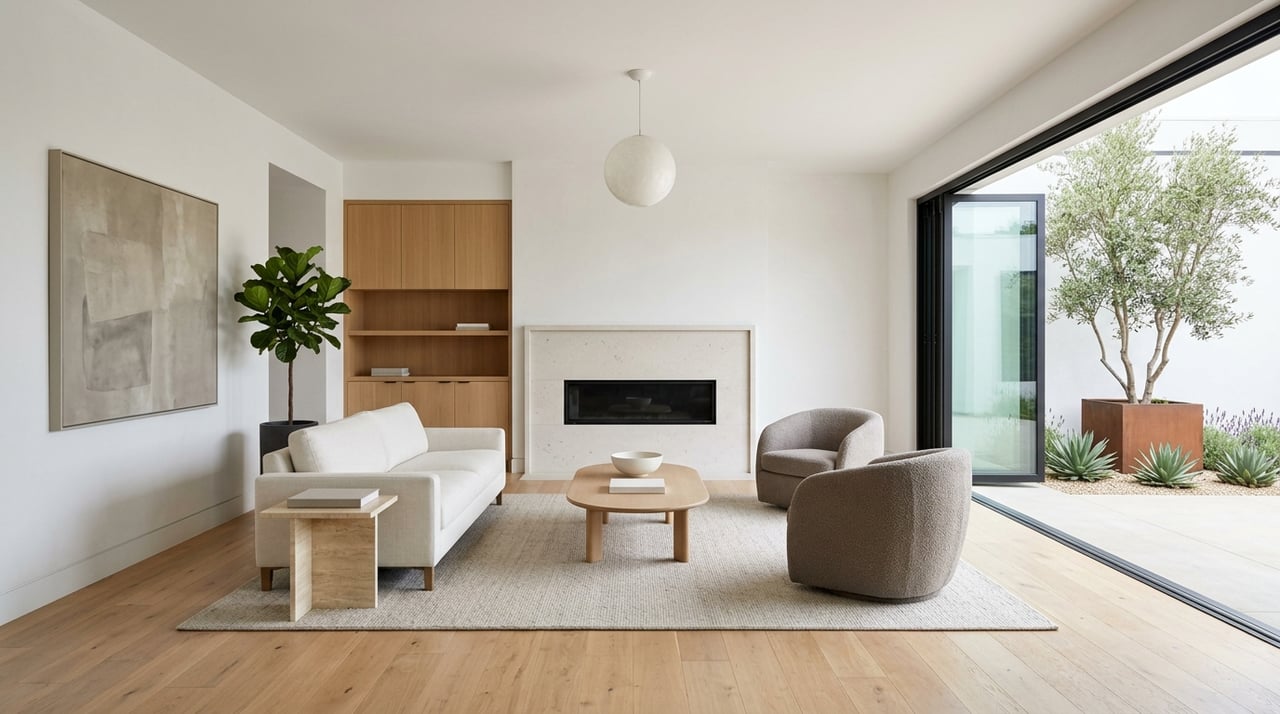
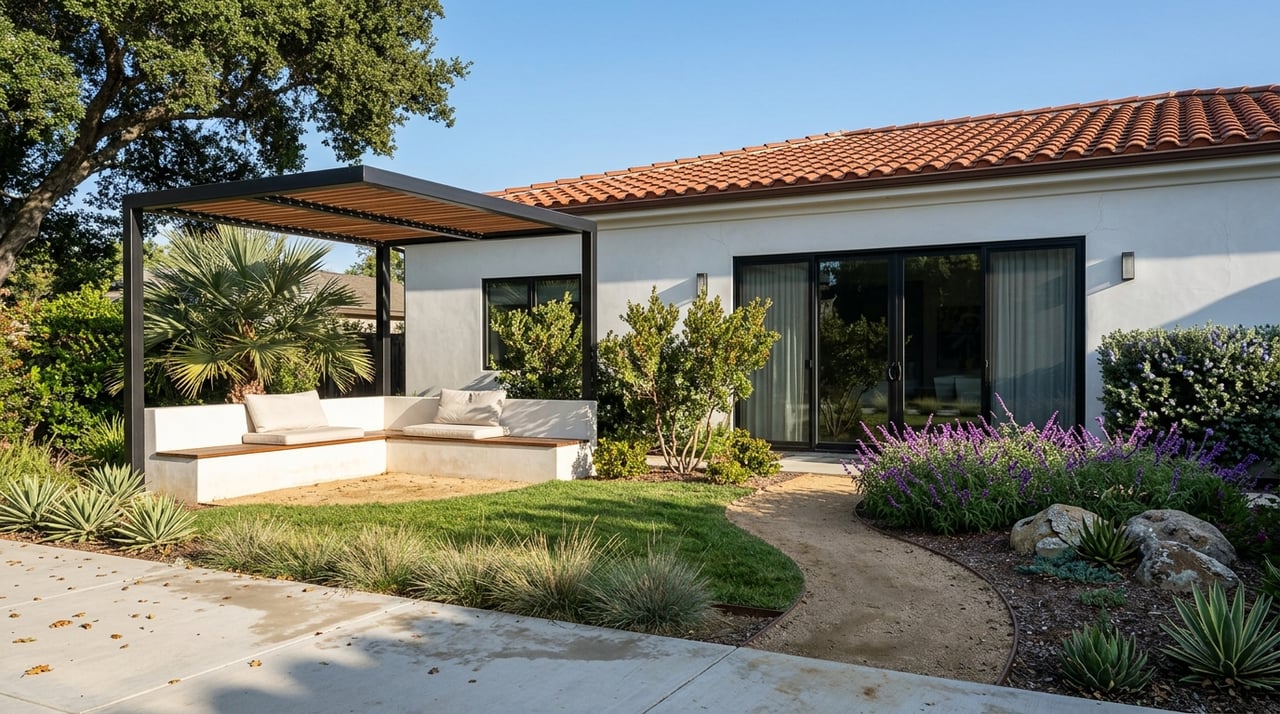
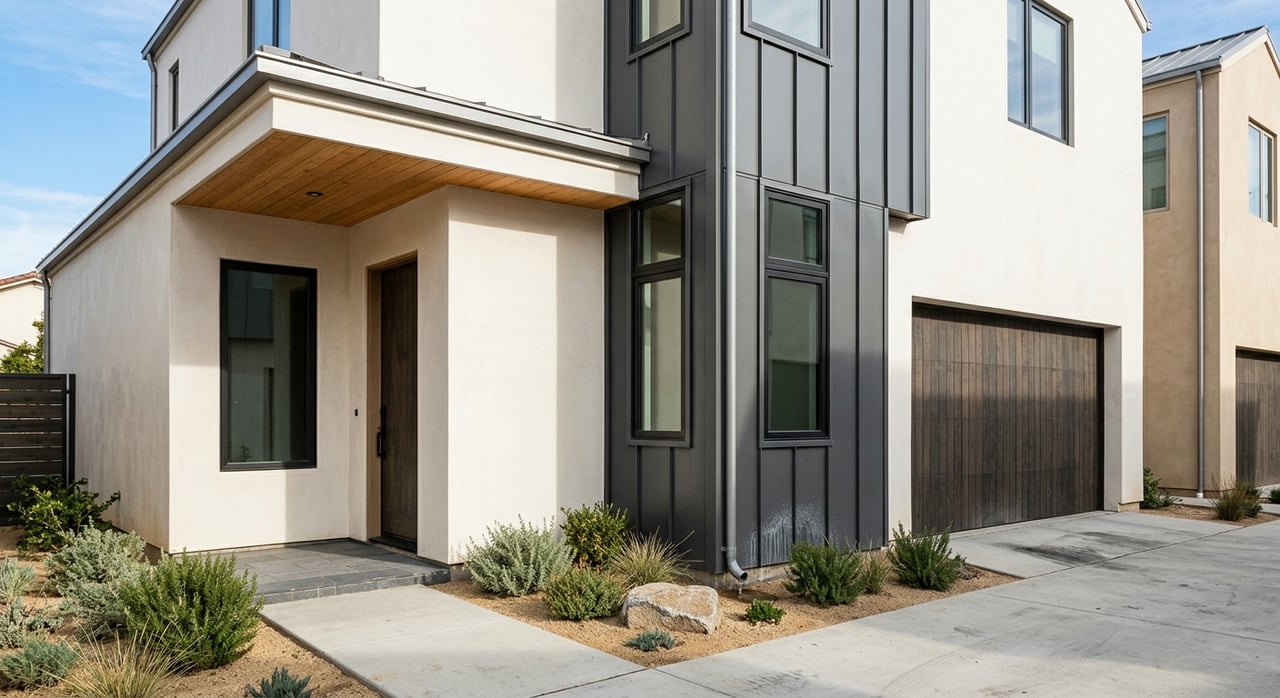
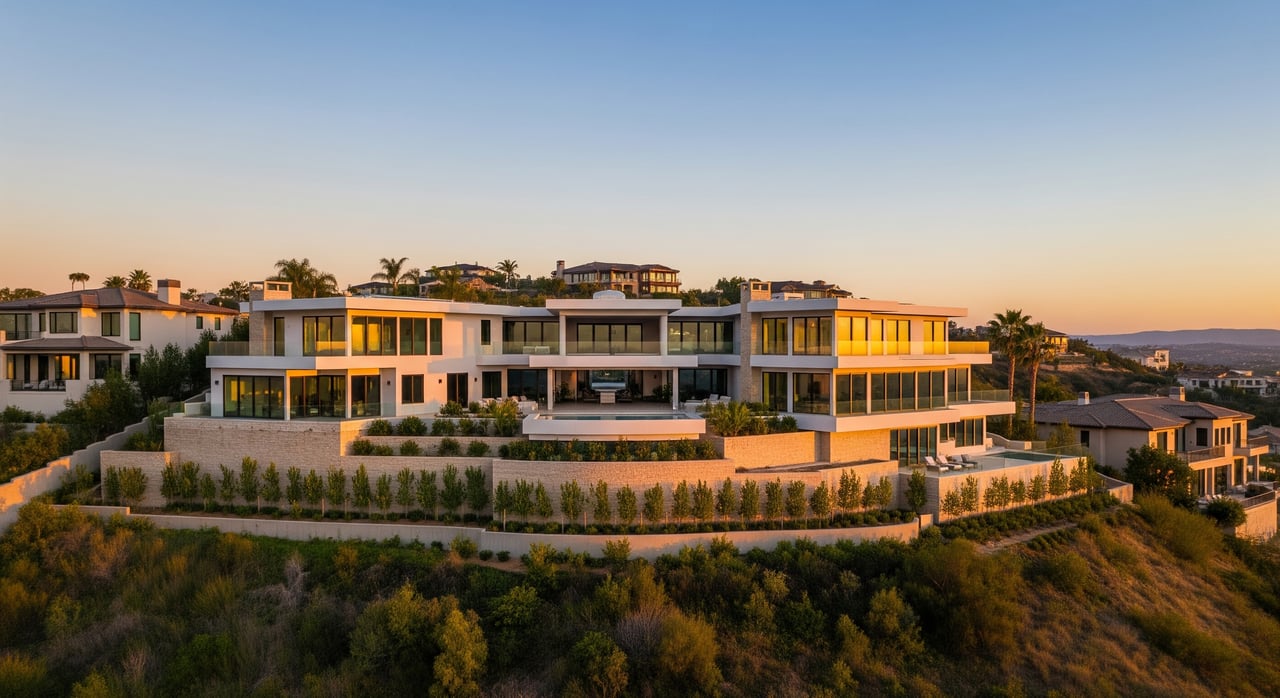
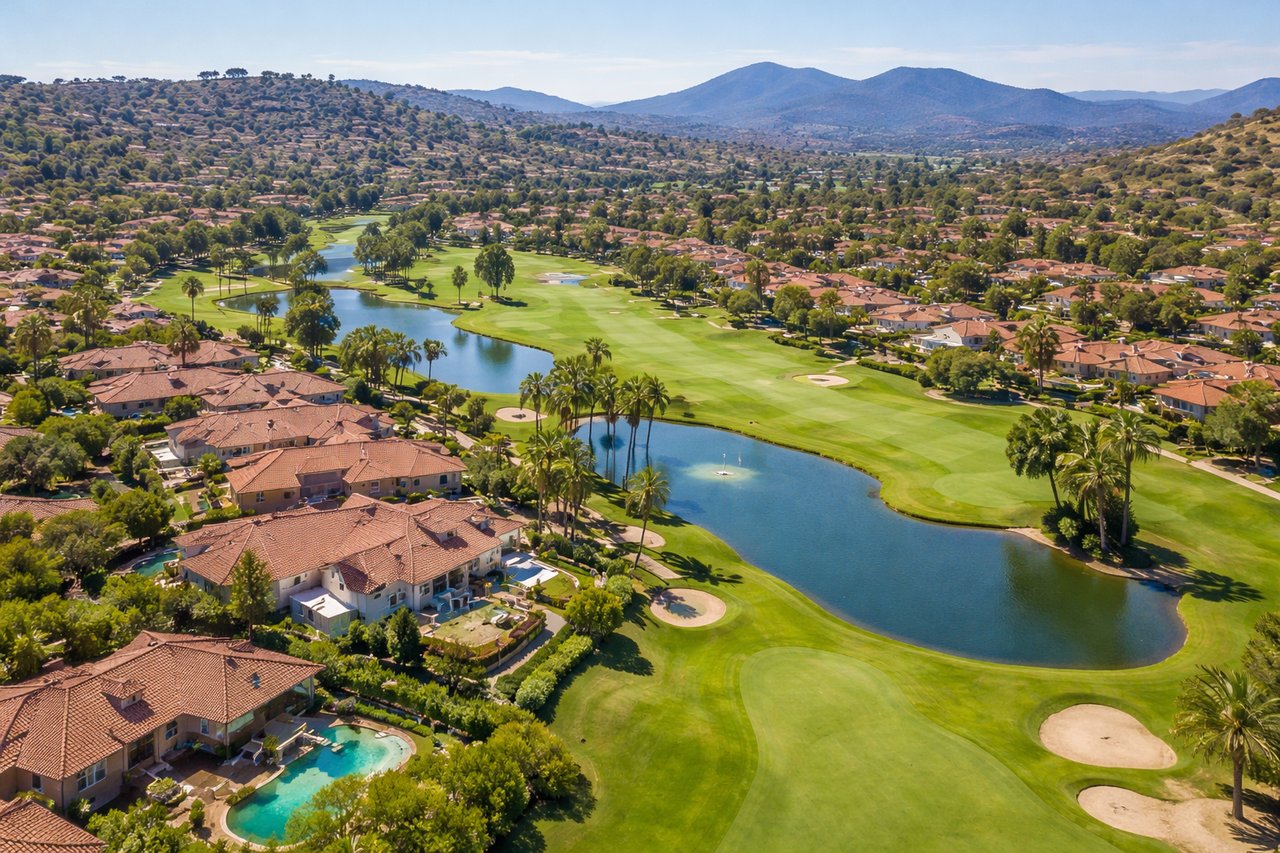
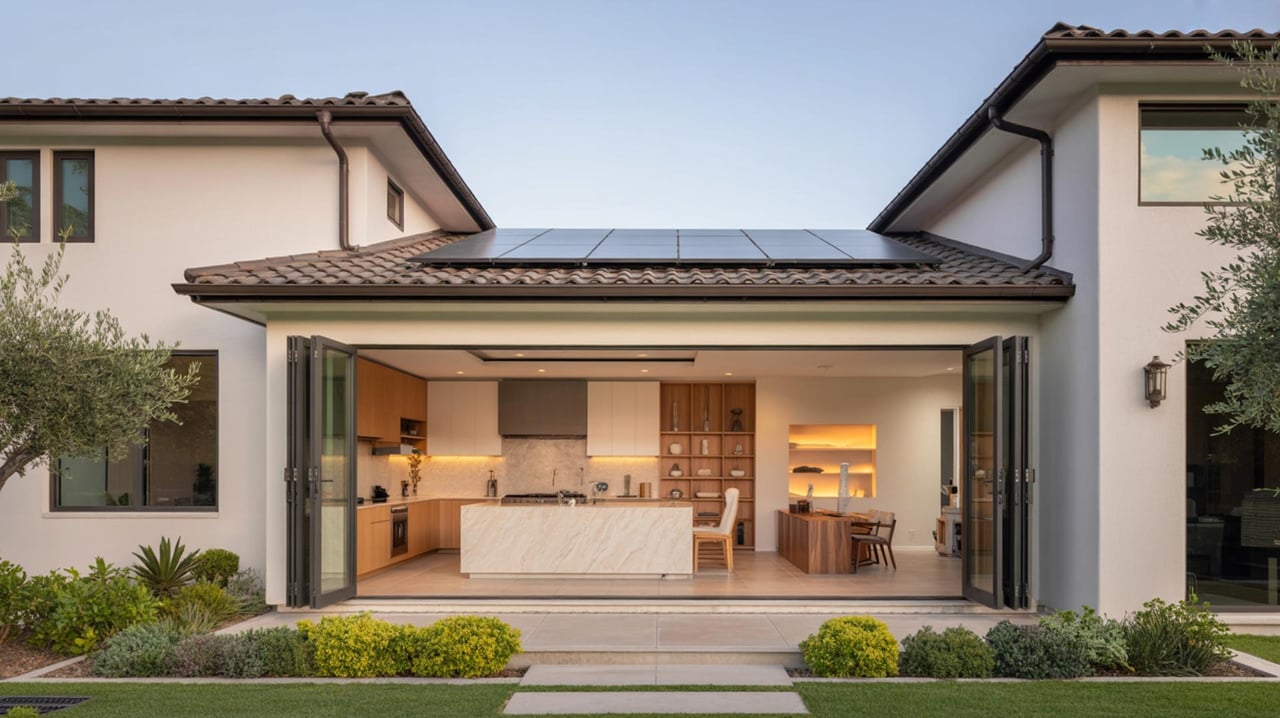
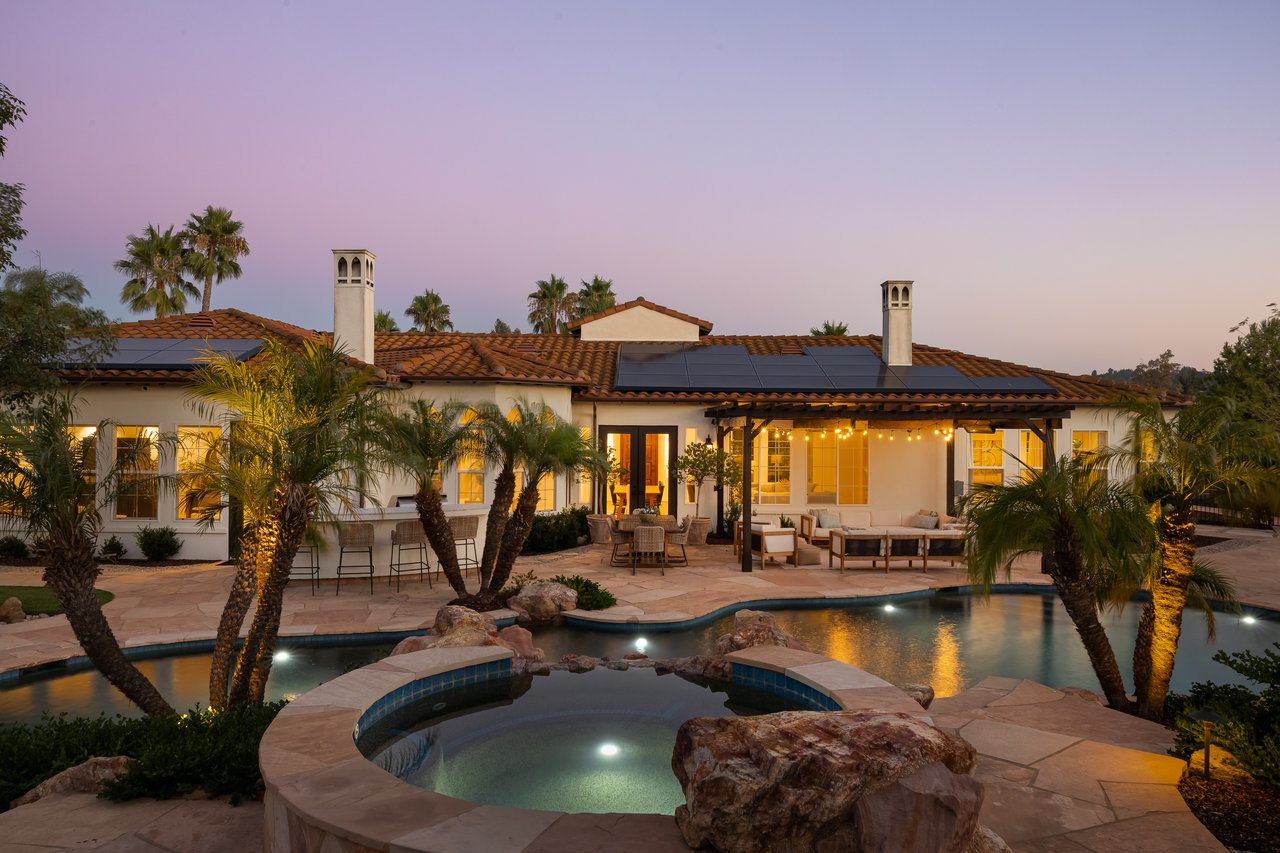
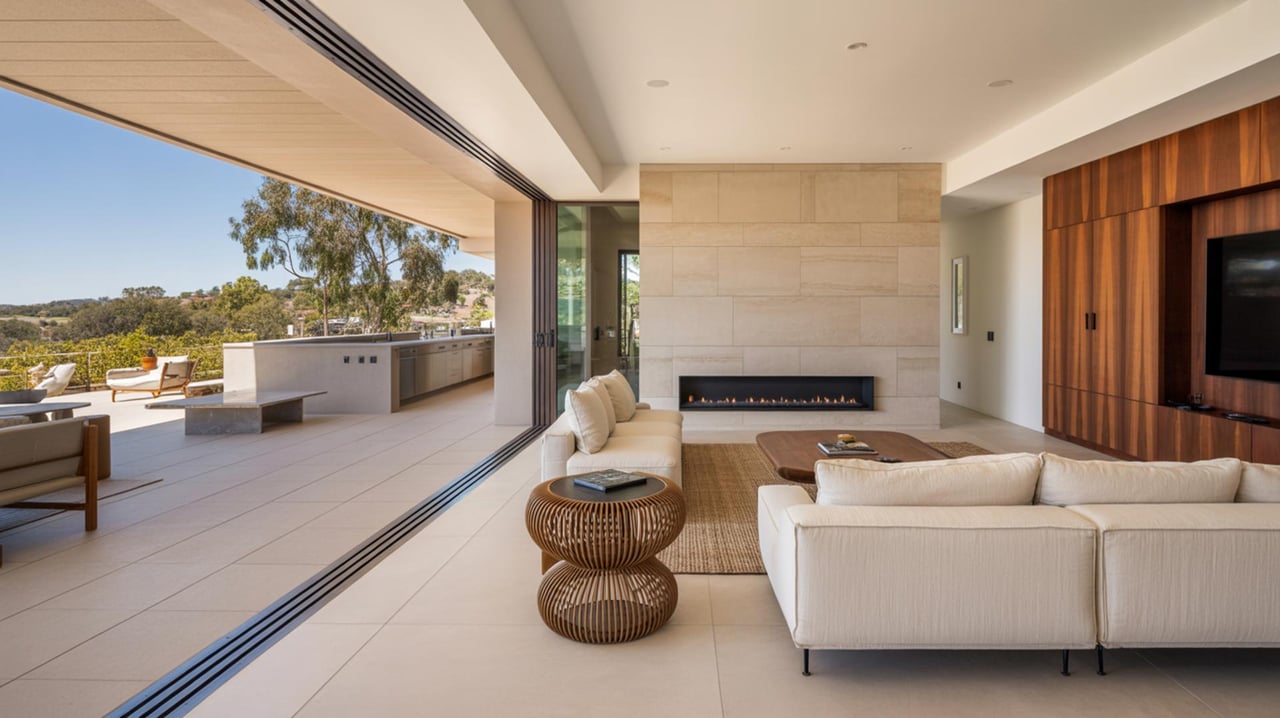
You will find a high share of planned subdivisions built largely in the 1990s and 2000s. Many homes are two‑story, with 3–5 bedrooms, attached garages, and modern layouts. Yards trend smaller to medium compared with some inland communities. Many neighborhoods include HOAs with amenities such as pools, landscaping, or private parks.
4S Ranch housing profile
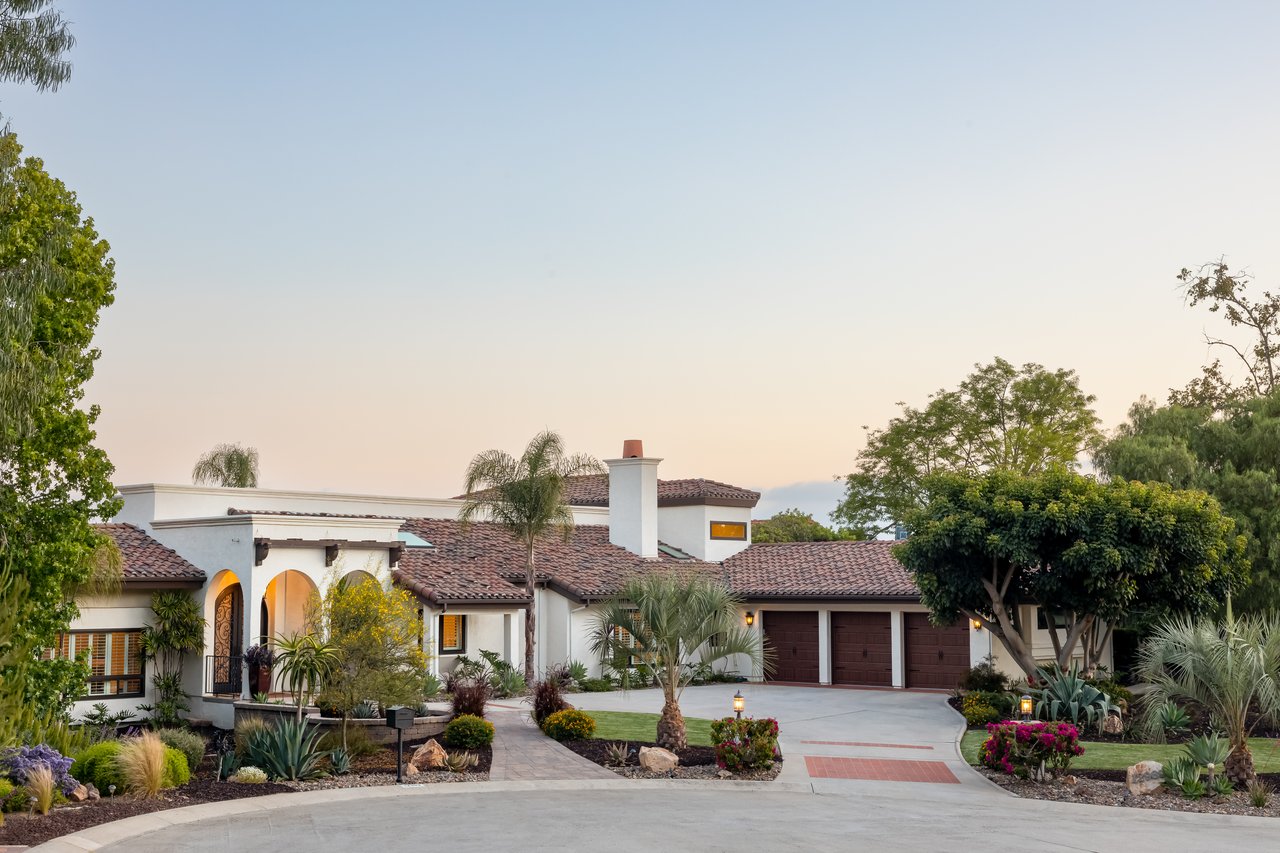
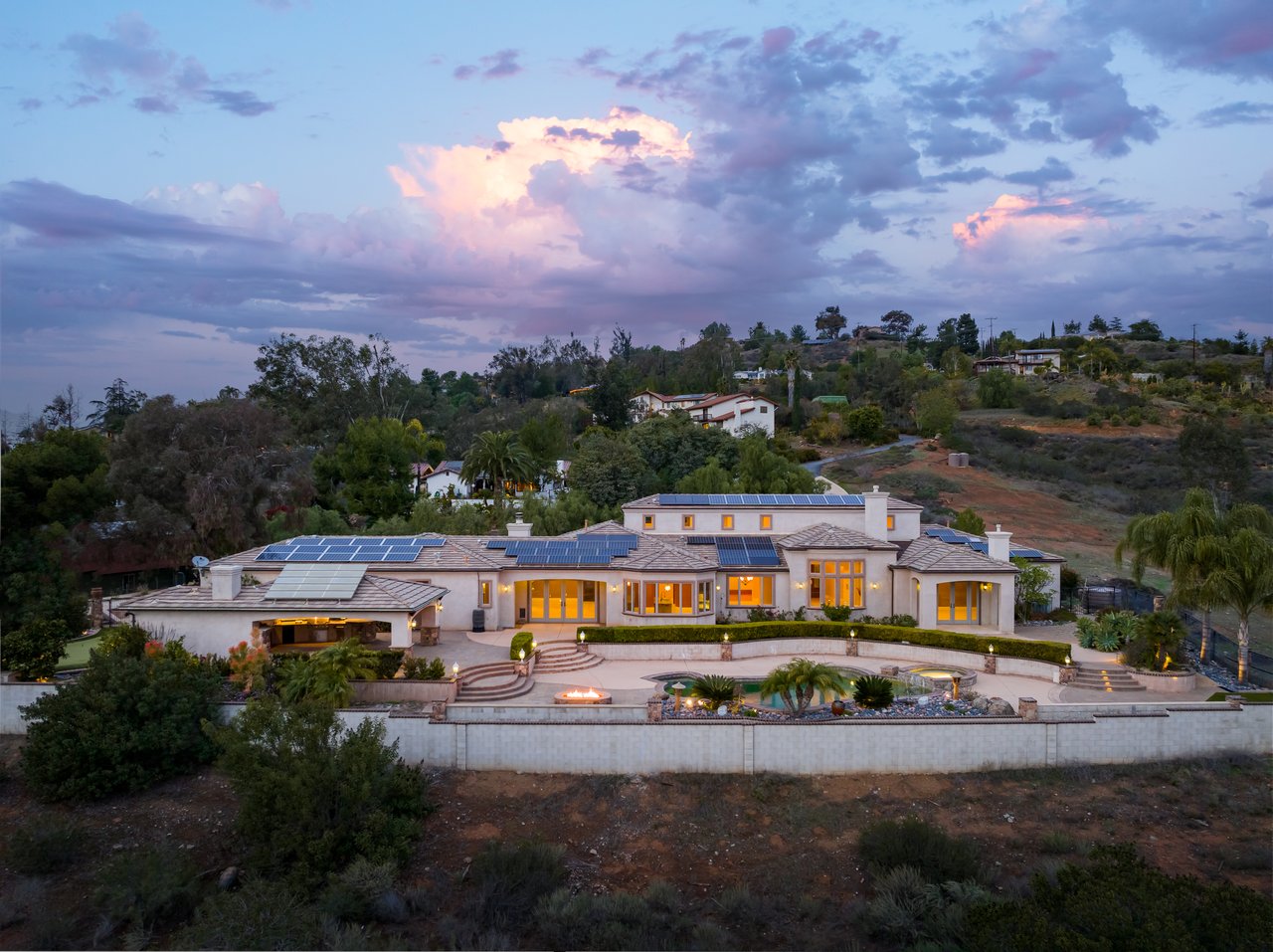
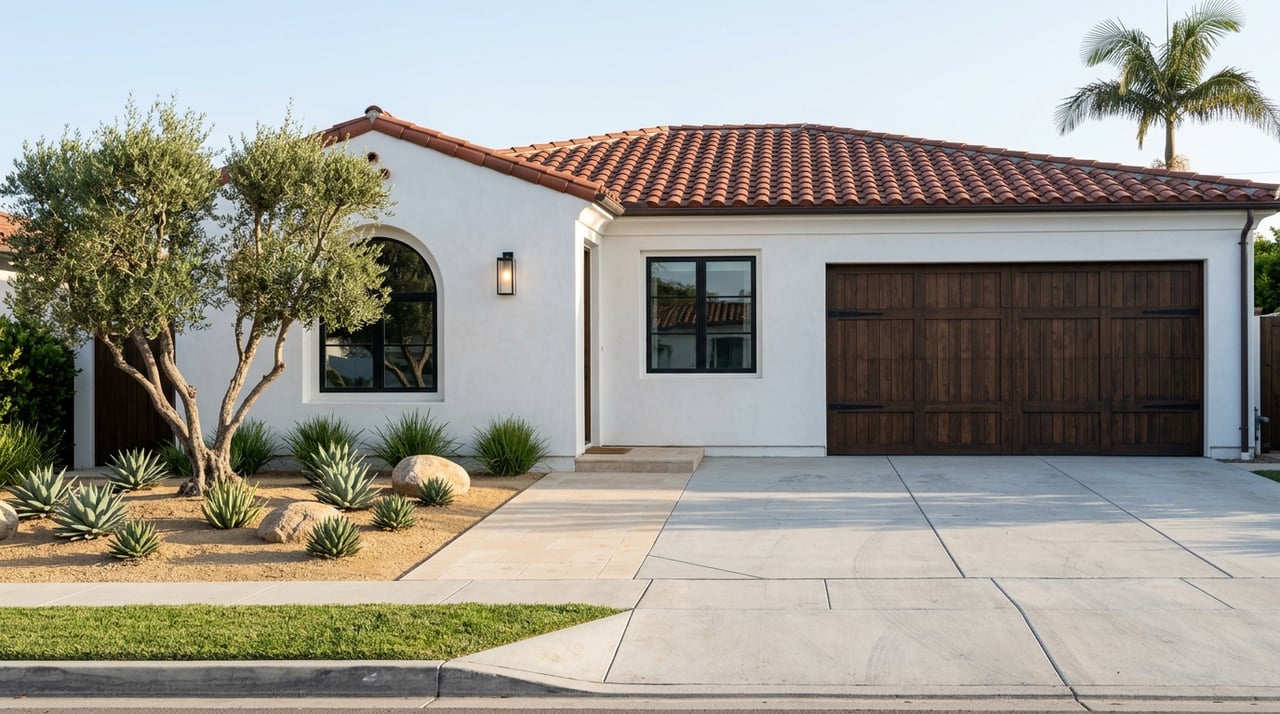
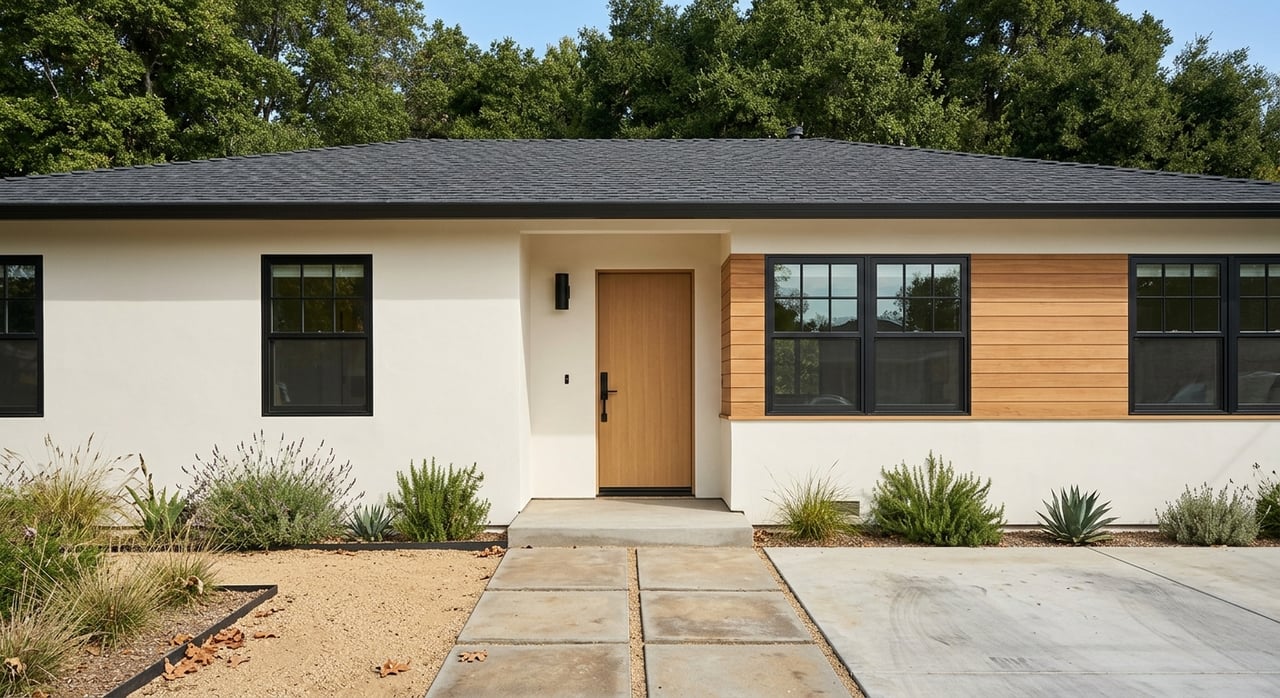
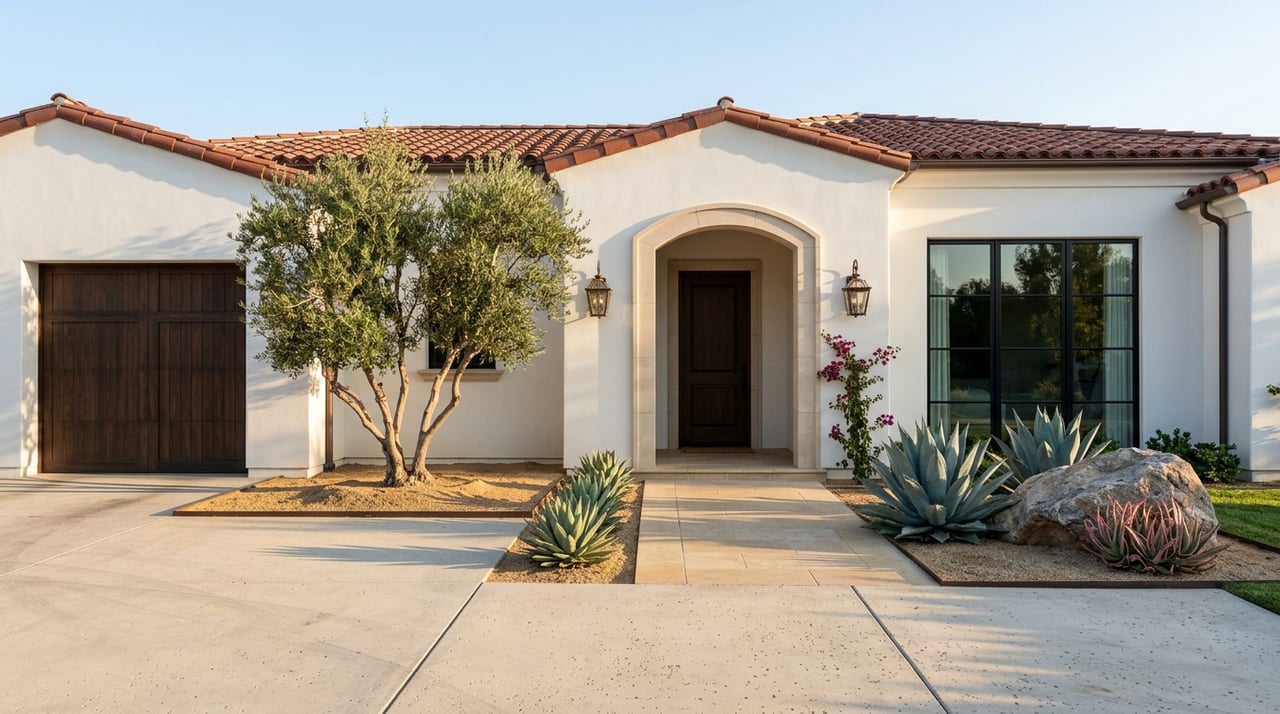
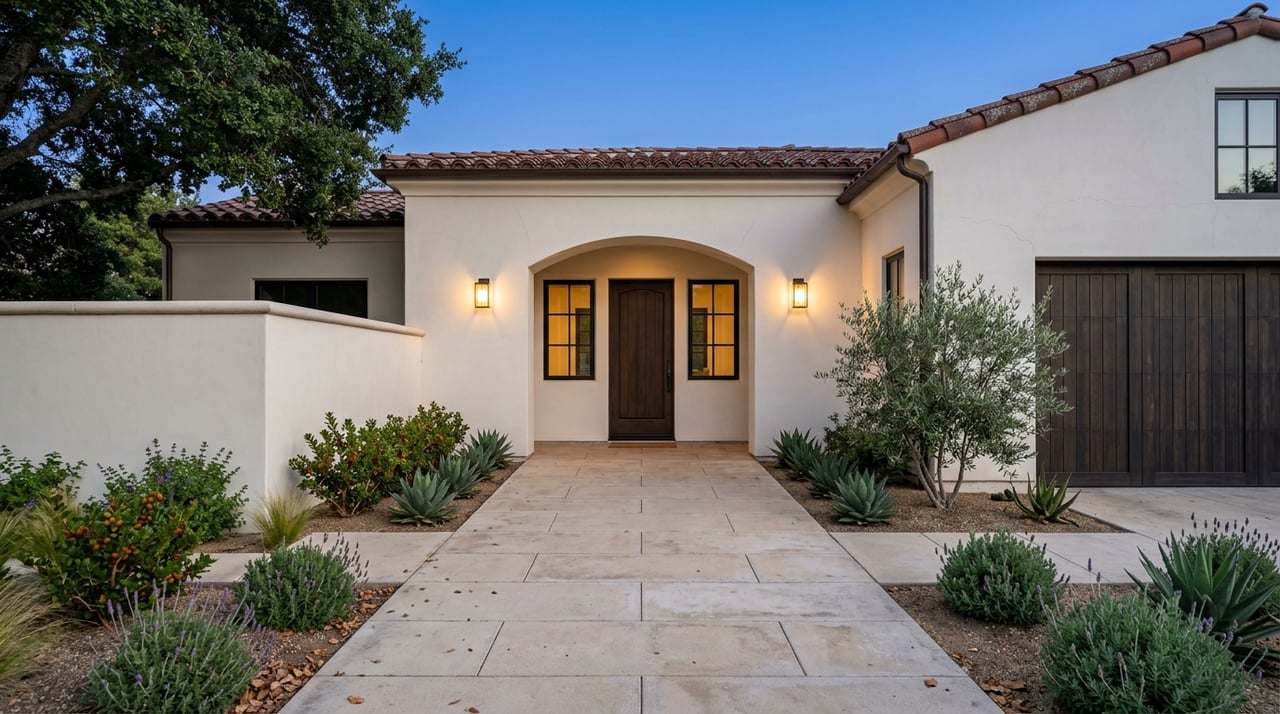
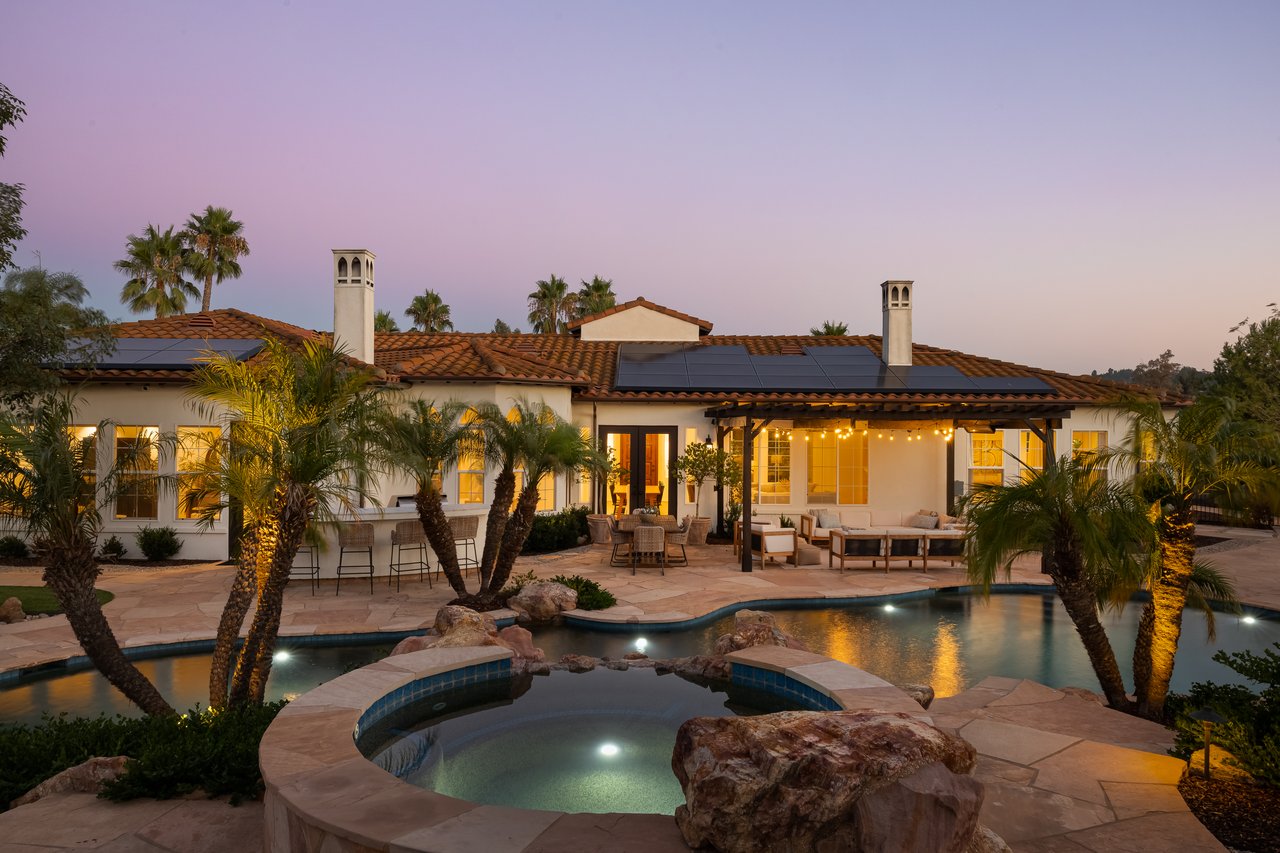
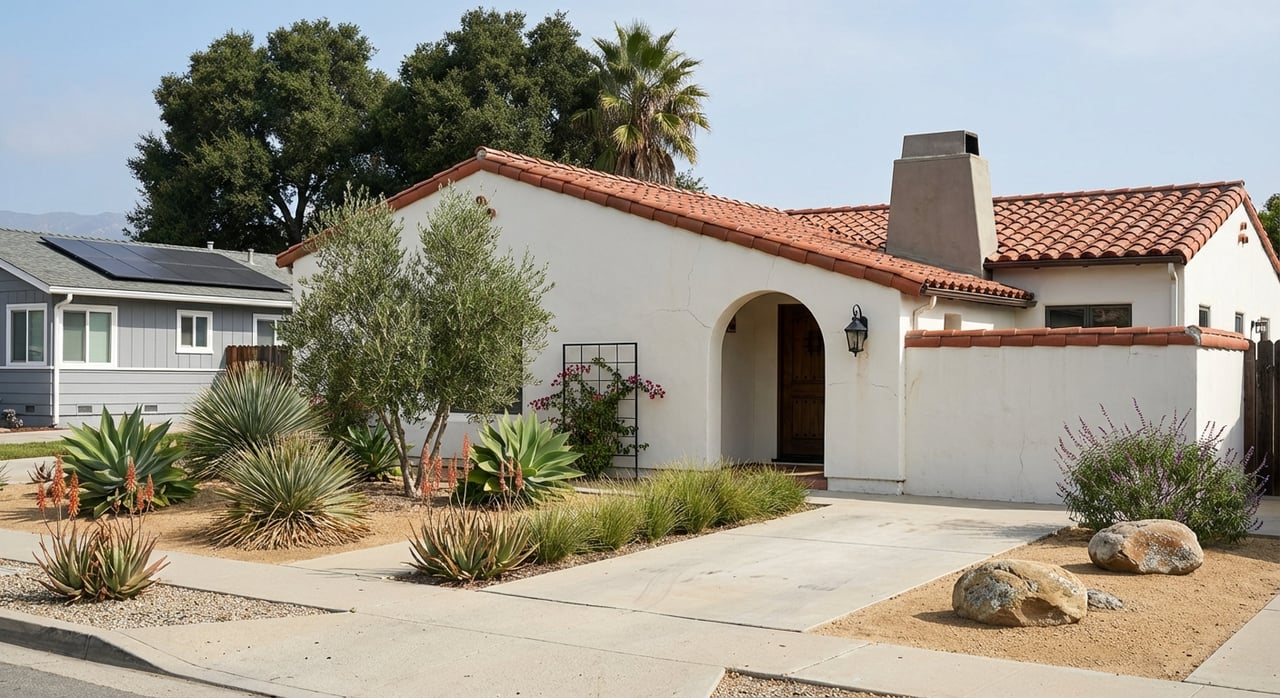
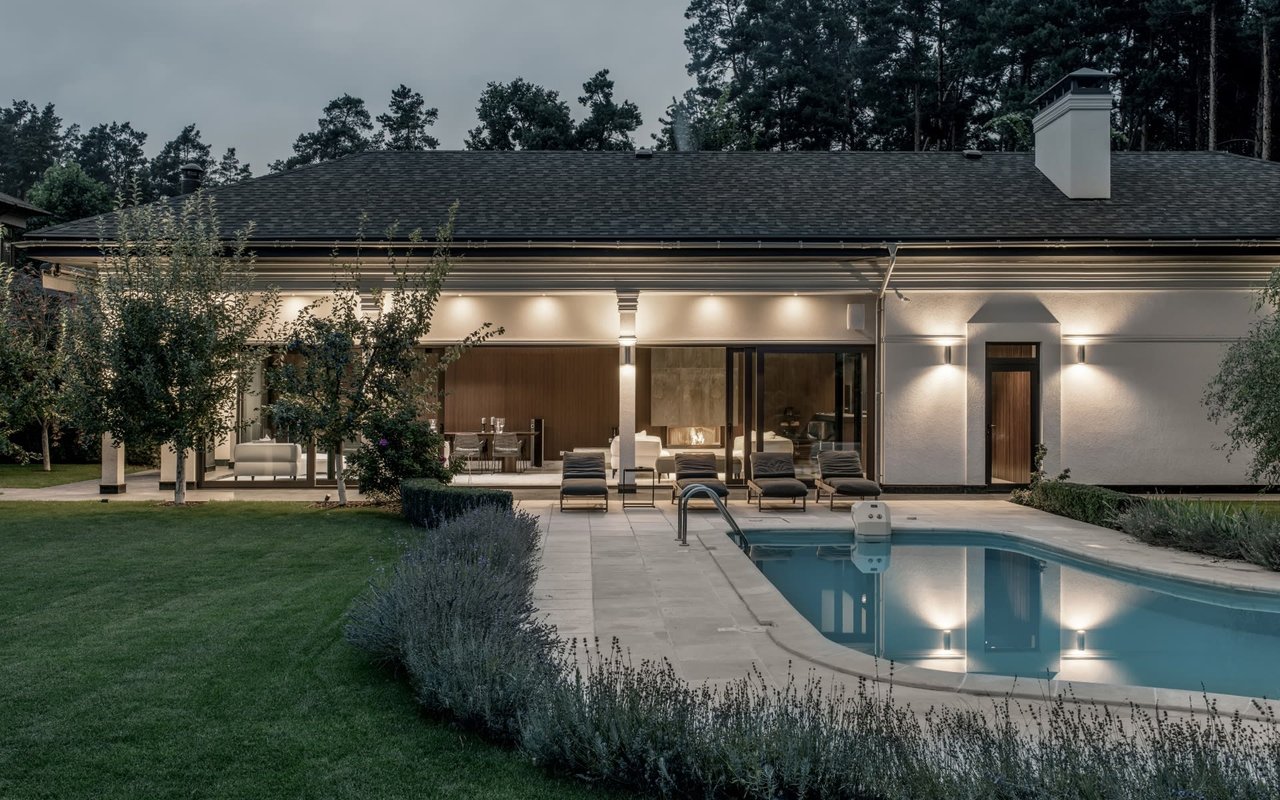
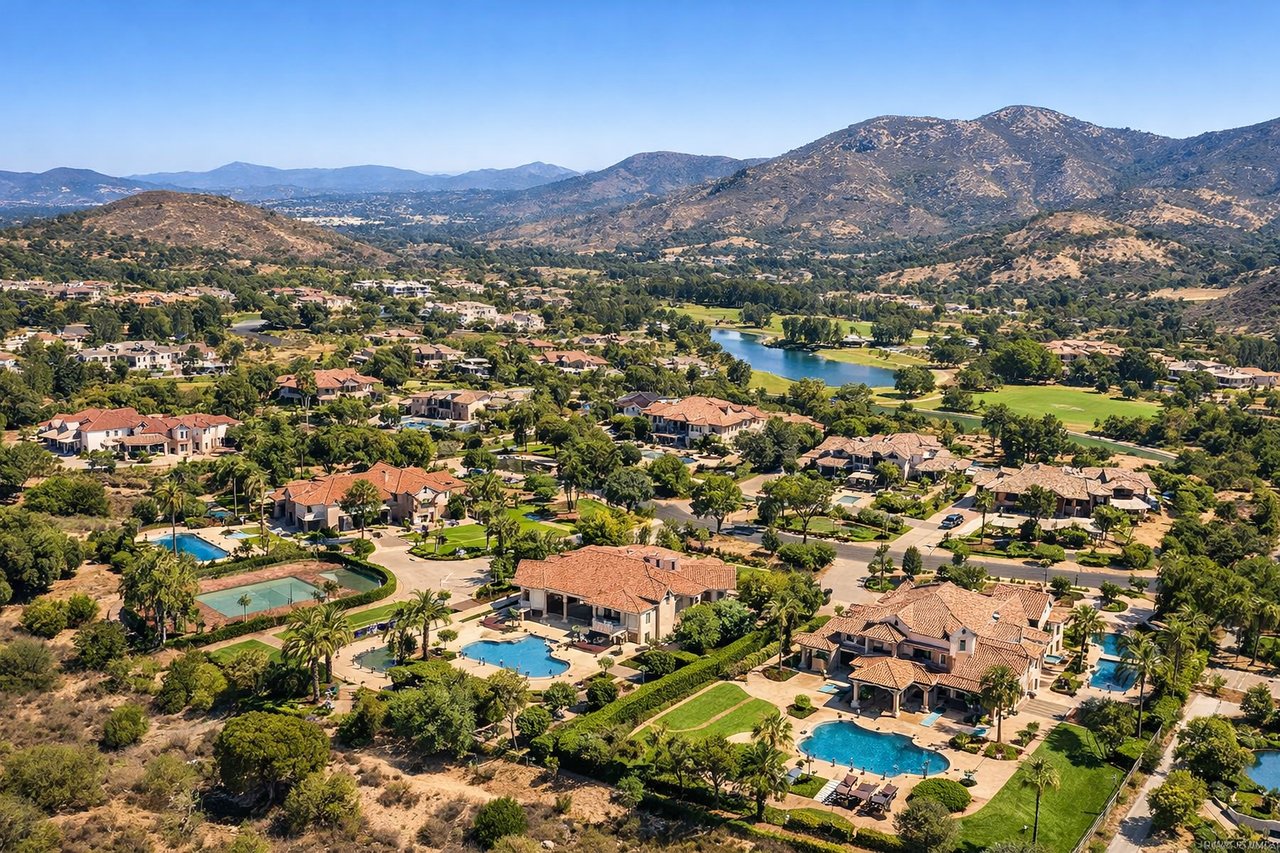
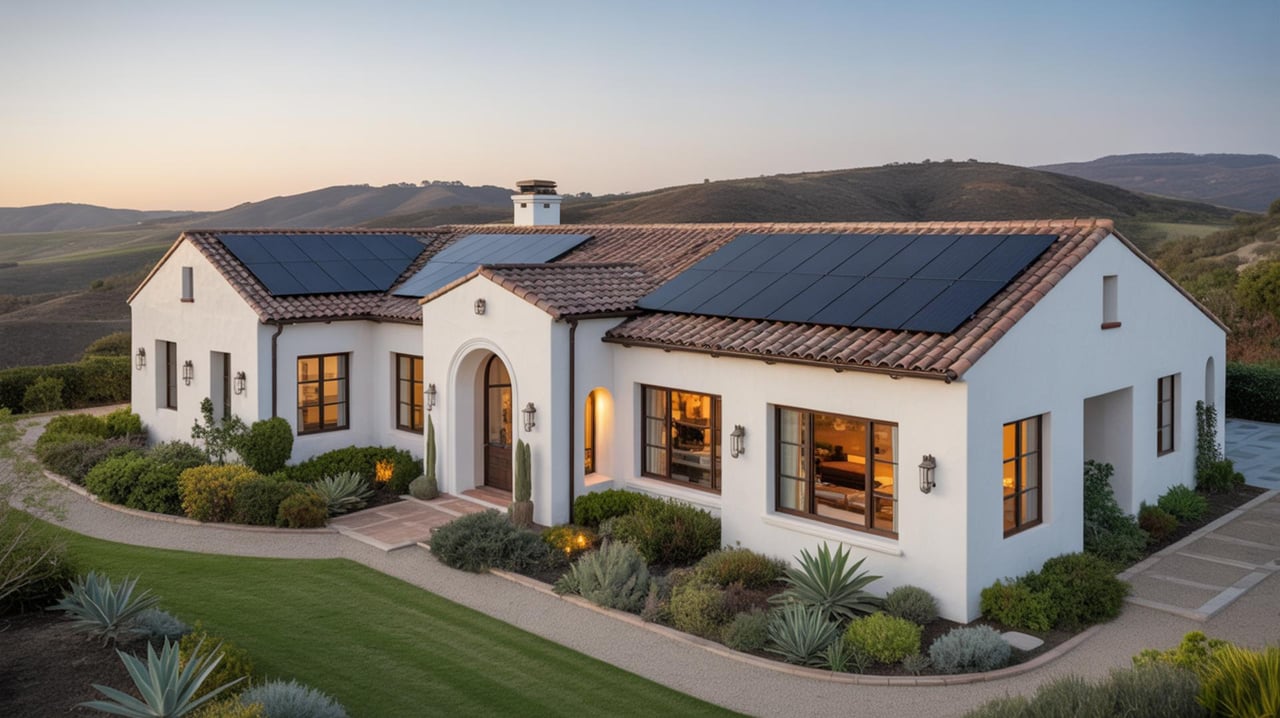
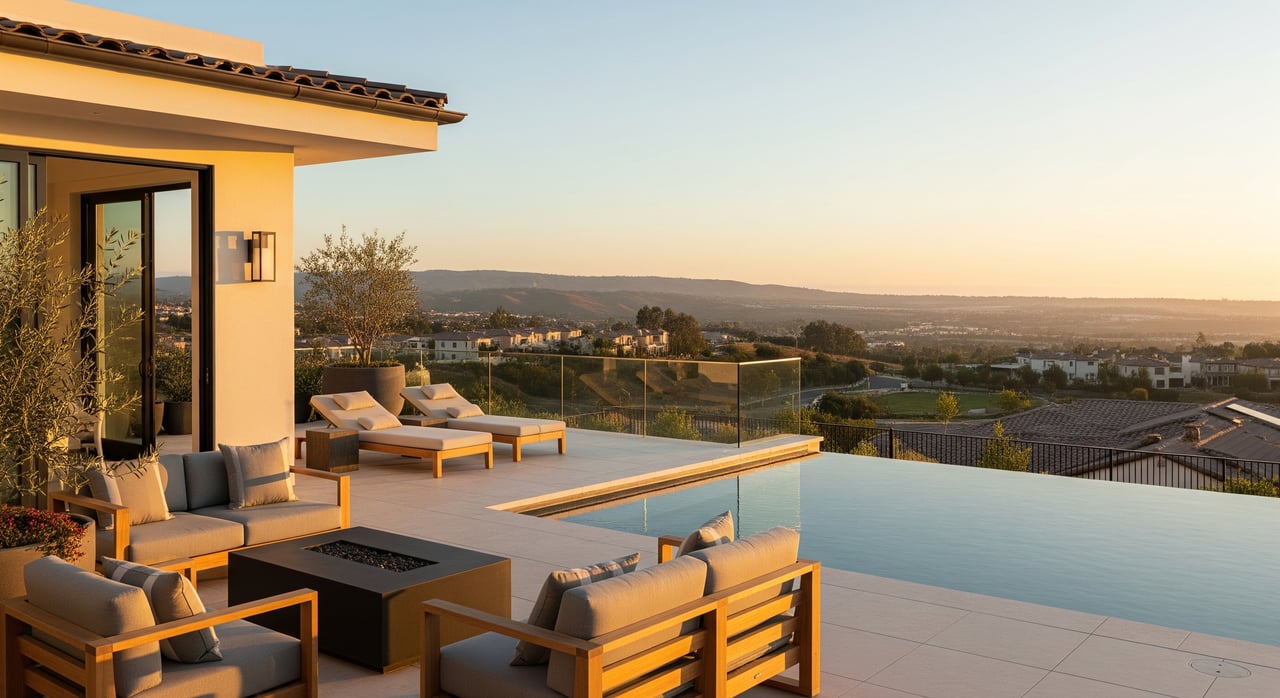
Development accelerated in the 2000s and 2010s, with many single‑family homes plus pockets of townhomes near commercial nodes. Floor plans often feature 3–5+ bedrooms, open kitchens, and attached garages. Lots can be medium to larger on average than more coastal areas. Many subdivisions include on‑site community centers, pools, and neighborhood parks within their HOAs.
Dining, shopping, and daily errands
Carmel Valley conveniences
You have multiple neighborhood shopping centers and grocery‑anchored retail. Upscale dining and boutique retail cluster along the I‑5 corridor, with additional options in the Del Mar Highlands area and coastal Del Mar. Everyday needs are close, and higher‑order dining is a short drive.
4S Ranch conveniences
Expect neighborhood-scale town centers with groceries, casual dining, and services. For larger retail clusters, you can hop over to Carmel Mountain Road or other I‑15 corridor centers. Daily errands are close, and bigger shopping runs are an easy drive.
Lifestyle trade‑offs to weigh
- Commute versus yard size: Carmel Valley can shorten trips to coastal and UTC job centers. 4S Ranch often offers larger lots and newer construction, but it may add time to coastal commutes.
- Beach day versus trail day: Carmel Valley puts you closer to beaches and Torrey Pines bluffs. 4S Ranch is near the Inland Hills, reservoirs, and wide‑open trail systems.
- Construction era and HOA amenities: 4S Ranch is newer on average, with robust community facilities. Carmel Valley mixes 1990s–2000s planned tracts with HOA amenities and easy access to regional centers.
- Walkability and retail feel: Carmel Valley often sits near higher‑order dining and coastal options. 4S Ranch emphasizes neighborhood centers focused on daily convenience.
How to choose with confidence
- Map your week: List the three drives you make most and test them from each neighborhood at the times you actually travel. Confirm trends using SANDAG resources.
- Try a weekend preview: From Carmel Valley, time a beach morning at Torrey Pines State Natural Reserve. From 4S Ranch, plan a hike or ride on inland trails. Notice access, parking, and crowds.
- Tour representative homes: Compare 3–5 bedroom floor plans, yard sizes, and HOA inclusions. Many communities in both areas offer pools, parks, and shared spaces; verify what each HOA covers.
- Review planning context: Check the City of San Diego community profiles for land use and community plans that shape future development.
- Confirm commute realities with data: Look up work destinations and resident flows using the Census OnTheMap tool, then validate with live mapping for your time windows.
If you want a steady hand to compare homes side by side and align the purchase with a sale, you can lean on a process that blends staging, Compass Concierge improvements, and negotiation discipline to keep timelines tight and outcomes clear. When you are ready, connect with Peter Heines to map your move in North San Diego.
FAQs
What commute differences matter most between these areas?
- Carmel Valley aligns with SR‑56 and I‑5 for coastal and west‑side job centers, while 4S Ranch ties to I‑15 and SR‑56 for inland hubs; verify your peak windows with SANDAG resources and live maps.
How do outdoor options compare if I love nature?
- Carmel Valley shortens the drive to beaches and Torrey Pines bluffs, while 4S Ranch sits near inland hills, reservoirs, and multi‑use trail networks for hiking and biking.
What home types are typical for move‑up buyers?
- Both offer many 3–5 bedroom single‑family homes with open layouts and attached garages; 4S Ranch often skews newer with larger lots, while Carmel Valley offers compact to medium yards and strong HOA amenities.
Are daily errands walkable in both neighborhoods?
- Each has neighborhood shopping and services nearby; Carmel Valley adds quick access to higher‑order dining along I‑5, while 4S Ranch uses town centers and short drives to larger I‑15 retail clusters.
How should I compare HOA costs and amenities?
- Review each community’s HOA documents and listing disclosures for inclusions like pools, parks, and landscaping, and factor fees into your monthly budget before you write an offer.