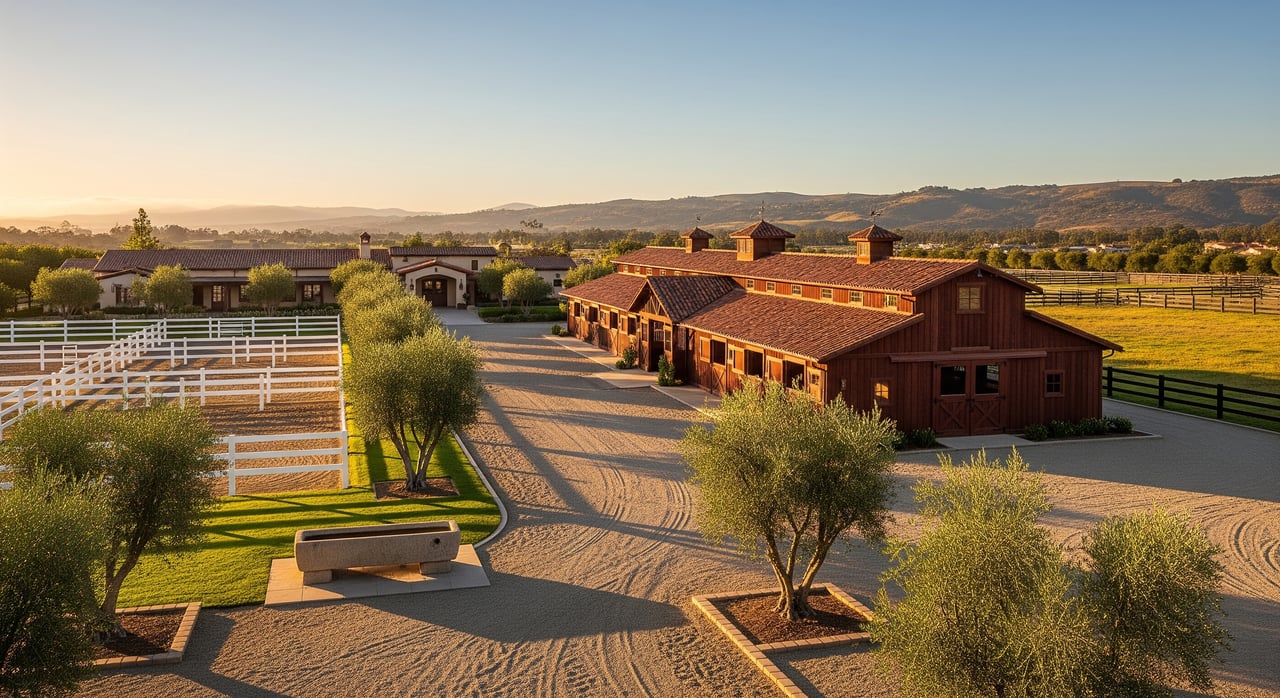
Dreaming of riding out from your backyard, past oak-studded hills, and onto a network of peaceful bridle paths? If you are exploring horse properties in San Diego, Rancho Santa Fe often tops the list for its space, amenities, and equestrian culture. You want the beauty and freedom, but you also want a clear plan for barns, water, fire safety, and community rules. This guide gives you a practical roadmap to evaluate properties, understand costs, and buy with confidence in Rancho Santa Fe.
Let’s dive in.
Why Rancho Santa Fe for equestrian living
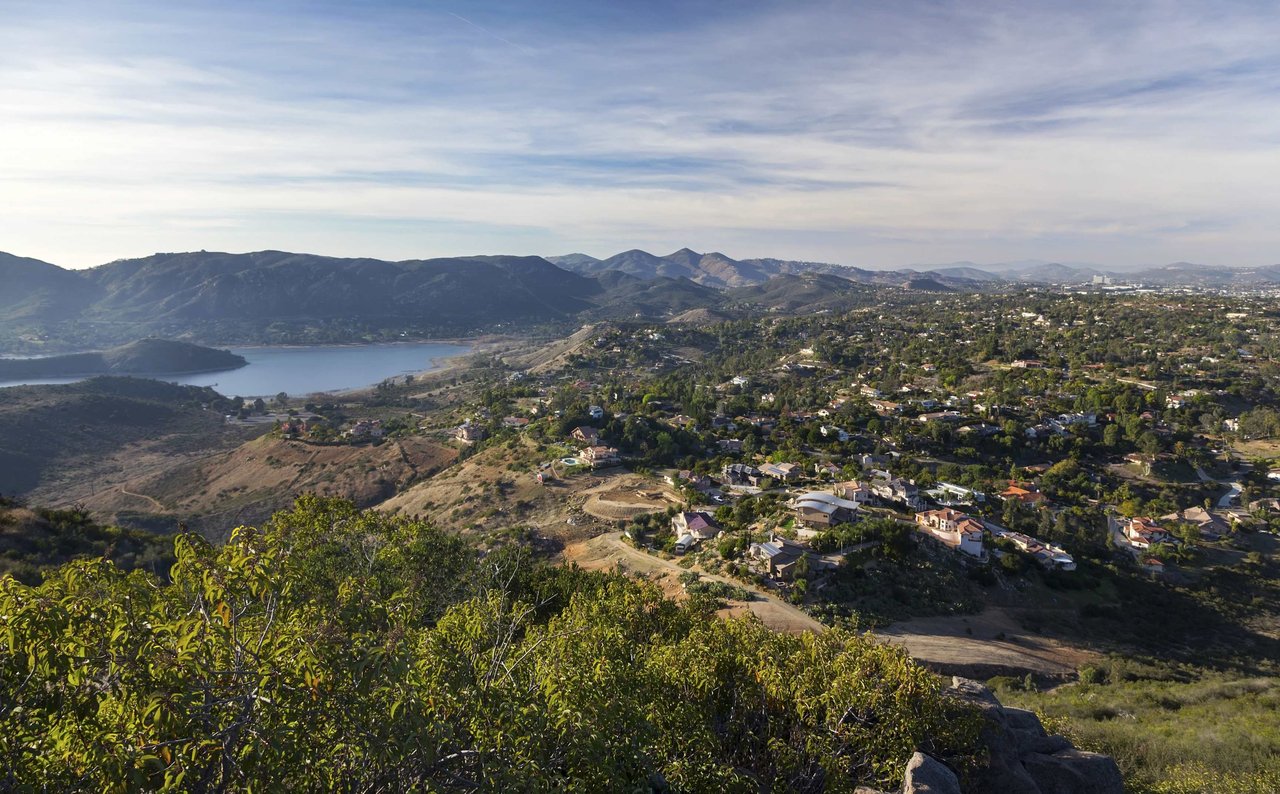
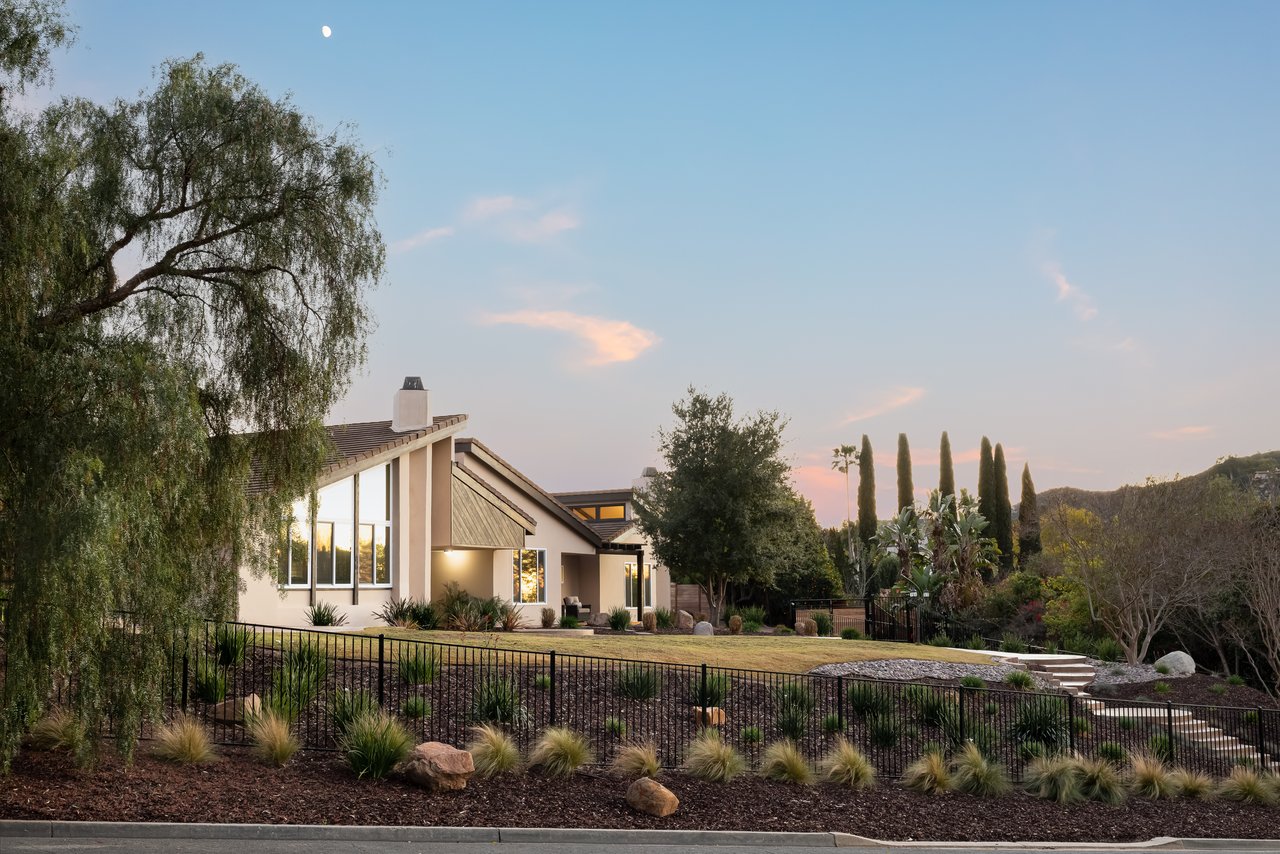
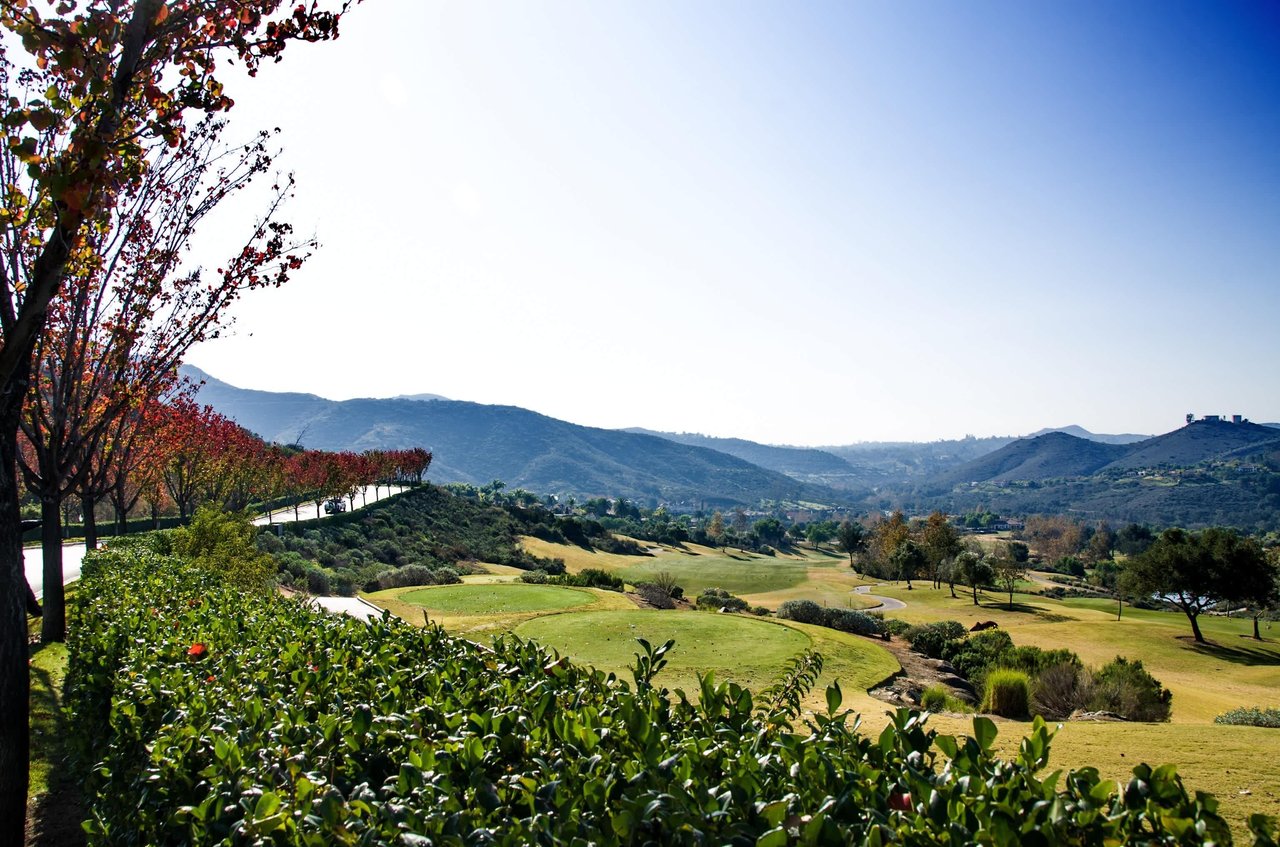
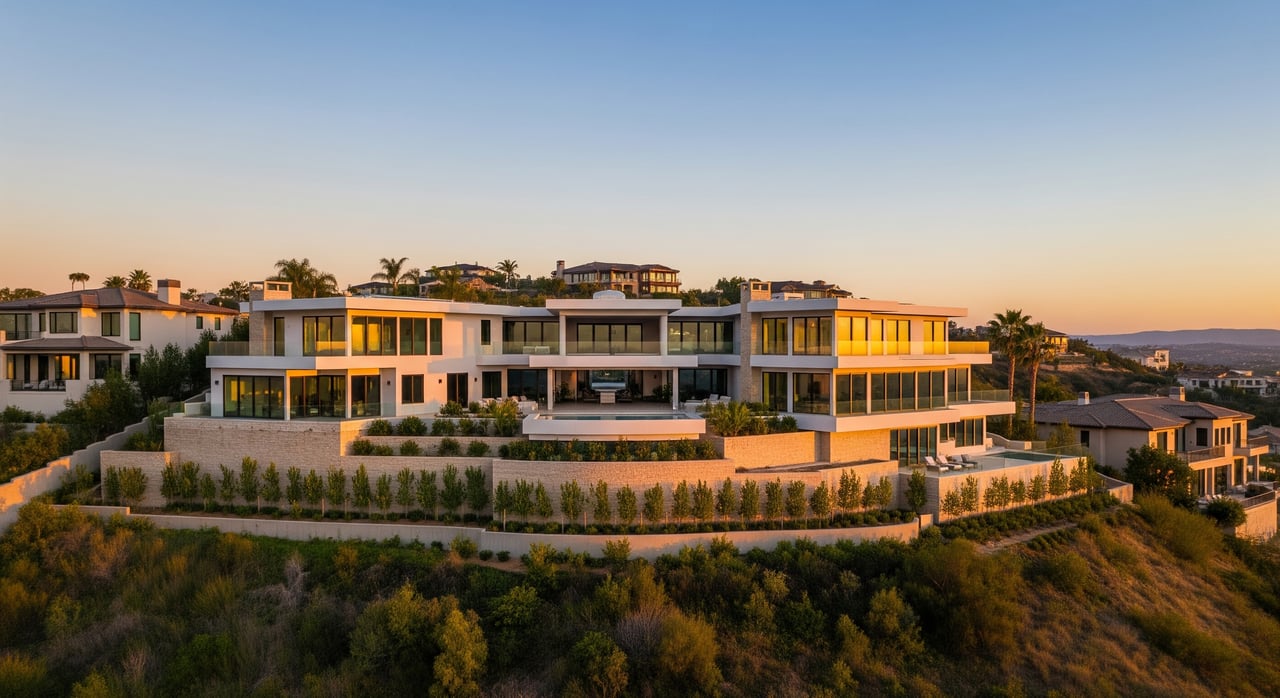
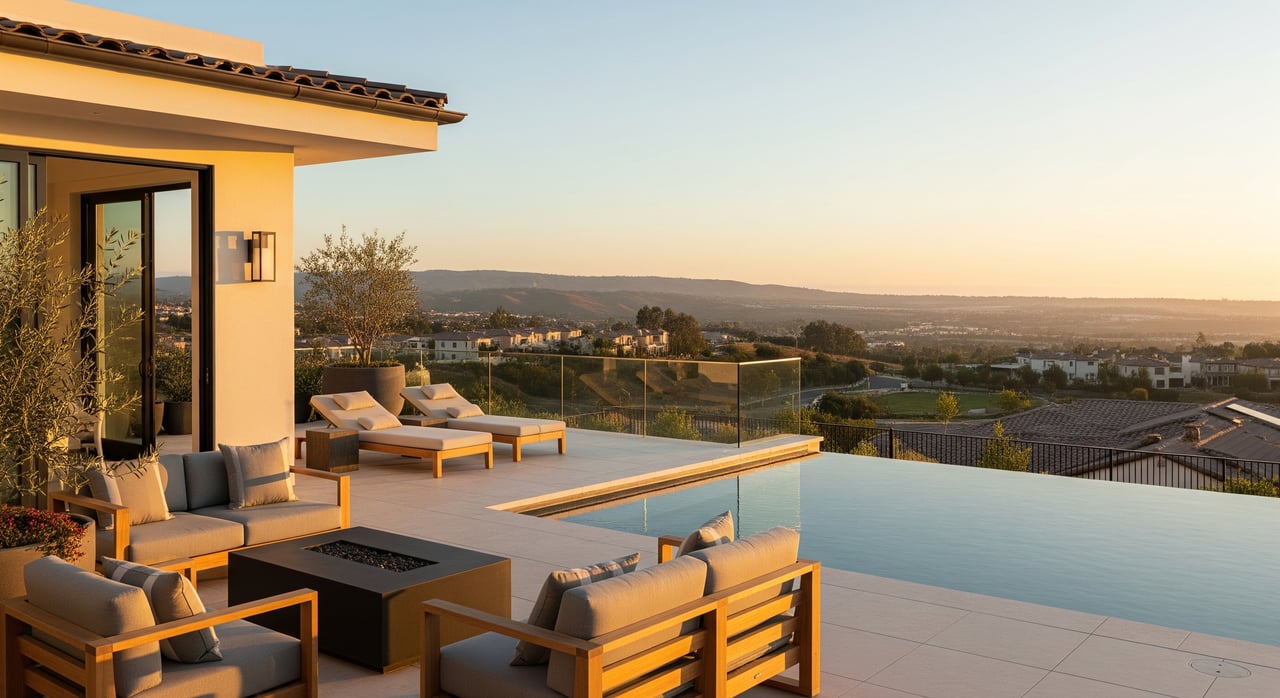
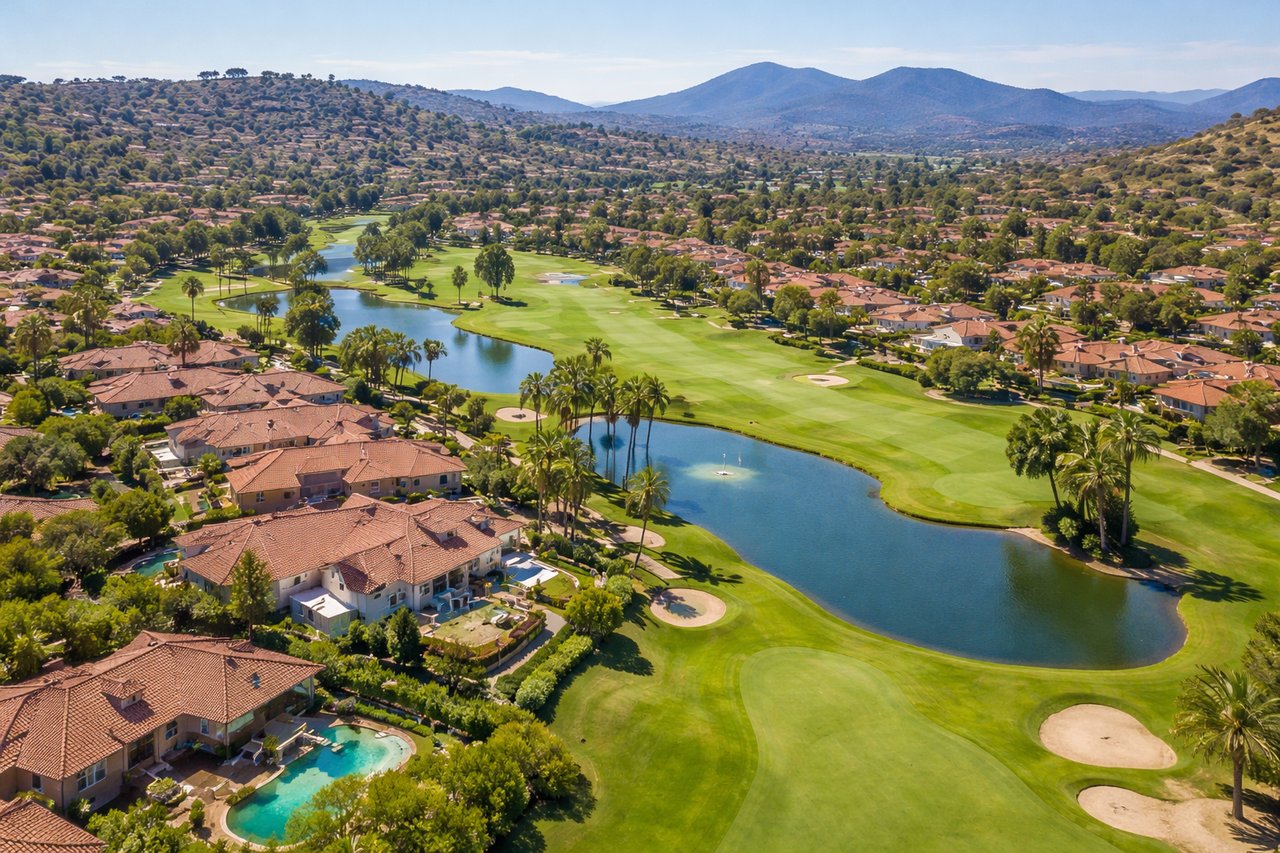
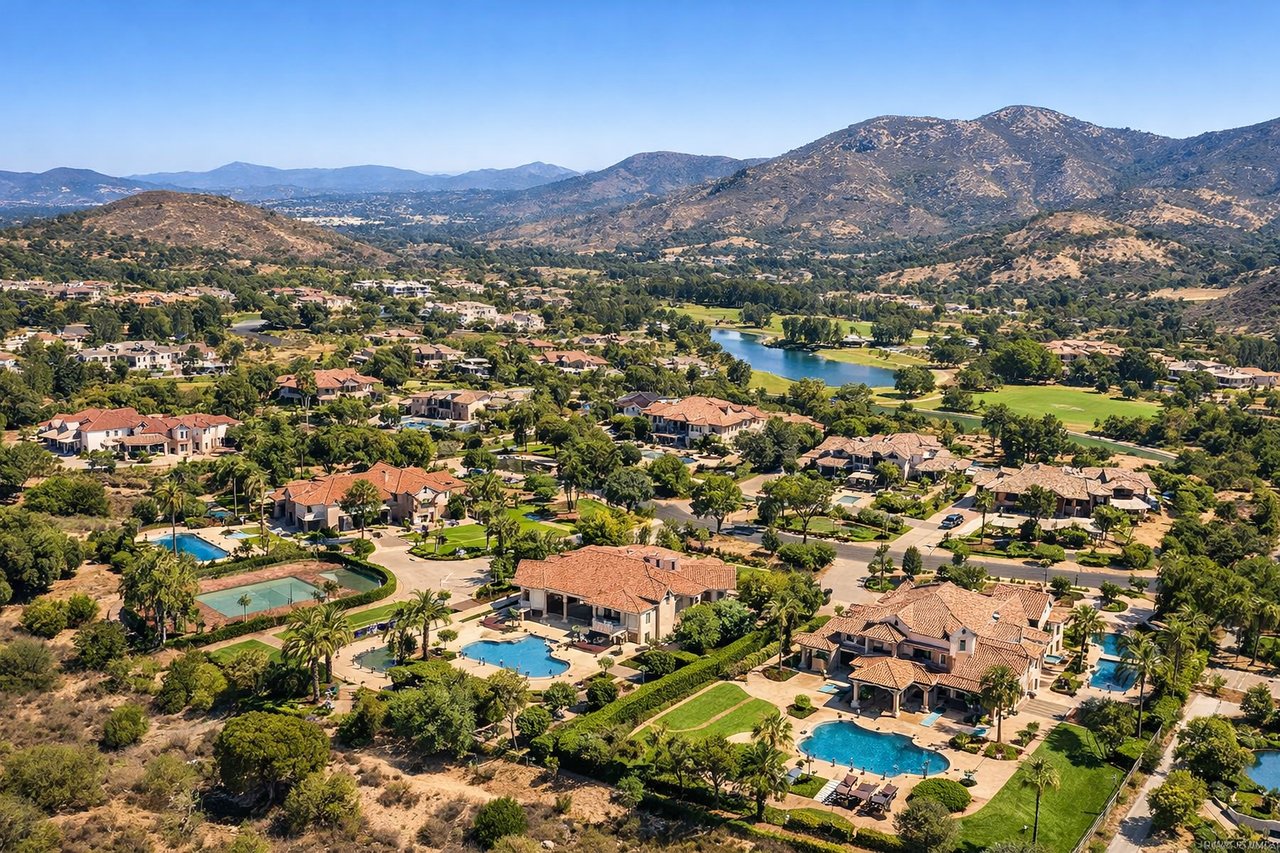
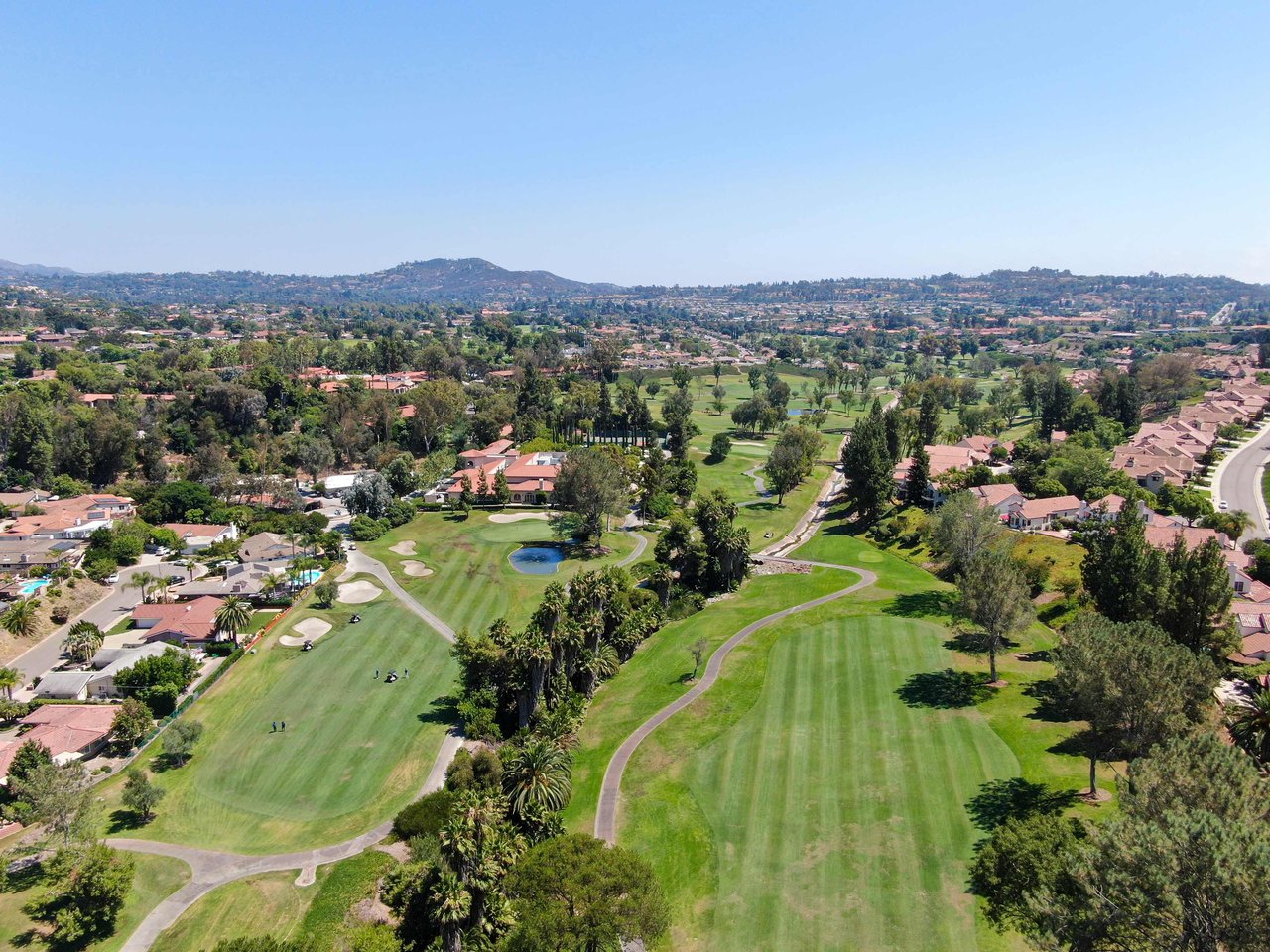
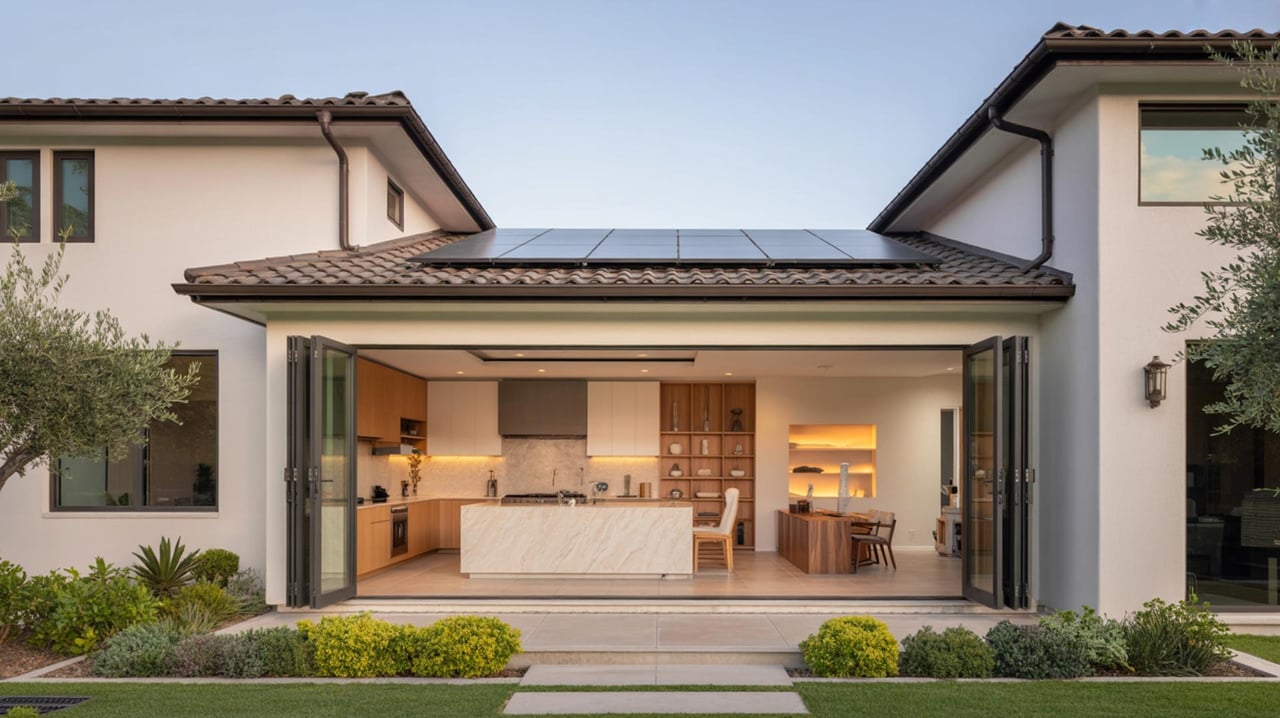
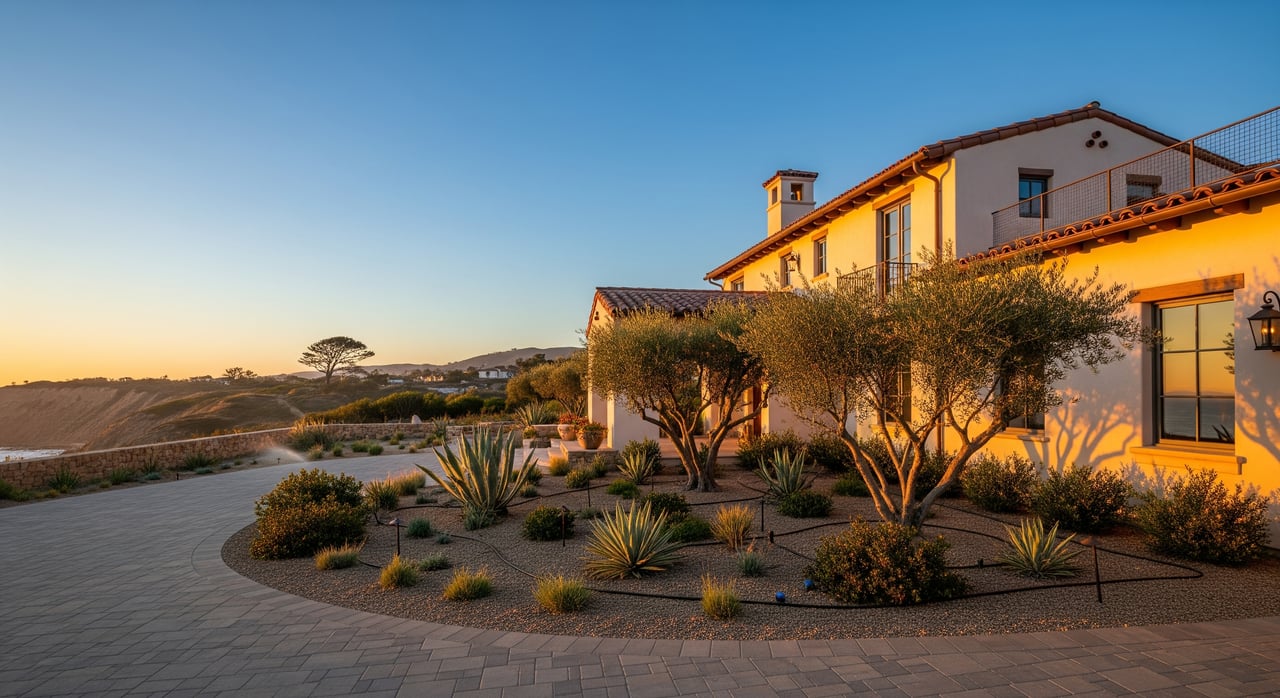
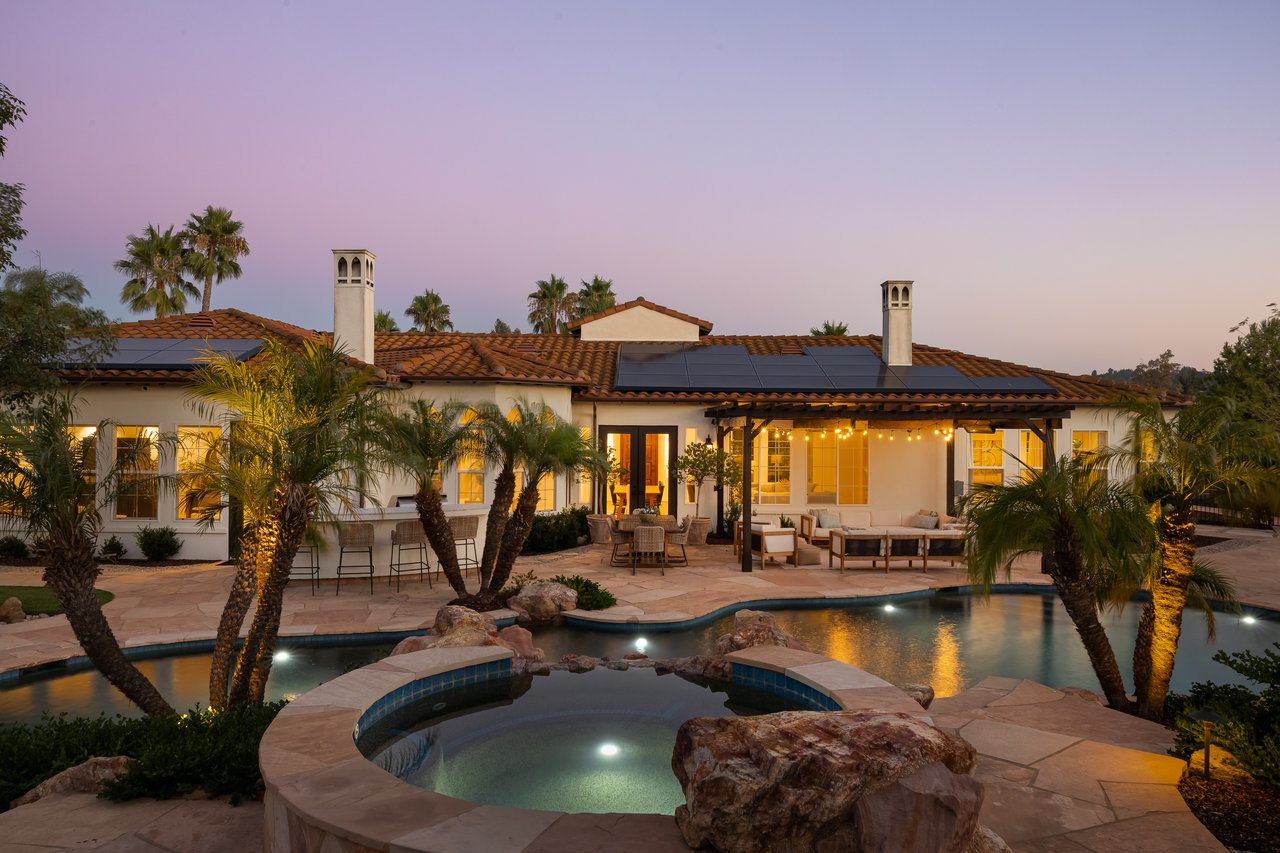
Rancho Santa Fe is an affluent, low-density, semi-rural community known for large estates and a strong equestrian tradition. Most equestrian properties sit on 1 to 10 or more acres with privacy, mature landscaping, and access to local bridle paths. The community is inland from Del Mar with a Mediterranean climate that offers excellent year-round riding weather.
While the broader San Diego area includes many ZIP codes, Rancho Santa Fe is primarily served by 92067 and 92091. You will find rolling hills and valleys that are ideal for turnout and trail access, but they also require smart drainage, safe footing, and fire-wise planning. Expect premium pricing for acreage and for properties that already include high-quality barns, arenas, paddocks, and irrigation.
Property types and amenities to look for
Lot sizes and layouts
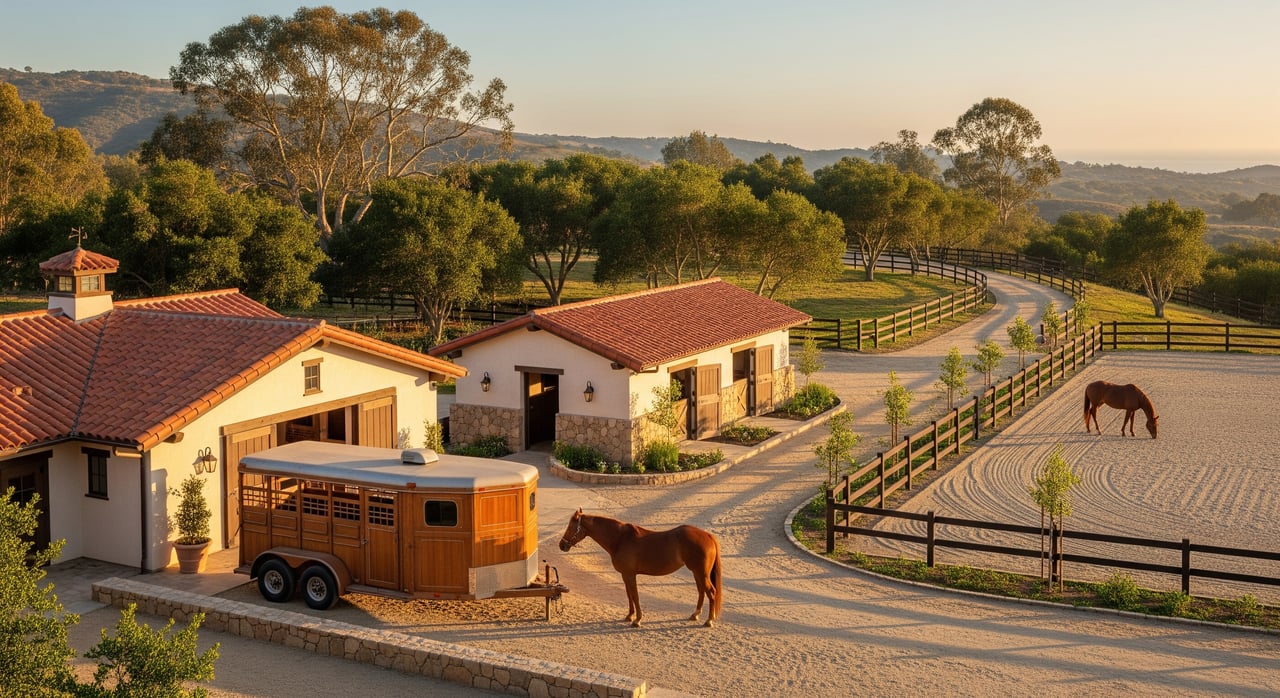
Many horse properties range from 1 to 2 acres up through 5 to 10 or more acres. Larger holdings exist but are less common and command higher prices. Pay attention to how land is laid out: truck-and-trailer access, flat pads for barns and arenas, and the proximity of structures to paddocks.
A well-planned property often separates the main residence from barn operations for safety and privacy. Gated entries and off-street trailer parking are typical and help with security and logistics.
Barns and stables
You will see everything from modest 2-stall barns to custom facilities with 10 stalls, tack rooms, feed rooms, and wash racks. Look closely at construction quality, ventilation, roof condition, electrical and plumbing, and pest control. Secure tack storage and covered grooming areas add daily ease and protect your investment.
For long-term upkeep, confirm that horse structures are permitted and comply with county and community rules. If you plan to expand stalls or convert uses, you will likely need new permits.
Arenas and footing
Outdoor sand or all-weather arenas are common, with sizes that often range from about 60 by 120 feet to larger, discipline-specific layouts. Indoor arenas are less common due to cost and permitting. Ask about footing composition, depth, and recent maintenance.
Footing and drainage matter in hilly terrain. You want consistent compaction, no standing water after storms, and good access for grooming equipment. Arena lights and adequate power supply are practical upgrades for early morning or evening rides.
Turnout, pastures, and fencing
Expect fenced paddocks, run-in sheds, and sometimes irrigated pastures. Many owners use a mix of turnout and supplemental hay to keep pasture health strong, especially in dry months. Sacrifice areas help protect grass during wet winters or droughts.
Inspect fencing carefully. Post-and-rail and pipe rail are common. Look for visibility, correct height, smooth finishes, and no protruding nails or sharp edges. Gate placement and latch hardware should be safe, simple, and consistent across the property.
Water, wells, and irrigation
Properties may rely on wells, municipal water, or both, often with irrigation systems for landscaping and pasture. Ask for well production rates, storage tanks, and any historical well logs. Drought conditions can affect pasture irrigation, hay production, and herd size.
Confirm water delivery to barn areas, wash racks, and paddocks. Automatic waterers or well-placed troughs reduce labor and improve consistency for horse care.
Access and privacy
Plan for easy trailer ingress and egress, adequate turning radii, and safe road access. Separate delivery or service entries can reduce traffic near the residence. Many estates include gated driveways that provide privacy and controlled access for guests and vendors.
If bridle paths or trail easements are important to you, verify exact access on plat maps and within community rules.
Trails, community, and equestrian culture
Equestrian living is part of Rancho Santa Fe’s identity. The community has a history of private bridle paths and easements, along with local riding clubs and informal trail groups. You will find a social rhythm built around riding, training, and events.
The Del Mar Fairgrounds and racetrack area is a regional hub for horse shows and equine services. Across North County, you will find trainers, boarding options, farriers, veterinarians, and feed and tack suppliers clustered along coastal and inland corridors. Build your vendor list early so you can estimate costs and service accessibility during your search.
Rules, permits, and what’s allowed
Rancho Santa Fe is in unincorporated San Diego County, and properties are also guided by local community associations and Covenants. Before you buy, confirm property zoning, allowed uses, setbacks, maximum building footprints, and any architectural review requirements. Private barns and accessory buildings may require county permits, septic permits, and community approvals.
If you plan any commercial activity such as boarding or training for paying clients, expect different rules. These operations often need additional permitting and insurance and may face neighborhood or association scrutiny. Start those conversations with county planning and the local community association early.
Fire, water, and environmental realities
Wildfire is a key consideration in a Mediterranean climate. Defensible space, brush management, and clear emergency access routes help protect people, animals, and structures. Insurers often evaluate wildfire exposure, so plan to align with local fire authority guidance in your property planning.
Water availability and drought can shape your management choices. In dry years, irrigating pastures can be expensive, and limited well production may affect herd size or pasture strategy. Good manure management and runoff control protect waterways and may be required by county rules in certain scenarios.
Budgeting and ongoing costs
Acreage in Rancho Santa Fe commands a premium, and equestrian improvements add to price. Beyond purchase, build a realistic operating budget for horses and property care.
- Horse care per horse: Broad industry estimates often range from about 3,000 to 10,000+ dollars per year for basic care depending on boarding versus self-care, competition level, and healthcare needs. In Southern California, costs often trend toward the higher end of national averages.
- Boarding off-site: Options range widely, from self-care to full-service training packages. In affluent coastal areas, full-service board and training can be a significant monthly expense.
- Maintenance: Plan for arena footing renewal, fencing repairs, irrigation system upkeep, hay purchases, pasture management, and staffing for grooms or barn help. These recurring line items are often underestimated by buyers.
- Insurance: You may need homeowners policy endorsements for horses, equine liability coverage, or commercial policies if operating a business.
Due diligence checklist for buyers
Use this checklist to evaluate properties and plan your inspections and questions.
Property and barn condition
- Barn structure: roof, ventilation, flooring, electrical, plumbing, pest control
- Stalls: size, drains, wash rack setup, and safety
- Tack and feed: secure storage, hay capacity, and ventilation
- Arenas: footing depth and composition, drainage, lights, and power
- Paddocks and fencing: condition, visibility, gates, and hardware
Infrastructure and services
- Water: well logs, production rates, storage, and irrigation system details
- Septic: system size, last inspection, and permit history
- Power: capacity for hot water, arena lights, and barn equipment
- Access: trailer ingress, turning radius, gate width, and road suitability
Legal, zoning, and association
- Zoning: confirm equine use and whether your plans are permitted
- Permits: verify that all horse-related structures are permitted and closed
- Community rules: review Covenant and association guidelines and bridle path rules
- Easements: confirm location of bridle paths or access rights on surveys and plat maps
Environmental and safety
- Wildfire: defensible space and vegetation management compliance
- Drainage: slope stability, erosion control, and flooding history
- Manure: storage area, composting plan, and runoff control
Operations and costs
- Hay and feed: local sources and seasonal availability
- Vet and farrier: local availability and typical emergency response times
- Boarding and training: typical options if you plan a hybrid care model
Questions to ask the seller
- Why are they selling and how long have they kept horses on-site?
- Are all structures permitted? Any open code issues?
- What repairs or upgrades were recently completed for fencing, arenas, drainage, septic, or well equipment?
- What are typical annual costs for water, hay, and barn maintenance?
- Any neighborhood considerations such as shared bridle path etiquette or animal-related complaints?
Common buyer paths
Own horses, light management
Purchase a residence with small paddocks for occasional turnout while boarding at a nearby full-service facility. You reduce capital needs for barns and arenas and gain professional care when you travel.
Private small stable
Target a property with a well-kept 2 to 4 stall barn, fenced paddocks, and an arena. Confirm well and septic capacity for both home and barn use, along with electrical capacity for lights and hot water.
Commercial operations
If you plan lessons or boarding as a business, expect different permitting, potential use approvals, and additional insurance. Start due diligence with county planning and local community rules before making an offer.
Where to get authoritative answers
- Rancho Santa Fe Community Association and Covenant documentation: for bridle path rules, architectural review, and community guidelines.
- San Diego County Planning and Development Services: for zoning, building permits, and code requirements.
- San Diego County fire authorities and CAL FIRE guidance: for defensible space and wildfire mitigation.
- Del Mar Fairgrounds and regional event calendars: for shows and community connections.
- Local vets, farriers, trainers, and boarding facilities: for realistic, current cost and logistics information.
How Peter Heines Homes helps you buy well
You deserve a senior-agent partner who understands equestrian living and the practical realities behind the lifestyle. With a consultative, process-driven approach, I help you analyze barns and arenas, confirm well and septic details, review Covenant and county rules, and shape a smart offer strategy. You get straightforward guidance on property conditions, operating costs, and the vendor resources to support care and maintenance.
My background blends negotiation discipline with high-touch service so your search stays calm and efficient. From off-market opportunities to smarter due diligence, the goal is simple: help you secure the right property and avoid costly surprises. If you are ready to explore Rancho Santa Fe equestrian living, let’s talk. Book a consultation with Peter Heines.
FAQs
How is Rancho Santa Fe different from other San Diego horse areas?
- It offers larger, premium estates with strong equestrian culture, private bridle paths in many areas, and a semi-rural setting that supports barns, arenas, and turnout.
Do I need permits for barns and arenas in Rancho Santa Fe?
- Yes. Horse structures and accessory buildings may require county permits and community approvals, including adherence to the Covenant and architectural guidelines.
What is a realistic budget for horse care near Rancho Santa Fe?
- Broad industry estimates often range from about 3,000 to 10,000+ dollars per horse per year for basic care, with Southern California costs commonly at the higher end.
Can I board elsewhere and keep small paddocks at home?
- Yes. Many buyers maintain light turnout at home and board at a nearby full-service facility to reduce on-site labor and capital needs.
Are private bridle paths common in Rancho Santa Fe?
- Yes. Many neighborhoods have private bridle paths or trail easements, but you should verify specific access rights on surveys, plat maps, and community rules.
What should I check about water and septic before I buy?
- Request well logs and production rates, irrigation system details, and septic permits and inspection history to confirm capacity for both home and barn use.