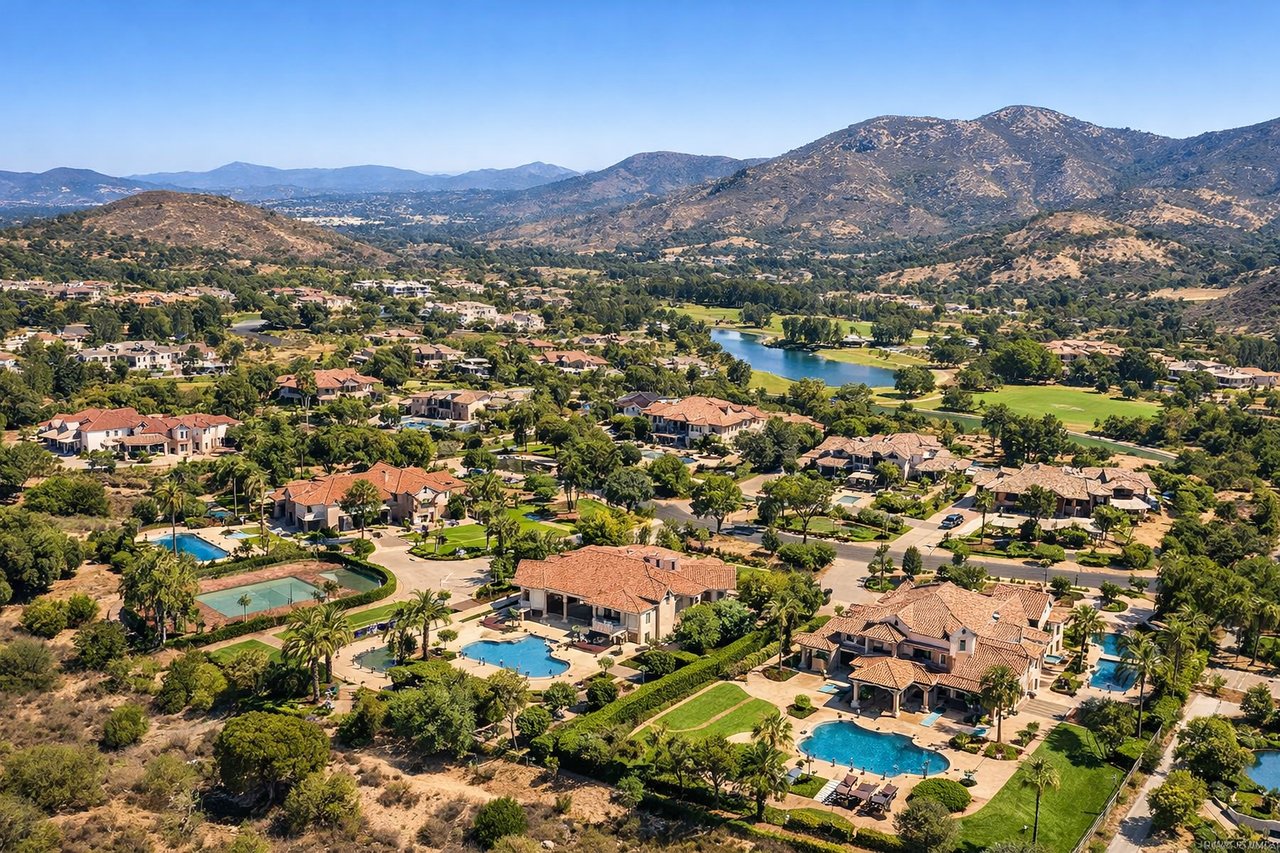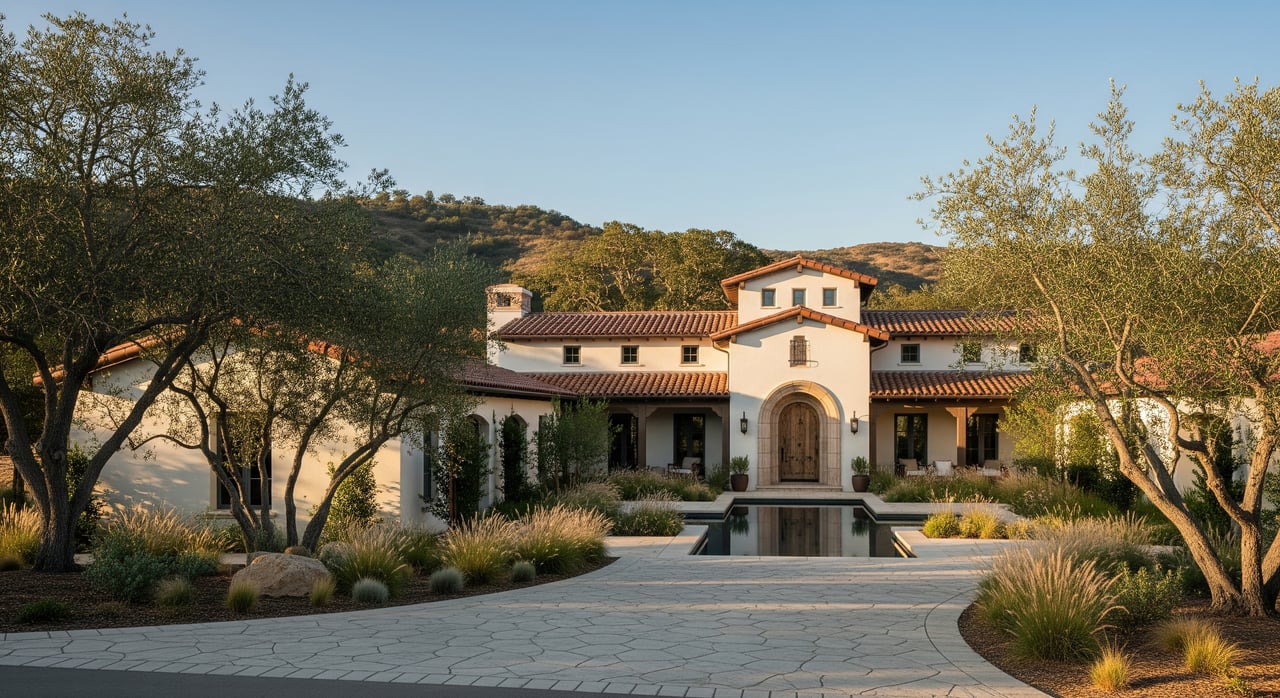
Thinking about moving your horse from La Jolla to Rancho Santa Fe and not sure where to start? You are not alone. Between transport paperwork, boarding options, and trail access rules, there are a lot of moving parts. This guide walks you through each step so you can relocate with confidence, keep your horse safe, and settle into RSF’s equestrian lifestyle. Let’s dive in.
Plan your RSF move
A smooth relocation starts with a plan. RSF and surrounding North County neighborhoods are equestrian friendly, but each property and community has its own rules. If you prepare early, you avoid surprises and keep your horse’s routine steady.
Confirm property and zoning
Before you move a horse onto a new property, confirm in writing that horses are allowed and how many. Review HOA or Covenant documents, and verify zoning with San Diego County Planning and Development Services. Ask about barn or shed rules, setbacks, water and septic considerations, manure storage, and any design approvals.
Choose timing and season
Southern California offers year-round riding, but summer brings drought and wildfire risk. Plan your move and boarding contracts with the season in mind. Consider hay supply and turnout schedules, and have a backup boarding plan if fire weather or road closures affect timing.
Line up local providers
RSF and greater San Diego offer many equine vets, farriers, feed suppliers, and experienced haulers. Confirm capacity and response times before you arrive. Line up at least one nearby boarding facility as a temporary or backup option while you get settled.
Transport and paperwork
Transport is about preparation. Handle health records, select a qualified hauler, and get your trailer and horse ready. That keeps stress low on travel day.
Health certificates and Coggins
If you are moving across state lines, most carriers require a current certificate of veterinary inspection issued within a set timeframe and a negative Coggins test. For moves within California, requirements vary by facility. Many boarding barns ask for a recent negative Coggins and proof of vaccination. Bring printed and digital copies of health records, vaccination history, and ownership documents.
Pick a qualified hauler
For long distances or multiple horses, consider a professional carrier with proper insurance, DOT and MC credentials, and strong references. Ask about stop frequency, stall partitioning, ventilation, bedding, and contingency plans. For local moves within San Diego County, an experienced hauler who knows coastal grades and neighborhood access rules can make delivery smoother.
Trailer and horse prep
- Check trailer safety: lights, brakes, floor mats, ramp or step, and ventilation.
- Fit matters: confirm head clearance and partitions. Practice short trips if your horse is new to hauling.
- Keep feed consistent: haul familiar hay and plan water stops. Ask your vet about electrolytes if traveling in heat.
- Organize documents and contacts: keep your vet, hauler, and receiving facility numbers in one folder.
Travel-day checklist
Coordinate an arrival window with your barn or property. Avoid late-night deliveries when possible. On arrival, inspect your horse for cuts, swelling, or dehydration and monitor closely. Ask ahead about quarantine or isolation procedures in case the barn requires a short observation period.
Costs and timing
Distance, season, number of horses, overnight stops, and trailer type drive cost. Book early for spring and summer. Build in extra time for potential road closures due to fires or storms and confirm your hauler’s backup plan.
Boarding near Rancho Santa Fe
You have options, from full-care facilities to smaller paddock barns. Decide what fits your routine, budget, and training goals.
Boarding models explained
- Full board: daily feeding, stall cleaning, turnout, and basic monitoring. Good for busy owners.
- Partial or standard board: barn handles the basics and you cover selected tasks like special conditioning.
- Pasture or paddock board: more turnout, fewer stall hours, and lower cost. Fit depends on your horse and pasture quality.
- Training or lesson barns: include training programs and may have specific use rules and fees.
- Short-term or layover board: helpful during move-in gaps or while you finalize property approvals.
What to expect in RSF barns
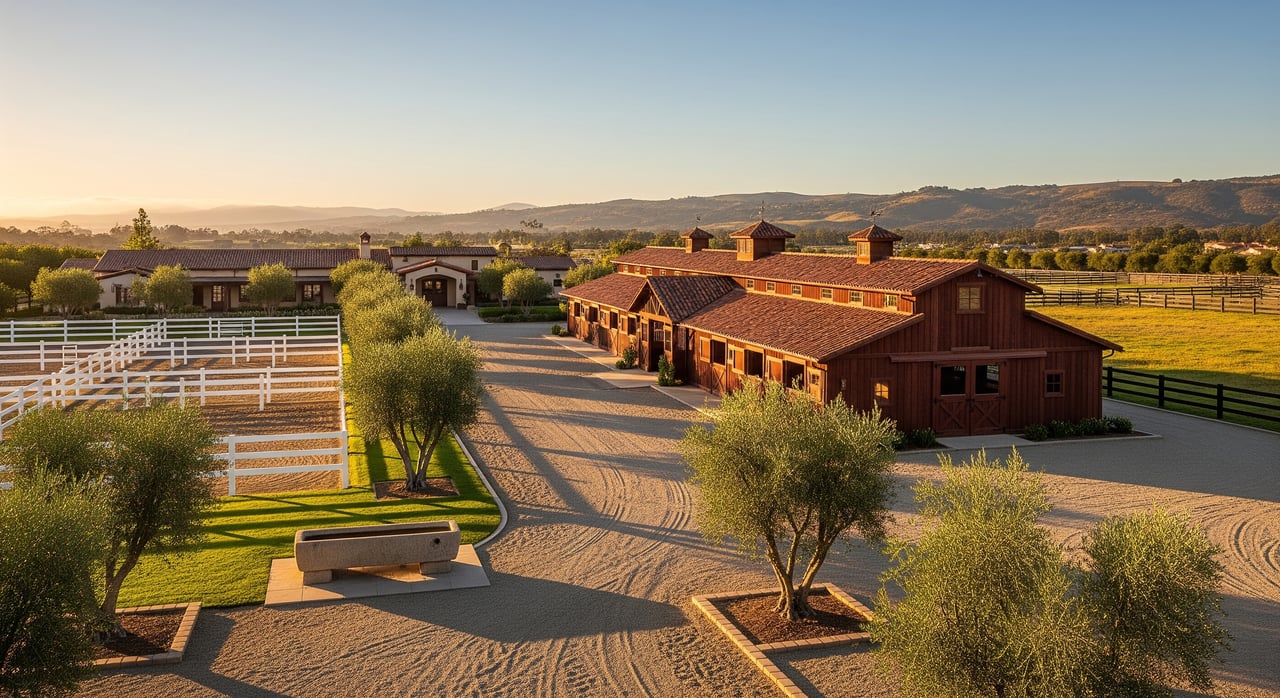
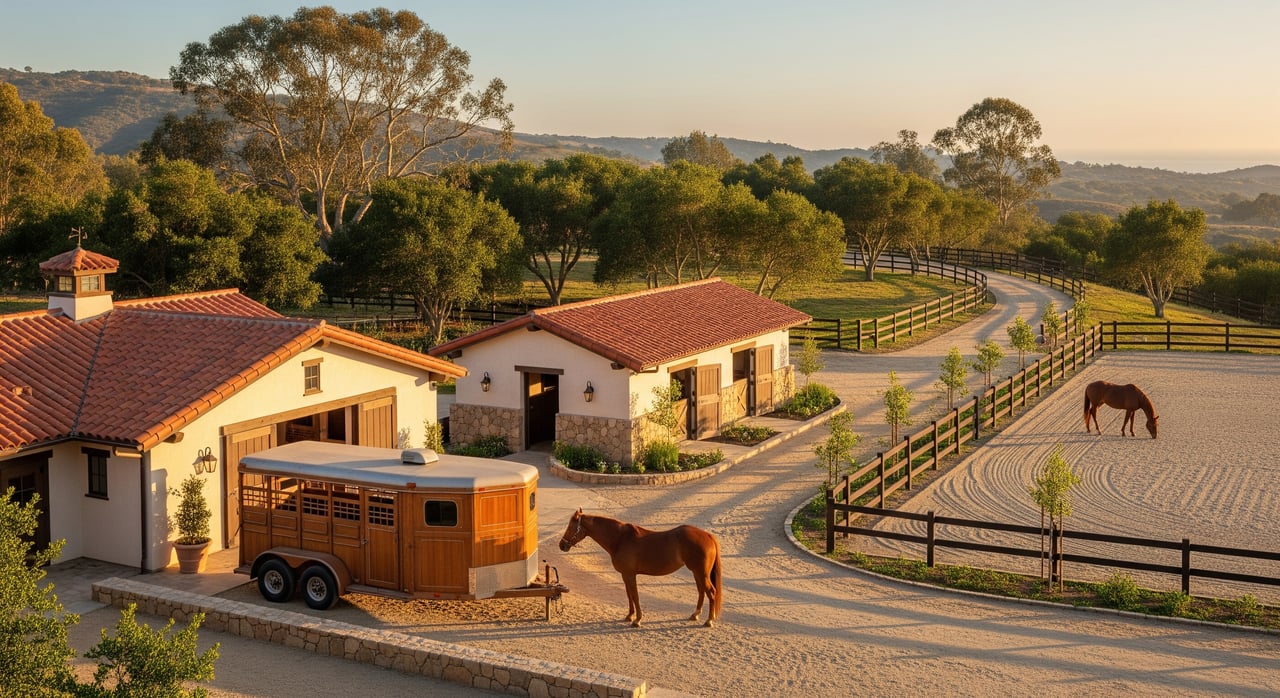
Many RSF-area facilities offer well-maintained arenas, round pens, turnout paddocks, secure tack rooms, wash racks, trailer parking, and lighting. Stall sizes often range from 10×10 to 12×12. Ask about hay sources and storage practices given coastal moisture, and clarify manure handling since some communities have specific rules. If the facility is inside a gated neighborhood, confirm visitor policies and large-vehicle access.
How to evaluate a facility
- Walk every aisle and watch a feeding or turnout to gauge consistency and care.
- Ask about staffing levels, emergency protocols, and owner communication.
- Review the feed program, turnout schedule, and flexibility for special diets or medications.
- Confirm vet and farrier access, emergency care policies, and who authorizes treatment.
- Understand the fee structure, contract terms, and extras like blanketing or medication administration.
- Request references from current boarders and check for recurring themes in recent feedback.
Local logistics that matter
Pick a barn close to your RSF or La Jolla home for easier daily visits and faster vet or farrier access. If your property needs permits or construction, secure temporary boarding in advance and confirm trailer parking and quarantine rules. Some barns may require proof of equine liability or homeowner insurance, so have documentation ready.
Trails and riding access
RSF offers a blend of private and public riding options, but access varies. Always confirm rules before you ride.
Where you can ride
- Private or HOA trail systems: Many RSF Covenant areas preserve internal trail networks. Access is typically limited to residents and permitted users. Check with your HOA or the Rancho Santa Fe Association for maps and rules.
- Regional preserves: San Diego County parks and preserves may allow horses on designated trails with specific parking areas. Others restrict equestrian use to protect habitat. Review current maps before planning a ride.
- Beach access: Horse access to beaches is limited or seasonal in many municipalities. Verify local policies before heading out.
- Riding clubs and equestrian parks: Local clubs often share trail updates and organize maintenance and meetups.
Trail etiquette
- Yield correctly: Follow posted yielding rules on multi-use trails. Riders should control their horses and communicate clearly.
- Announce and slow: Approach others slowly, say hello, and coordinate safe passing. Ask owners to control dogs when needed.
- Space and group size: Keep groups small on single-track and leave room between horses.
- Pack it out: Remove manure near trailheads and parking areas, and dispose of bagged waste where required.
- Protect the trail: Avoid riding on saturated or muddy paths to prevent damage and closures.
- Respect property: Stay on marked trails and do not cross private land without permission.
Get current trail info
Check the Rancho Santa Fe Association or your HOA for internal trail rules and maps. For public preserves, review regional park authorities for equestrian access details. Barn managers and local clubs are great for real-time conditions and closures.
Wildfire and emergencies
Wildfire preparedness is part of responsible horse ownership in RSF and La Jolla. A clear plan protects your animals and your property.
Evacuation planning
Keep health certificates, Coggins results if required, ownership papers, and photos of IDs in a waterproof folder and in cloud storage. Build a go-bag for each horse with halter, lead, leg wraps, feed and hay for 24 to 72 hours, water buckets, basic first aid, medications, and a recent photo of your horse. Keep your tow vehicle fueled and your trailer in ready condition. Identify two exit routes, assign helpers, and know the large-animal evacuation centers that may open during major events.
Local emergency contacts
Save numbers for the Rancho Santa Fe Fire Protection District or San Diego County Fire for neighborhood risk and evacuation notices. Follow the San Diego County Office of Emergency Services for county-level alerts and shelter information. Contact County Animal Services or Agriculture for large-animal guidance, and make connections with local equine vets, 24/7 clinics, and rescue networks before you need them.
On-property safety
Maintain defensible space around barns and feed storage according to local codes. Store hay away from ignition sources and in fire-resistant areas. Ensure backup water access, clear driveways for emergency vehicles, and practice power shutoff plans. Review your homeowner and equine insurance for evacuation, medical, and loss coverage.
Quick checklists
Use these concise lists to organize your move and reduce stress on you and your horse.
Pre-move checklist
- Confirm in writing that your property allows horses and how many.
- Review HOA or Covenant rules and county zoning for structures and setbacks.
- Select a local vet and farrier and schedule first visits.
- Book an experienced hauler and confirm credentials and route.
- Gather health records, vaccination history, ownership documents, and recent photos.
- Secure temporary boarding as a backup and confirm quarantine rules.
Hauler interview checklist
- Insurance details for liability and cargo.
- DOT and MC numbers for interstate carriers, and maintenance records.
- Stop schedule, overnight plan, and stall configurations.
- Ventilation, bedding policies, feed and water planning.
- Contingency plan for delays, closures, or emergencies.
- Experience delivering to RSF and coastal neighborhoods.
Boarding evaluation checklist
- Cleanliness, stall odor, and feed storage conditions.
- Staff ratios, experience, and 24/7 emergency protocols.
- Turnout schedules and pasture rotation practices.
- Feed program details and flexibility for special diets or meds.
- Vet and farrier access and emergency treatment authorization.
- Contract terms, fees for extras, and cancellation policy.
- References from current boarders and recent feedback patterns.
Evacuation go-bag checklist
- Health certificates, Coggins if required, ownership documents, and ID photos.
- Halter, lead, leg wraps, and basic first aid kit.
- Medications, labeled instructions, and dosage schedule.
- Feed and hay for 24 to 72 hours, water buckets, and electrolytes if advised.
- Trailer keys, spare tire, and a printed contact sheet for helpers.
Whether you are moving a single gelding from La Jolla or a small barn of mares and foals, a clear plan will make your RSF transition safer and calmer for everyone. If you want a senior-agent guide for the real estate side of your move, from property vetting to timing your sale and purchase with minimal disruption, connect with the local team that treats your timeline and logistics with care.
FAQs
What paperwork do I need for a horse move into RSF?
- Bring vaccination records, a recent negative Coggins if required by the receiving facility, and proof of ownership. Confirm specific requirements with your barn and county officials.
How do I choose a hauler familiar with RSF?
- Ask local barns and trainers for referrals, verify insurance and DOT or MC credentials, and request references that include deliveries to North County San Diego.
Are there public horse trails near Rancho Santa Fe?
- Yes, but access varies. Many trails are internal HOA systems with limited access, while some regional preserves allow horses on designated paths. Check current maps and rules before riding.
What if my RSF property needs a new barn?
- Contact San Diego County Planning and Development Services for permit requirements and coordinate early with your HOA or Covenant for design approvals.
Where can I board if my property is not ready?
- Arrange short-term boarding at a nearby facility and confirm availability, quarantine rules, and delivery logistics before your move.
How should I plan for wildfire evacuation with horses?
- Prepare go-bags, keep trailers and tow vehicles ready, map two evacuation routes, and know which local agencies and large-animal shelters may activate during emergencies.