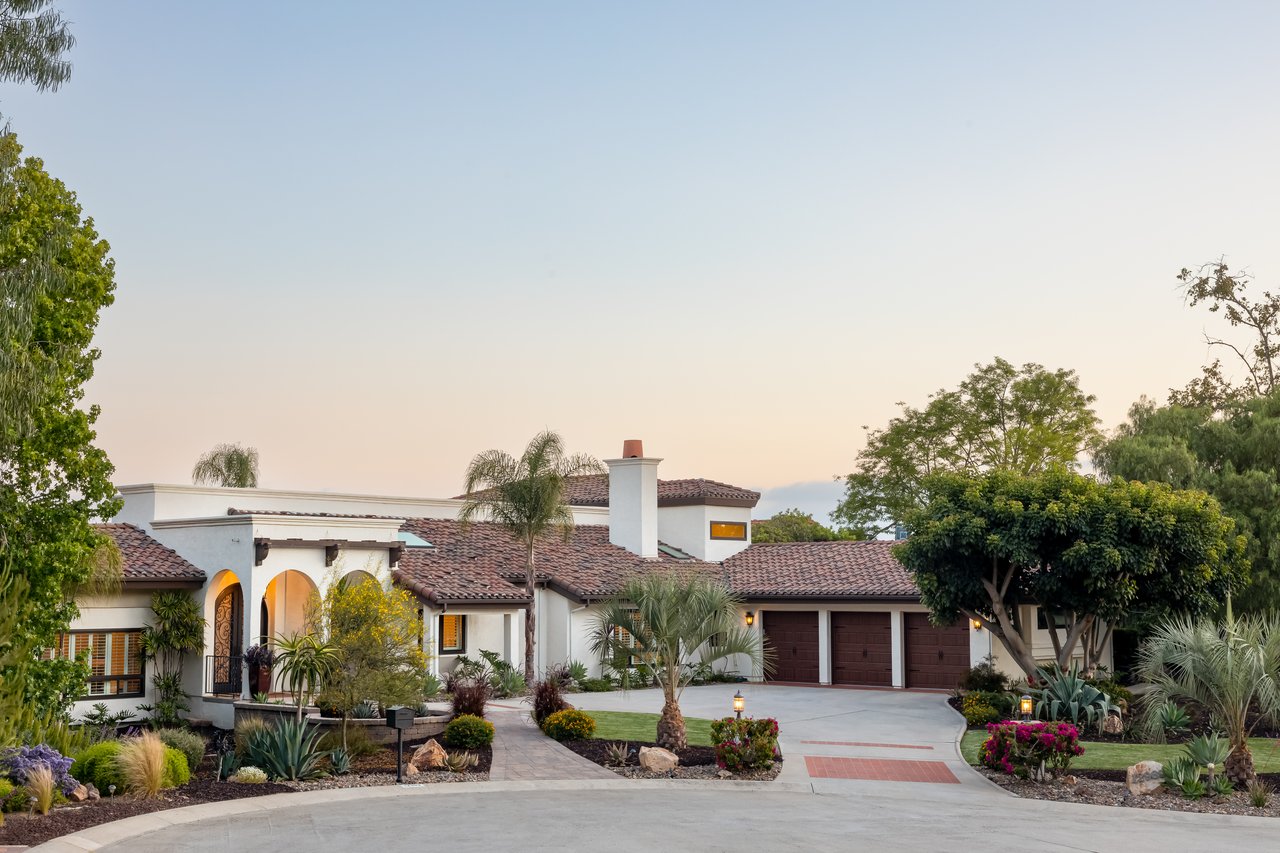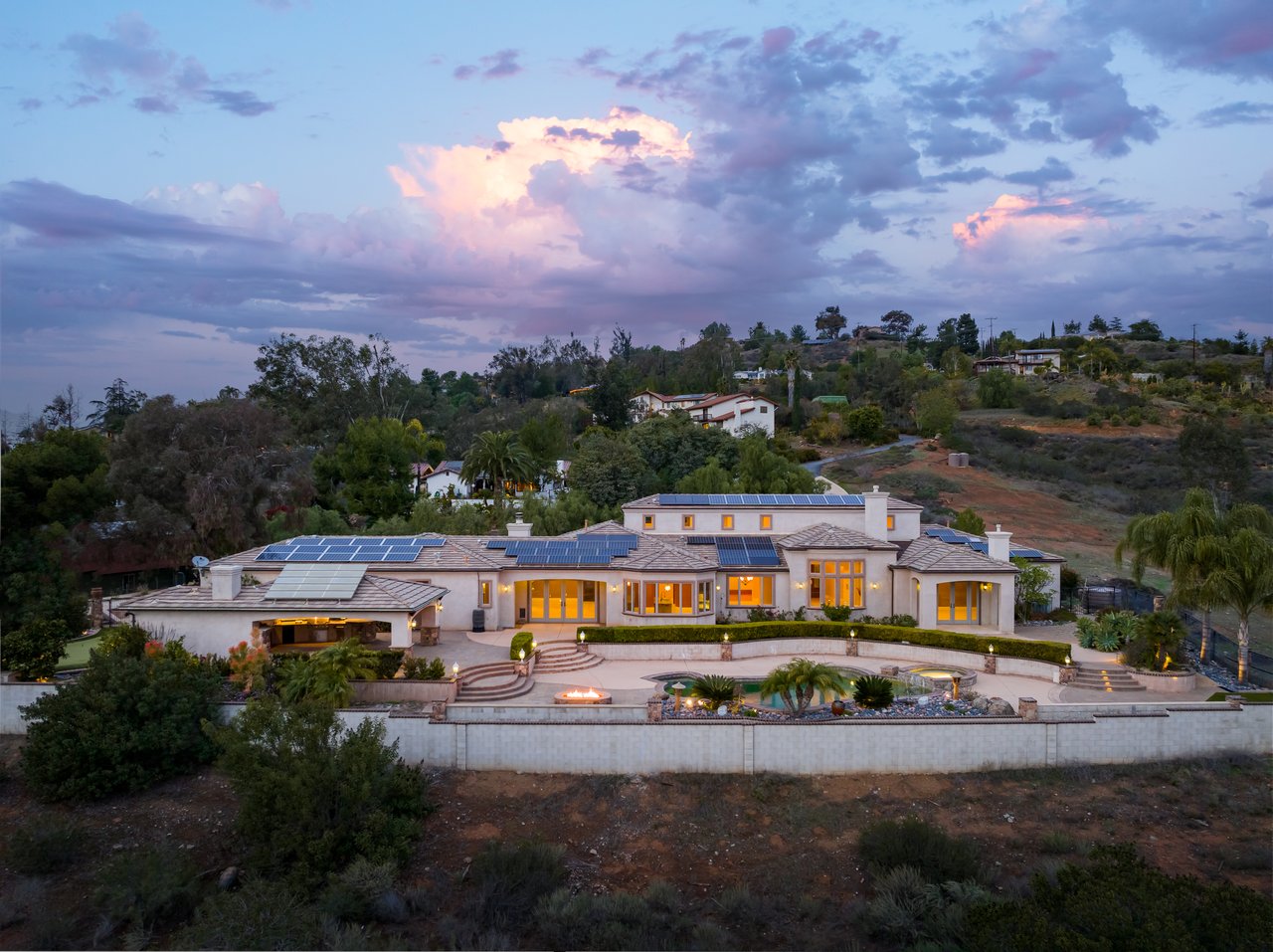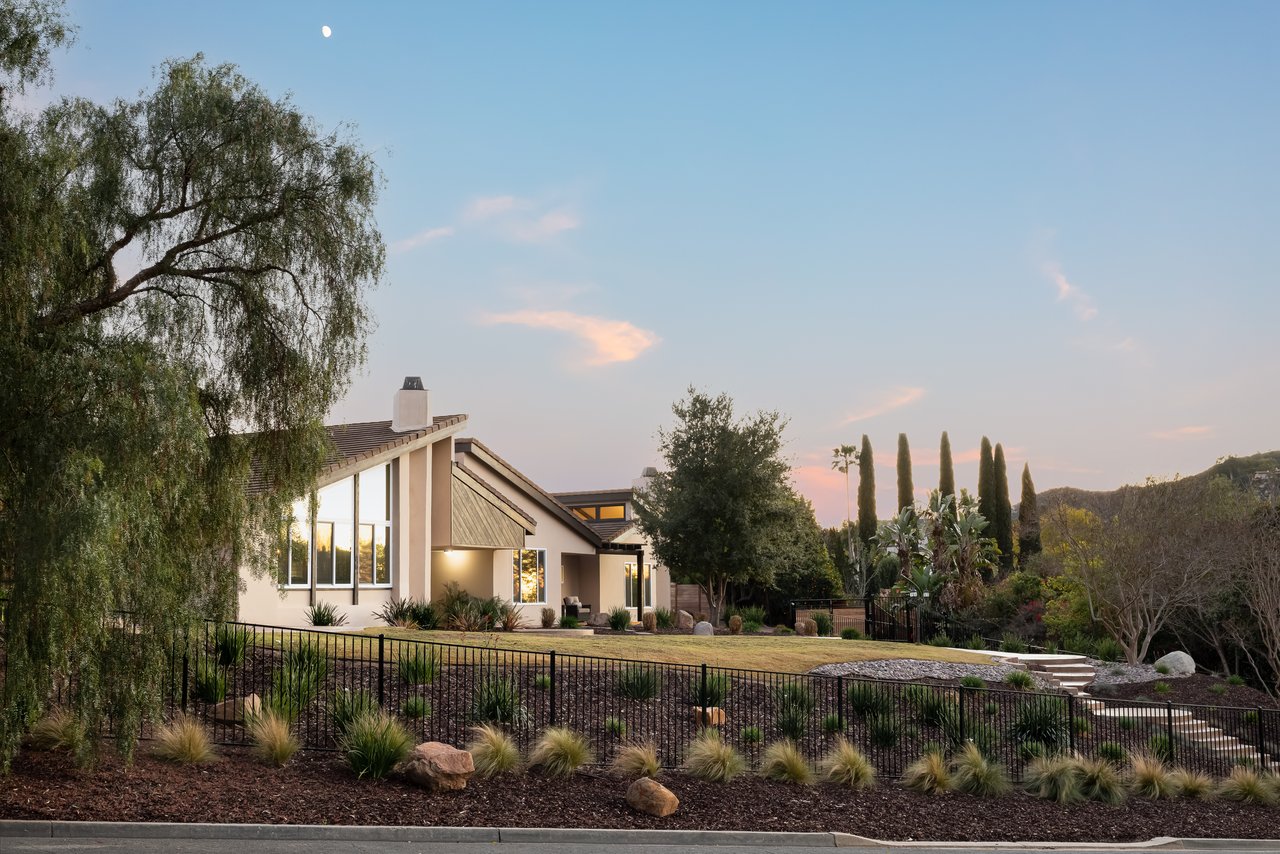
Pricing your Rancho Bernardo home is not about picking a number you hope for. It is about reading two very different ZIP codes, weighing months of supply, and matching your price to how buyers actually shop. If you want a smoother sale and stronger net proceeds, a disciplined, ZIP-specific plan will get you there. In this guide, you will learn how to price confidently in 92127 versus 92128, how to pick the right tactic for today’s inventory, and how presentation and launch timing support your number. Let’s dive in.
Quick market snapshot
Detached homes in 92128 carried a median sale price near $1.08M in February 2026, with about 34 days on market and roughly 1.6 months of supply, according to the local MLS LMU for Rancho Bernardo East. You can review that ZIP’s figures in the SDAR LMU for 92128 Rancho Bernardo East.
Detached homes in 92127 were materially higher, with a median near $2.1M, around 38 days on market, and about 1.9 months of supply as of February 2026. See the SDAR LMU for 92127 Rancho Bernardo West.
San Diego County overall still shows tight inventory compared with a balanced six-month supply, although more options are appearing than the tightest periods of 2020 to 2023. County snapshots have months of supply often in the low single digits, which shapes how bold or conservative your list price should be in Rancho Bernardo. For context, see the San Diego Association of REALTORS overview on county inventory and pricing.
Third-party portals may show different medians or price-per-square-foot figures depending on the time window and methodology. Use the MLS and the SDAR LMU as your anchor, then refine with a neighborhood-level CMA.
Why ZIP and micro-areas matter
Rancho Bernardo is commonly segmented by I-15 into 92127 on the west side and 92128 on the east side. The gap in median prices between these ZIPs is large, so pulling comps across them without careful adjustments can mislead you. Start with the ZIP, then narrow to the subdivision and block to capture the right buyer pool.
Buyers also focus on subdivisions, school boundaries, lot position and views, amenity differences such as HOA offerings, and construction era and floor plan. These factors create distinct price bands inside each ZIP. Treat them as key filters when selecting comps.
Segment by property type as well. Attached homes like condos and townhomes typically trade at different medians and buyer expectations than detached homes. Do not mix them in a single pricing set.
Finally, remember that month-to-month changes in LMU reports can look sharp when sample sizes are small. Emphasize rolling or year-to-date context and use caution when citing short-term swings. You can reference ZIP-level notes in the SDAR LMUs for 92127 and 92128.
Build your price: a 7-step plan
1) Pull the right data first
Start with the SDAR LMU for your ZIP to set baseline medians, days on market, and months of supply. Then pull closed sales from the MLS for your subdivision and similar homes nearby. Closed sales are your primary anchors, and the LMU helps frame current market speed.
2) Create a tight comparable set
Aim for 3 to 6 closed comps that match your property type, size within about 10 to 15 percent, bed and bath count, lot and view, and level of updating. Prioritize the past 3 months when activity is healthy. If volume is thin, extend to 6 months, and document time adjustments.
Add 3 to 5 active and pending listings to map your immediate competition. Appraisers also expect evidence of market trends, so keep notes on the past 12 months of motion for context.
3) Adjust methodically and document
Adjust for measurable differences such as square footage, baths, lot size, views, and permitted upgrades. If the market has moved since a comp closed, support any time adjustments with local trend data from the LMU or your MLS. Fannie Mae reminds appraisers to support time adjustments and to document market conditions, which is a useful standard for your file as well. See Fannie Mae’s Appraiser Update guidance.
4) Choose your pricing tactic
- Market pricing. List at the supported value for predictable interest and cleaner appraisals. This is a fit when inventory and demand feel balanced for your price band.
- Mild underpricing. List about 1 to 3 percent below your supported value to create urgency and invite multiple offers when your home is broadly appealing and inventory is tight. Combine with strong marketing, a clear offer review window, and pre-approval requirements.
- Aspirational pricing. List above comps only if your property is truly unique and comps are scarce. Expect longer days on market and a higher chance of a price reduction.
5) Price for search behavior
Many buyers filter in round-number brackets. Pricing just under a common threshold can increase search visibility and click-through. For example, $999,900 can show up in more buyer brackets than $1,000,000. Use this tactic to amplify a supported price, not to justify an unsupported one.
6) Launch with a 7 to 14 day plan
The first two weeks are your exposure window. Monitor showings, online views, and agent feedback daily. If you are aiming for competitive offers, set a clear review date and require proof of funds or lender pre-approvals so you can compare qualified offers efficiently.
7) Know your triggers for change
If activity lags neighborhood norms after the exposure window, make a meaningful reduction instead of a series of small cuts that can stigmatize a listing. Define triggers in advance, such as days on market exceeding the neighborhood average by a set percentage or too few qualified showings in the first 10 days.
Presentation that supports price
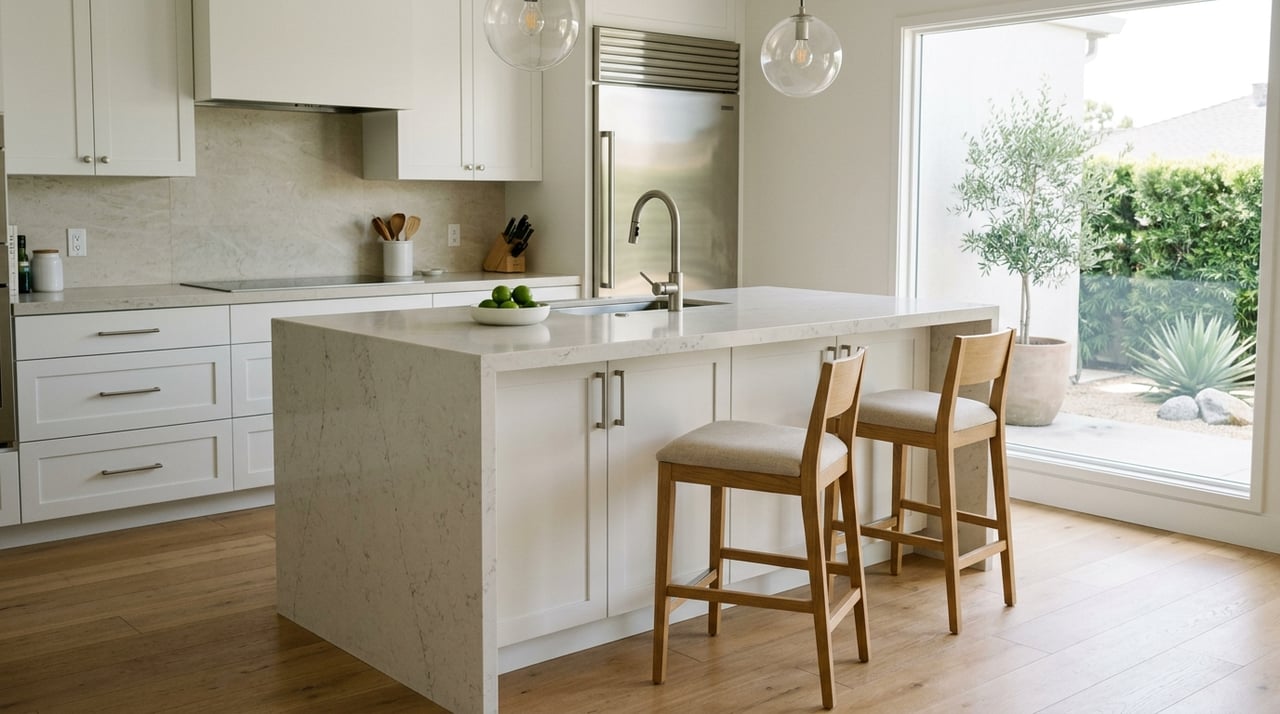
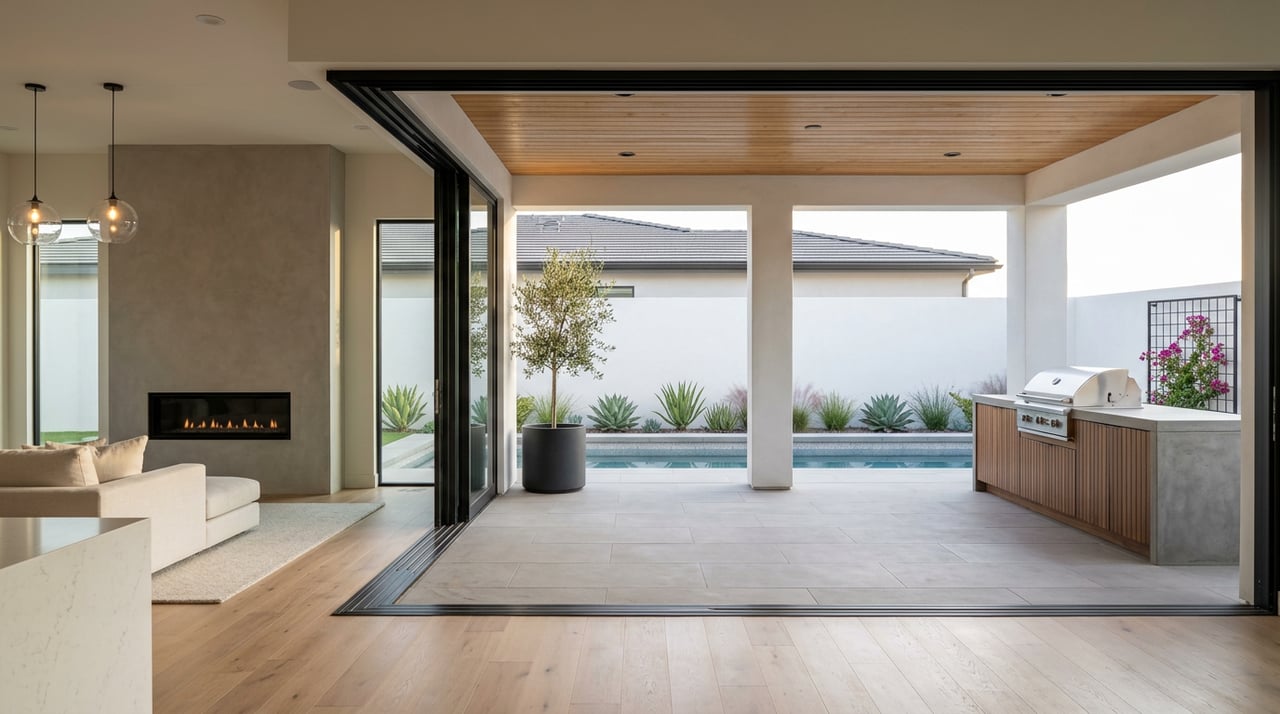
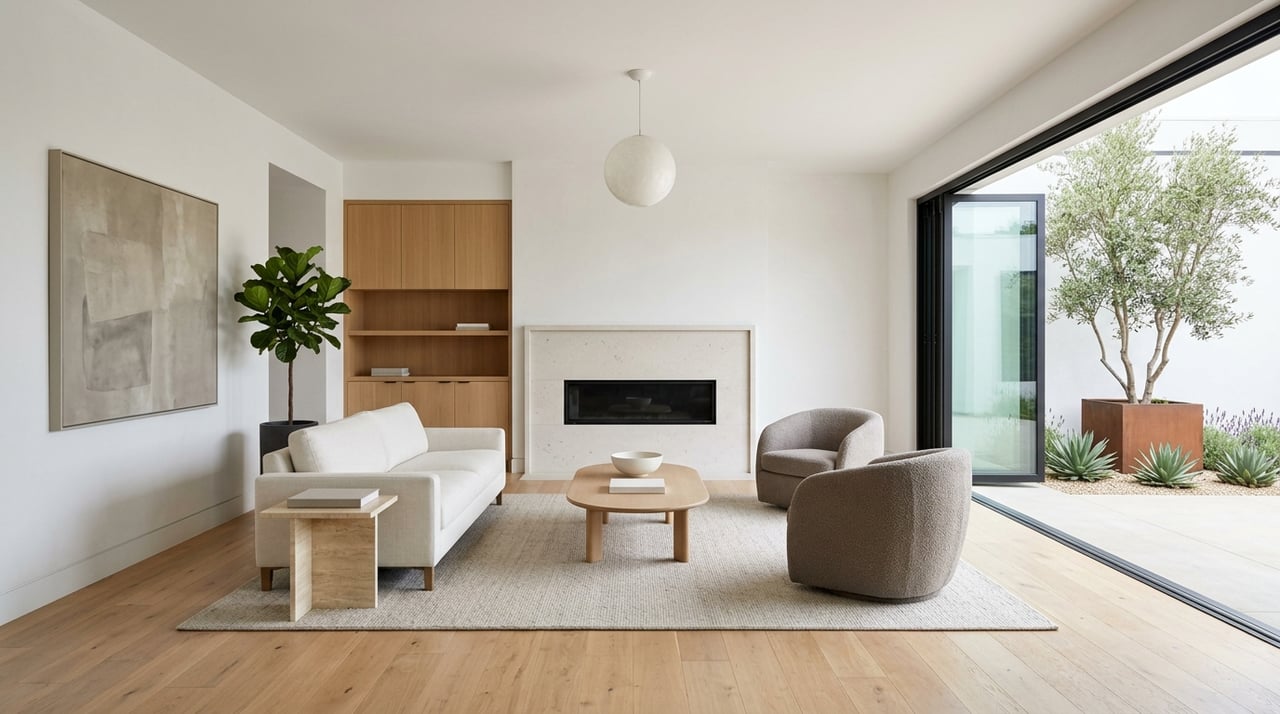
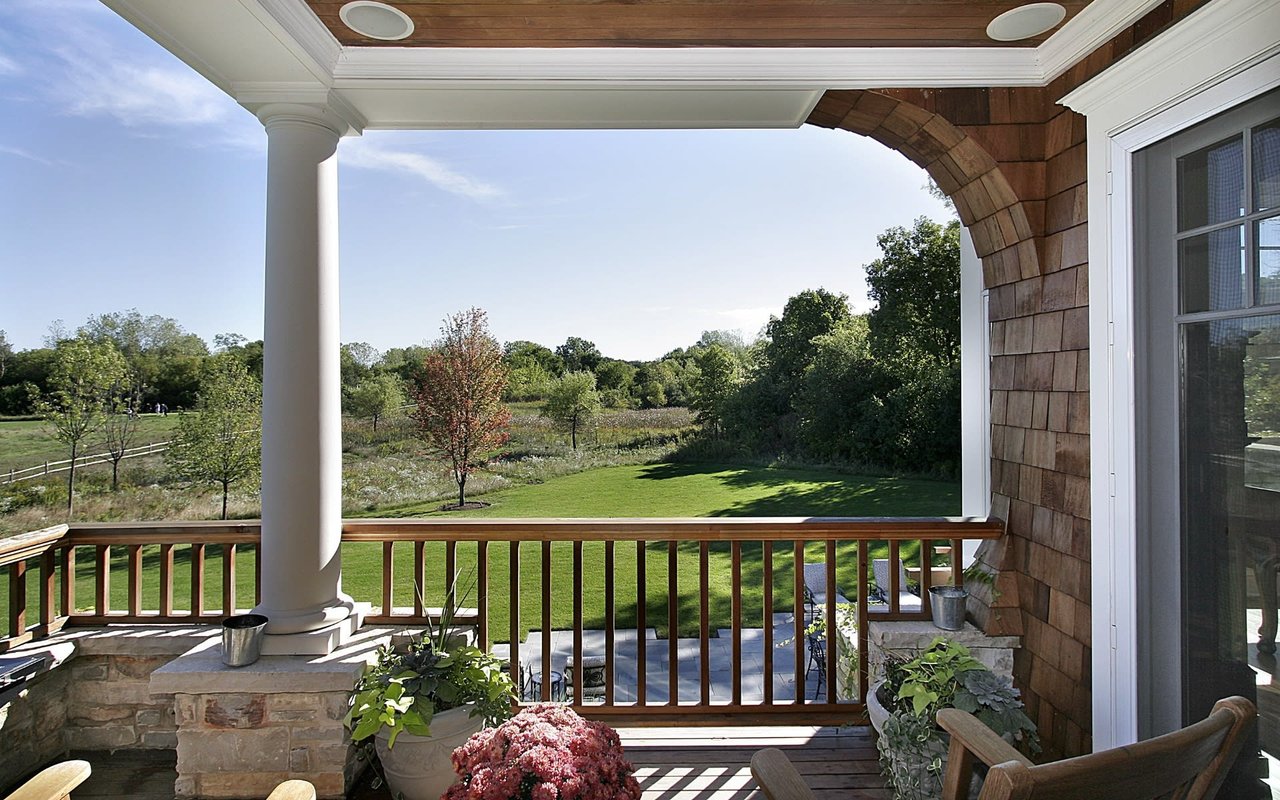
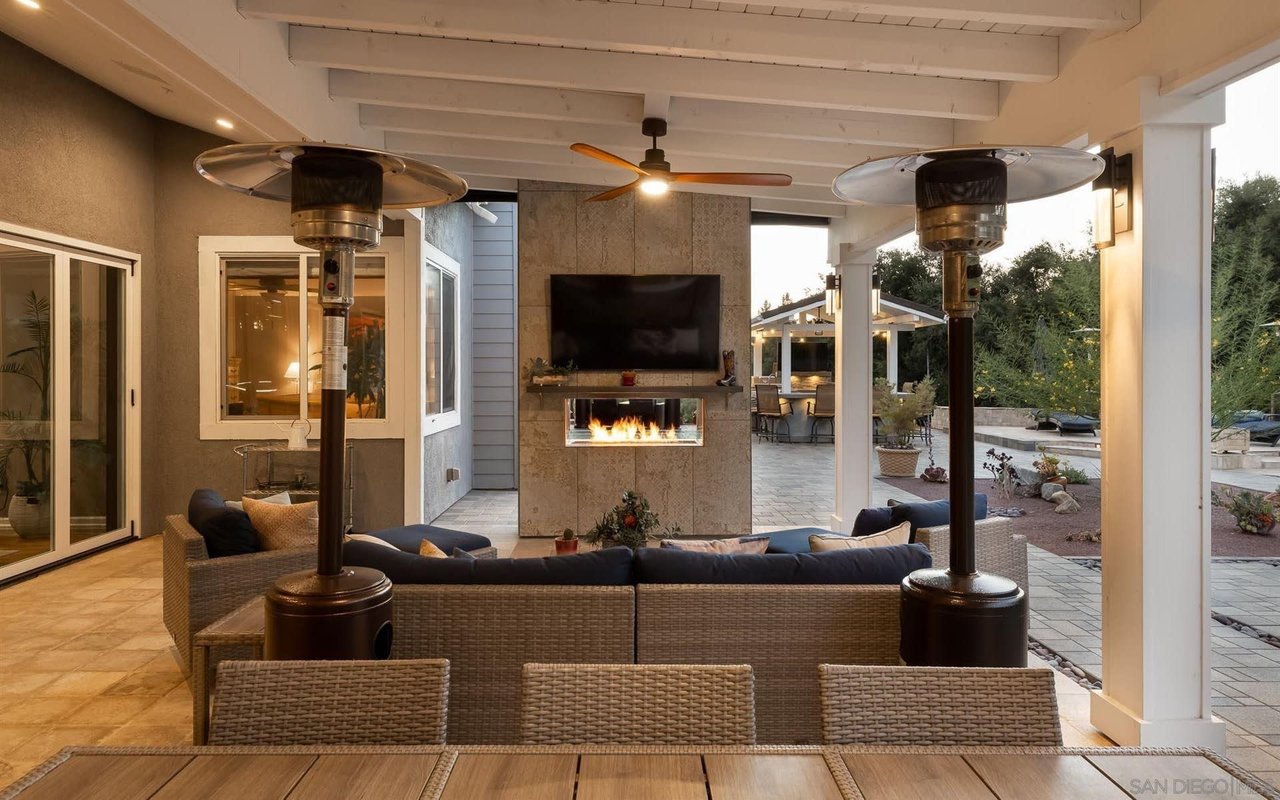
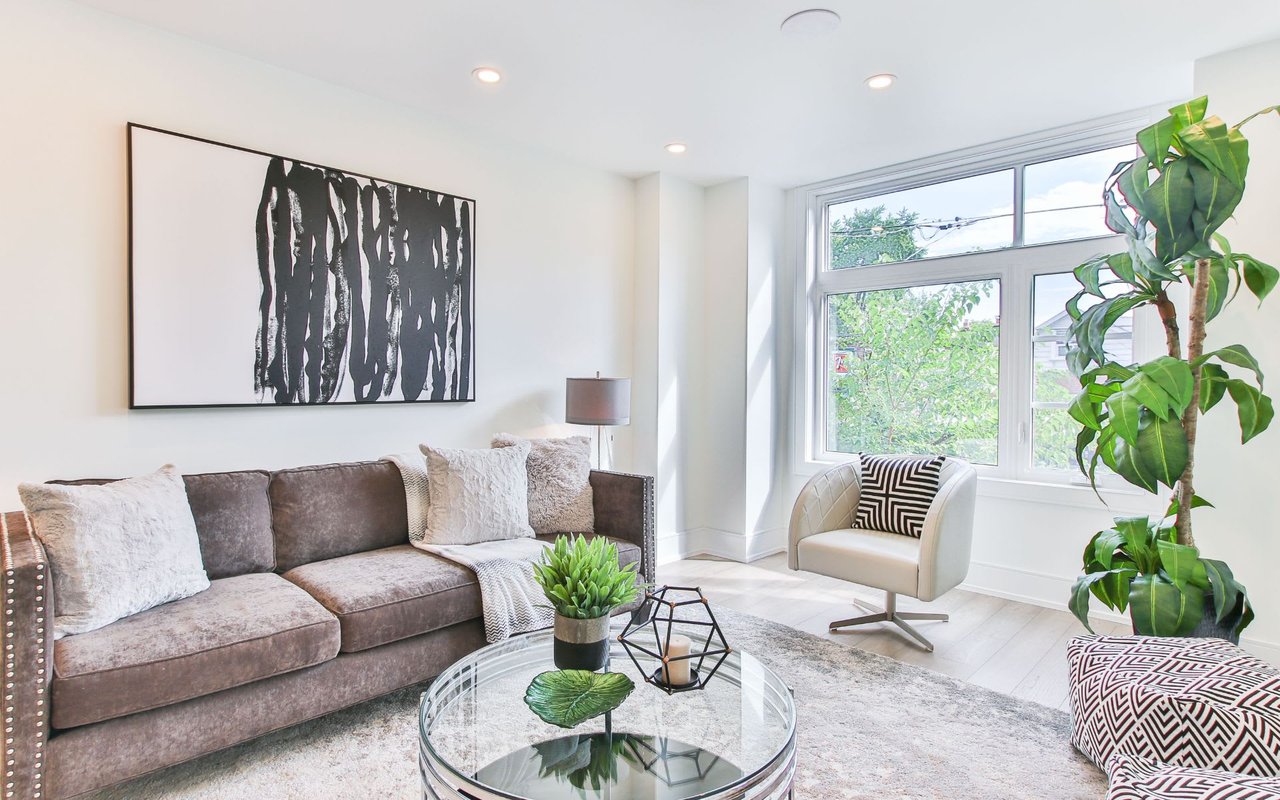
How your home shows will either validate or undercut your price. Staging helps buyers visualize and often shortens time on market. The National Association of REALTORS reports that staged homes commonly see higher engagement and faster sales. Learn more in NAR’s resource on the impact of staging. If full staging is not feasible, consider targeted staging or virtual staging for vacant rooms.
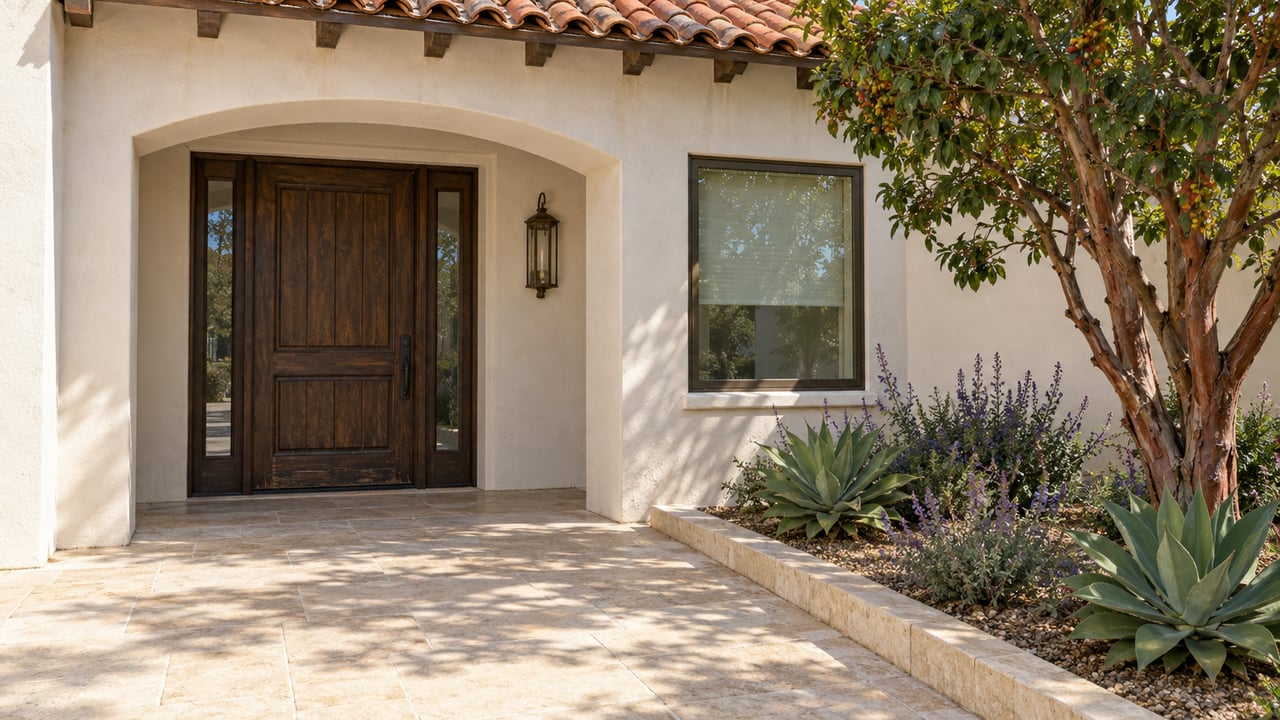
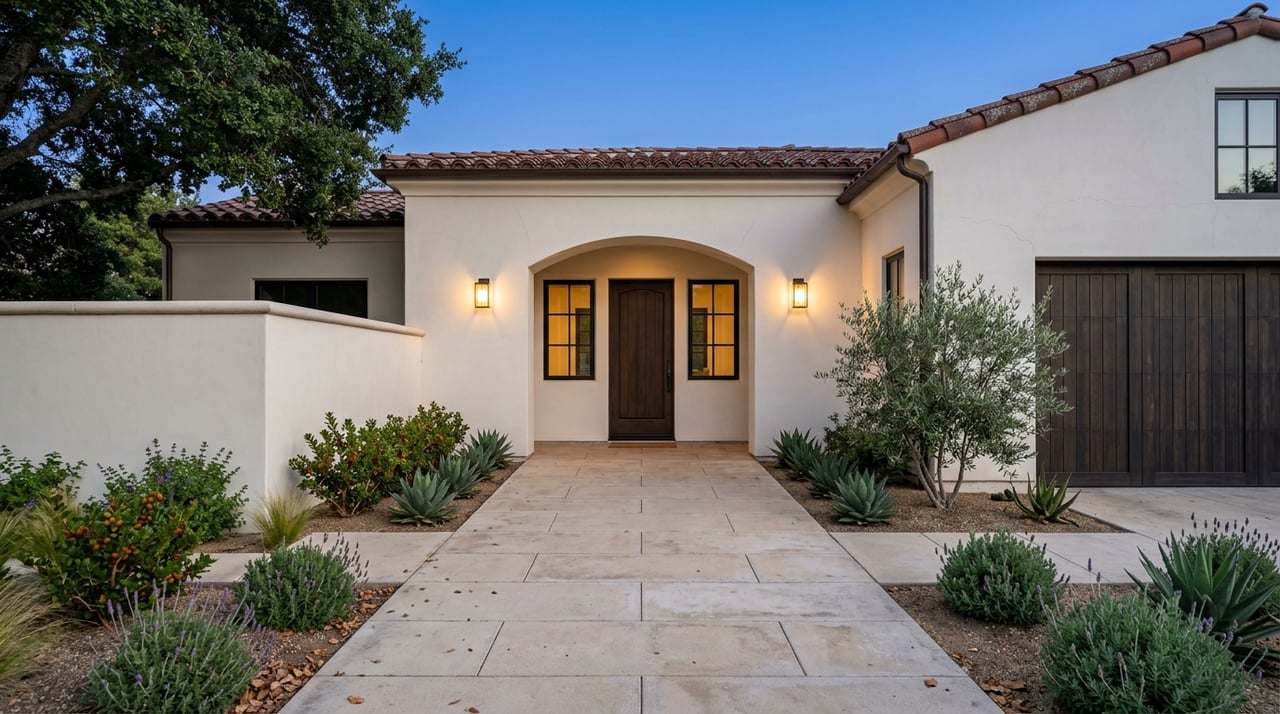
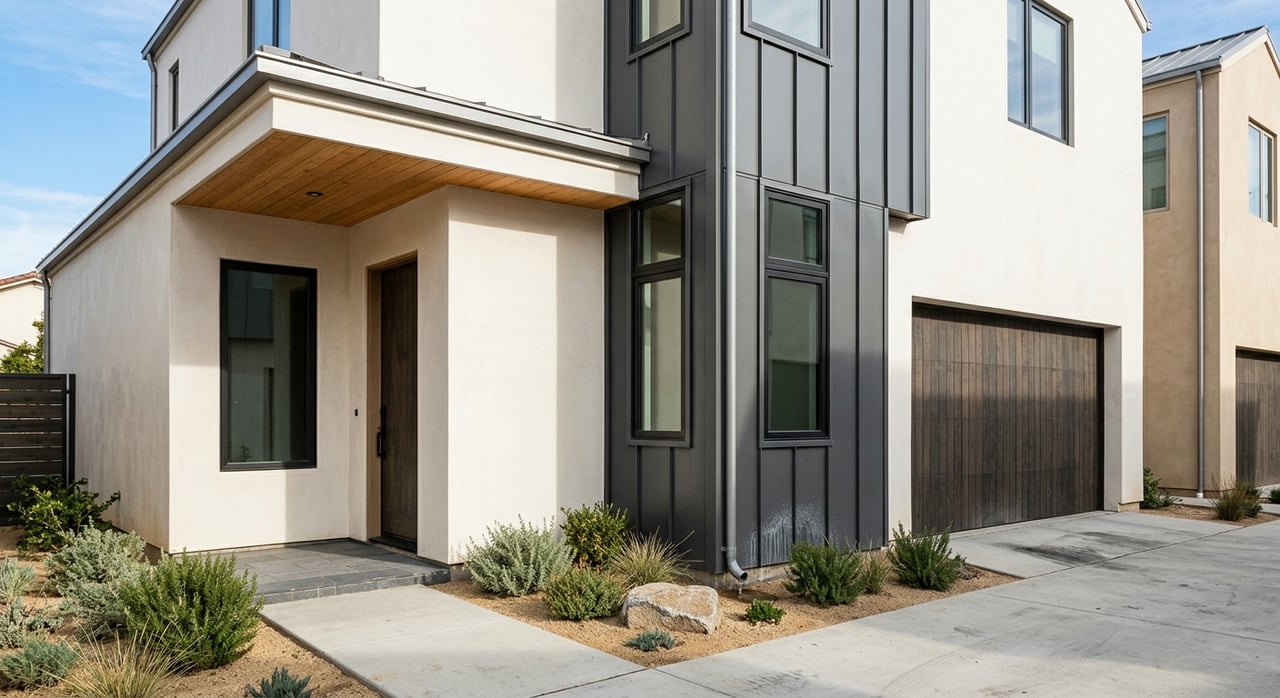
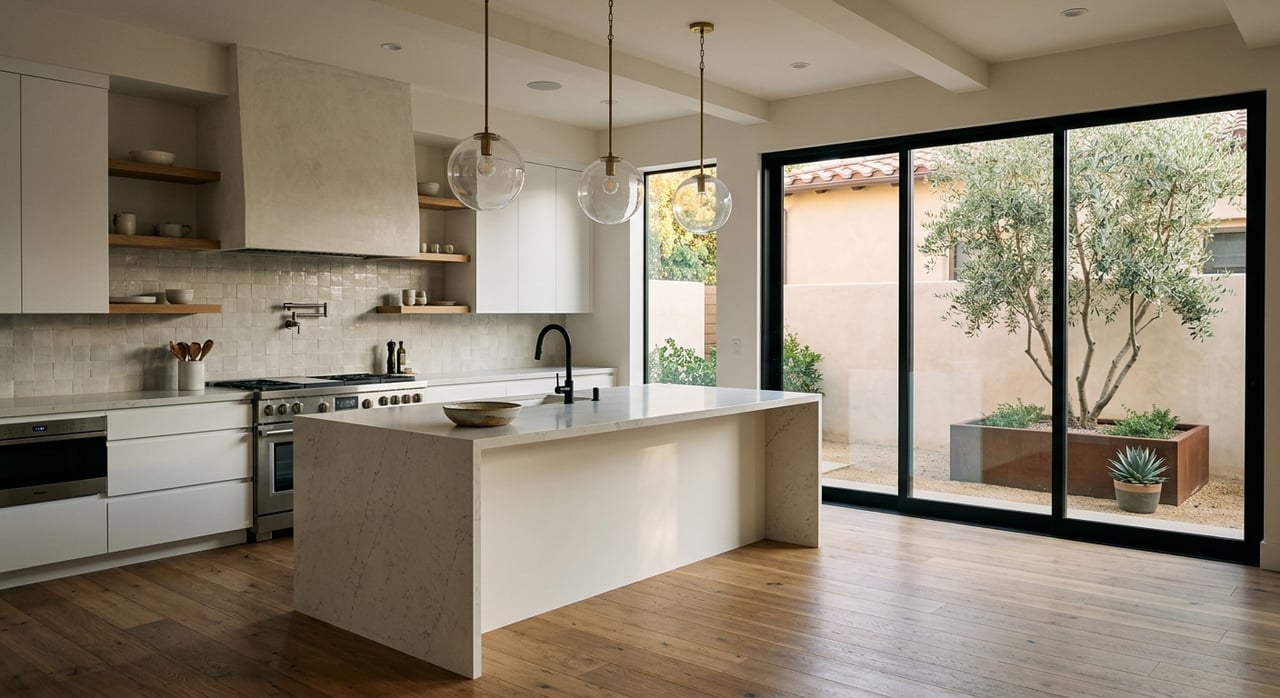
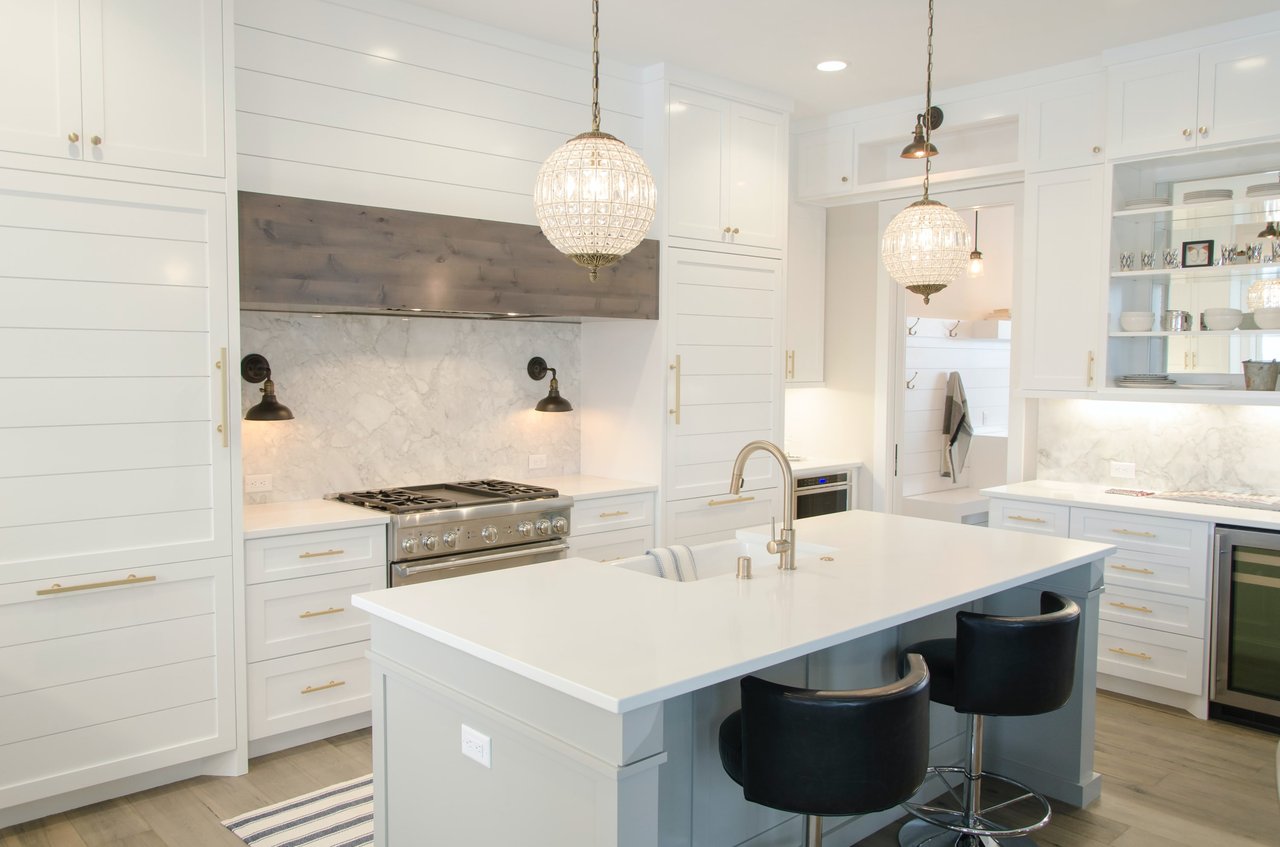
Small, high-return projects can also strengthen your list price. Regional Cost vs Value data for San Diego highlights lower-cost, high-recoup items like a garage or entry door replacement, a minor kitchen refresh, and selective exterior improvements. Review the San Diego section of the 2024 report for specifics on Cost vs Value in San Diego. Focus on curb appeal, visible deferred maintenance, and simple finishes that read clean in photos.
If you prefer a turnkey process, Peter Heines Homes can coordinate professional staging, top-tier photography, video, and 3D tours, and leverage Compass Concierge renovation funding to smooth prep and boost your market presentation. The goal is to launch as the best-looking option in your price band so your pricing tactic works as intended.
Appraisals and offer strategy
If bidding pushes your contract price above recent comps, expect appraisers to be conservative and buyers to ask about appraisal gap solutions. Prepare a package that documents your upgrades, permitted work, and relevant pending sales to support value. When time adjustments are needed, align with appraisal standards and document your logic. Fannie Mae’s appraisal guidance is a helpful reference for what underwriters will expect.
When comparing offers, look past the headline price. Weigh net proceeds, appraisal and loan contingencies, inspection terms, buyer qualification, and your ideal close timeline. A slightly lower cash offer with minimal contingencies can be stronger than a higher financed offer with risk on appraisal.
Pricing in 92127 vs 92128
In 92128, the detached median near $1.08M and a months supply around 1.6 suggest a market that can reward clean, market-based pricing, especially when your home is move-in ready and well presented. Mild underpricing can work for broadly appealing homes, but it should be paired with a firm launch plan and documentation for appraisal review.
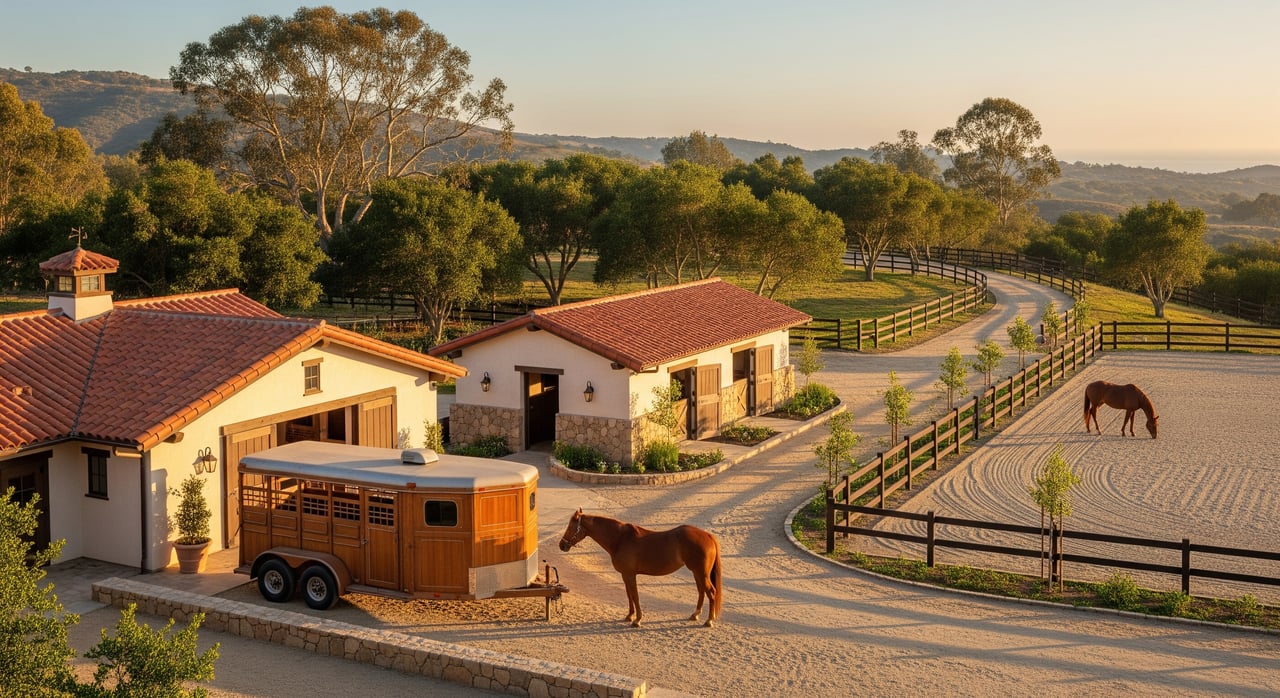
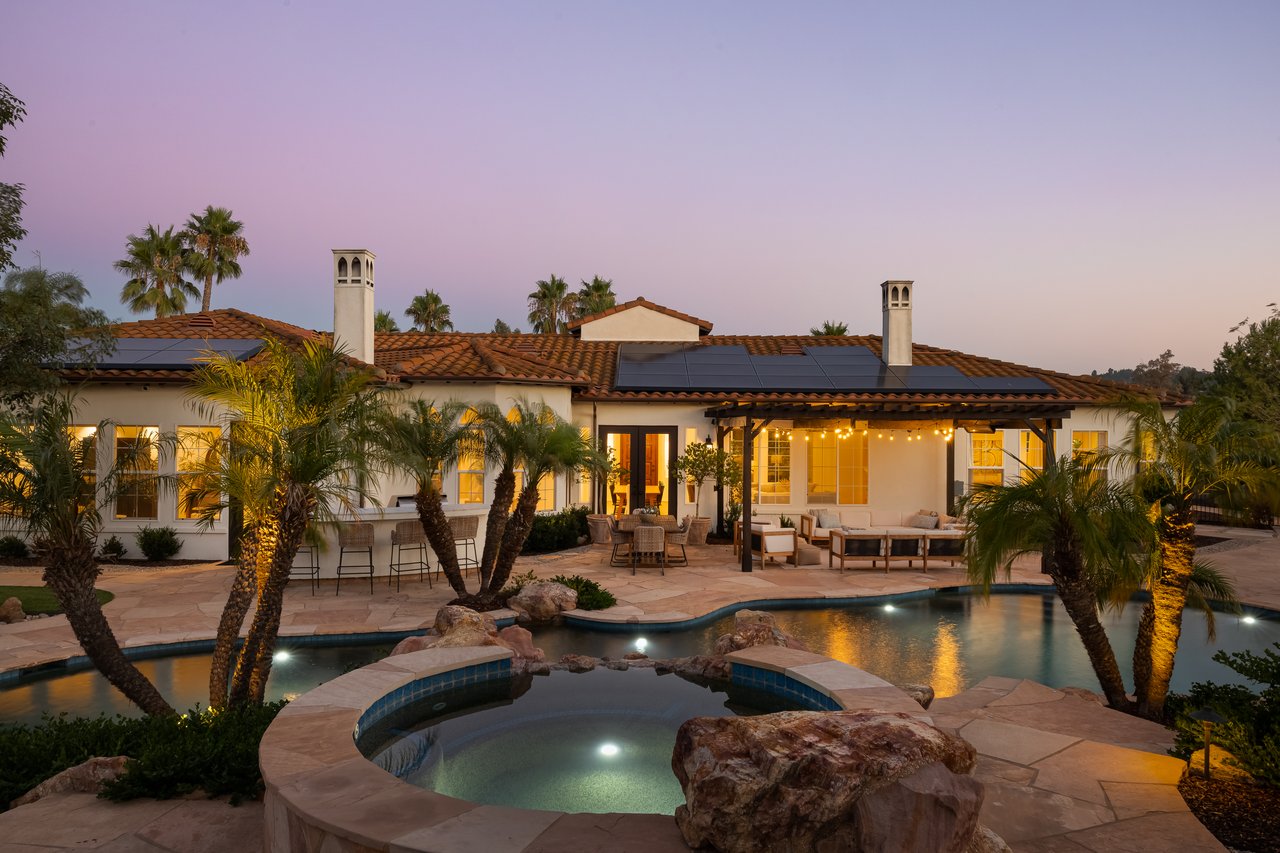
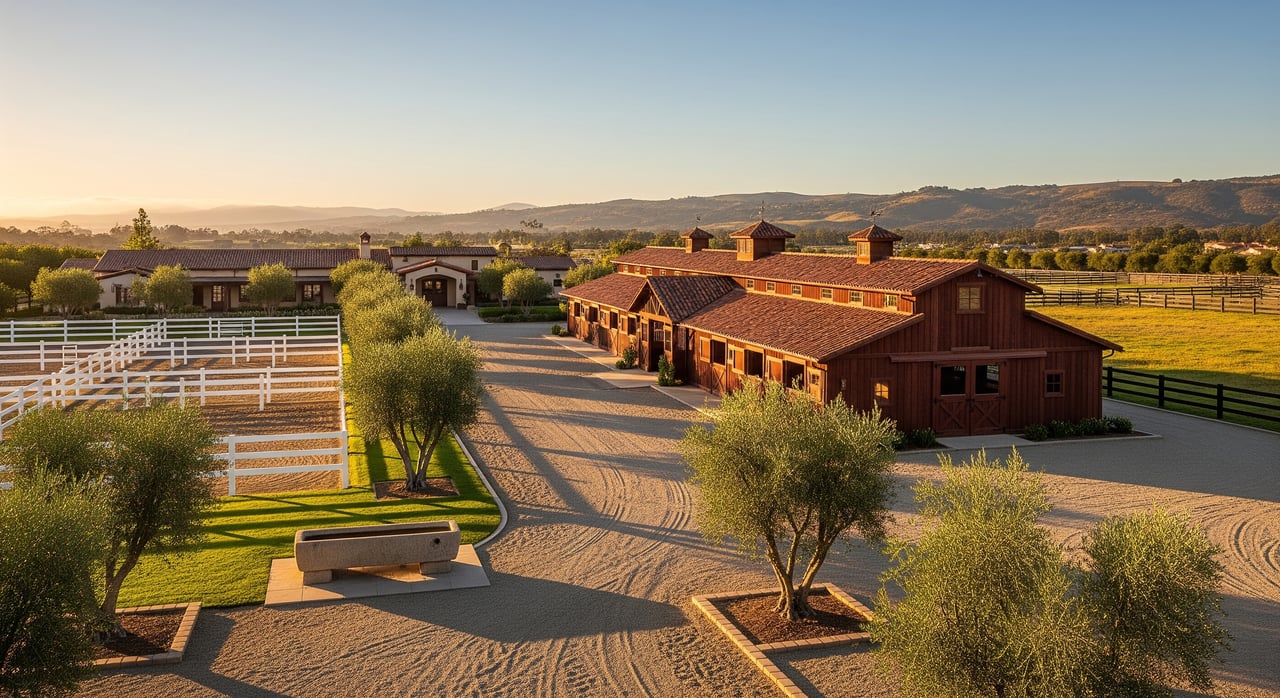
In 92127, where the detached median is closer to $2.1M and months supply hovers around 1.9, buyer pools are more segmented by micro-neighborhood, views, and lot attributes. Unique or view homes can justify aspirational asks, but the risk of longer days on market increases if comps are thin. A data-backed market price or a light underprice, combined with standout media and targeted outreach, often produces a cleaner outcome.
In both ZIPs, use attached vs detached segmentation and watch the first 7 to 14 days closely. If showings and qualified offers are well below neighborhood expectations, act promptly with a meaningful adjustment and a refreshed marketing push.
Your next move
A strong price is not a guess. It is a structured decision that blends local data, product positioning, and a sharp launch. If you want a pricing plan tailored to your address and your goals in 92127 or 92128, connect with a senior agent who will bring process, media, and negotiation under one roof. Start your plan with Peter Heines.
FAQs
How many comps should Rancho Bernardo sellers use?
- Target 3 to 6 recent closed comps plus 3 to 5 active or pending listings, with the last 3 months preferred when available. Extend the window if volume is thin and document any time adjustments with SDAR LMU or MLS data.
What is a smart list price tactic in low inventory?
- In tight submarkets, a mild underprice of about 1 to 3 percent can create urgency and attract multiple offers when your home is broadly appealing and well-marketed. Pair it with a defined offer review timeline and strong buyer pre-qualification.
How quickly should I adjust the price if activity is low in 92128 or 92127?
- Reassess after the first 7 to 14 days. If showings and qualified interest trail neighborhood norms, make a meaningful reduction and relaunch your marketing rather than making small, frequent cuts.
Will staging pay back in Rancho Bernardo?
- Staging and professional media generally increase buyer engagement and often reduce days on market. NAR data supports faster sales with staging, while your exact price impact depends on product, competition, and execution. See NAR’s overview on staging benefits.
How do appraisals affect an above-ask offer in this area?
- If the contract price exceeds recent comps, an appraiser may not support the number. Prepare upgrade documentation, pending comps, and time adjustments supported by local data. Review Fannie Mae’s appraisal guidance for standards.
Should I price by price per square foot alone in Rancho Bernardo?
- No. Price per square foot is only a starting reference. In 92127 vs 92128, subdivision, lot, views, updates, and amenities often drive significant variance. Build a comp set and adjust methodically to reach a supported range.