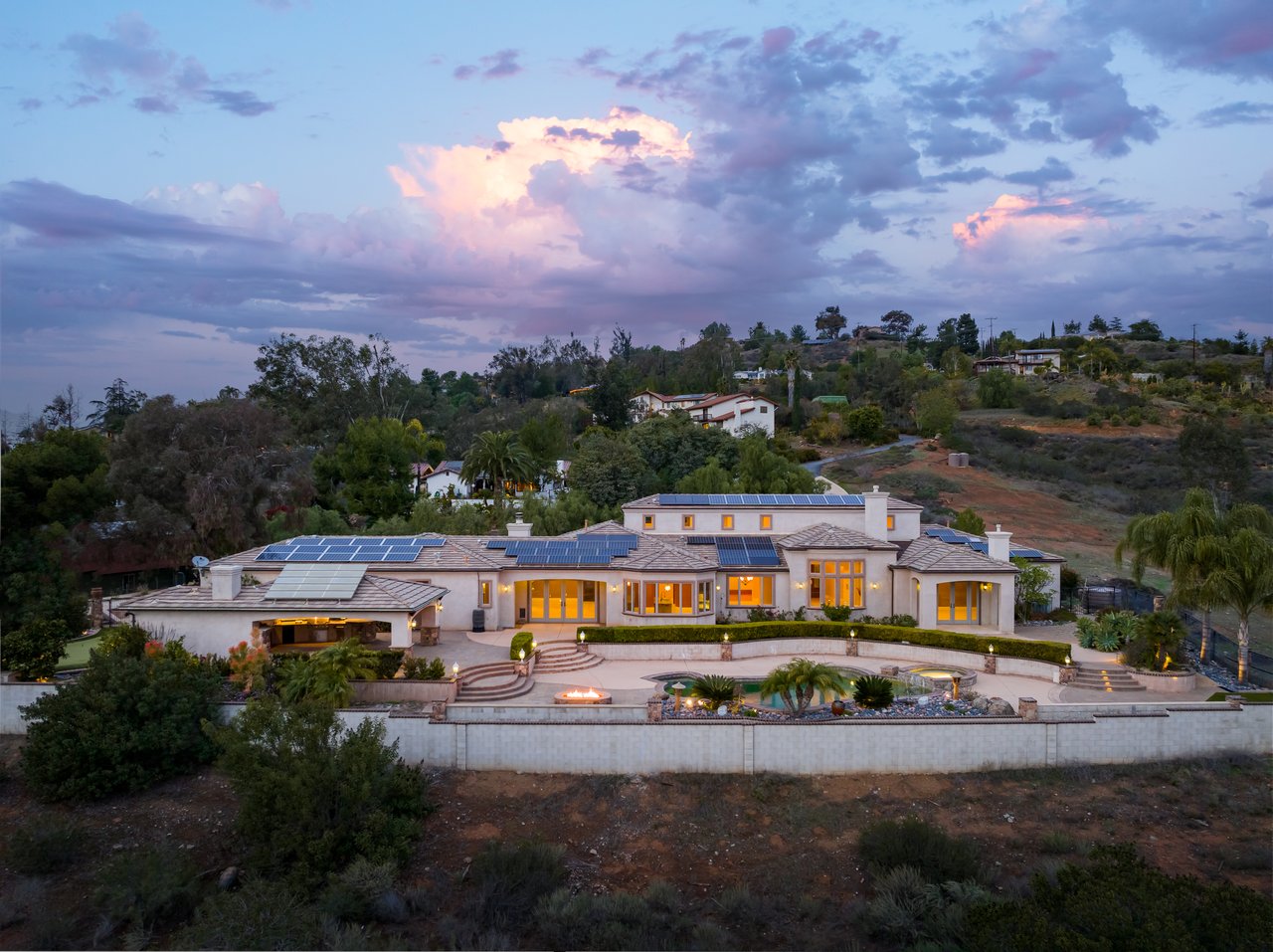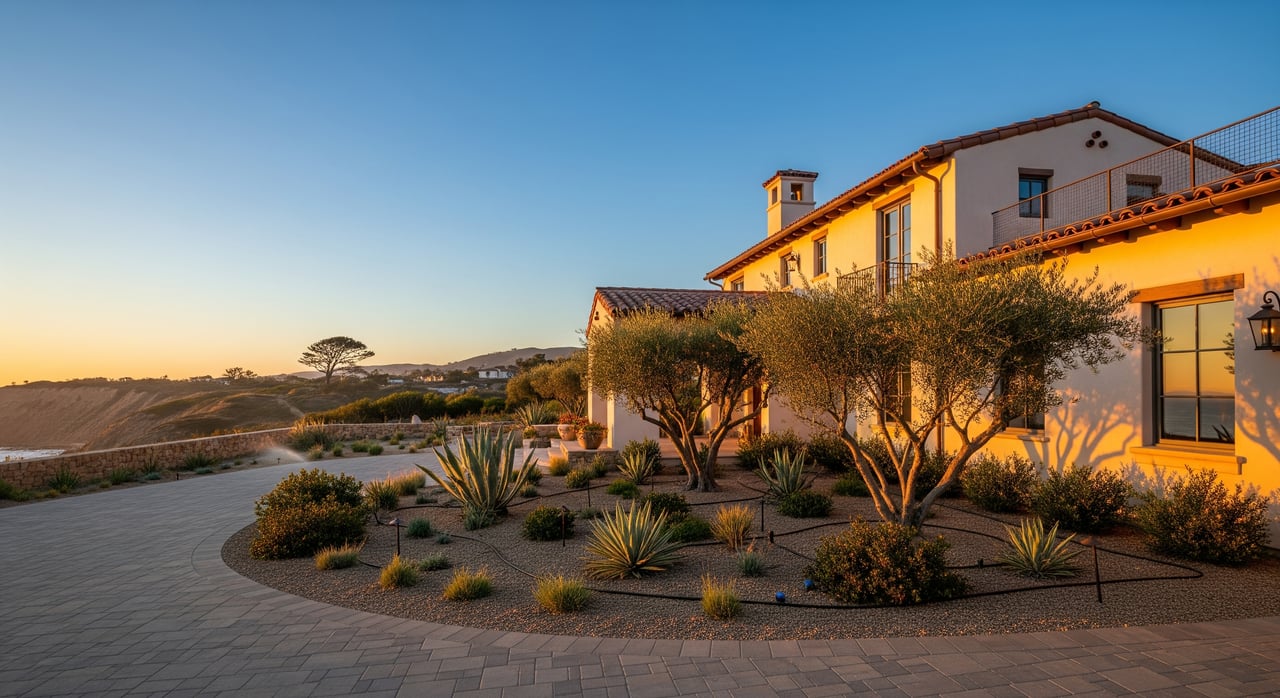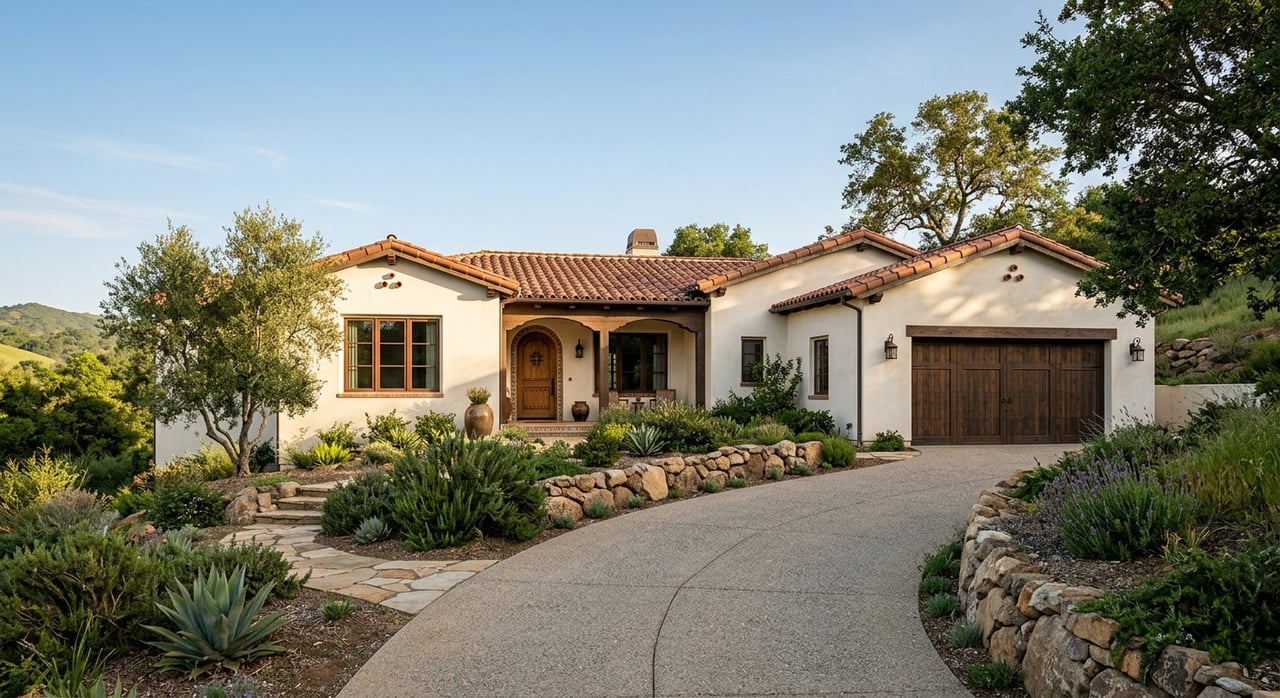
Looking at a scenic hillside home in Escondido? The view, privacy, and extra land can be exciting, but these properties often come with a different set of questions than a typical suburban home. If you are thinking about buying a semi-rural or view property, it helps to understand how zoning, utilities, access, and fire safety can shape the real value and usability of what you are buying. Let’s dive in.
What semi-rural means in Escondido
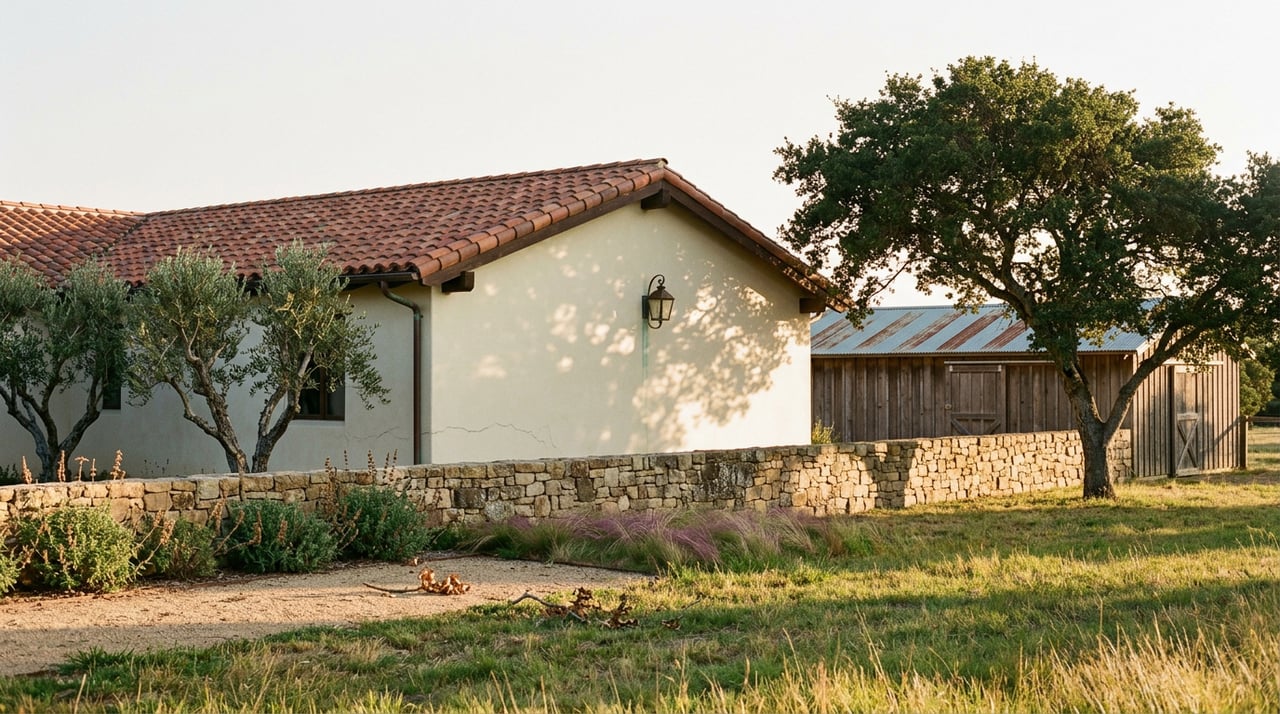
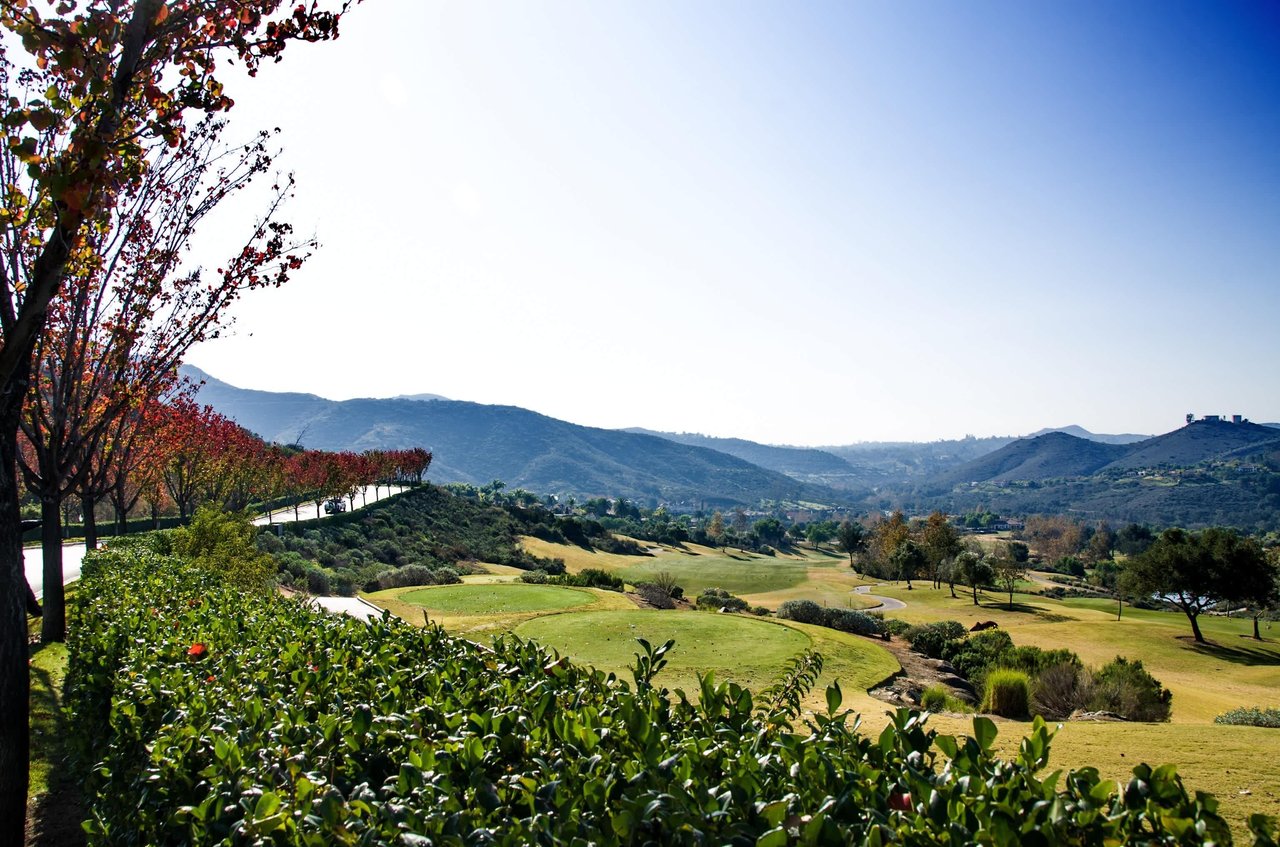
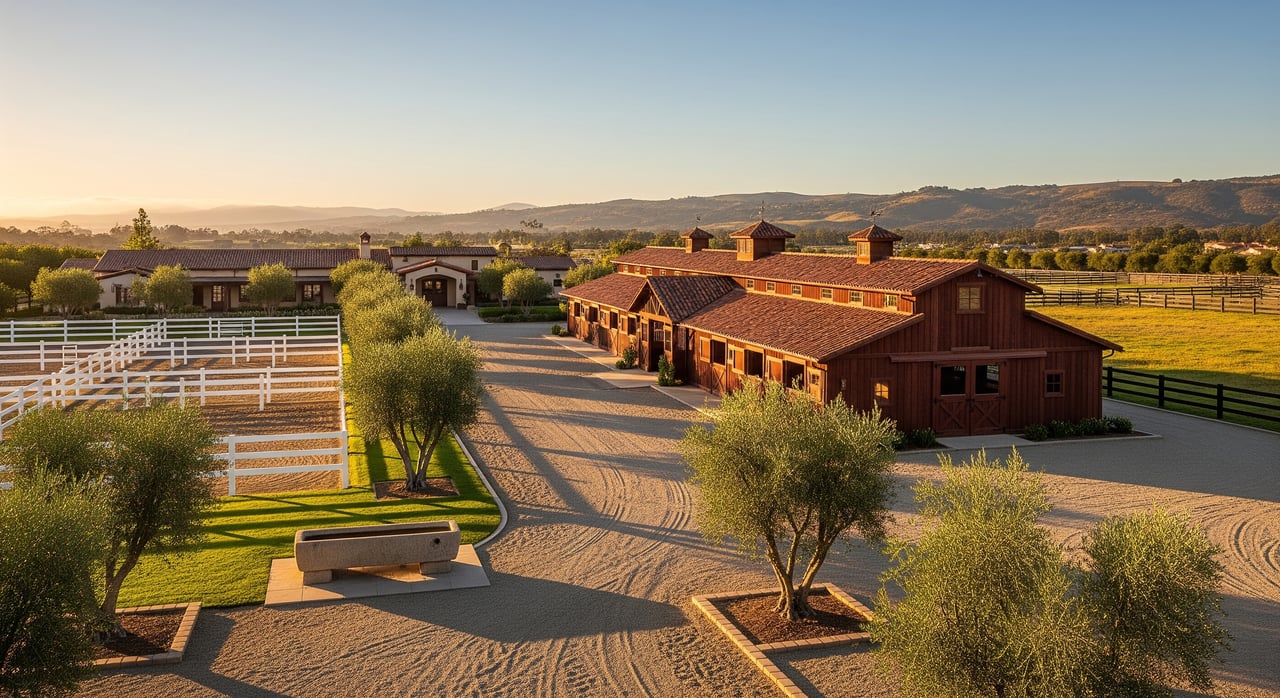
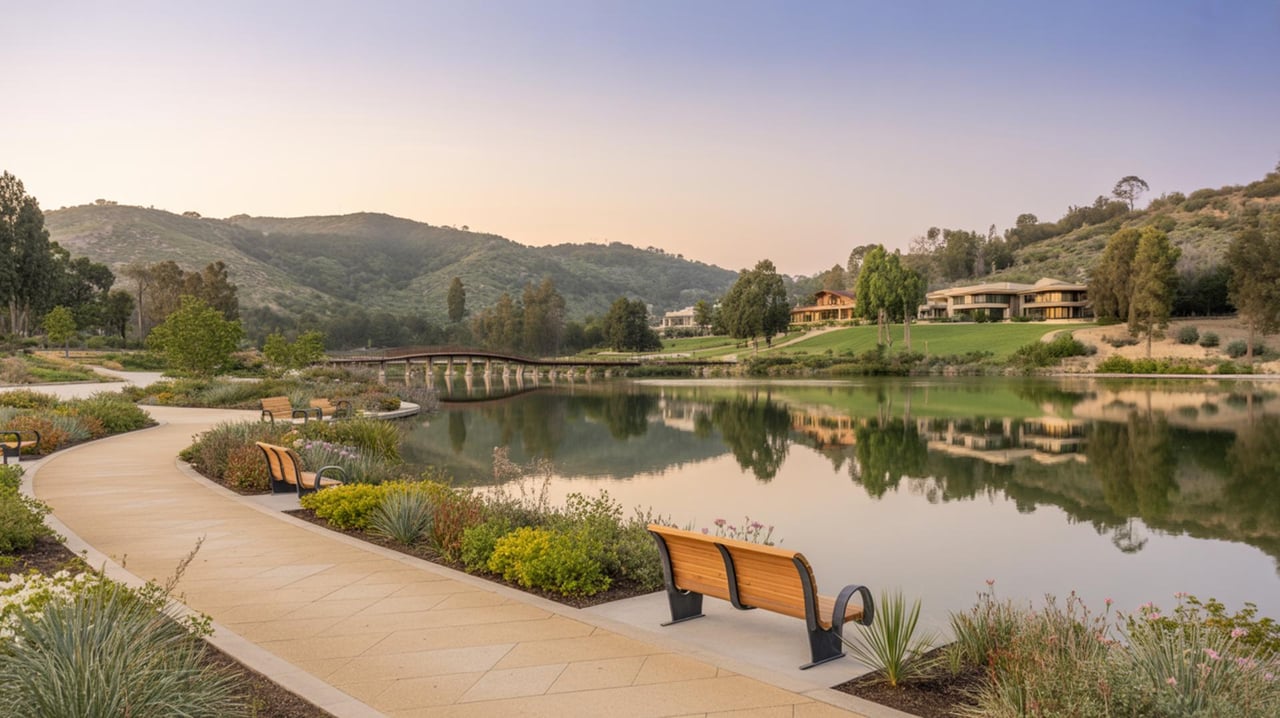
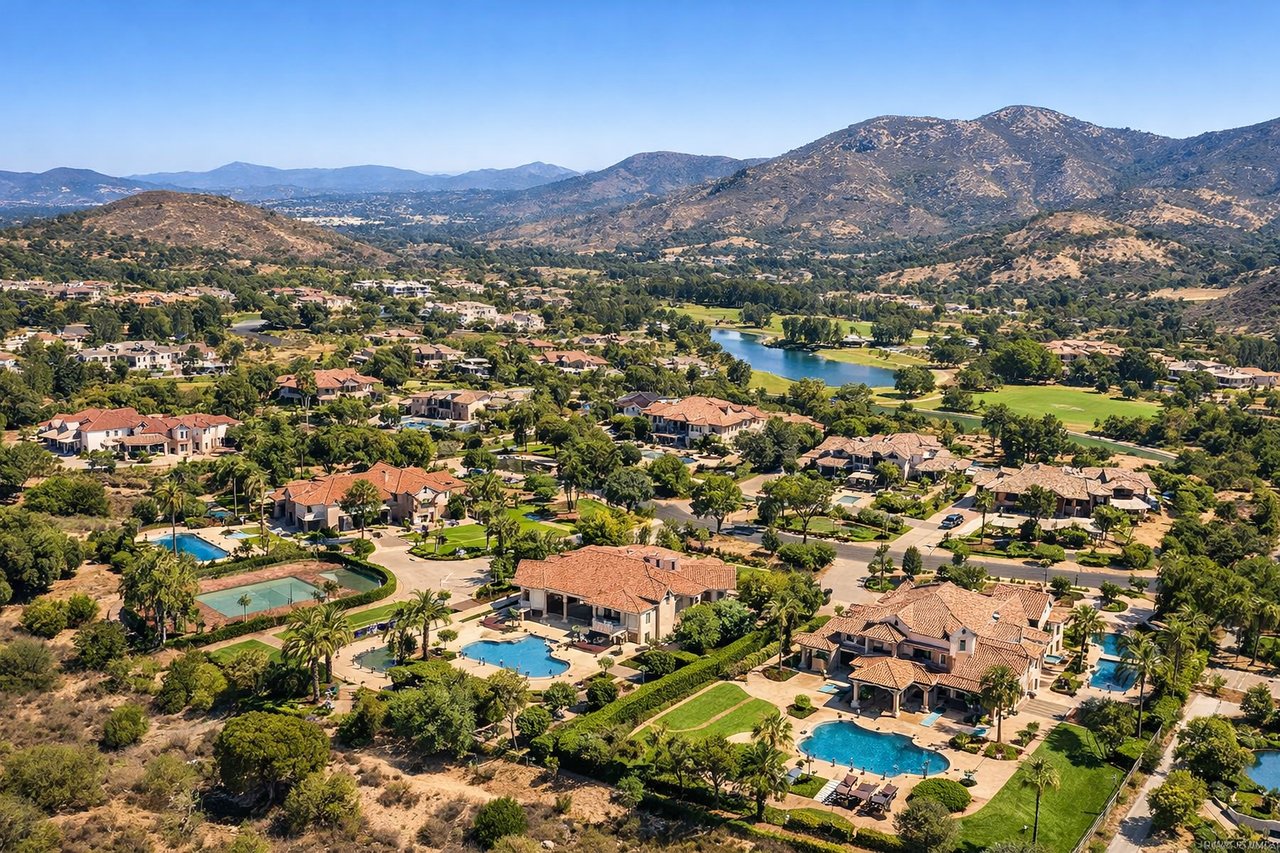
In Escondido, “semi-rural” does not describe one standard property type. City and county planning documents describe the area as a valley surrounded by hills and mountains, with lower-density development in some outlying areas and important scenic resources like ridgelines, lakes, and open space. That means a home’s setting can matter just as much as the structure itself when you evaluate a property.
A key first step is confirming whether the parcel is inside city limits or in unincorporated county territory. According to Escondido planning documents, the broader planning area includes the city boundary, sphere of influence, and additional unincorporated land in San Diego County. Two homes with an Escondido mailing address may be subject to very different rules.
County land use designations for semi-rural residential areas can range from one dwelling unit per 0.5 acre to one per 10 or 20 acres, according to the San Diego County General Plan. In city zoning, estate and semi-rural designations can also be much larger than a standard suburban lot, including RE-20 with a 20,000-square-foot minimum lot size and R-A-5 with a 5-acre minimum lot size.
Why views can change the buying equation
A panoramic view can be a major selling point, but it does not always mean a simpler ownership experience. In Escondido, view-oriented lots often overlap with hillside and ridgeline areas where the city has clear goals for protecting scenic resources, natural landforms, and view corridors, as outlined in its resource conservation policies.
That matters because a strong view may come with tradeoffs. Steeper slopes, more complex drainage, tighter development limits, and greater wildfire exposure can all affect how you use the land. If you are thinking ahead to an addition, pool, guest space, or major landscape work, the lot itself may be the deciding factor.
Check zoning and hillside overlays early
One of the smartest things you can do is review zoning and overlay issues before you get too attached to the property. Escondido’s Hillside and Ridgeline Overlay generally applies to parcels with slopes of 15 percent or greater on any portion of the site and to some parcels near identified ridges, based on the city’s subarea planning materials.
If a property falls within that overlay, future work may require slope analysis, habitat review, visual-impact review, and findings that the project fits the surrounding scenic and open-space setting. In practical terms, this is why a lot with an amazing view is not automatically easy to improve.
When you are evaluating buildability, pay close attention to:
- Driveway slope and width
- Available pad area
- Drainage patterns
- Retaining walls
- Grading history
- Setbacks and disturbance limits
- Fire access requirements
The city’s grading rules also require permits for grading, and related review may include vegetation removal permits and mitigation measures. For a buyer, that means the land deserves just as much scrutiny as the home.
Utilities matter more on larger lots
With semi-rural properties, utility questions can be more important than buyers expect. You want to know not just whether service exists, but how the property is served and what that means for long-term maintenance and future plans.
Water service
The City of Escondido serves a large customer base and treats water through the Escondido-Vista Water Treatment Plant. The city states that raw water comes from local watershed and well-field sources near Lake Henshaw, is transferred to Lake Wohlford, and is supplemented by imported regional water.
Before you buy, confirm whether the parcel is actually within the city water service area. On larger lots, outdoor water use can become a meaningful ownership cost, especially if the property has extensive landscaping, orchards, or agricultural features.
The city’s water conservation guidance says outdoor watering should occur only between 6 pm and 10 am. Escondido also notes that newer state water-efficiency regulations apply to urban retail water suppliers.
Some larger parcels may also qualify for a different rate class. The city says agricultural customers may qualify for discounted pricing if the parcel is at least 3/4 acre and includes at least 1/2 acre planted with a commercial crop.
Sewer or septic
This is one of the biggest due-diligence items for semi-rural buyers. On the edge of the city and in some unincorporated pockets, properties may rely on private septic systems rather than public sewer.
Escondido states that it does not manage septic systems and directs sewer-connection applicants to county Environmental Health for septic records in its sewer connection guidance. City and county materials also identify several unincorporated areas that rely on septic systems, including Eden Valley, Harmony Grove, Felicita Park, Lake Hodges, Citrus Valley, Lake Wohlford, Jesmond Dene, and Lehner Valley.
You should verify, parcel by parcel:
- Whether the home is on sewer or septic
- Whether septic records are available
- Whether any connection work is planned or required
- Whether future improvements could trigger utility-related upgrades
According to the city’s utilities and service systems materials, this distinction can affect maintenance, disclosures, and improvement costs.
Fire safety and access are central issues
For hillside, estate, and semi-rural properties in Escondido, fire safety is not a side topic. It is a core part of the buying decision.
Escondido updated its Fire Hazard Severity Zone map on March 24, 2025. Areas may be classified as moderate, high, or very high wildfire hazard severity zones. In high and very high zones, new construction must follow ignition-resistant standards, and AB-38 requires defensible-space inspection documentation for certain sales in those zones.
The city’s rural emergency guidance highlights a few practical issues buyers should keep in mind:
- At least 2,500 gallons of emergency water storage is recommended
- Two routes out of the area are recommended
- Roads and driveways should have 14-foot vertical clearance
- Access should not be too steep or sharply curved for fire engines
These recommendations are listed in Escondido’s rural emergency preparation guidance.
The city’s property review checklist also calls for 100 feet of defensible space around structures, removal of dry vegetation and dead trees or shrubs, clean roofs and gutters, and trimmed branches near roofs and chimneys.
For buyers, this means access should be evaluated carefully. A long private drive, gated entrance, or narrow approach may affect not only convenience, but also safety, insurability, and future maintenance.
Do not assume there is or is not an HOA
A custom home on acreage may look independent, but appearance does not tell you whether there is an HOA or whether CC&Rs apply. This is especially important when roads, gates, fire lanes, fuel-modification areas, or shared maintenance responsibilities are involved.
Escondido Fire’s preliminary requirements show that gated entrances, fire lanes, Knox Boxes, and ongoing access maintenance may need to be addressed in CC&Rs or by an association. That makes HOA documents worth reviewing even on properties that feel private or estate-like.
The California Department of Real Estate explains in its Residential Subdivision Buyer’s Guide that a standard subdivision may or may not have an HOA, while a planned development includes ownership tied to common-area interests. The takeaway is simple: verify HOA status and governing documents for the specific parcel.
A smart buying checklist for Escondido view properties
If you are comparing semi-rural homes in Escondido, it helps to think beyond square footage and finishes. These properties are often best evaluated like site-specific projects.
Here is a practical checklist to use early in your search:
- Confirm jurisdiction
Check whether the parcel is inside Escondido city limits or in unincorporated San Diego County. - Review zoning and lot designation
Look at minimum lot size, overlay districts, and whether the setting suggests added review for future changes. - Assess slope and buildability
Ask about grading history, drainage, retaining walls, and usable pad area. - Verify water service
Confirm provider, service area, and any property-specific usage considerations. - Confirm sewer or septic
Do not rely on assumptions based on the listing or neighborhood appearance. - Check fire hazard zone and access
Review defensible space, driveway clearance, and emergency access considerations. - Review HOA and CC&Rs
Confirm whether there are rules, assessments, or maintenance obligations tied to access or shared infrastructure.
The bottom line for buyers
Buying a semi-rural or view property in Escondido can be incredibly rewarding. You may gain privacy, open space, and scenic surroundings that are hard to find in more conventional neighborhoods. But these homes usually require deeper due diligence because topography, utilities, fire safety, and jurisdiction can materially affect how you live in the property and what you can change later.
If you want a clear, process-driven approach to evaluating Escondido homes with land, views, or hillside settings, Peter Heines can help you ask the right questions early and move forward with confidence.
FAQs
What does semi-rural mean for a homebuyer in Escondido?
- It usually means a lower-density property where lot size, slope, access, utilities, and jurisdiction may matter more than they would on a standard suburban lot.
Should you expect septic on an Escondido semi-rural property?
- Sometimes, especially in semi-rural or unincorporated pockets near the city edge, so you should verify sewer or septic status for the specific parcel.
Can you add onto a view property in Escondido later?
- Sometimes, but future improvements depend on zoning, slope, grading rules, setbacks, access, and utility capacity.
Are all Escondido view lots easy to build on?
- No. A strong view can come with steep access, drainage challenges, wildfire considerations, and hillside restrictions that affect buildability.
Does a custom or estate home in Escondido always have no HOA?
- No. HOA status is not always obvious, and some properties may still have CC&Rs or shared maintenance obligations tied to roads, gates, or fire-access features.