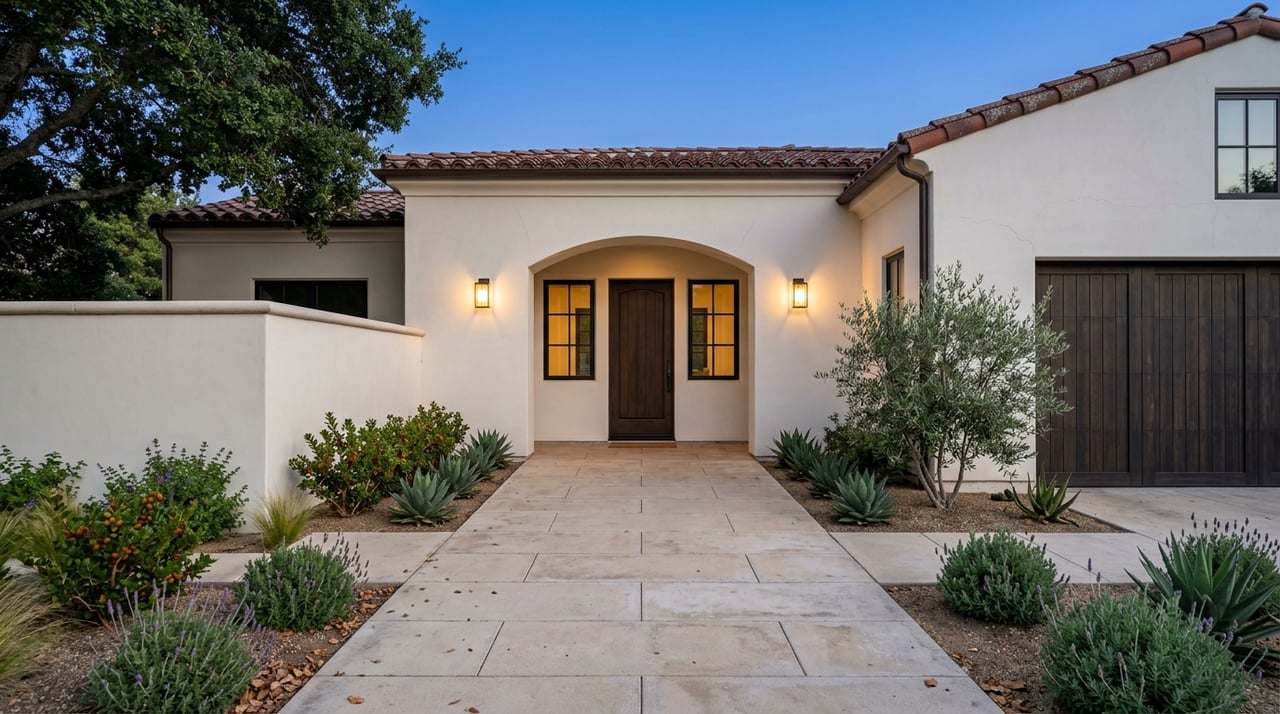
Looking for a place where wine-country views, open space, and everyday suburban convenience can all fit into one lifestyle? Escondido stands out because it blends historic character, newer planned neighborhoods, and a strong outdoor culture in a way that feels distinctly North County. If you are trying to decide whether Escondido matches the way you want to live, this guide will walk you through the city’s layout, home styles, lifestyle patterns, and what makes it different. Let’s dive in.
Why Escondido draws so much interest
Escondido is a mature inland city in North County San Diego, not a fringe outpost. The city had an estimated 148,847 residents in 2024, with a median household income of $91,967, a median owner-occupied home value of $714,500, and a mean commute time of 27.5 minutes. Those numbers help explain why many buyers see Escondido as a place that offers established suburban living with room for variety.
It also has a broad community mix that shapes daily life. About 22.7% of residents are under 18, 53.4% of housing is owner-occupied, 29.0% of residents are foreign-born, and 45.3% speak a language other than English at home. For you as a buyer or seller, that points to a city with long-term residents, families, and a wide range of lifestyle preferences.
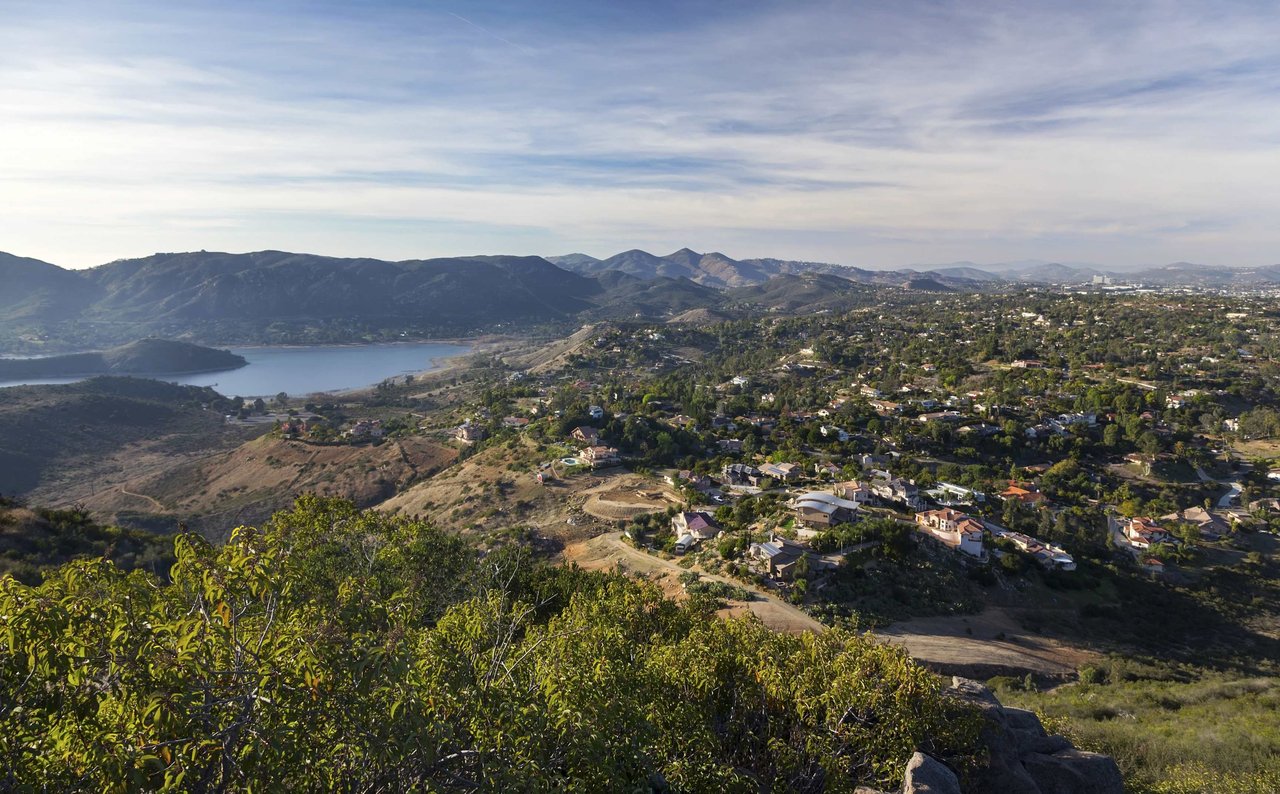
Escondido sits about 30 miles northeast of downtown San Diego and about 20 minutes from the coast. The city describes itself as combining small-town charm with big-town potential, and that feels accurate when you see how historic downtown, suburban neighborhoods, wineries, and open space all connect.
Escondido wine country is spread out
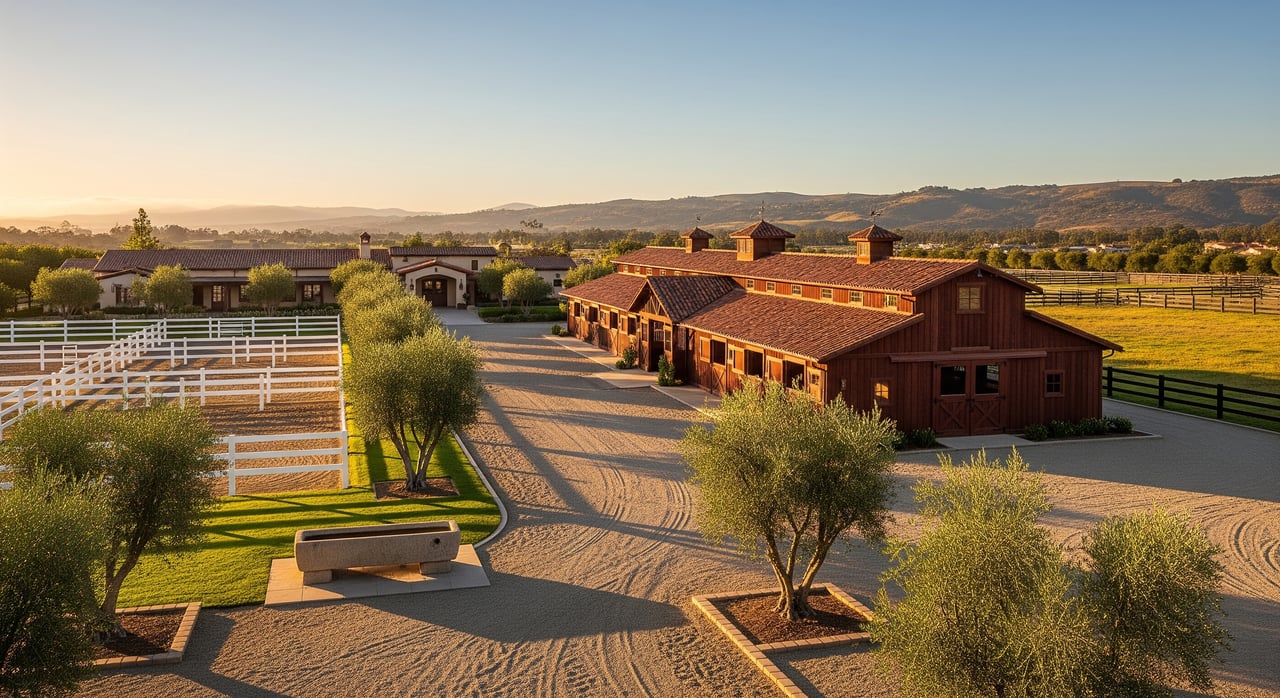
One of the biggest misconceptions about Escondido is that wine-country living exists in one neat, walkable district. In reality, the wine scene is more spread out across valley floors, hillsides, and in-town tasting spaces. That gives the area a more layered feel and creates several different lifestyle pockets.
In San Pasqual Valley, Orfila Vineyards brings a more traditional vineyard setting. In Highland Valley, Cordiano Winery reflects the hillside side of the local wine story. Forgotten Barrel adds another dimension with a rustic tasting room, live music, events, and a location on the former Ferrara Winery property in Escondido.
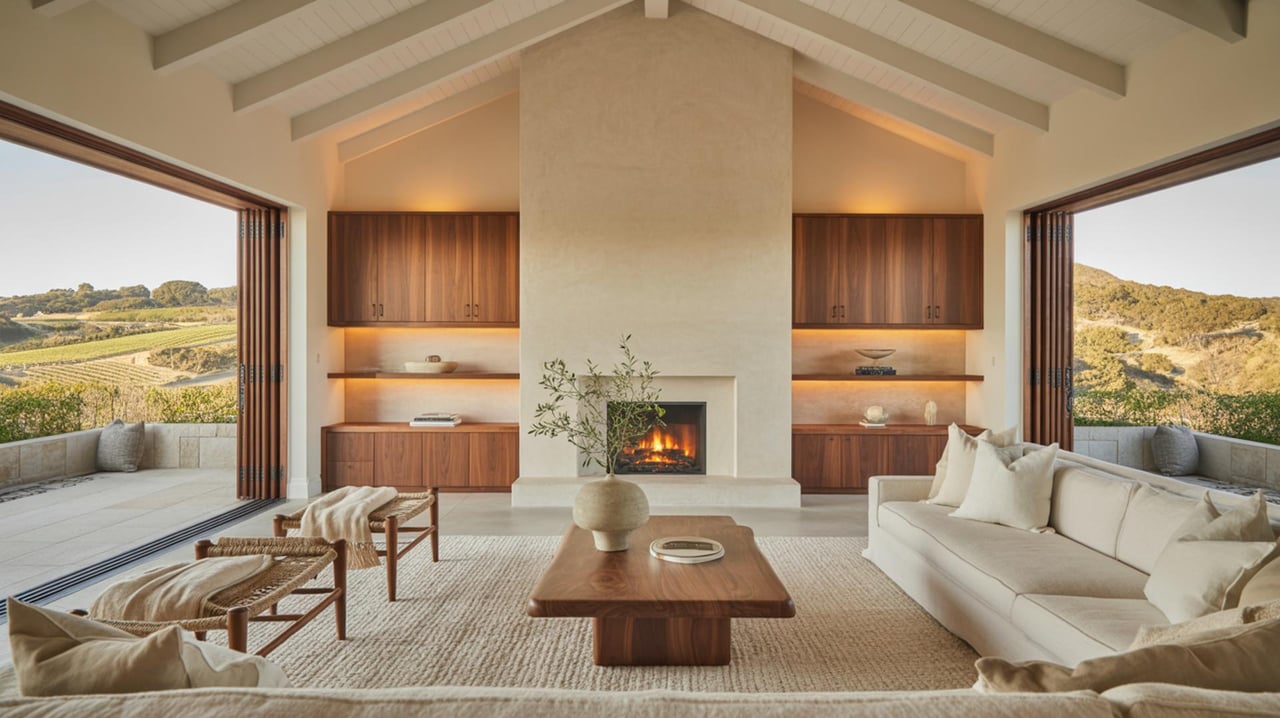
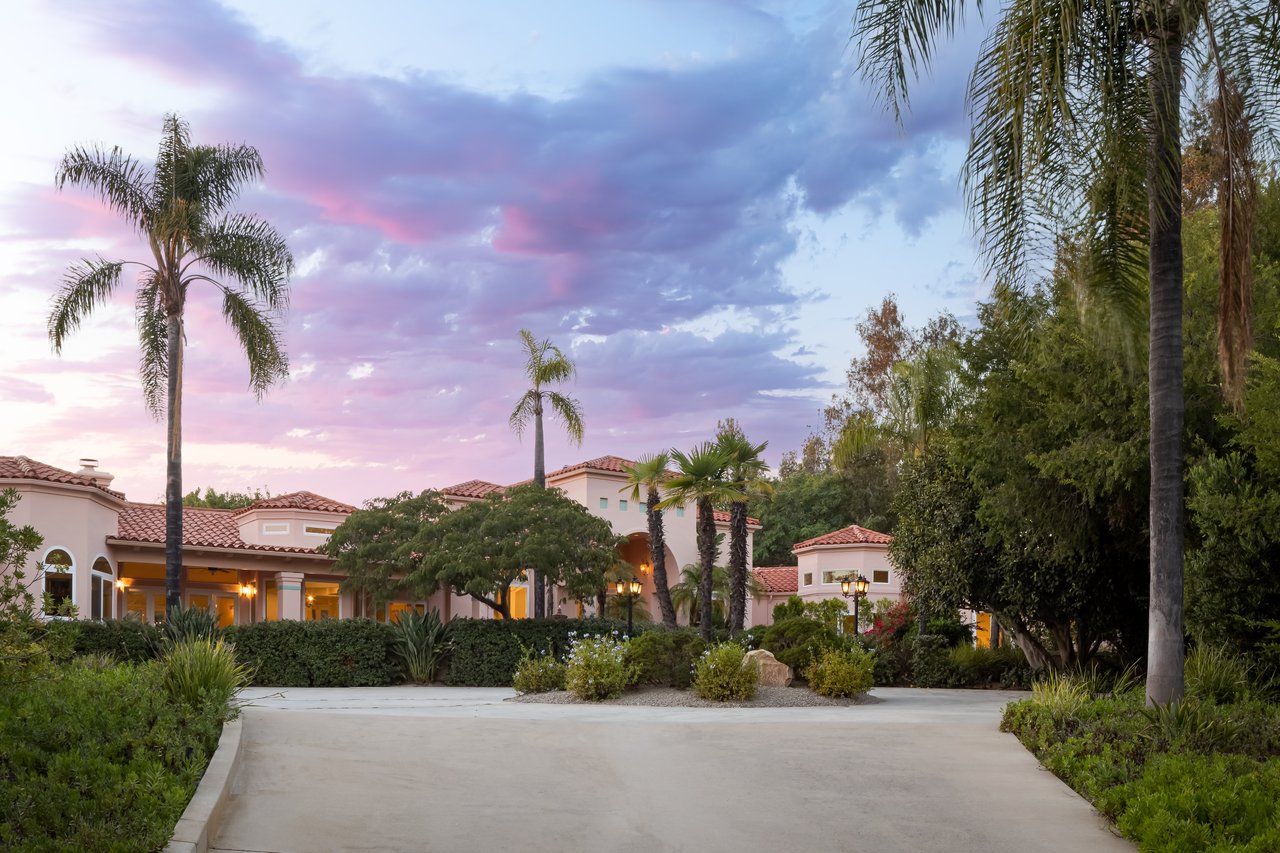
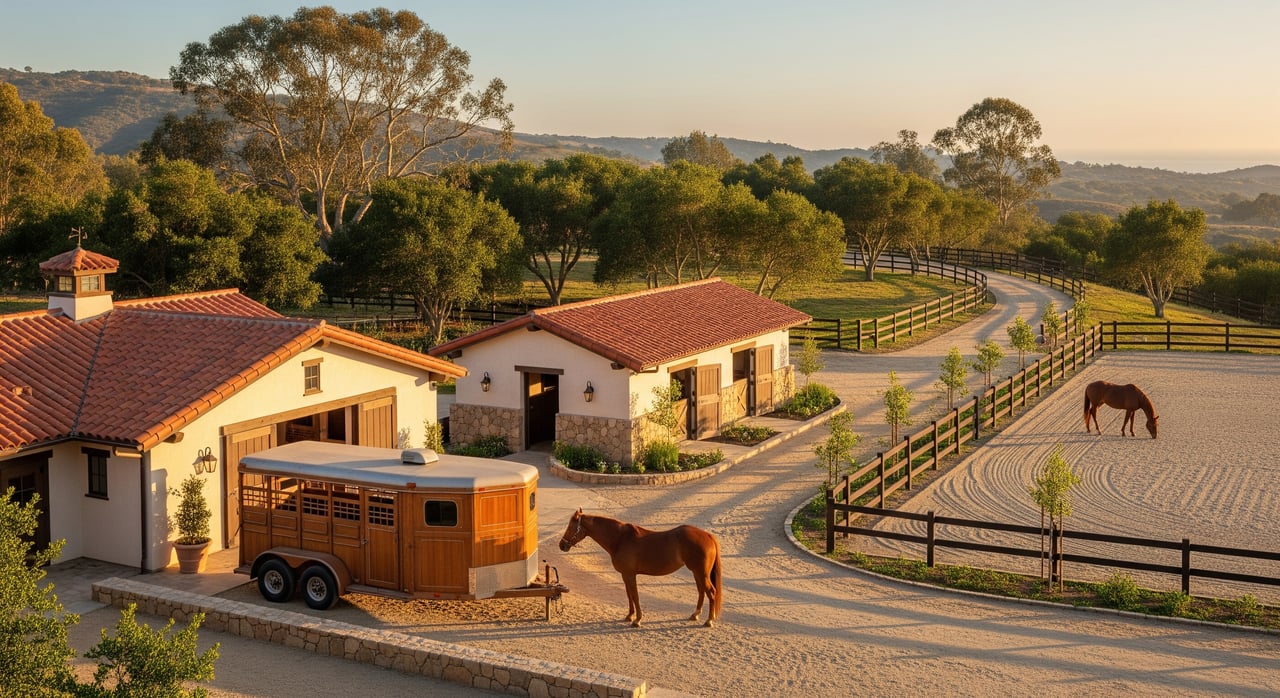
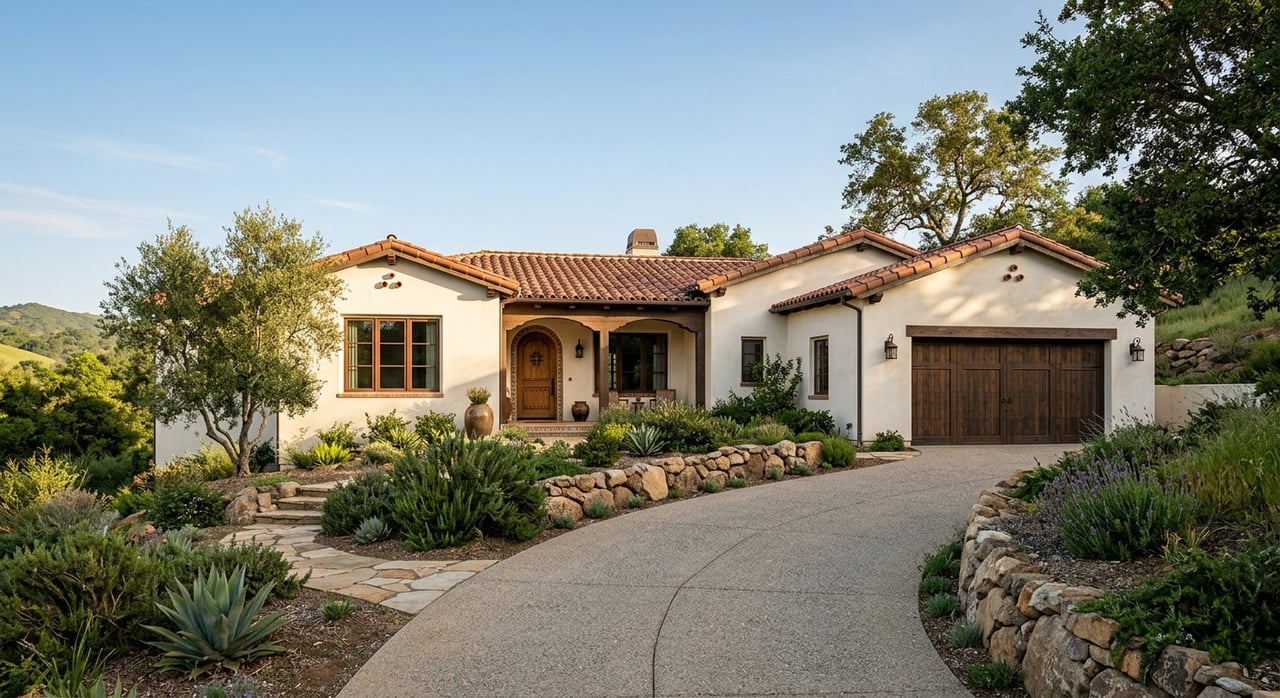
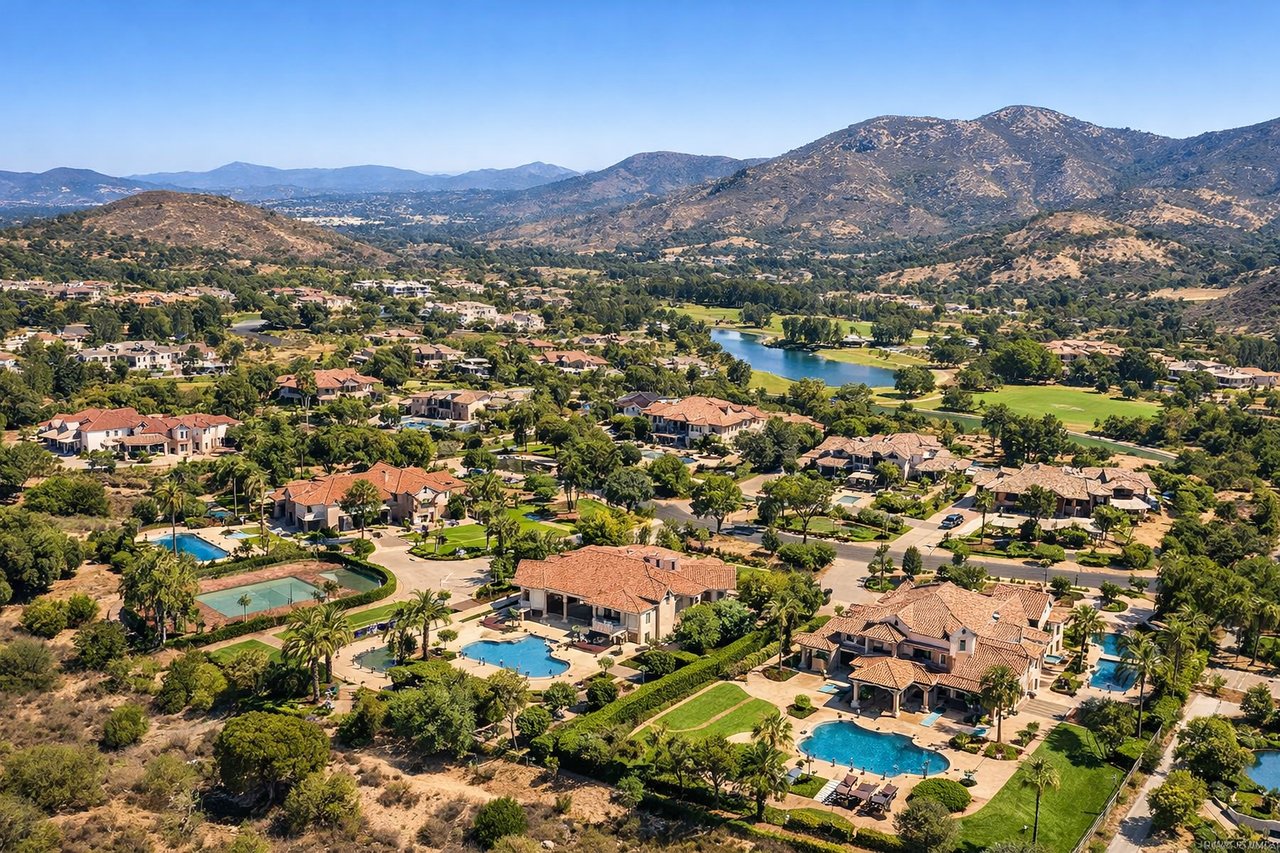
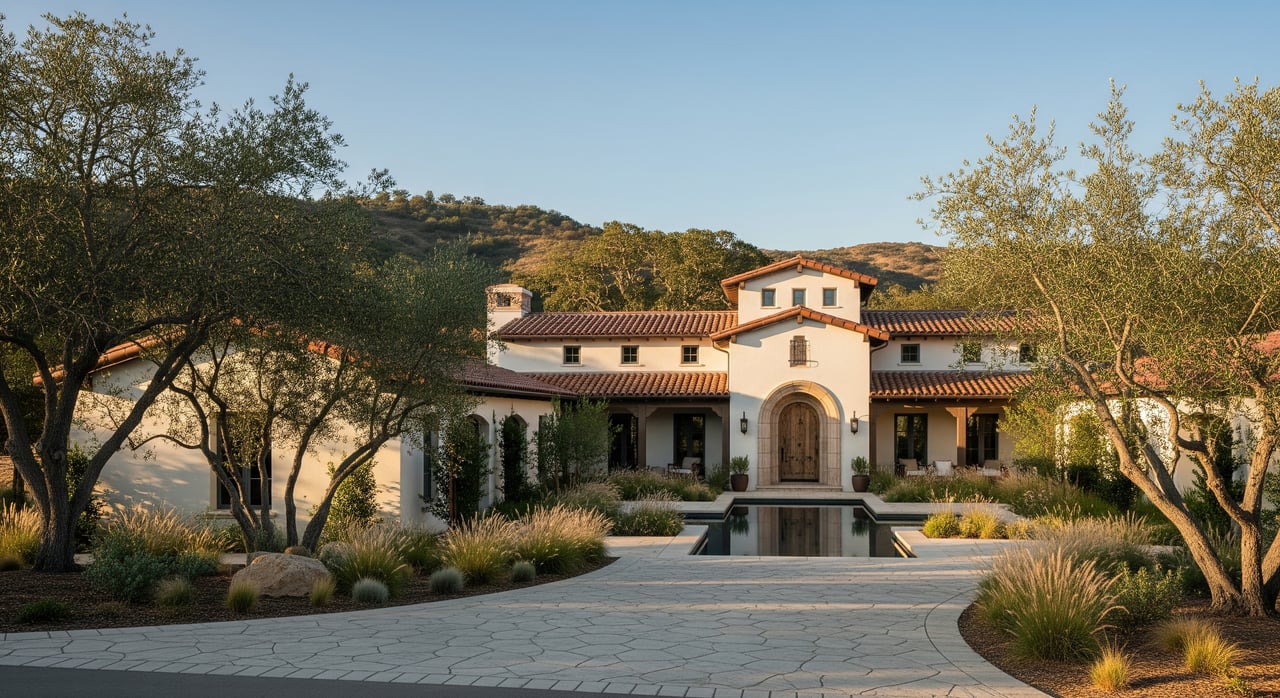
For you, that means “wine country” in Escondido can mean different things. It might mean a home with a more rural or semi-rural feel, a place near scenic drives and valley views, or simply easy access to tasting rooms and weekend experiences without giving up suburban convenience.
What wine-country living feels like
Escondido’s wine-country identity is less about one tourist corridor and more about lifestyle texture. A typical weekend might include a tasting room visit, time outdoors, and dinner downtown rather than spending your entire day in one destination zone. That variety is part of the appeal.
If you are shopping for a home, this matters because location choice changes the experience. Some areas lean more suburban and close to everyday services, while others feel more open, elevated, or tucked into the hills. Matching the setting to your routine is often more important than simply being “near a winery.”
Open space shapes daily life
Outdoor access is one of Escondido’s strongest lifestyle advantages. Daley Ranch alone covers 3,201 acres and offers more than 25 miles of multiuse trails, with habitat preserved in perpetuity. The city’s Lakes Division also manages more than 4,500 acres of open space across Dixon Lake, Lake Wohlford, and Daley Ranch.
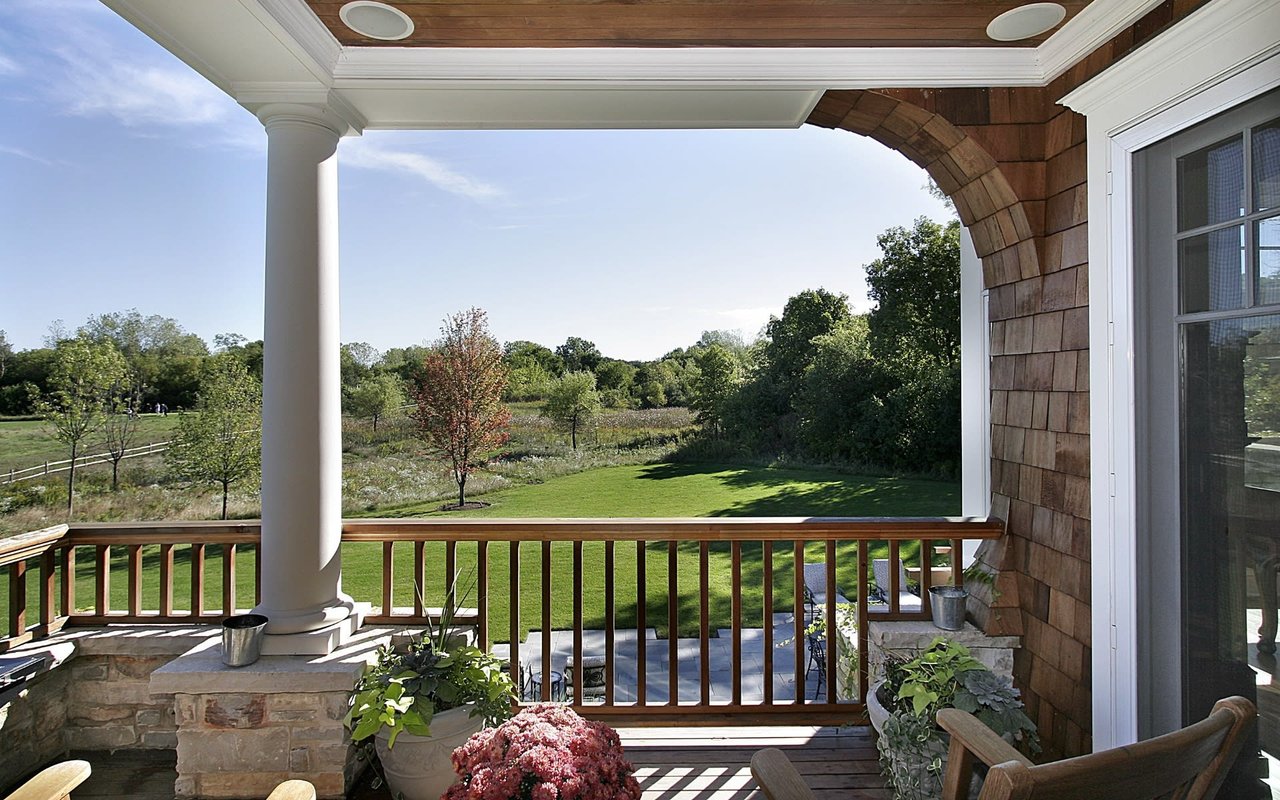
That scale matters because it changes how the city feels. Even though Escondido is established and sizable, the surrounding open land creates breathing room and helps many neighborhoods feel connected to nature. For buyers who want suburban living without feeling boxed in, that can be a major draw.
The San Diego Zoo Safari Park is also in Escondido’s San Pasqual Valley on the northeast side of the city. It is one more example of how Escondido blends destination amenities with everyday residential life.
Why outdoor access matters to buyers
For many households, parks, trails, and open space are not just nice extras. They shape how you spend weekday evenings and weekends. Easy access to trails, lakes, and preserved land can support a lifestyle centered on walking, hiking, recreation, and spending more time outside close to home.
For sellers, this is also an important part of the story when positioning a home. In Escondido, lifestyle value often includes more than the house itself. It can include the surrounding views, trail access, nearby parks, and the sense of space that sets one area apart from another.
Neighborhood patterns across Escondido
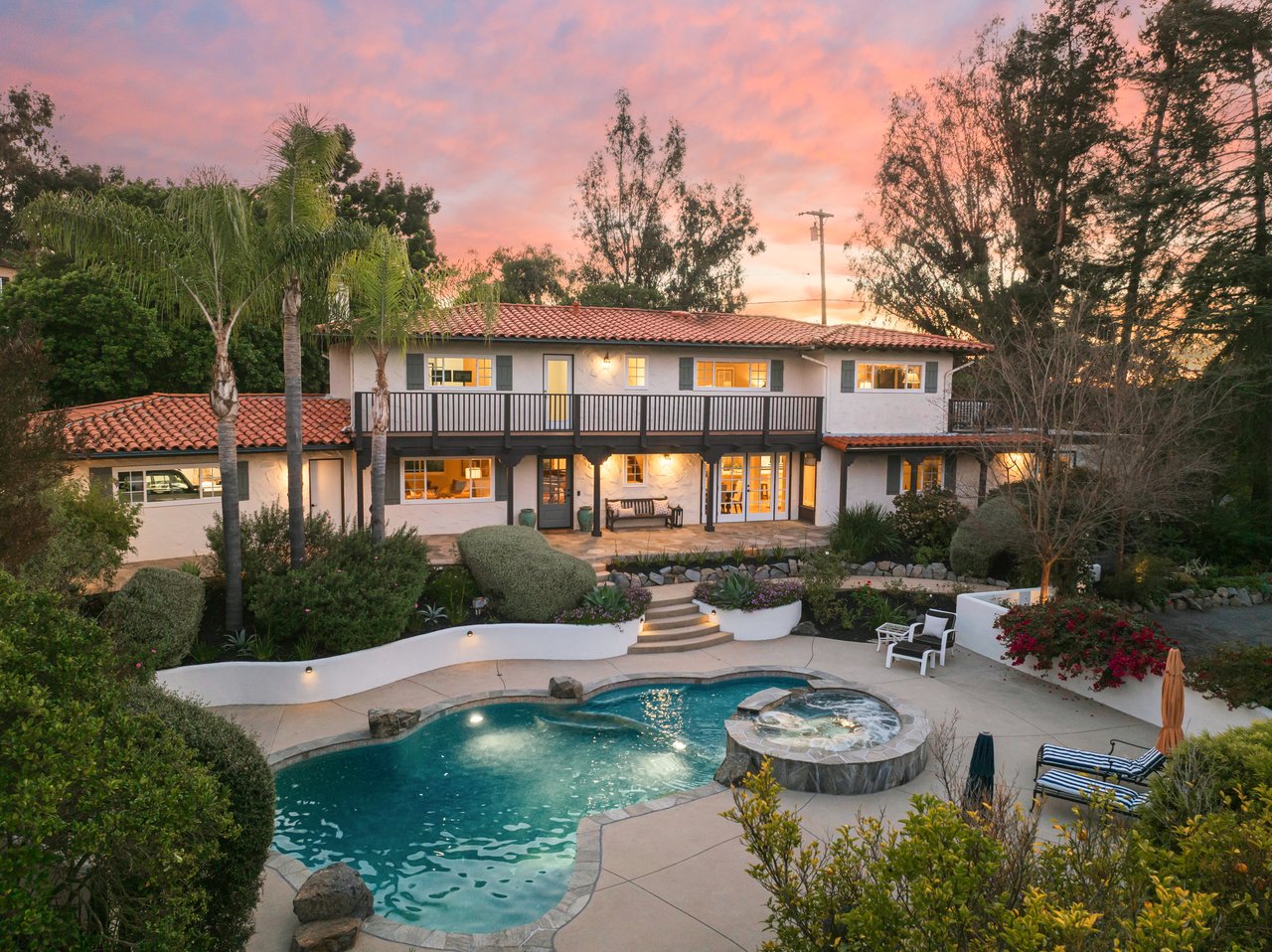
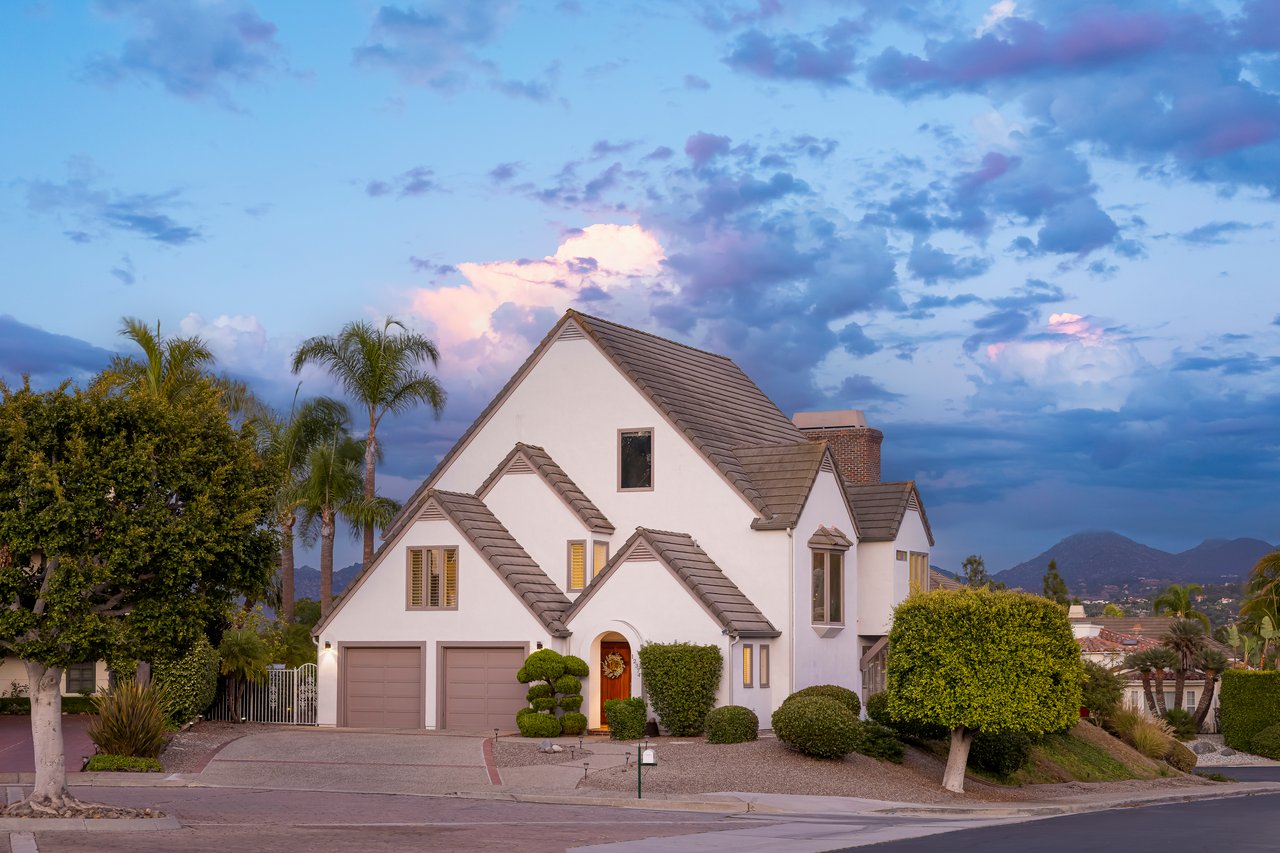
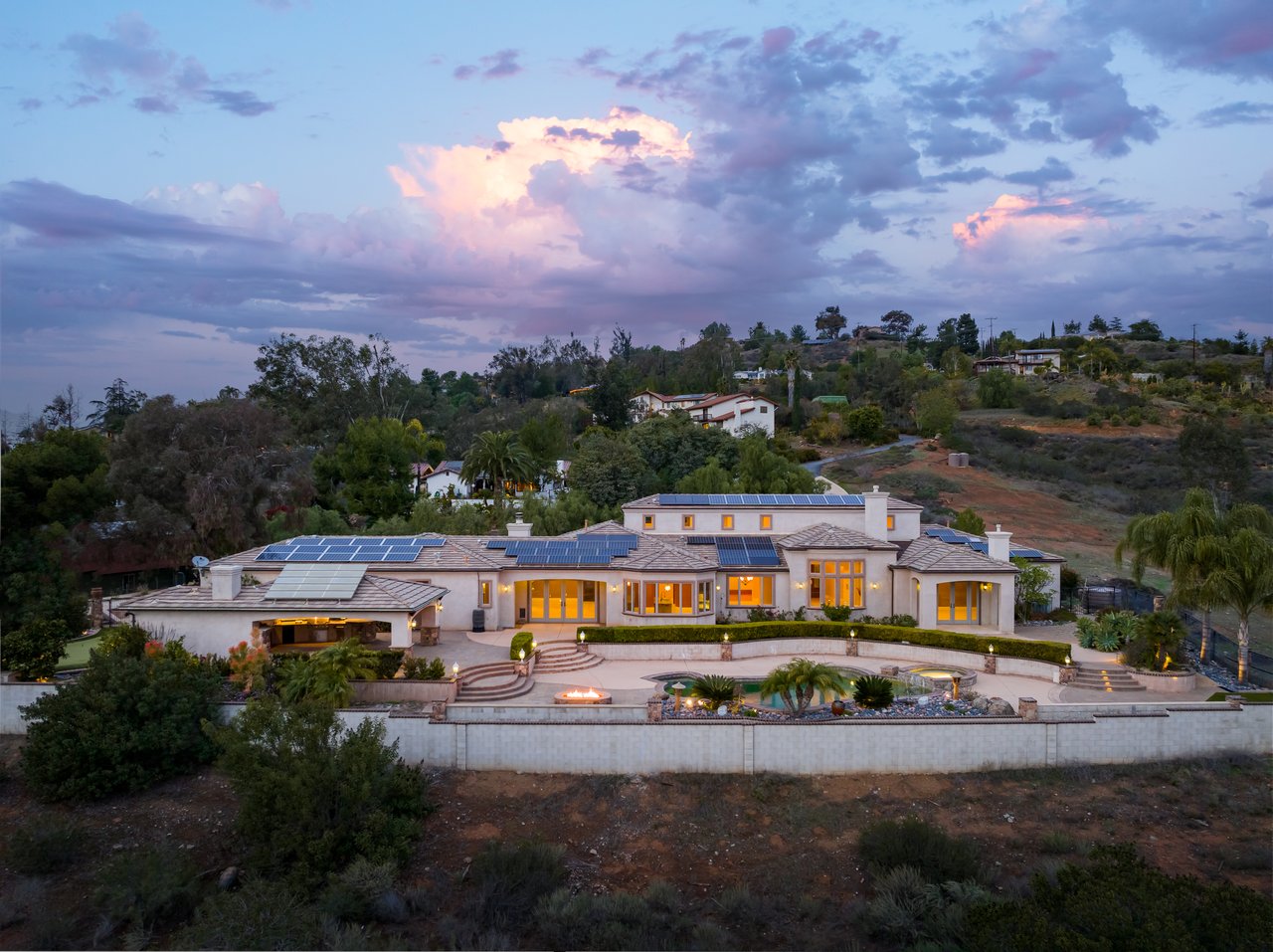
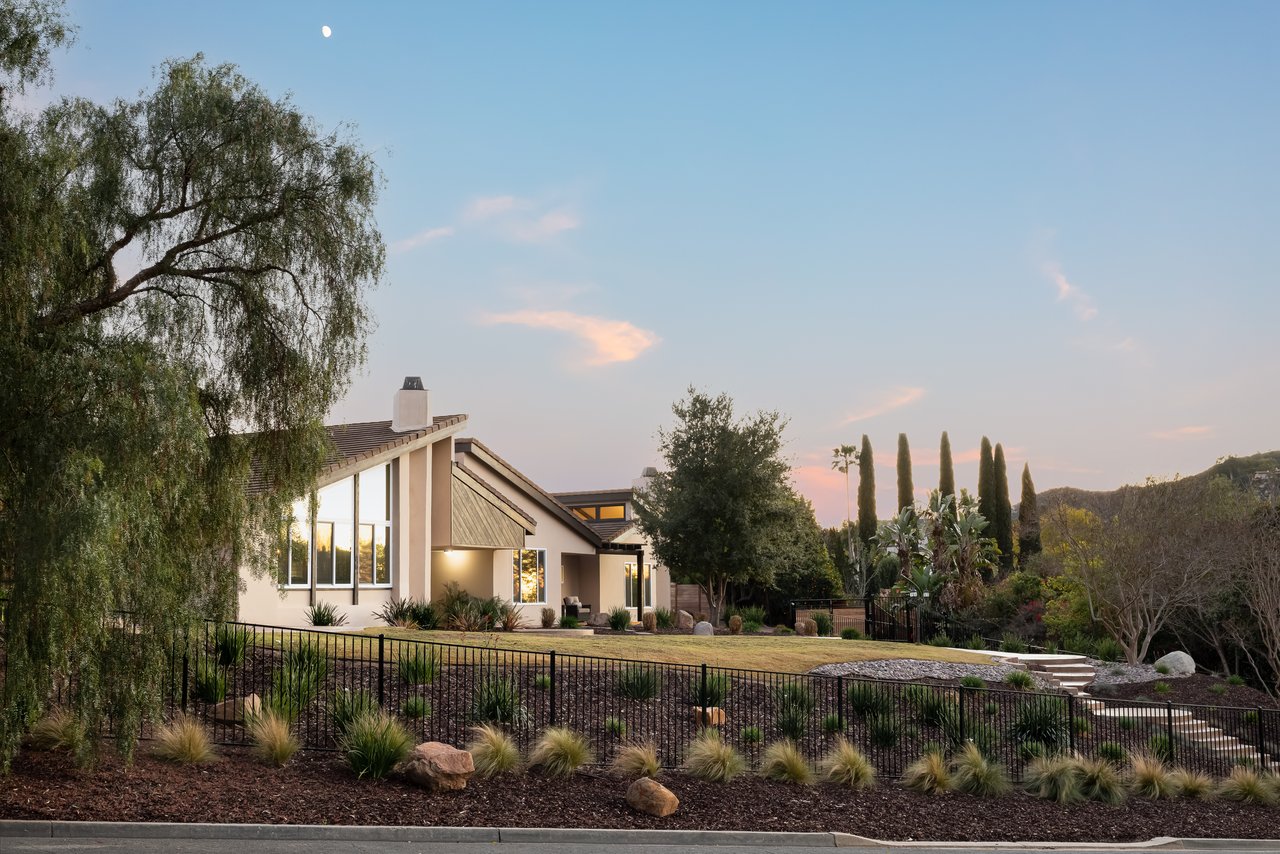
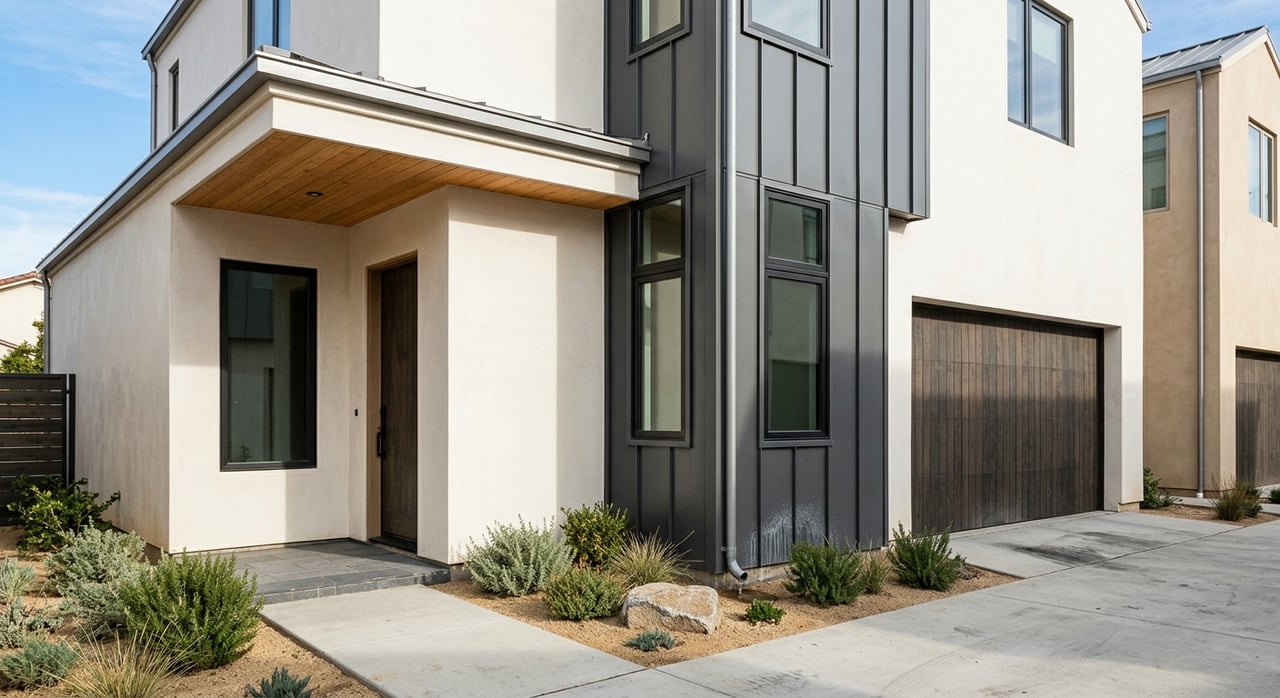
Escondido is not one-note. The city includes historic neighborhoods, mixed-use downtown areas, valley-floor suburban residential sections, and planned communities with more modern development patterns. That variety gives buyers more than one way to “fit” into the city.
Downtown’s Specific Plan area covers about 500 acres. It includes a historic, walkable retail and service core around Grand Avenue, suburban-style shopping areas on the west and north sides, and a historic residential neighborhood to the south. City land-use documents also describe valley-floor residential areas as suburban in character and oriented toward single-family detached homes.
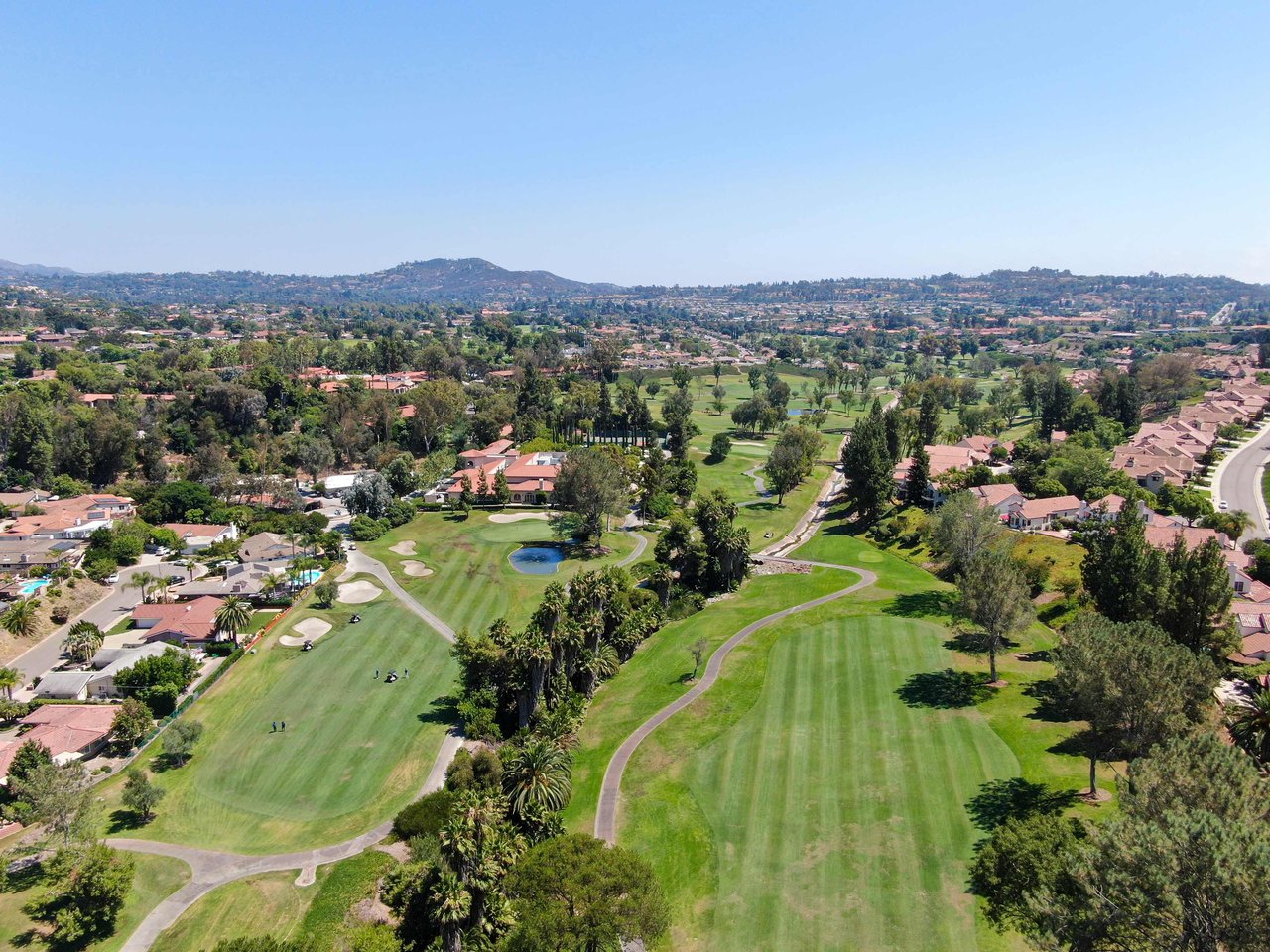
This matters if you are comparing lifestyle priorities. Some buyers want older architecture and proximity to downtown activity, while others prefer newer-feeling communities, golf-oriented settings, or a more traditional suburban layout. Escondido offers all of those patterns within one city.
Old Escondido Historic District
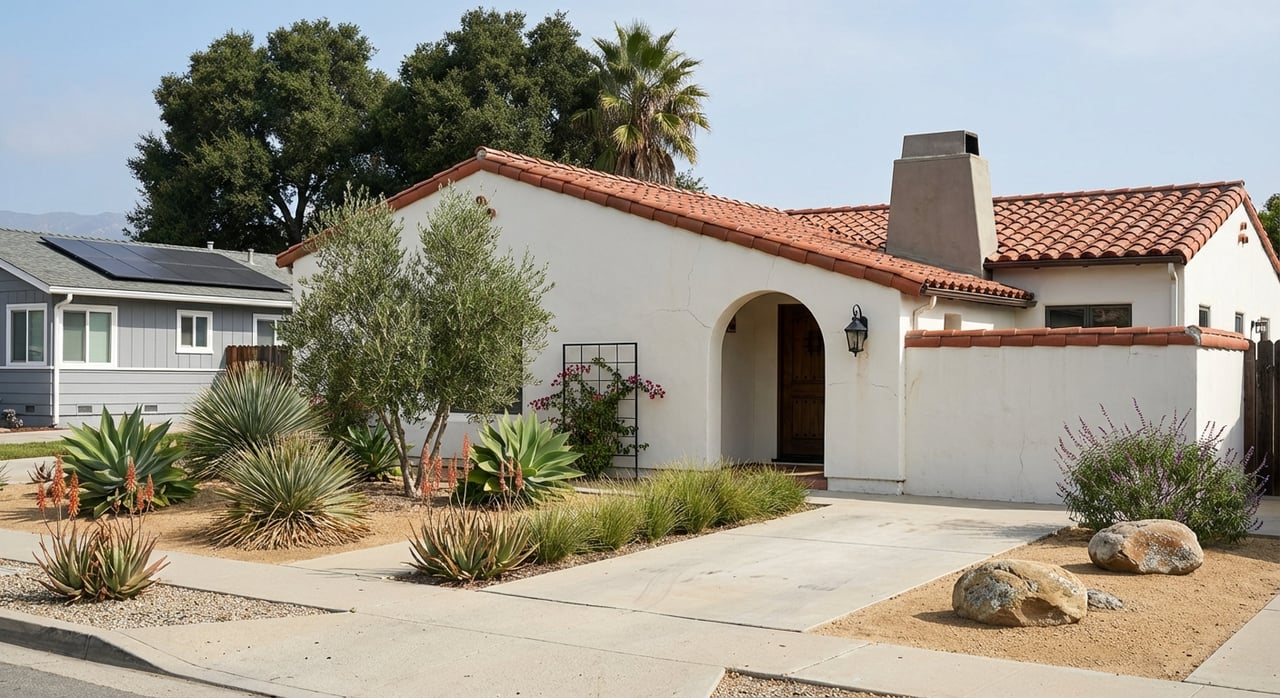
If you love character homes, Old Escondido is the city’s clearest historic-home story. The district was established in 1989 and includes about 900 homes built from the mid-1880s to the present. The area includes home styles ranging from Craftsman bungalows to Victorian houses.
There is also an important practical detail here. Exterior changes require a certificate of appropriateness. If you are considering a home in the district, it is worth understanding that preservation standards may shape future exterior projects.
Planned and suburban communities
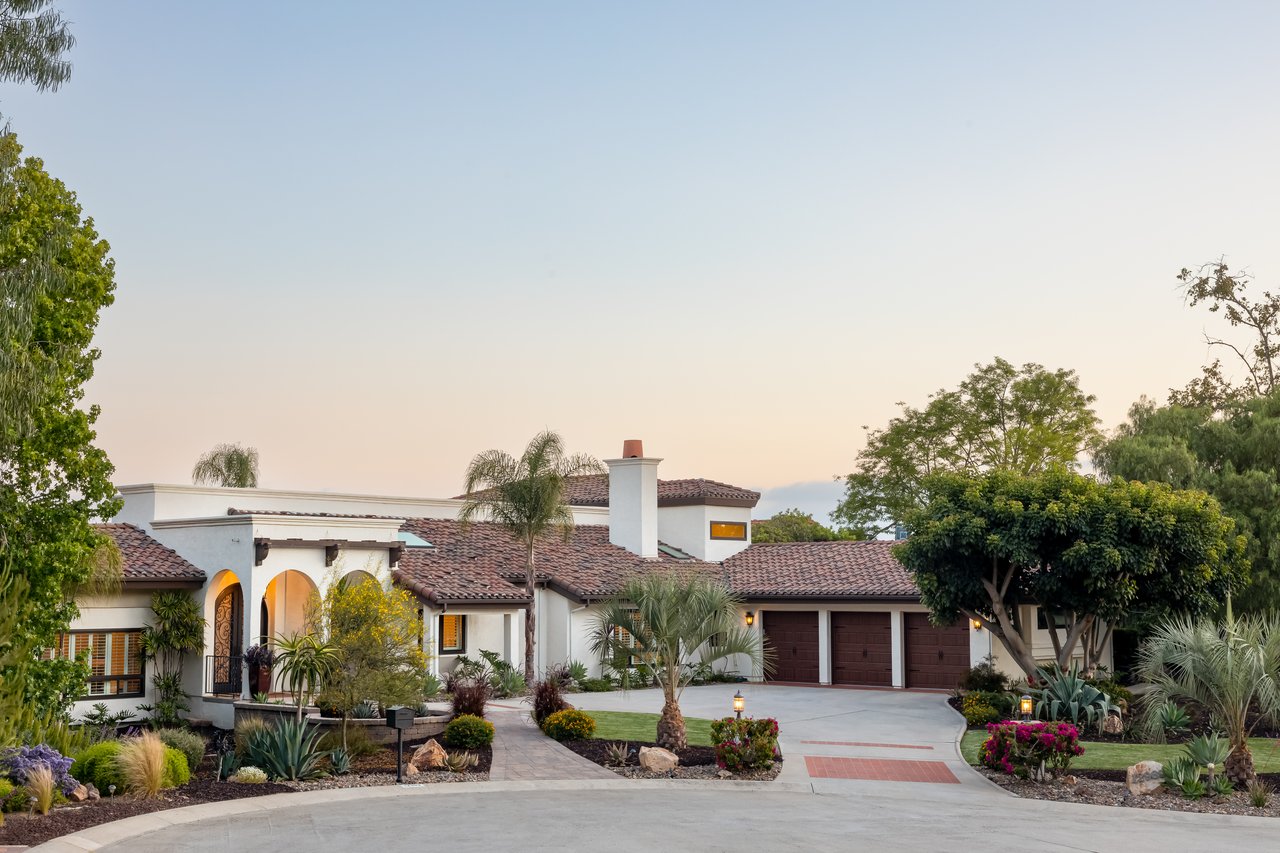
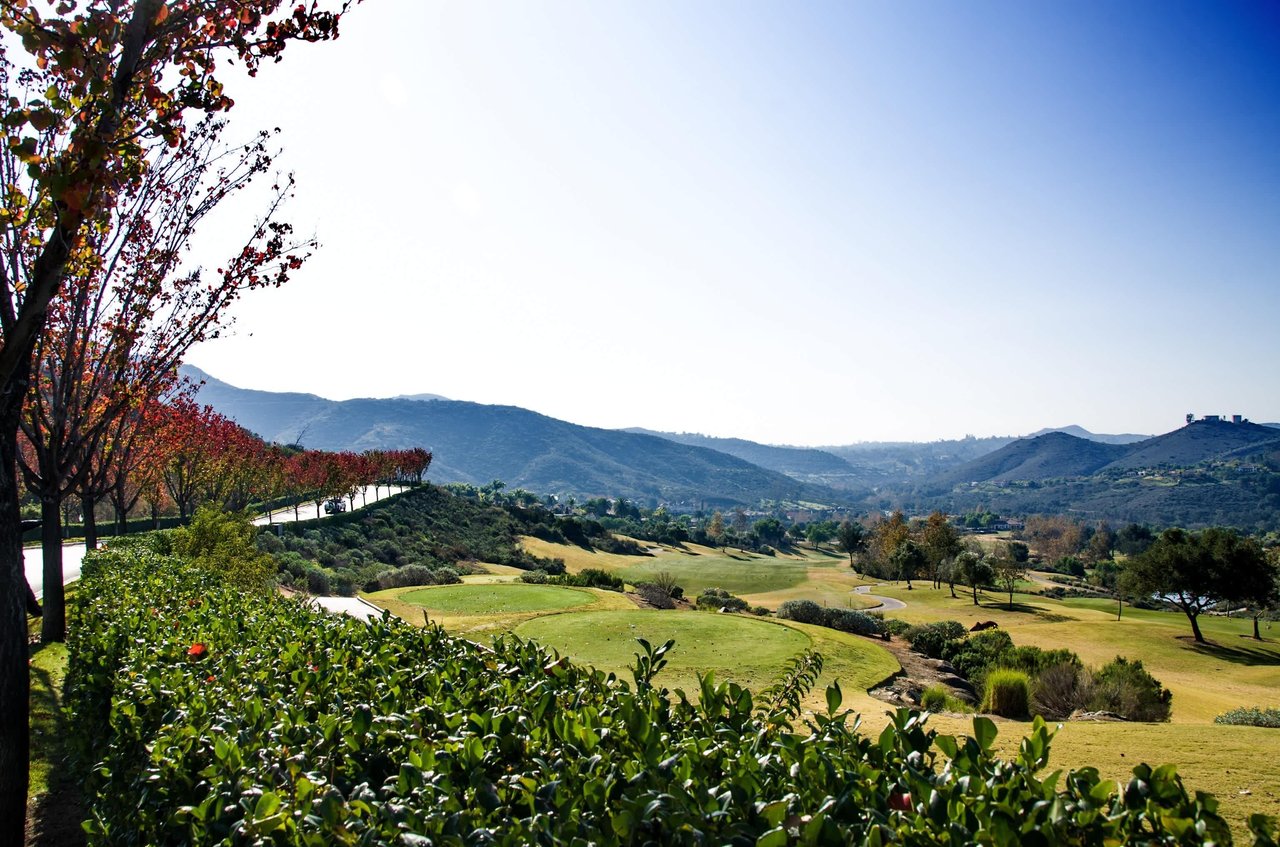
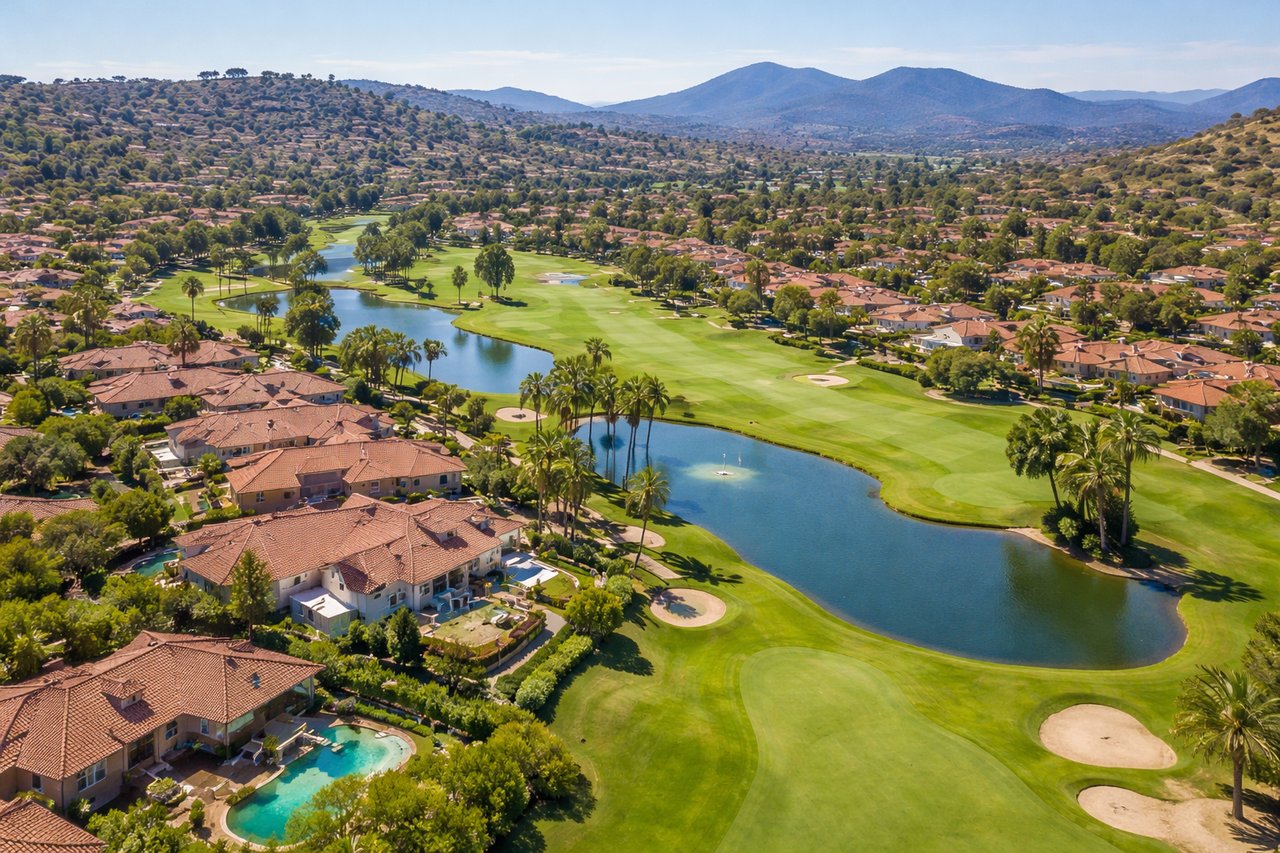
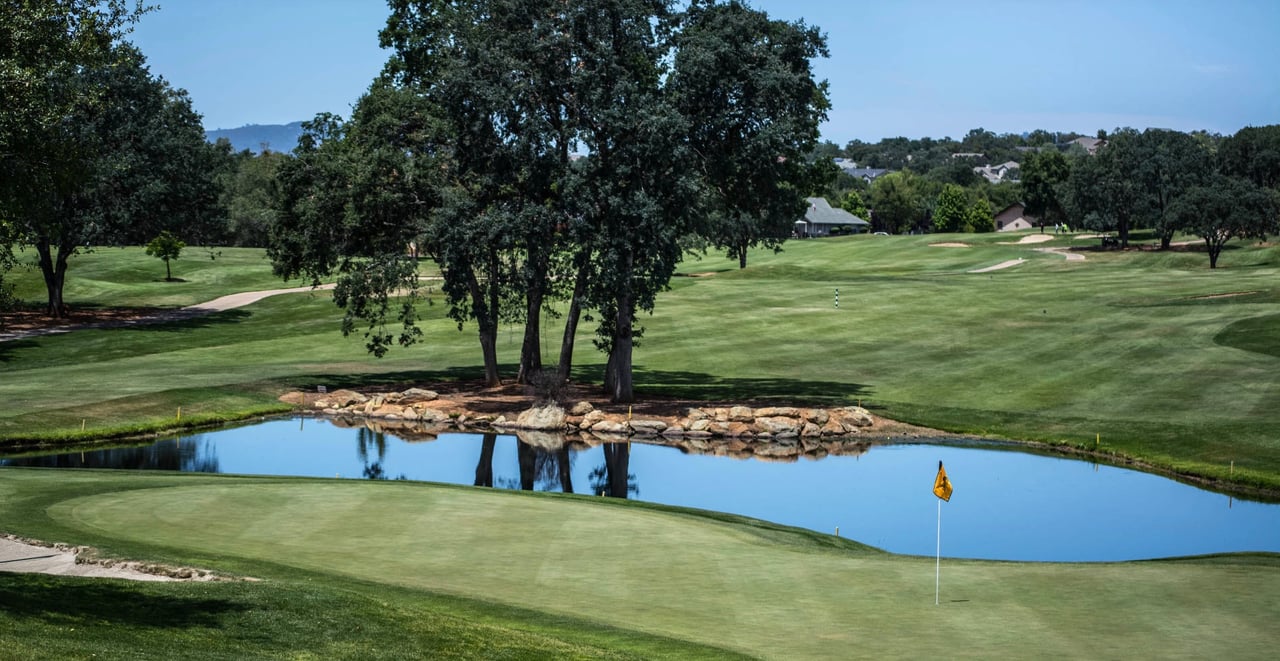
On the other end of the spectrum, Escondido also includes planned neighborhoods that support a more structured suburban lifestyle. Rancho San Pasqual and Eagle Crest are examples the city identifies as a planned community with a mix of residential densities, a golf course and clubhouse, and a 32-acre public community park.
For buyers, that highlights Escondido’s range. You can find areas that feel rooted in the city’s long history, as well as neighborhoods that deliver a more contemporary suburban pattern with community amenities and a different kind of streetscape.
Downtown Escondido adds everyday energy
A strong downtown gives Escondido a social center that many suburban cities work hard to create. Grand Avenue remains the heart of that experience, and the area has seen continued public investment. The Grand Avenue Vision Project reports that Phase II was completed in June 2025, with improvements designed to preserve the historic small-town feel while widening sidewalks, adding diagonal parking, narrowing traffic, and calming the corridor.
That kind of update matters in daily life. It can make downtown easier to enjoy on foot and more comfortable for dining, shopping, and events. If you want suburban space without giving up an active central district, Escondido offers a useful balance.
Visit Escondido describes the downtown as one of the few remaining authentic historic districts, with vintage buildings, shops, galleries, parks, and restaurants. During its season, Cruisin’ Grand brings thousands of visitors and more than 500 cars to Grand Avenue on Friday nights, adding another layer to the city’s community identity.
Arts and civic spaces
Escondido’s identity is not built on restaurants and retail alone. The California Center for the Arts, Escondido opened in 1994 and attracts more than 300,000 people annually, according to its history page. That gives the city a significant cultural anchor that supports year-round activity.
Kit Carson Park adds another notable landmark with Queen Califia’s Magical Circle, the only American sculpture garden and Niki de Saint Phalle’s last major international project. Grape Day Park also reinforces the civic feel downtown as the city’s oldest park and a longstanding site for community events.
Together, these places help explain why Escondido often feels more layered than a standard suburban market. Your weekends can look different from one another, and that flexibility is a real part of the lifestyle appeal.
What this means for homebuyers
If you are buying in Escondido, the first step is getting clear on what kind of daily rhythm you want. Do you want access to historic downtown and character homes? More open or hillside surroundings with wine-country influence? Or a planned neighborhood with a more traditional suburban setup?
A city like Escondido rewards location strategy. Two homes with similar square footage can offer very different experiences based on setting, access to open space, proximity to Grand Avenue, or placement within a more established versus more planned section of the city.
That is why a process-driven search matters here. When you narrow your priorities early, you can compare homes based on lifestyle fit as well as price and condition.
What this means for sellers
If you are selling in Escondido, your home should be positioned around the version of Escondido buyers are actually shopping for. That could be historic character, suburban convenience, a view-oriented setting, outdoor access, or proximity to downtown and community amenities. The strongest marketing strategy usually starts by identifying which lifestyle story your property tells best.
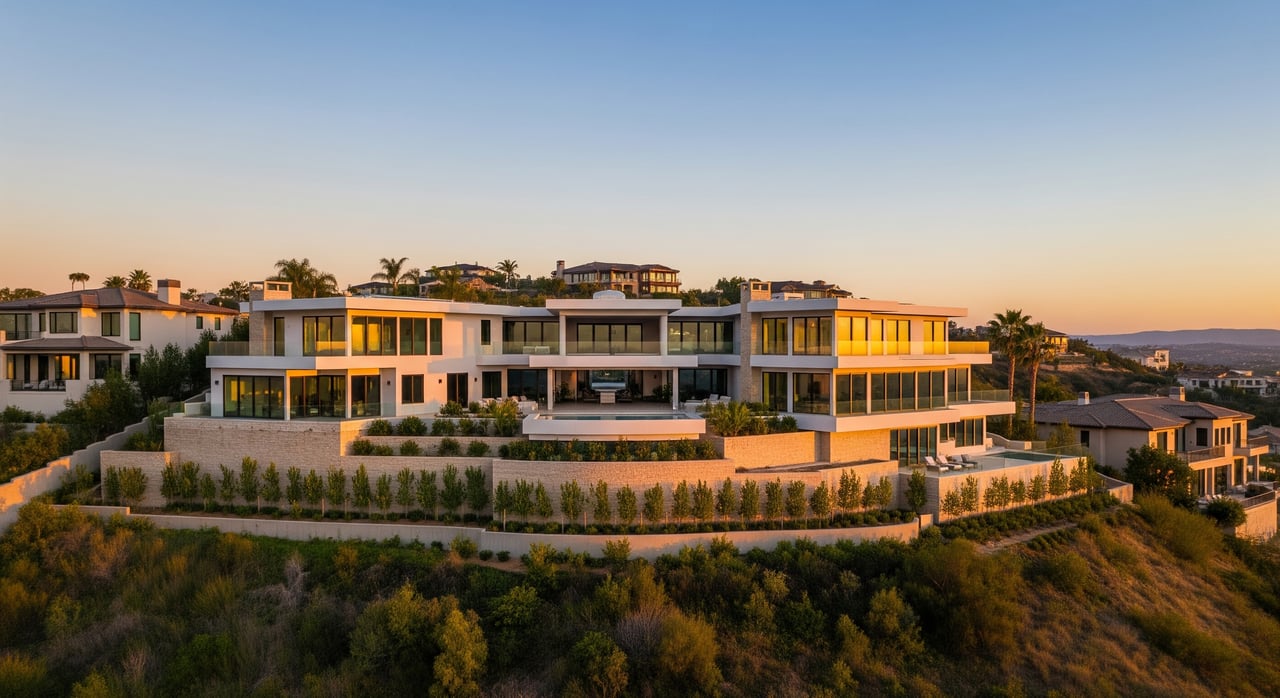
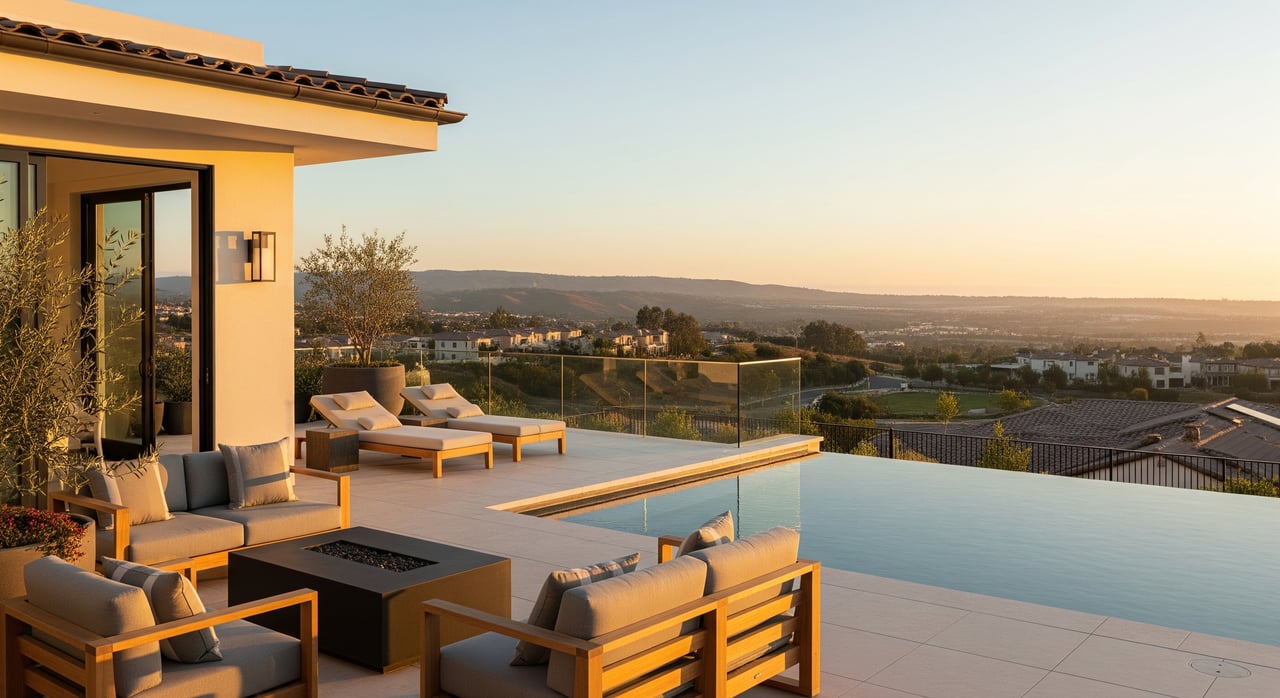
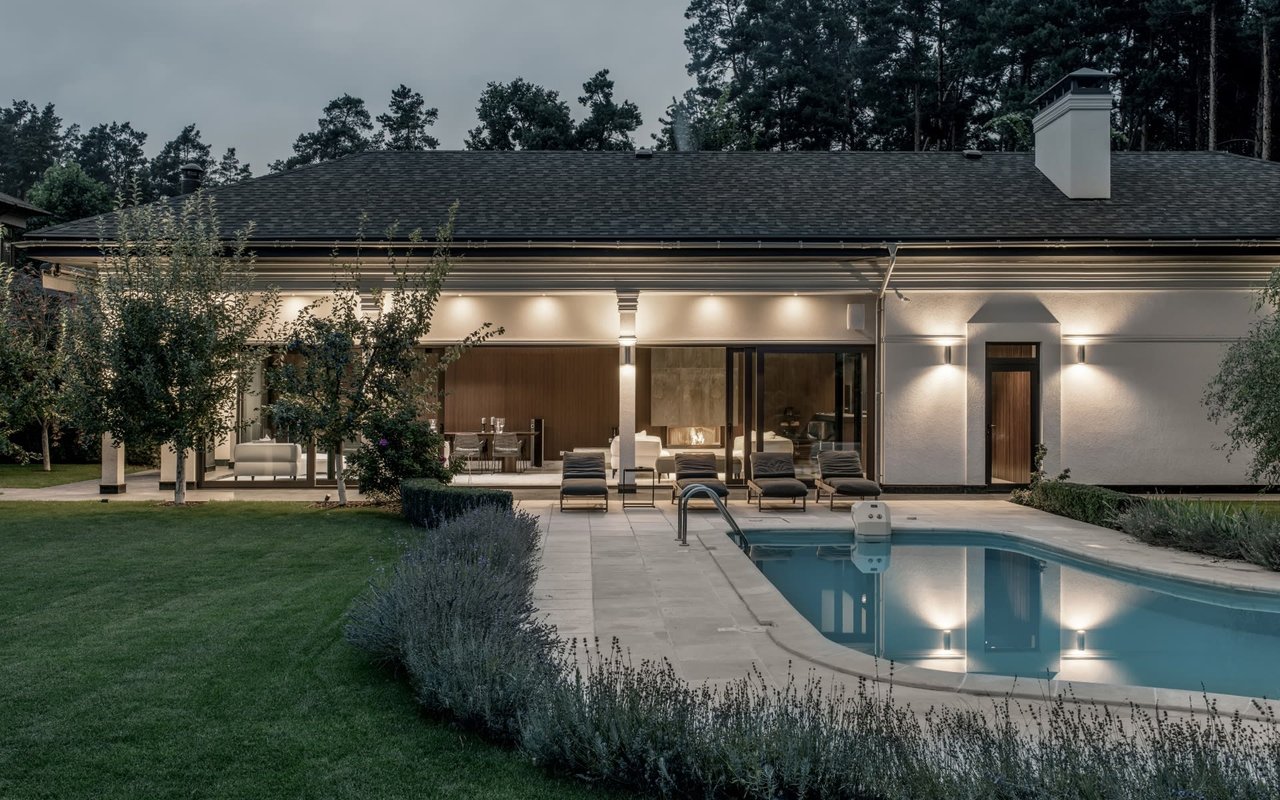
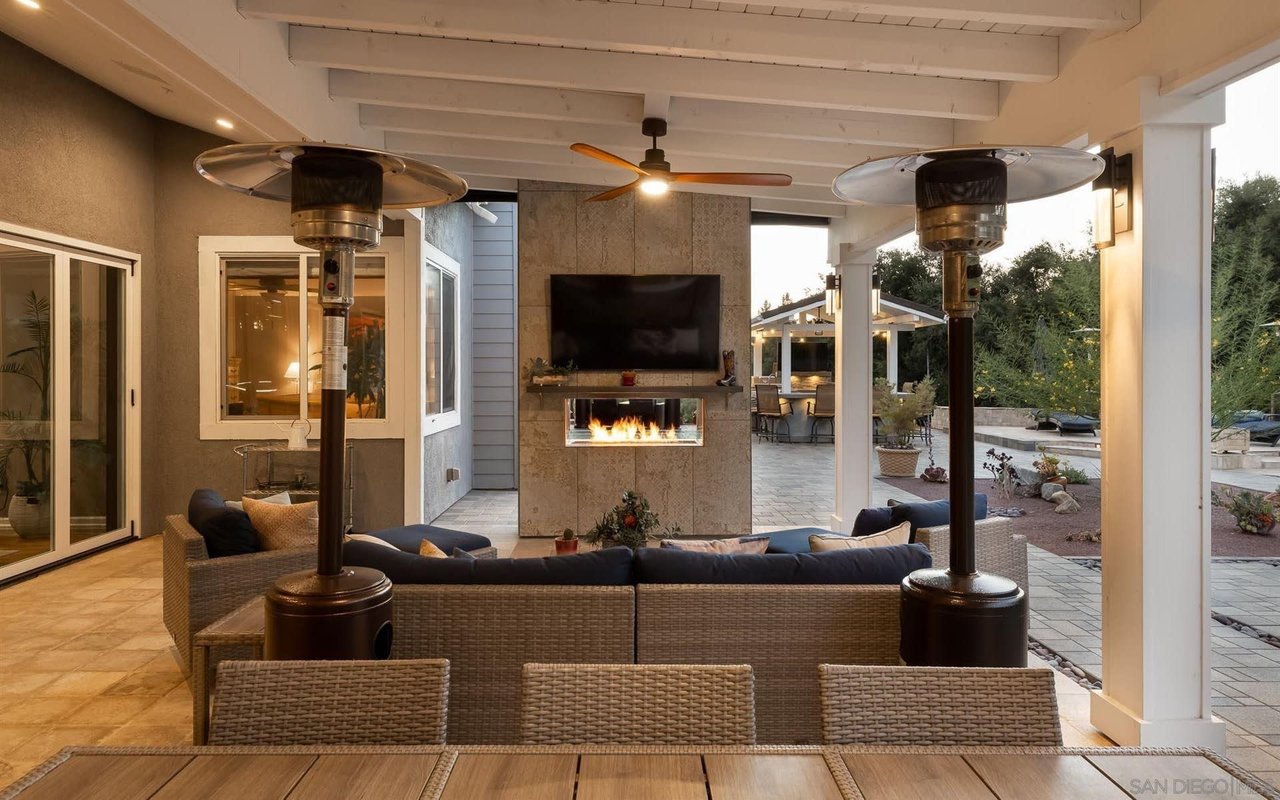
For move-up and premium homes, presentation and positioning can make a meaningful difference. A polished launch, strong visuals, and a clear pricing strategy help buyers connect the home to the broader lifestyle they want. In a city with this much variety, that clarity matters.
This is especially true in North County suburban markets, where buyers often compare multiple communities before making a move. Your home is not only competing on features. It is competing on how well it represents a specific Escondido lifestyle.
If you are considering a move in or around North County, working with an experienced local advisor can help you evaluate the right fit, pricing strategy, and next steps with more confidence. To talk through your options, connect with Peter Heines.
FAQs
What is Escondido wine country like for homebuyers?
- Escondido wine country is spread across areas like San Pasqual Valley, Highland Valley, and in-town tasting locations, so the lifestyle can range from semi-rural and scenic to more suburban with easy access to wineries.
What kinds of homes can you find in Escondido?
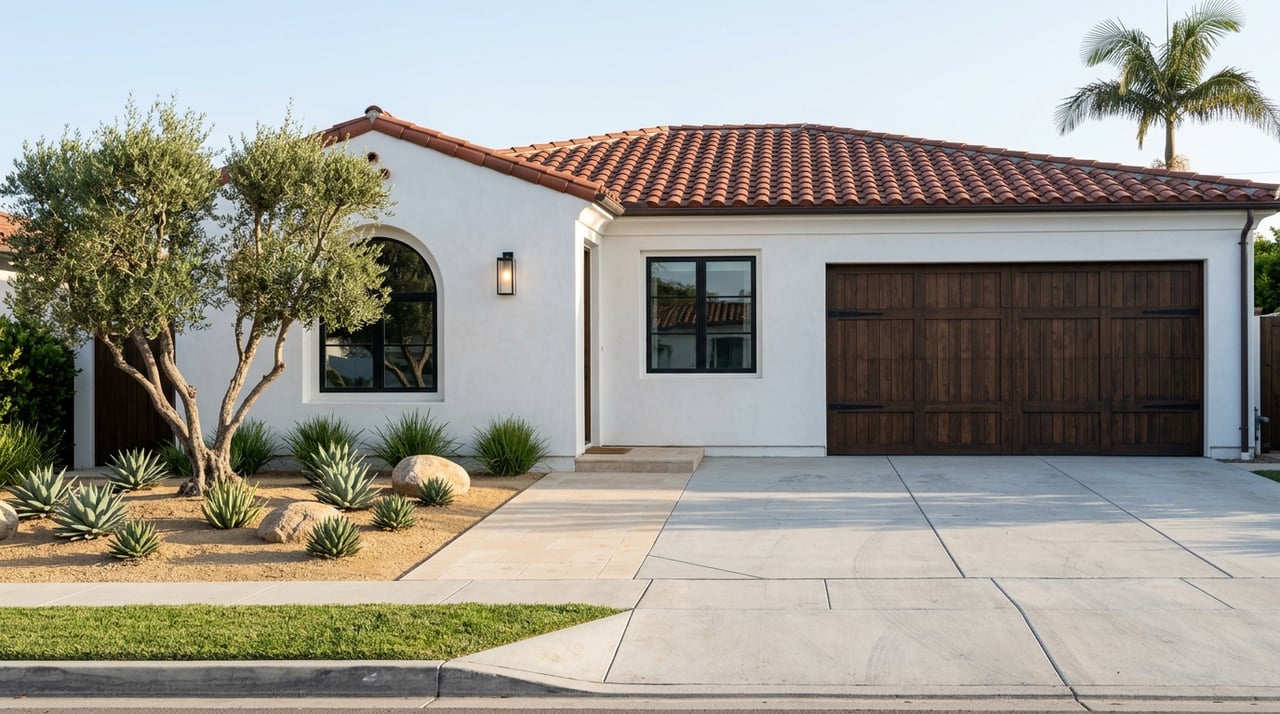
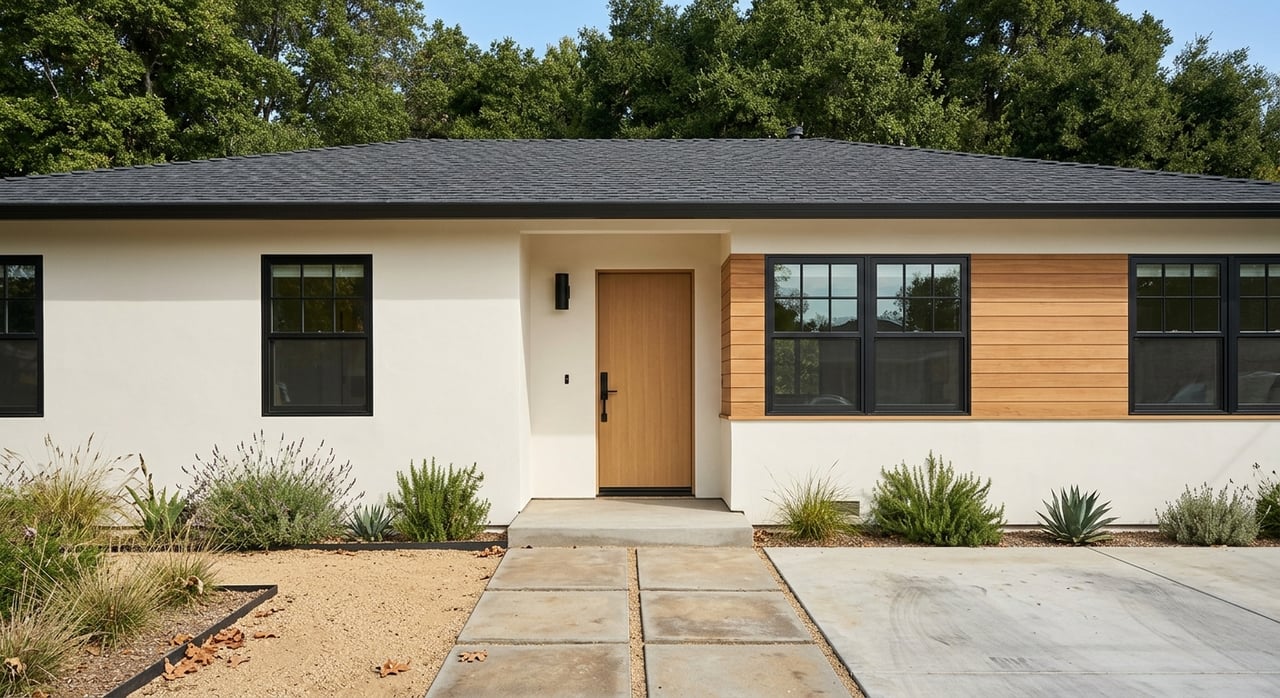
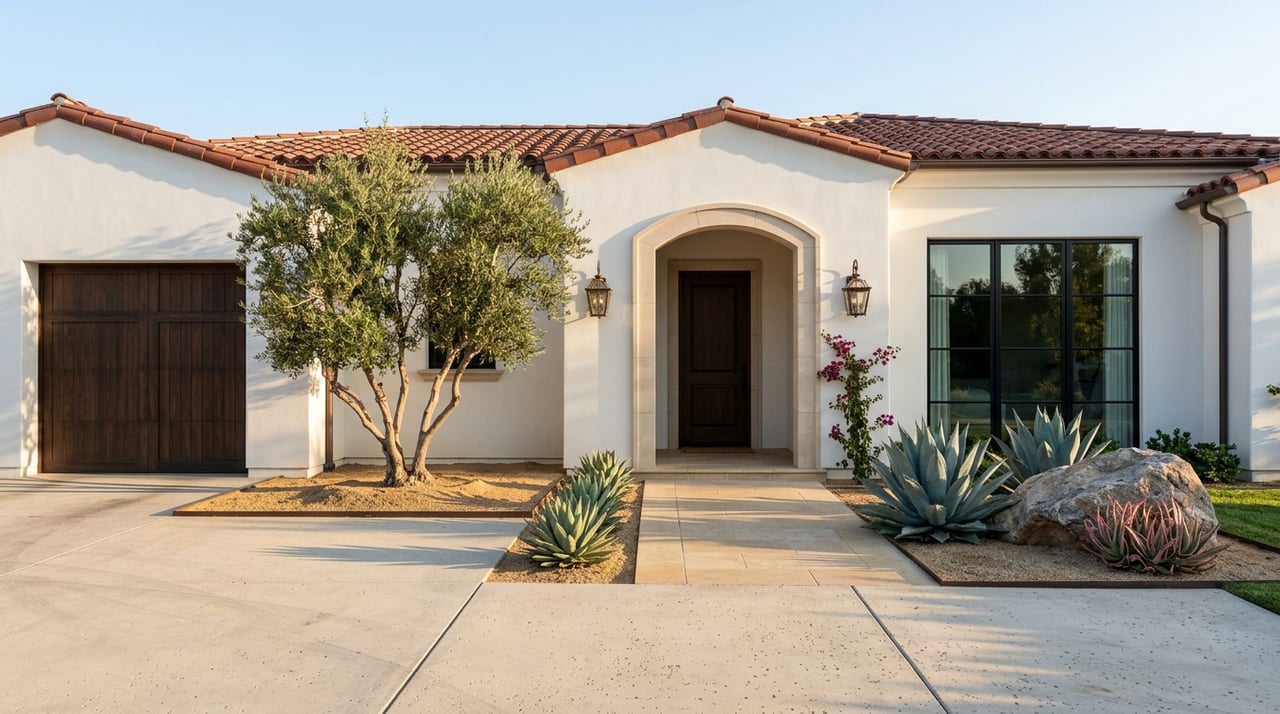
- Escondido includes historic homes in Old Escondido, single-family suburban neighborhoods on the valley floor, mixed-use areas near downtown, and planned communities such as Rancho San Pasqual and Eagle Crest.
What makes downtown Escondido appealing to residents?
- Downtown Escondido offers a historic core around Grand Avenue with shops, restaurants, galleries, parks, community events, and streetscape improvements designed to support a more walkable experience.
How important is open space in Escondido living?
- Open space is a major part of the local lifestyle, with Daley Ranch, Dixon Lake, and Lake Wohlford contributing thousands of acres of preserved land, trails, and outdoor recreation.
Is Escondido more urban or suburban in character?
- Escondido is generally suburban in character, but it includes a historic downtown, older central neighborhoods, and pockets with more open, hillside, or semi-rural settings.