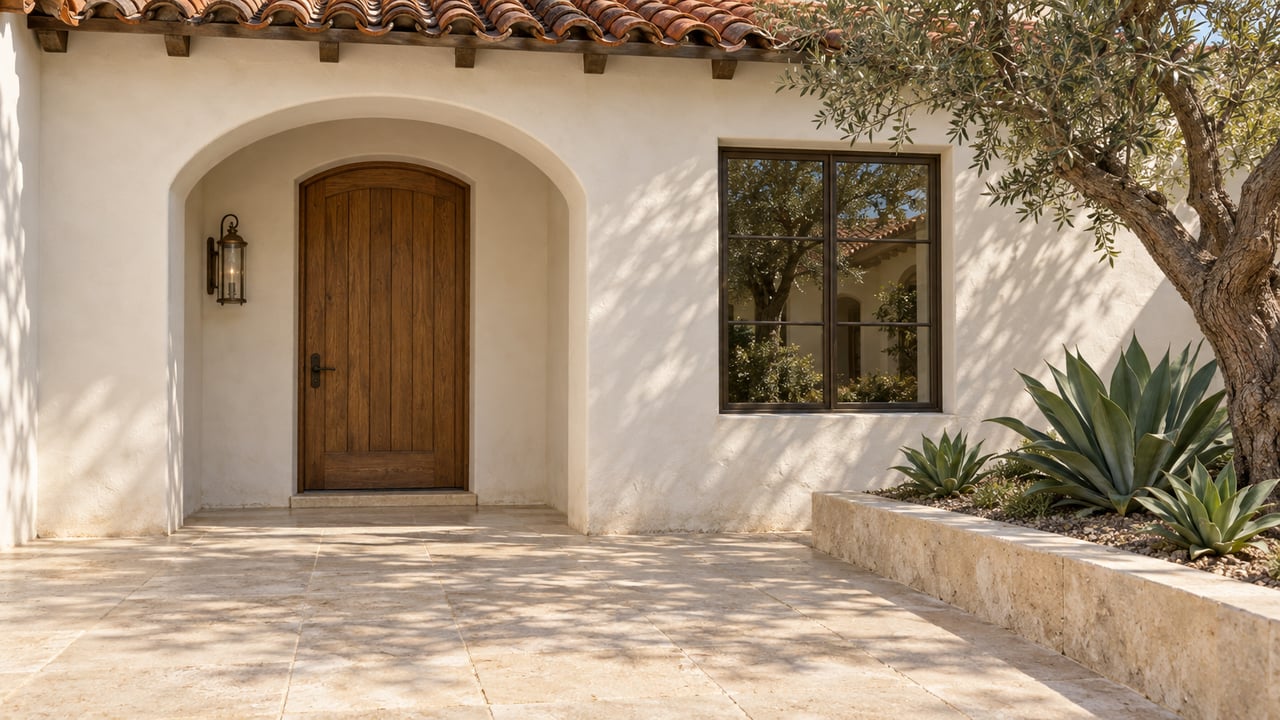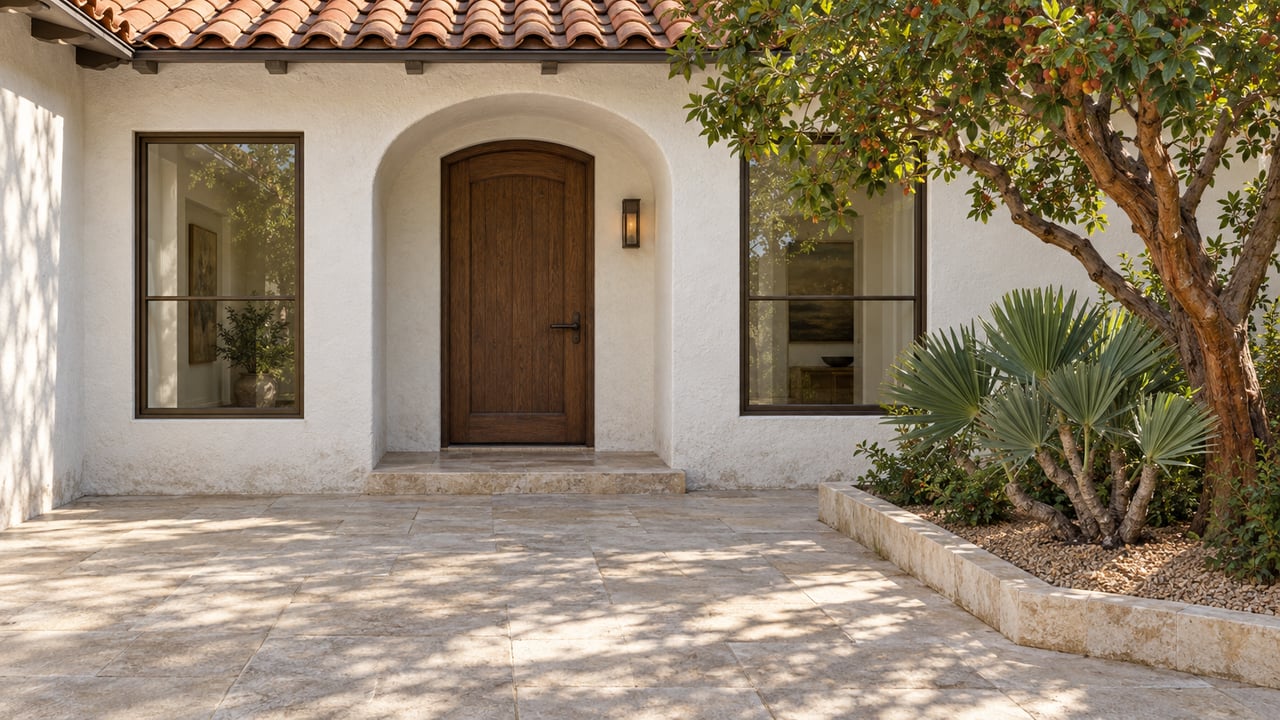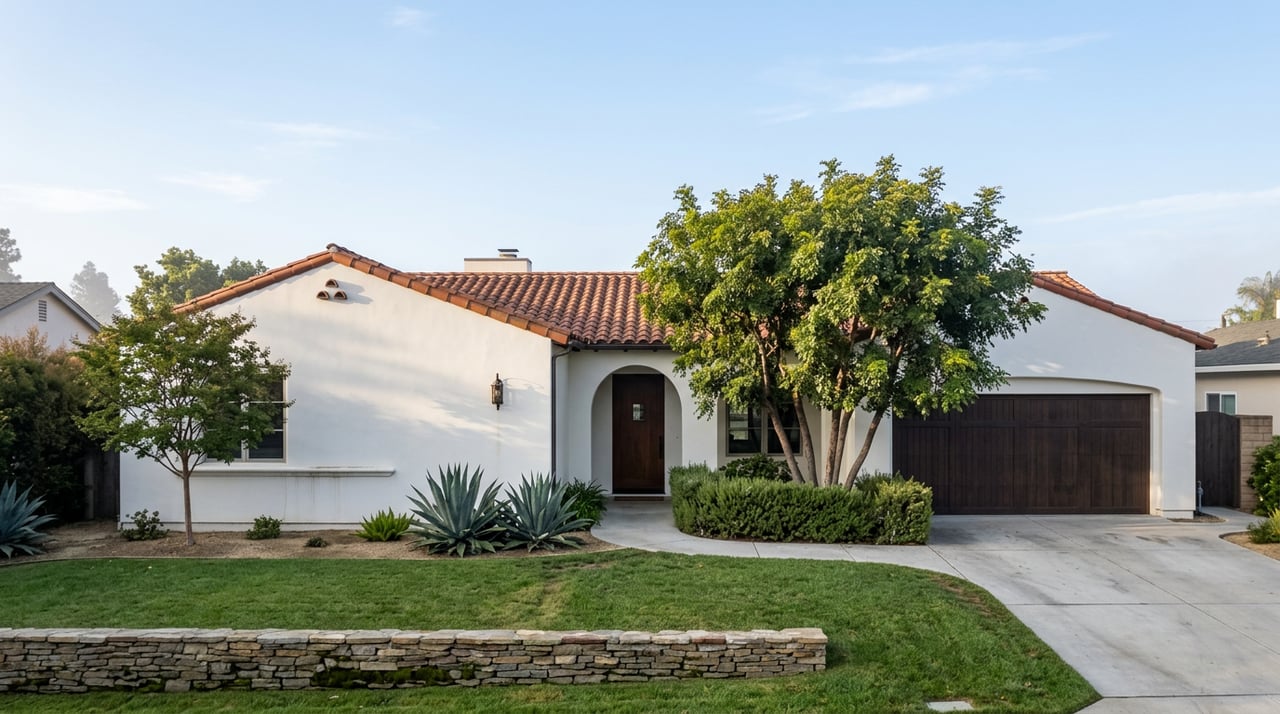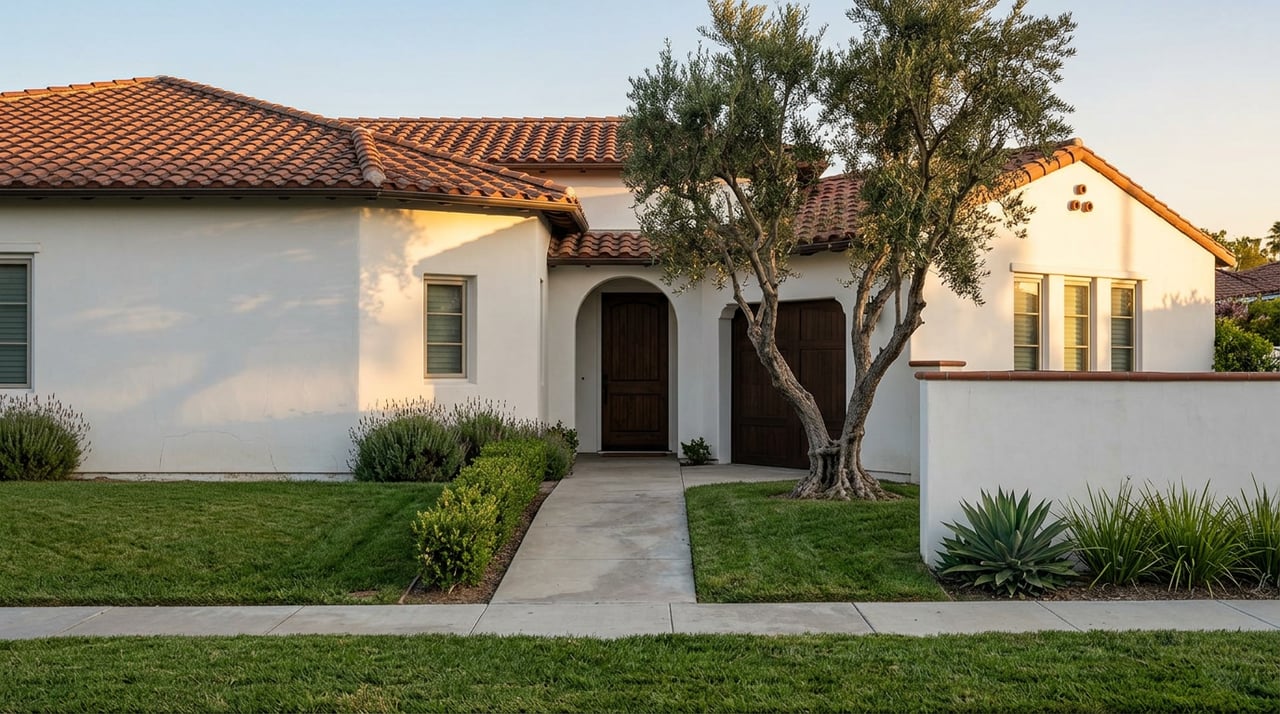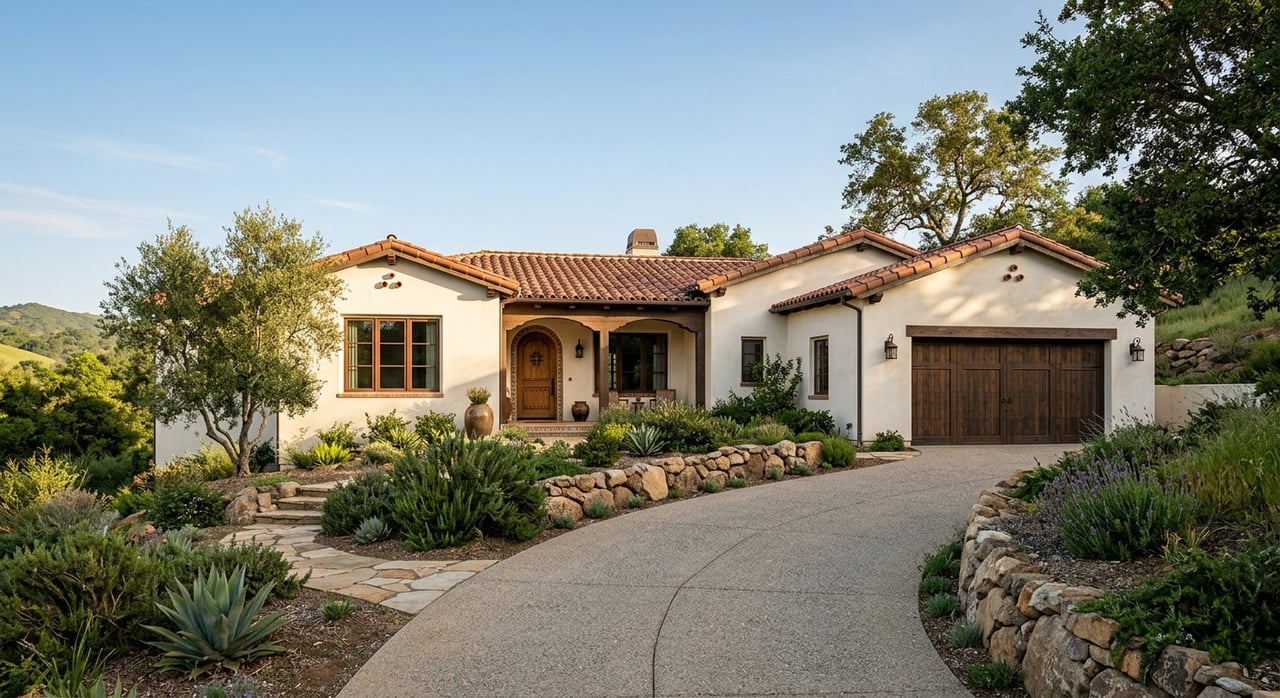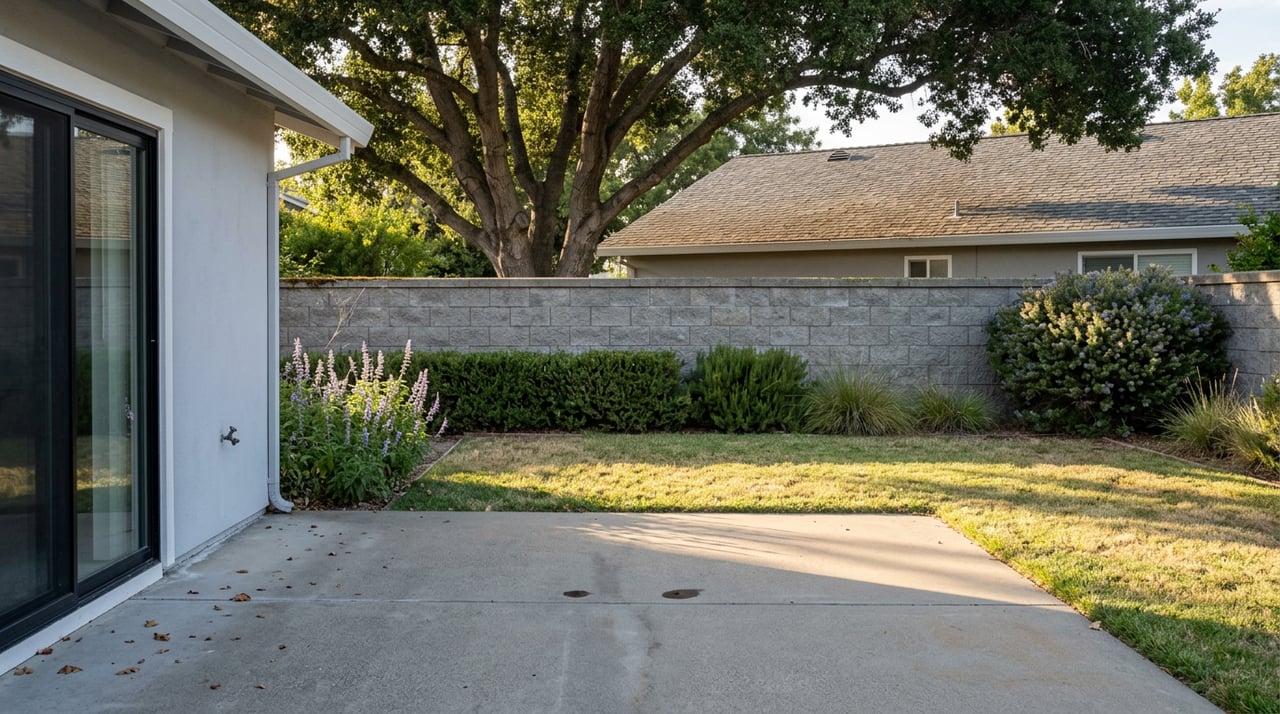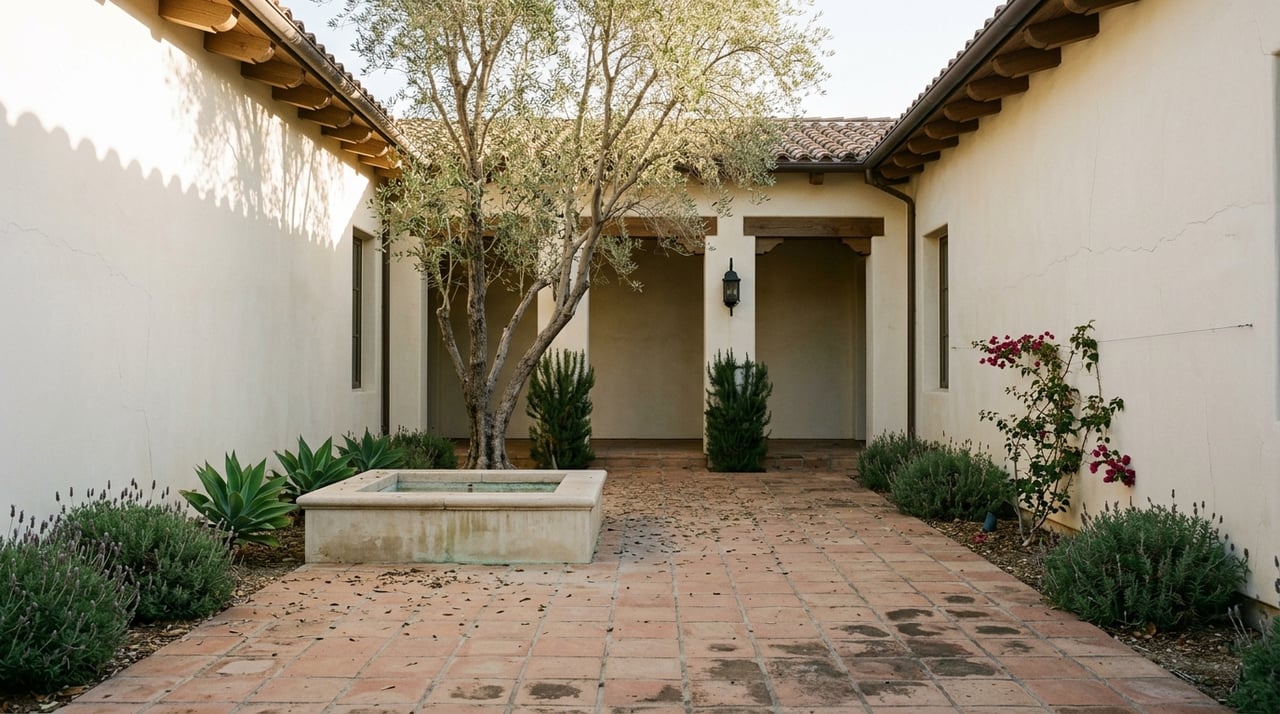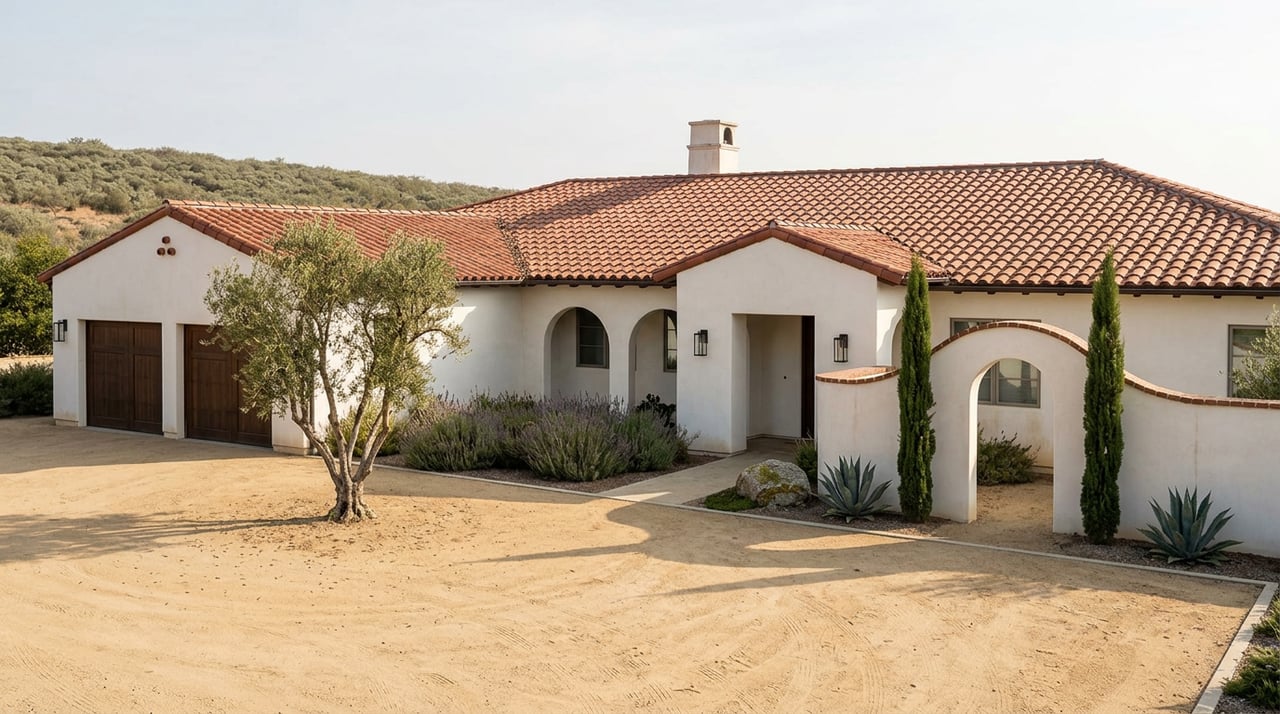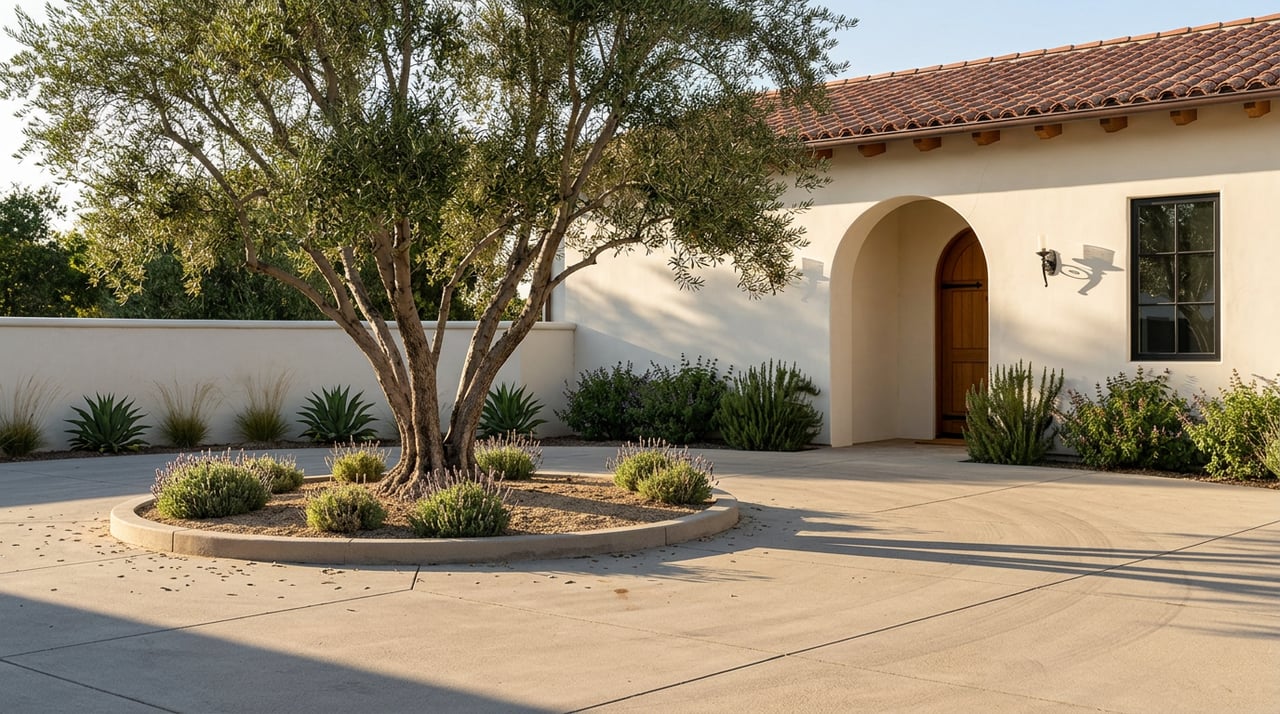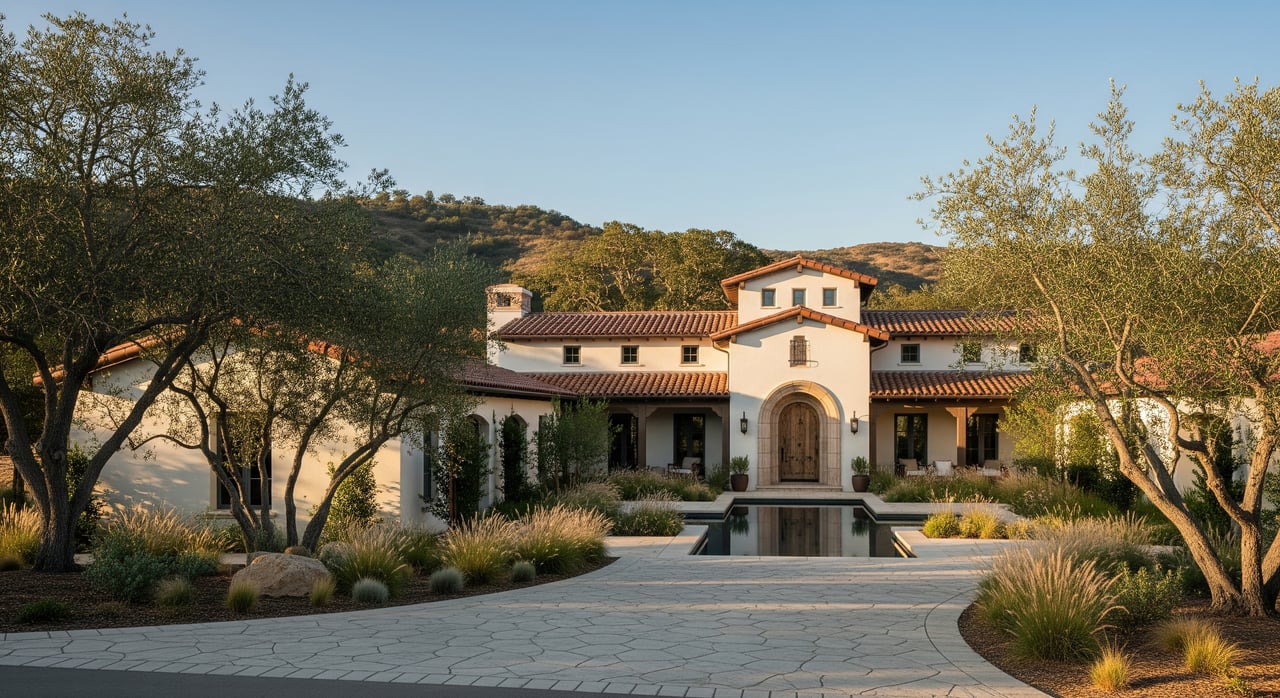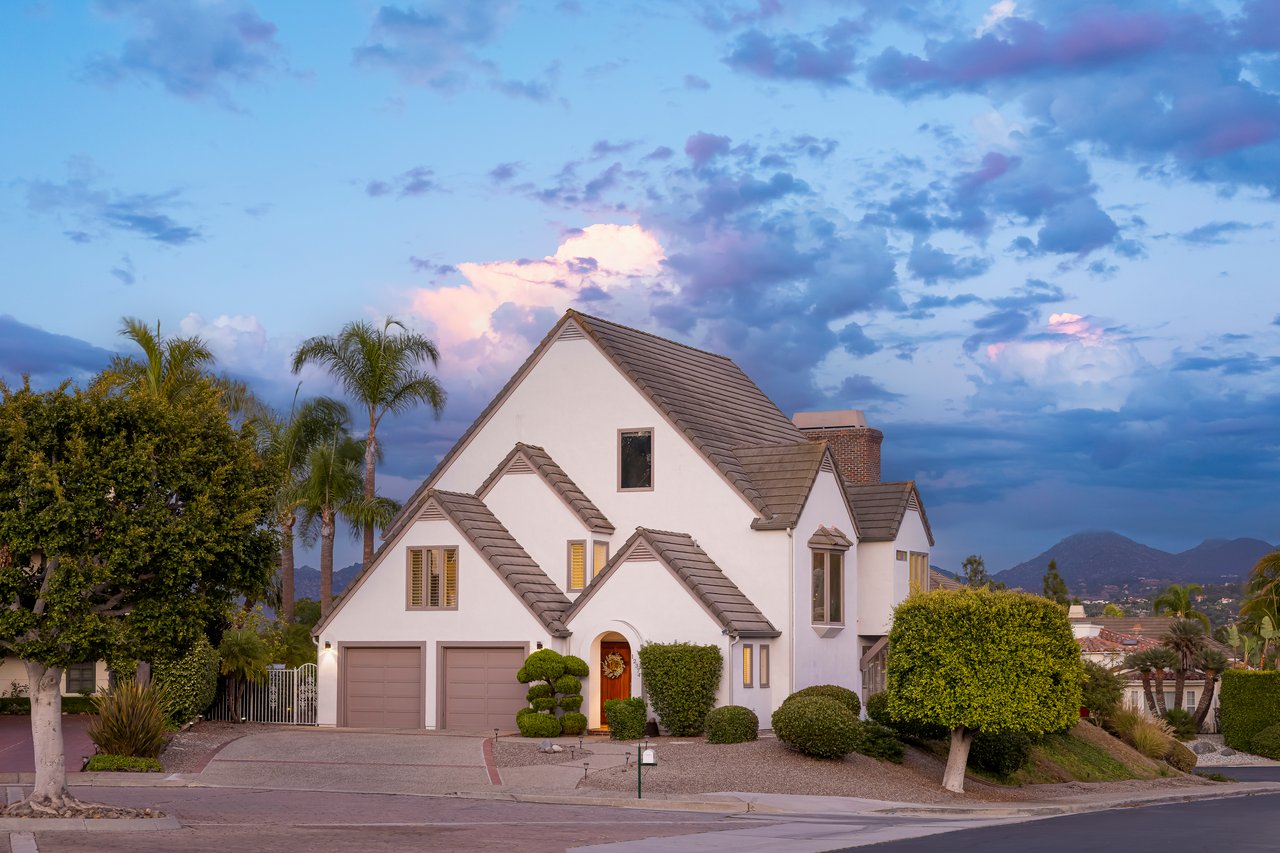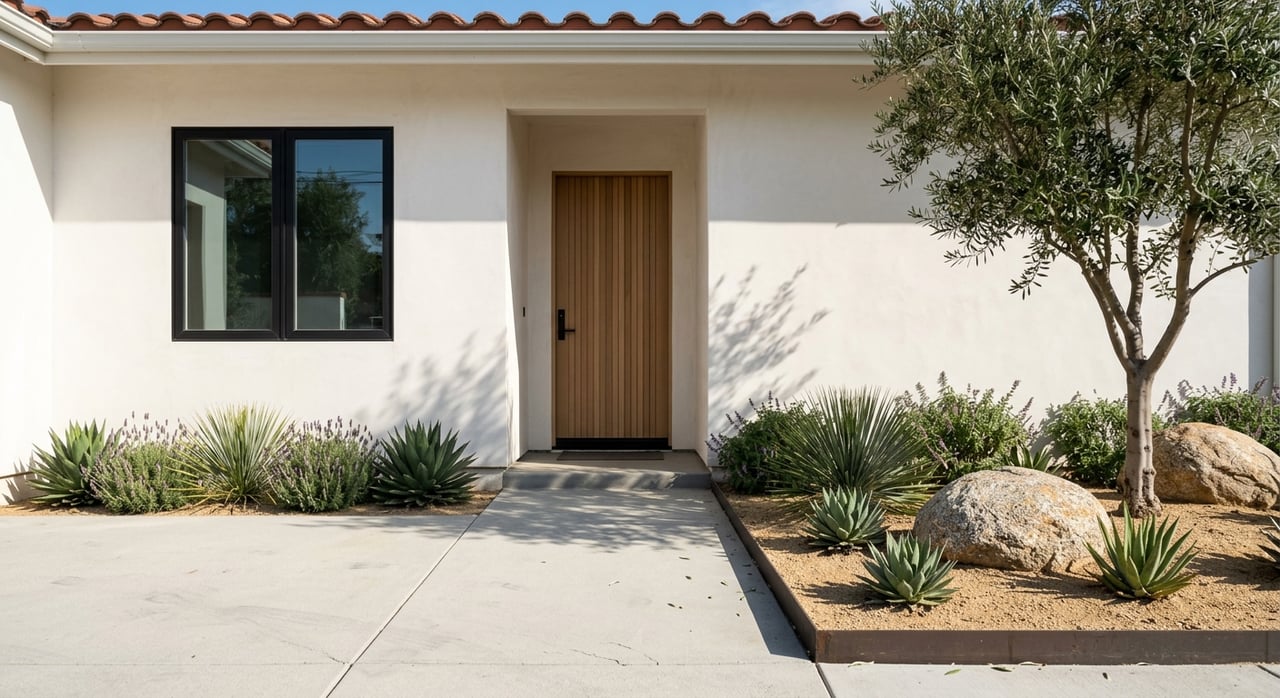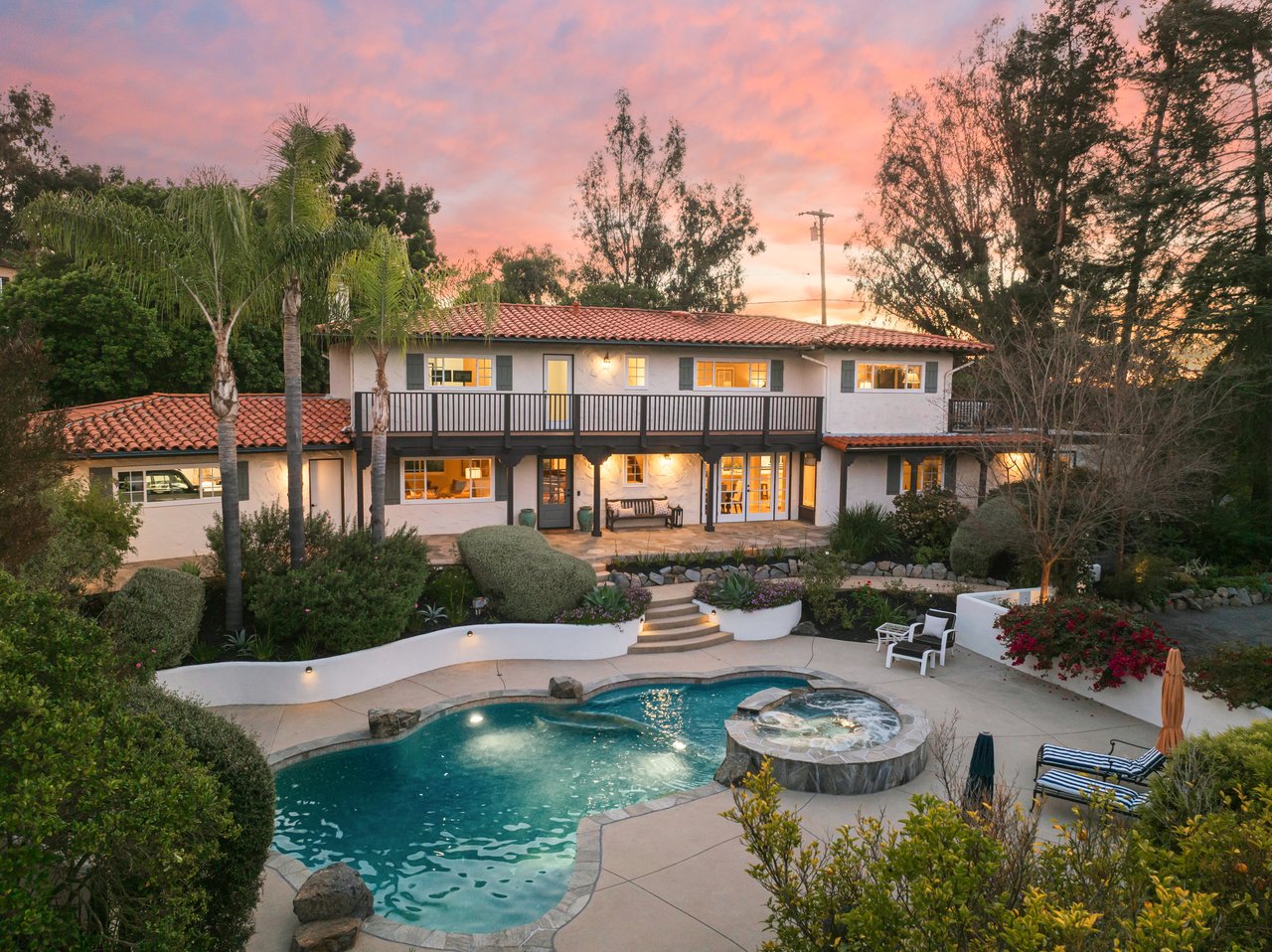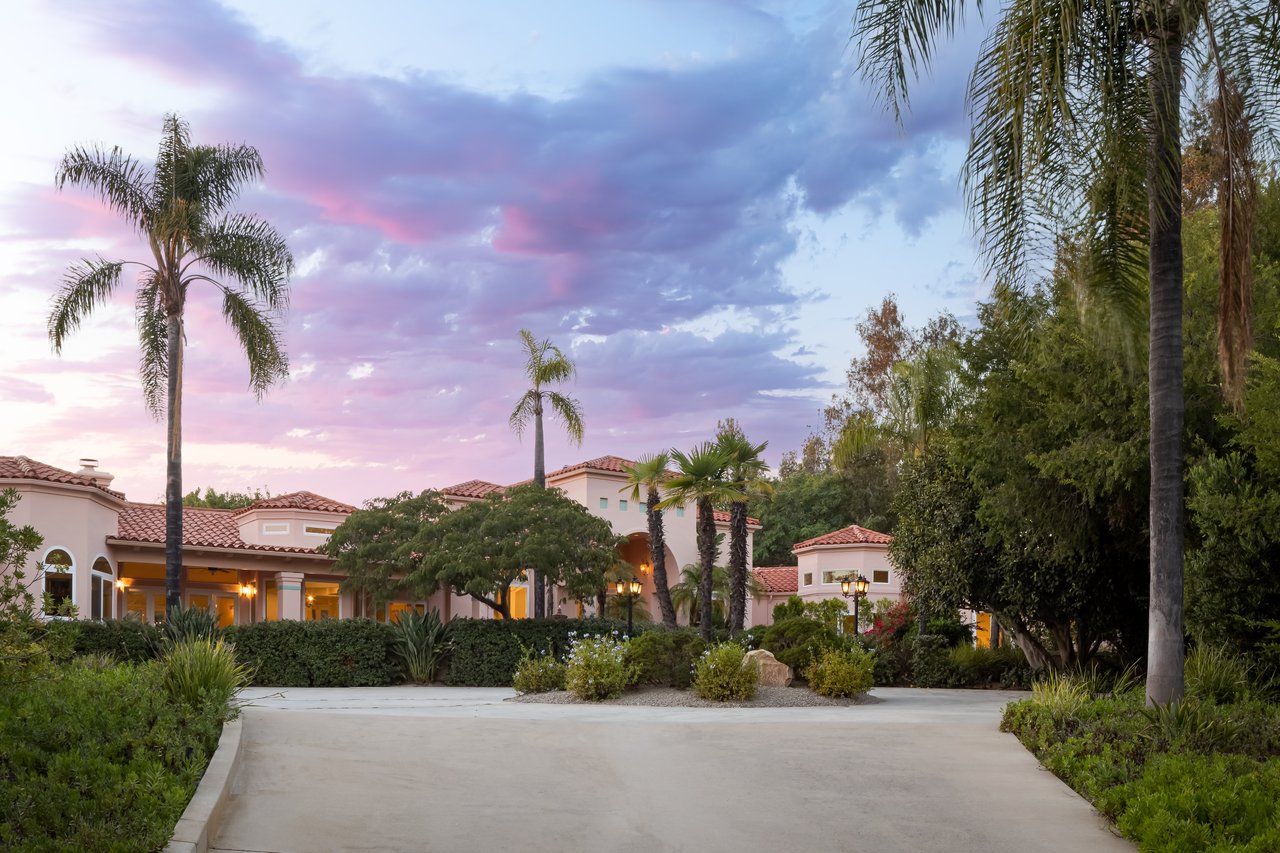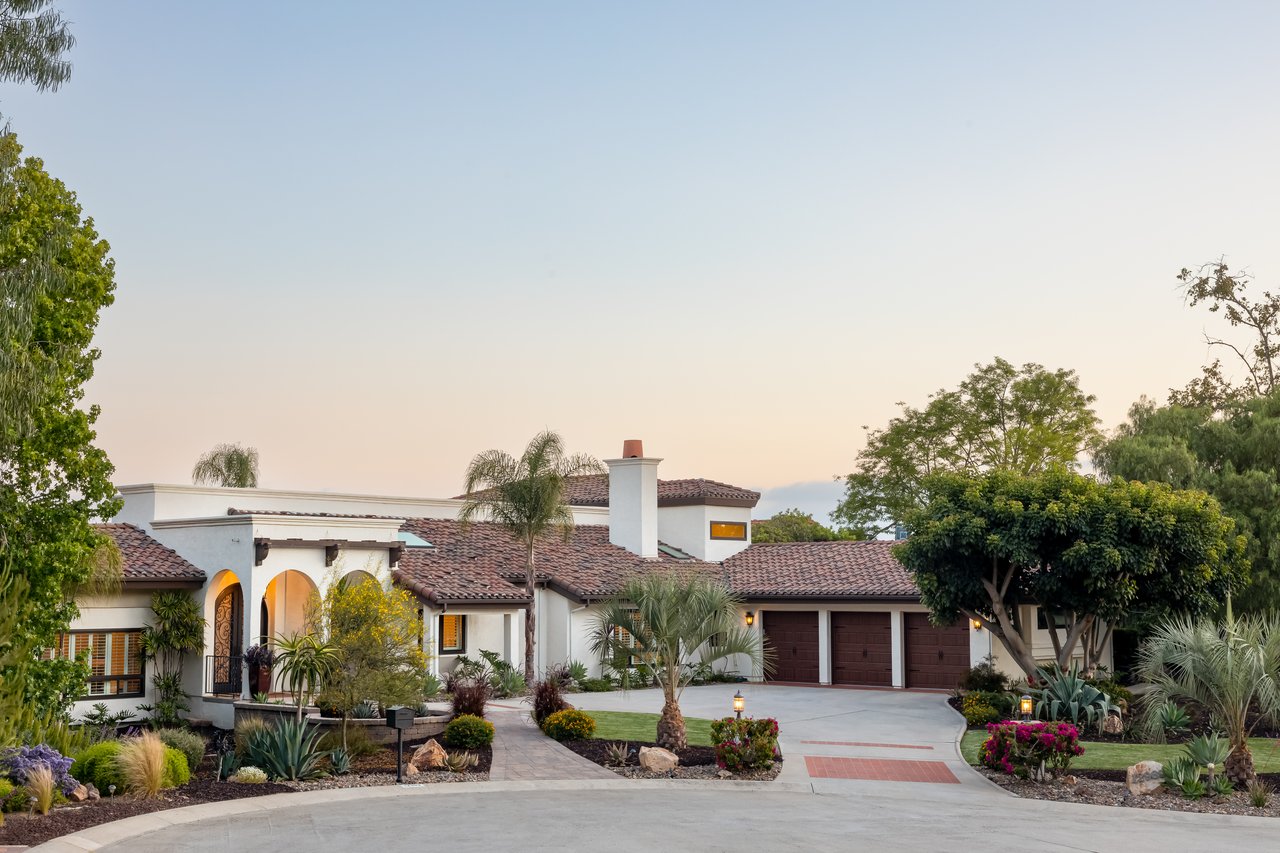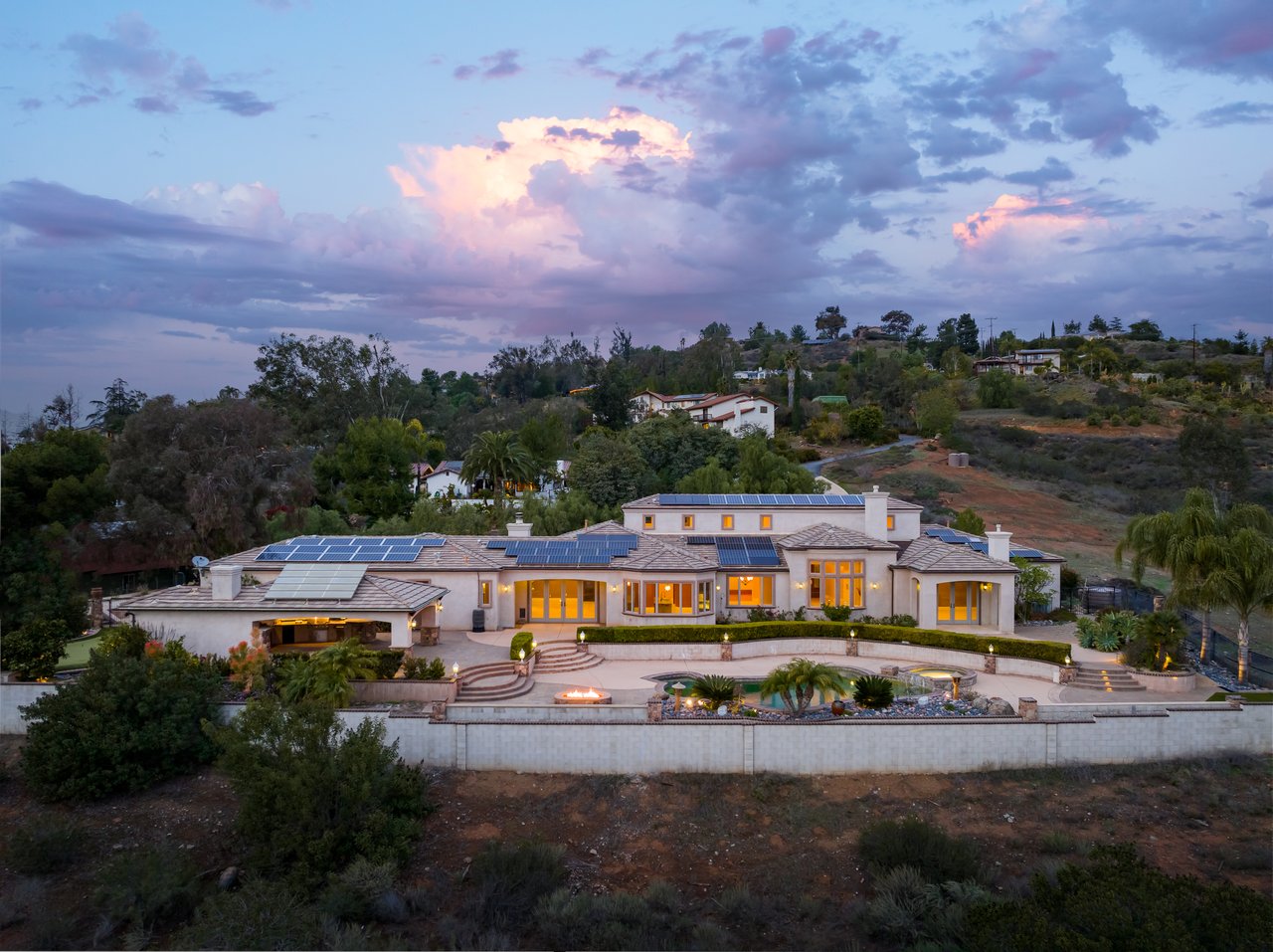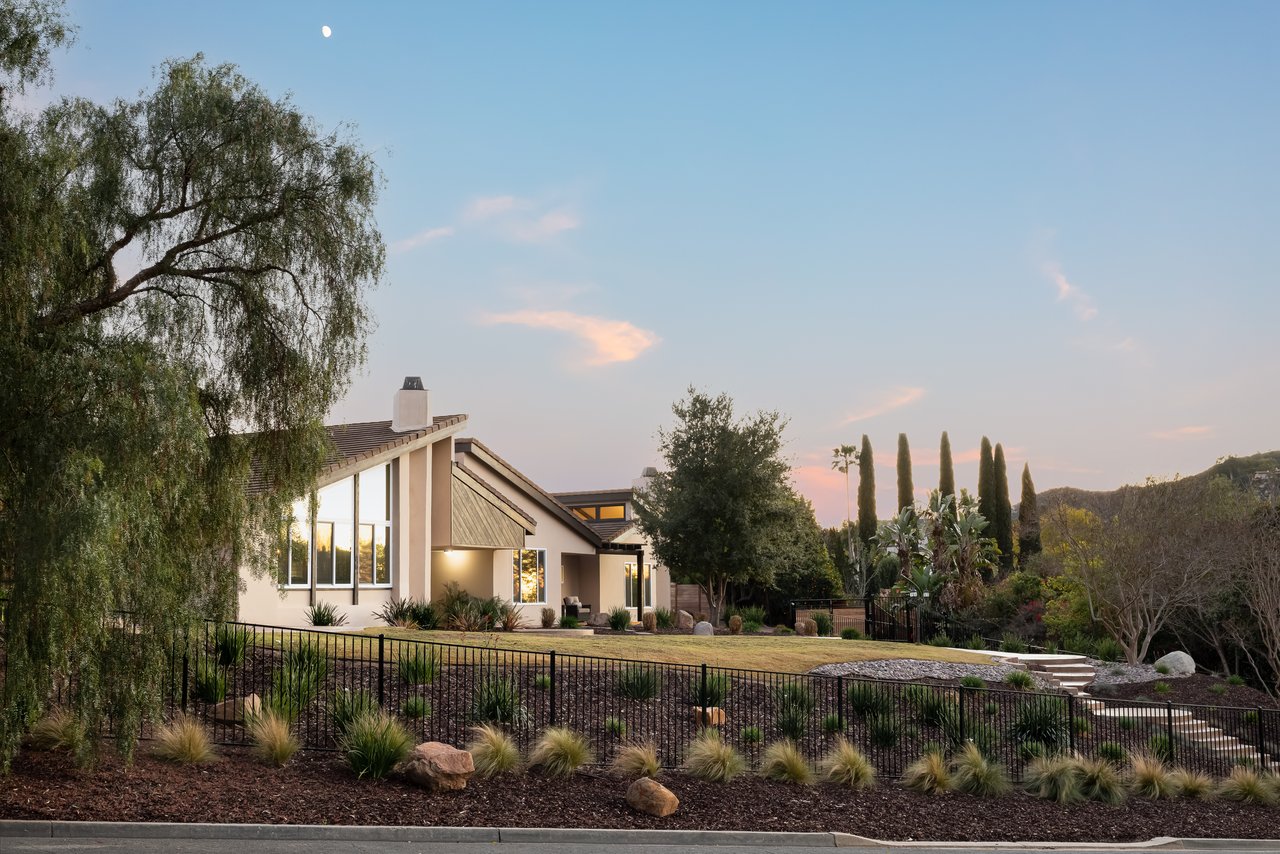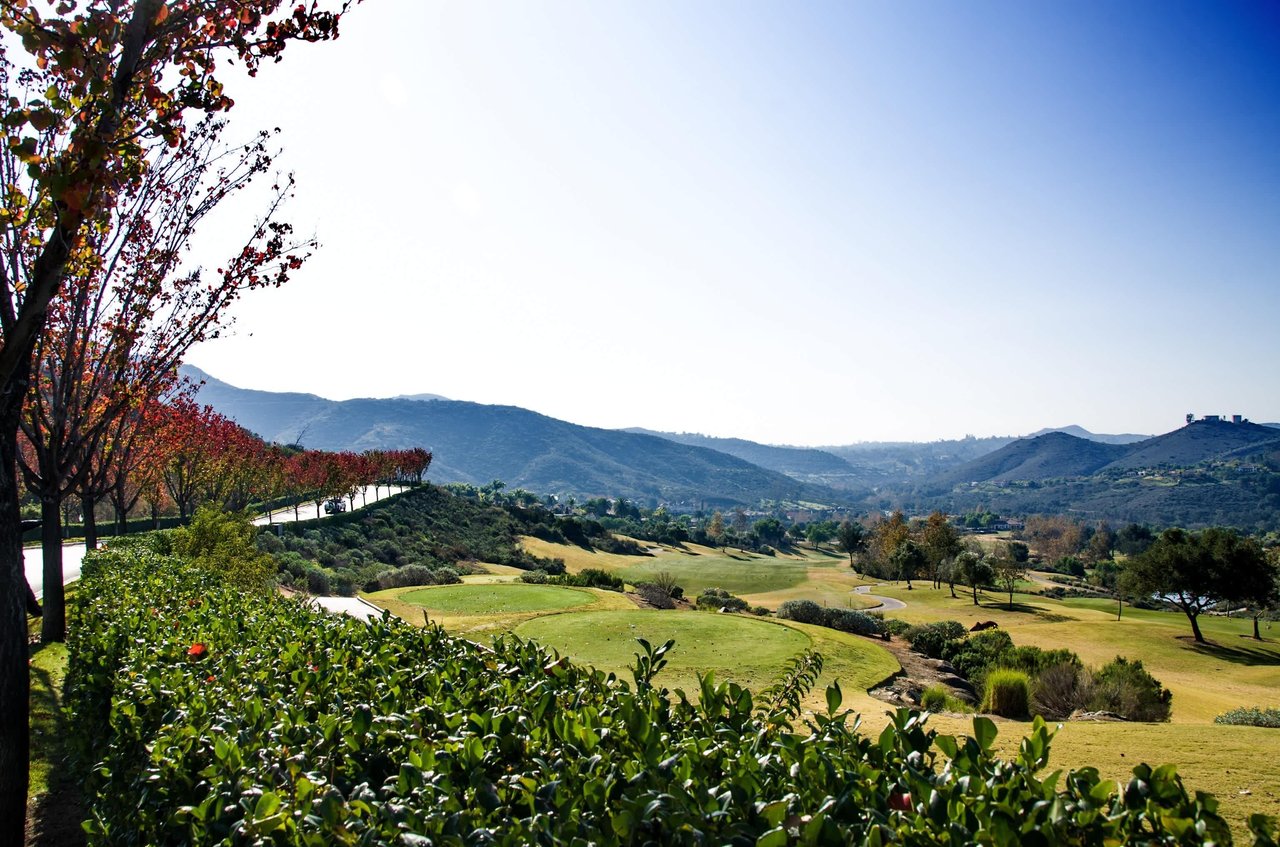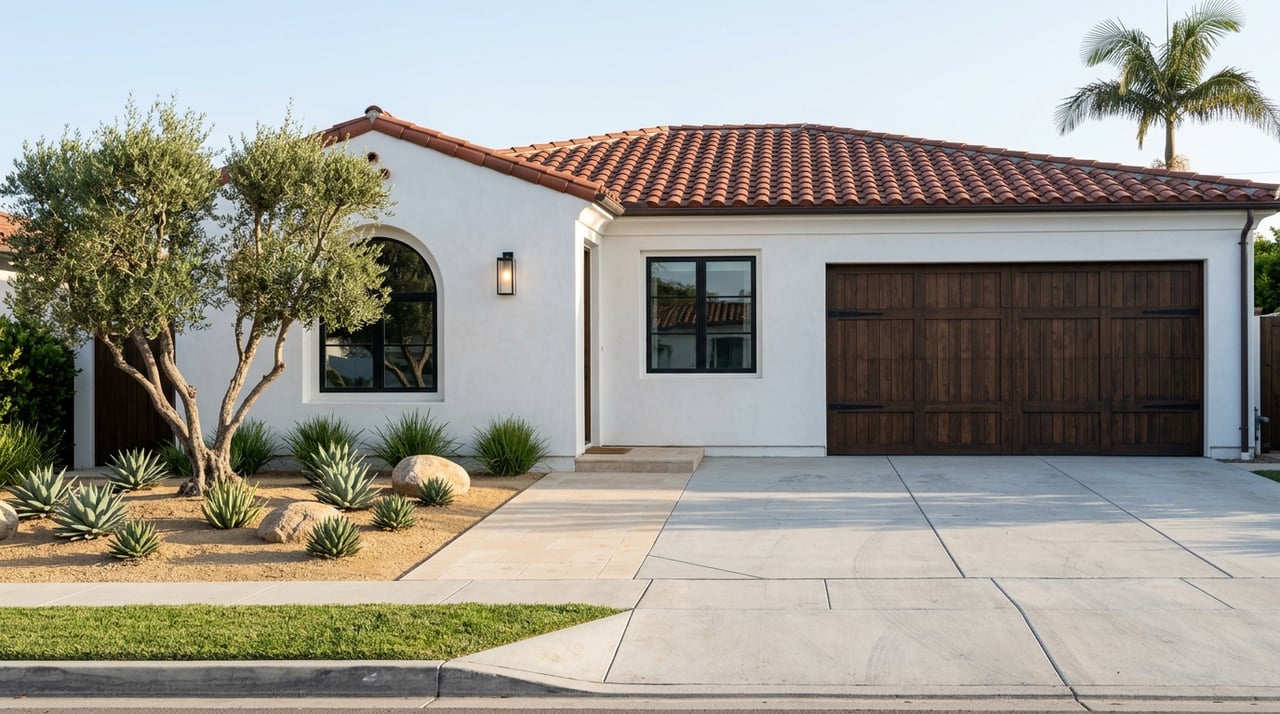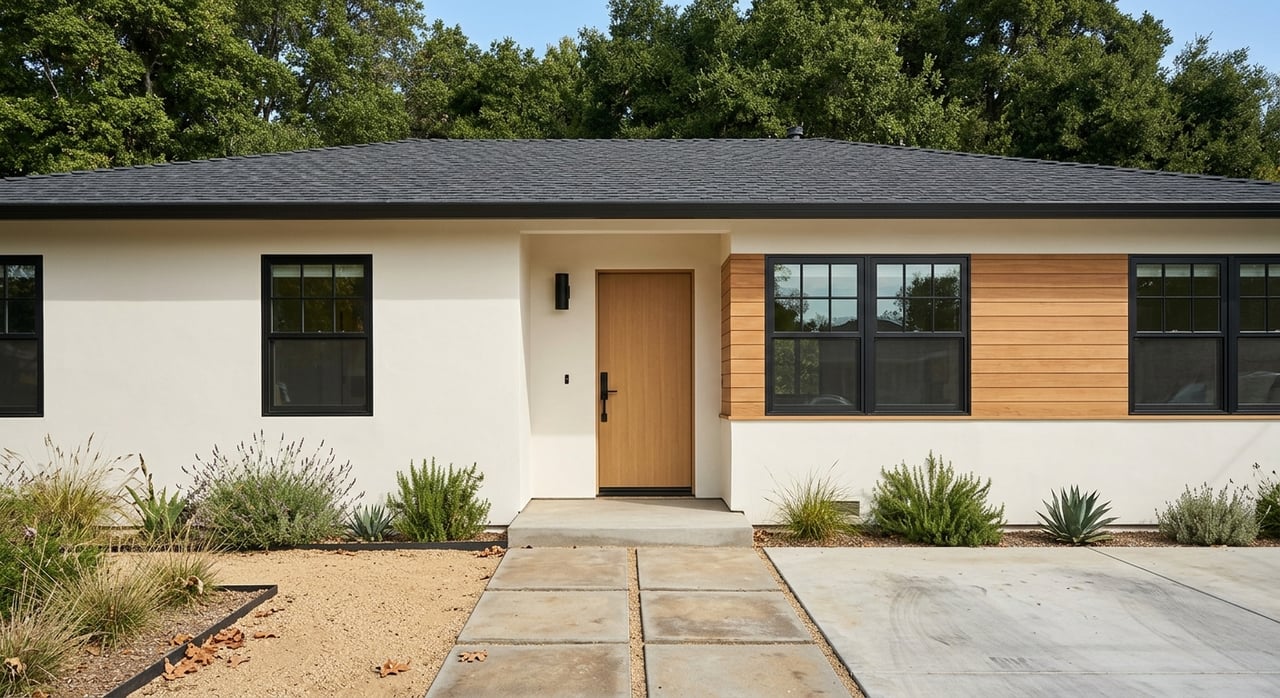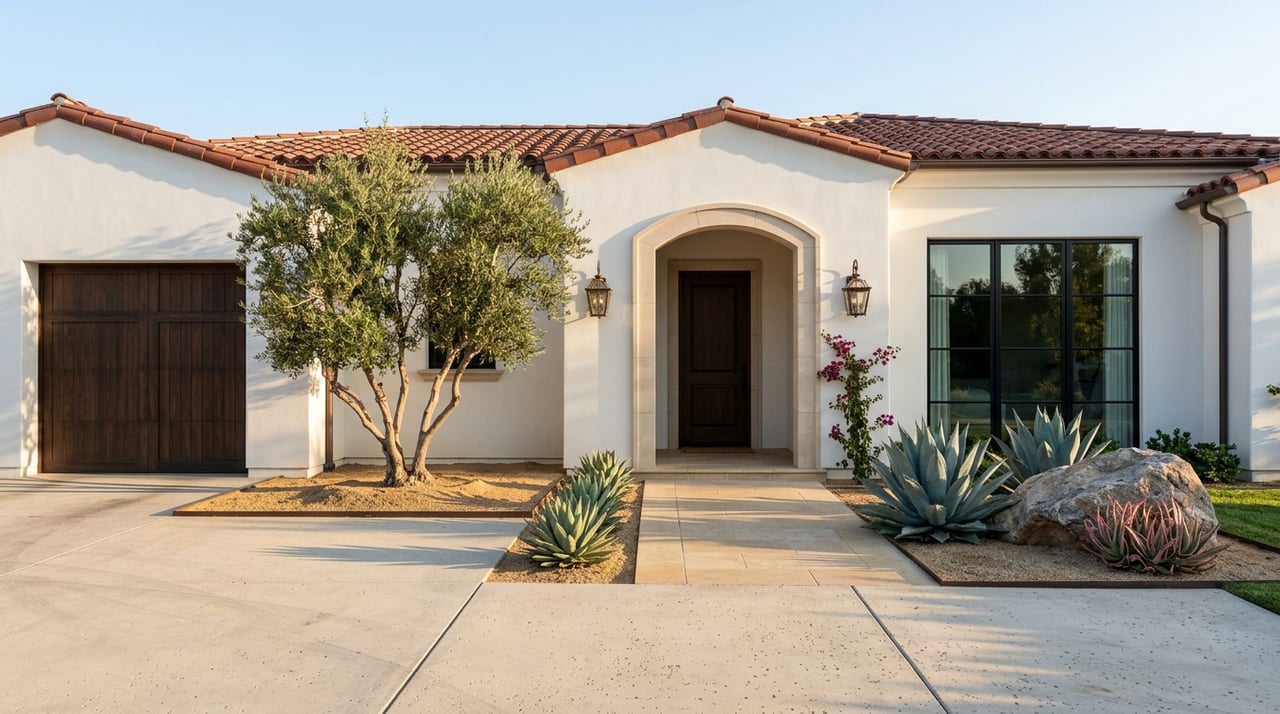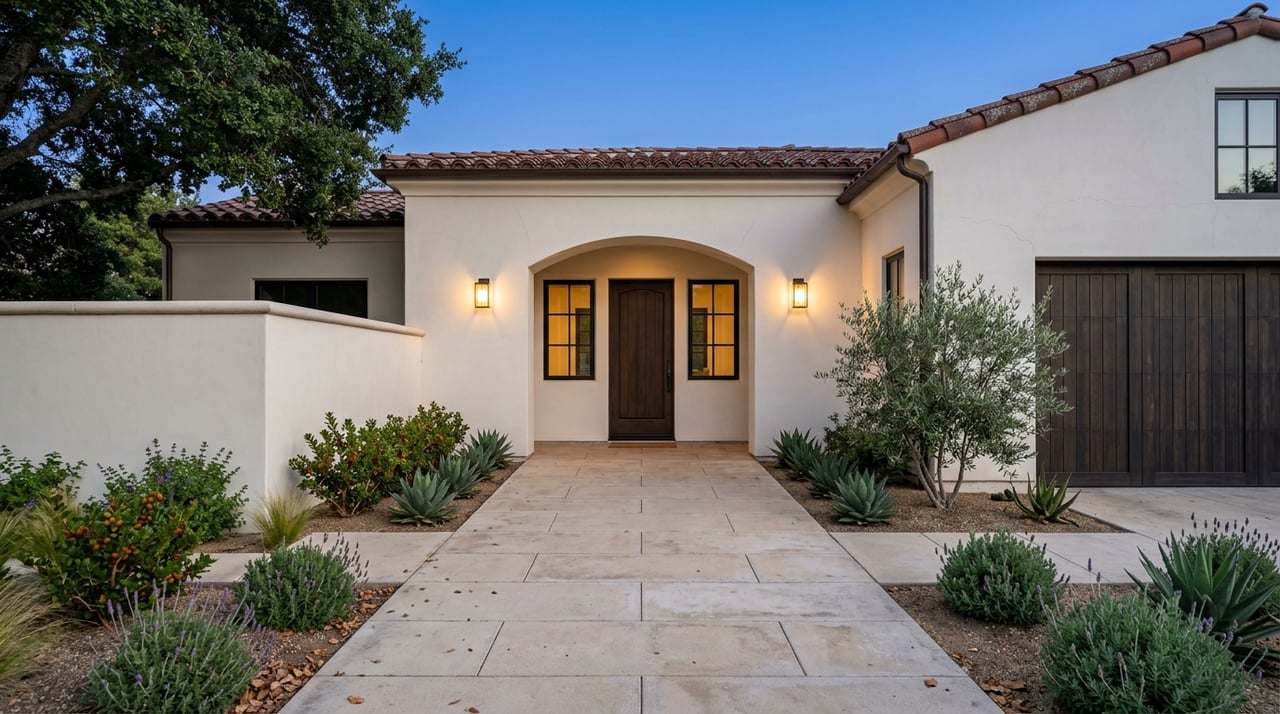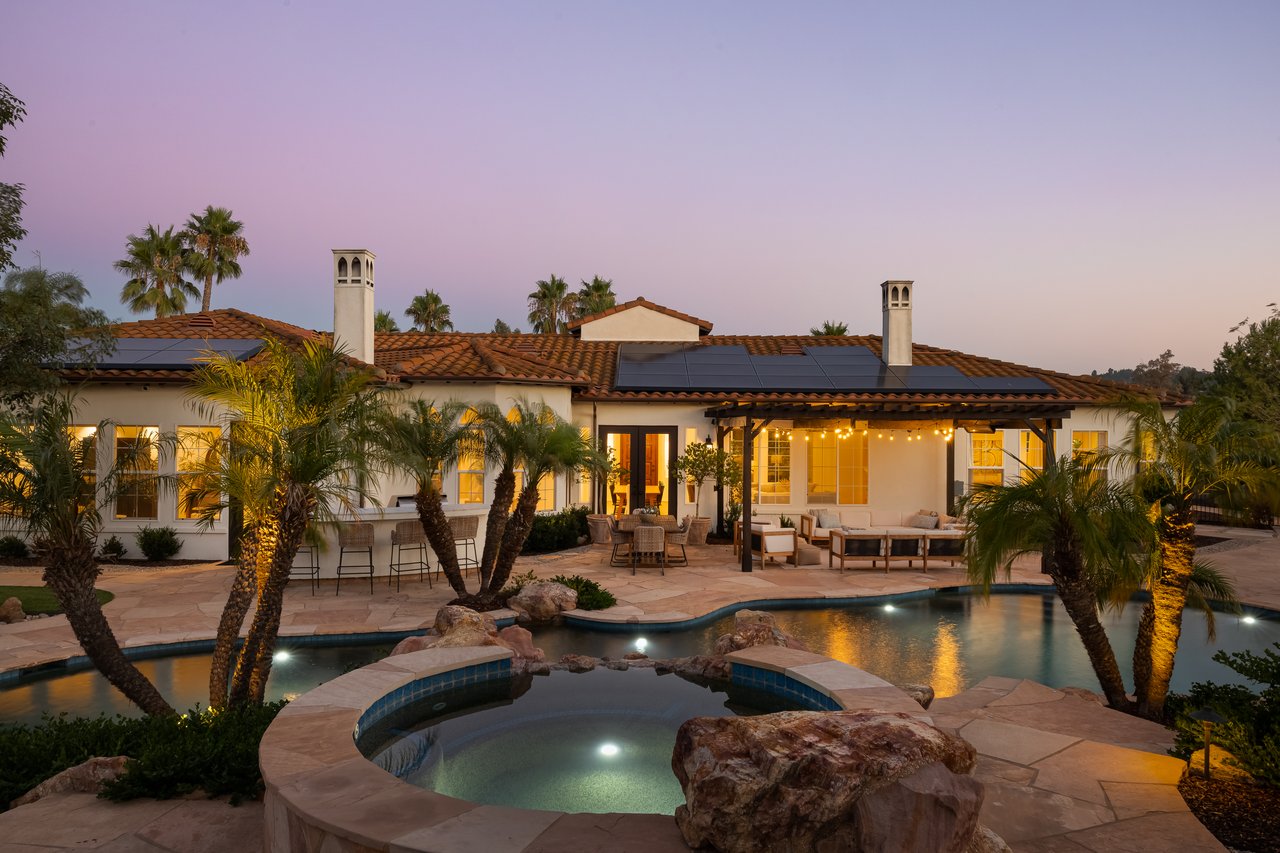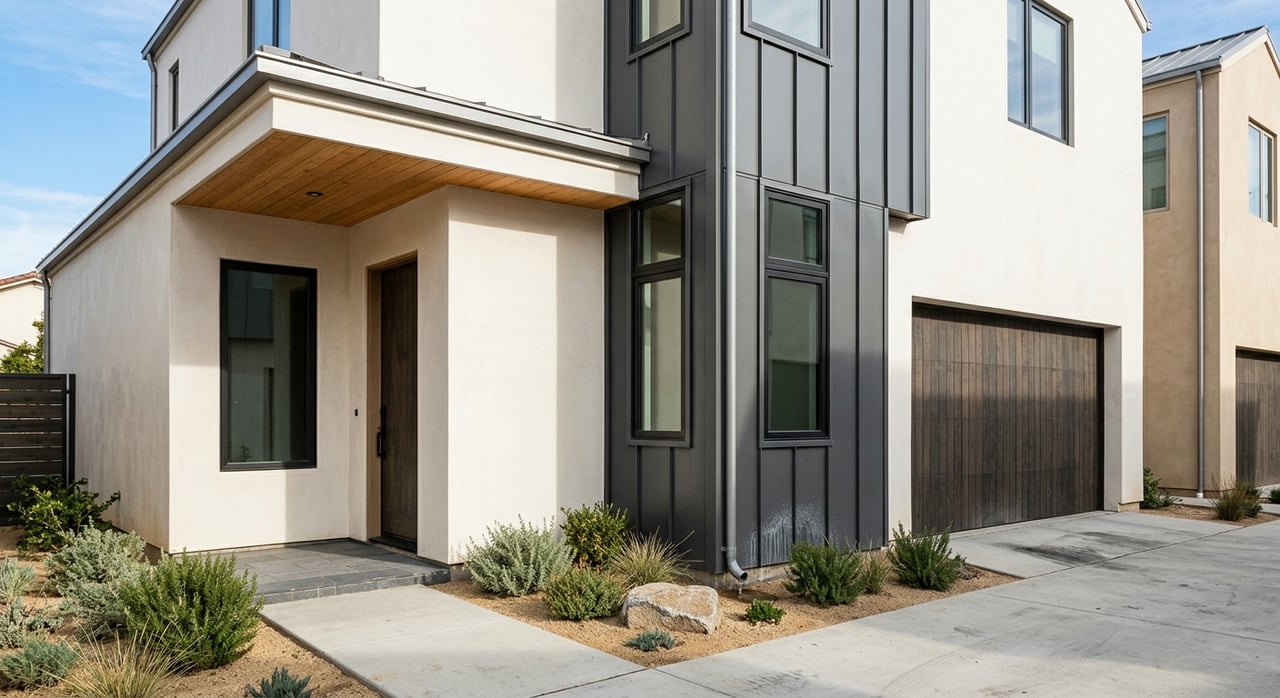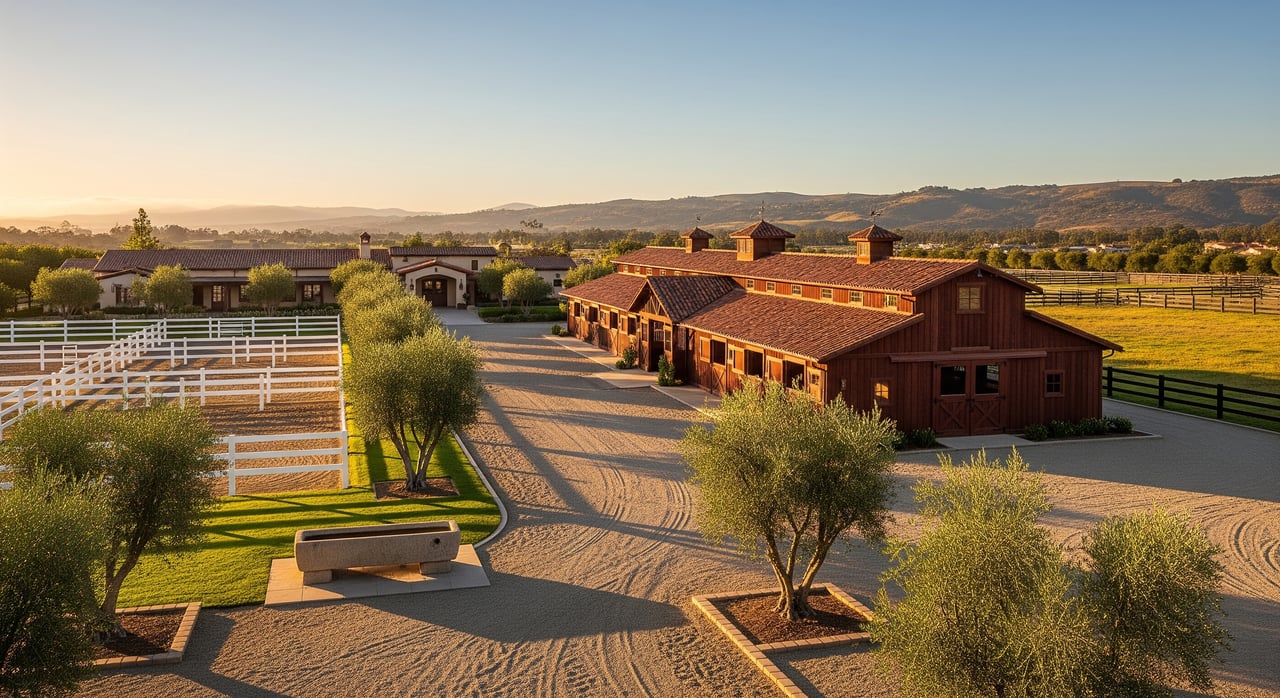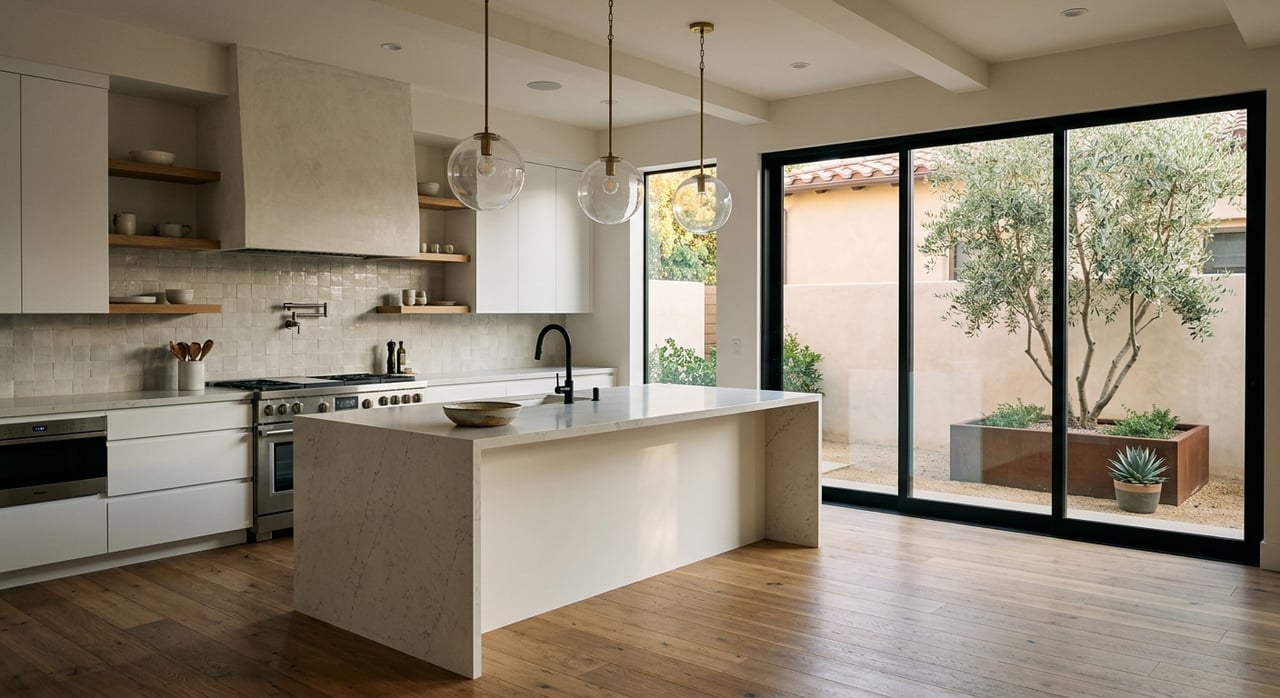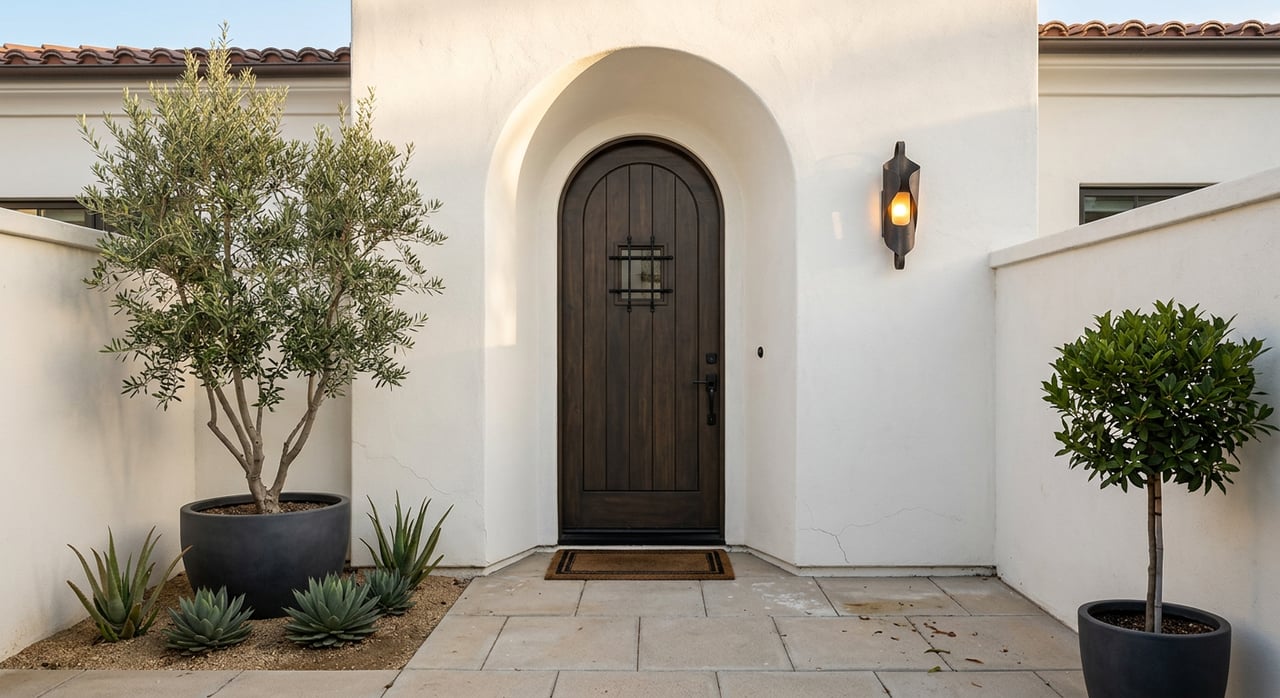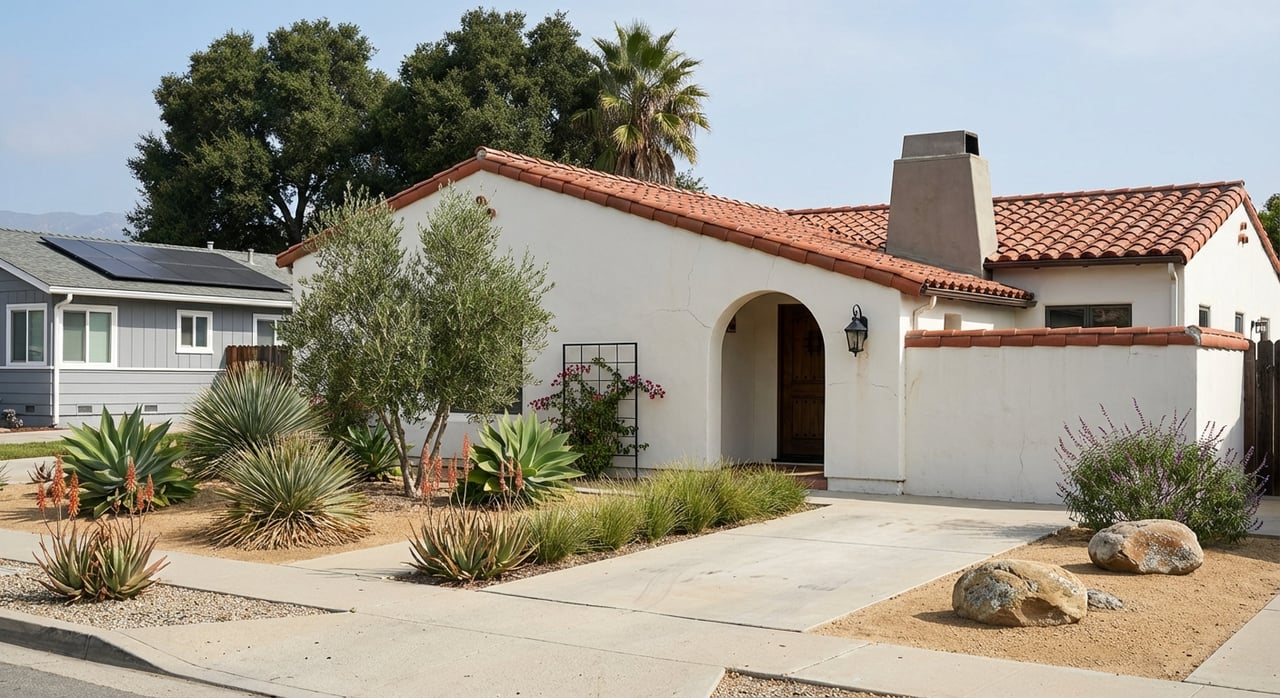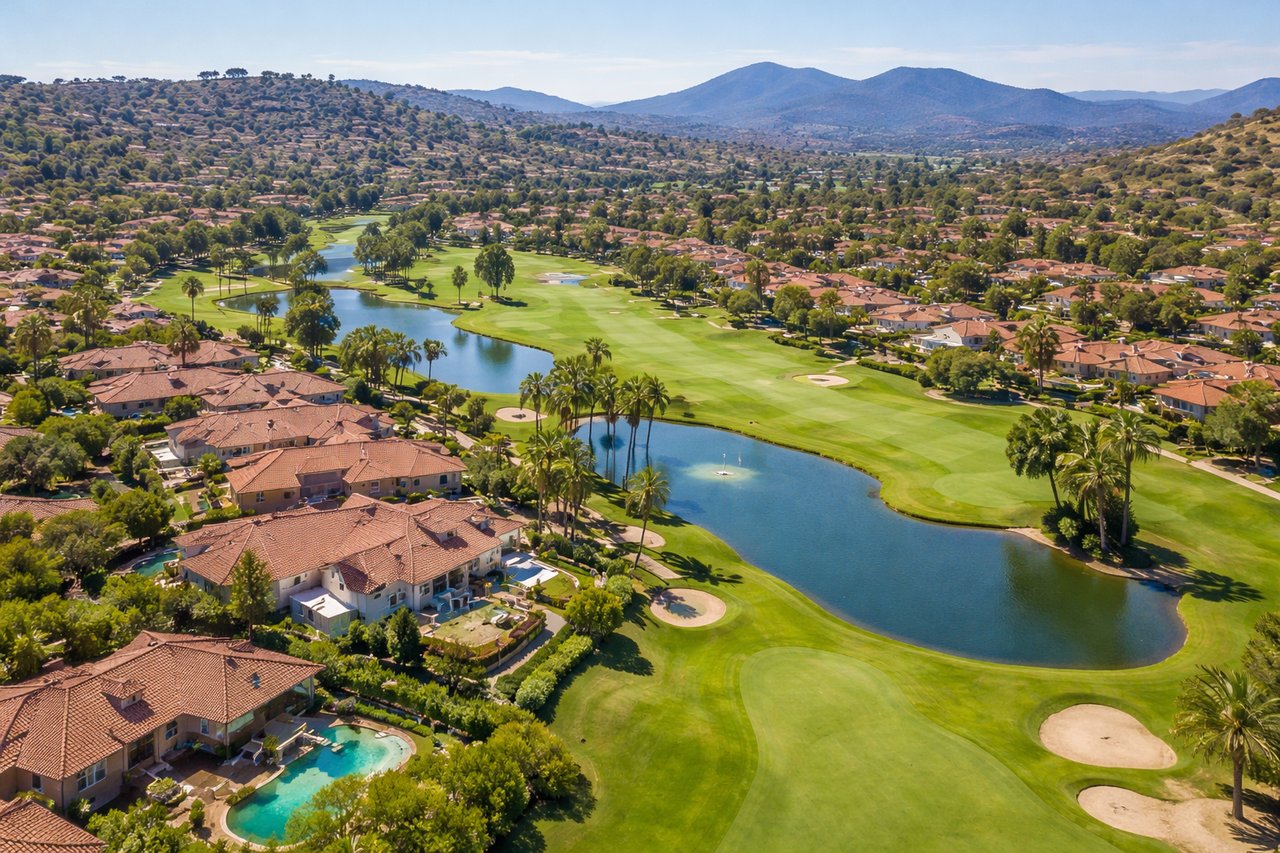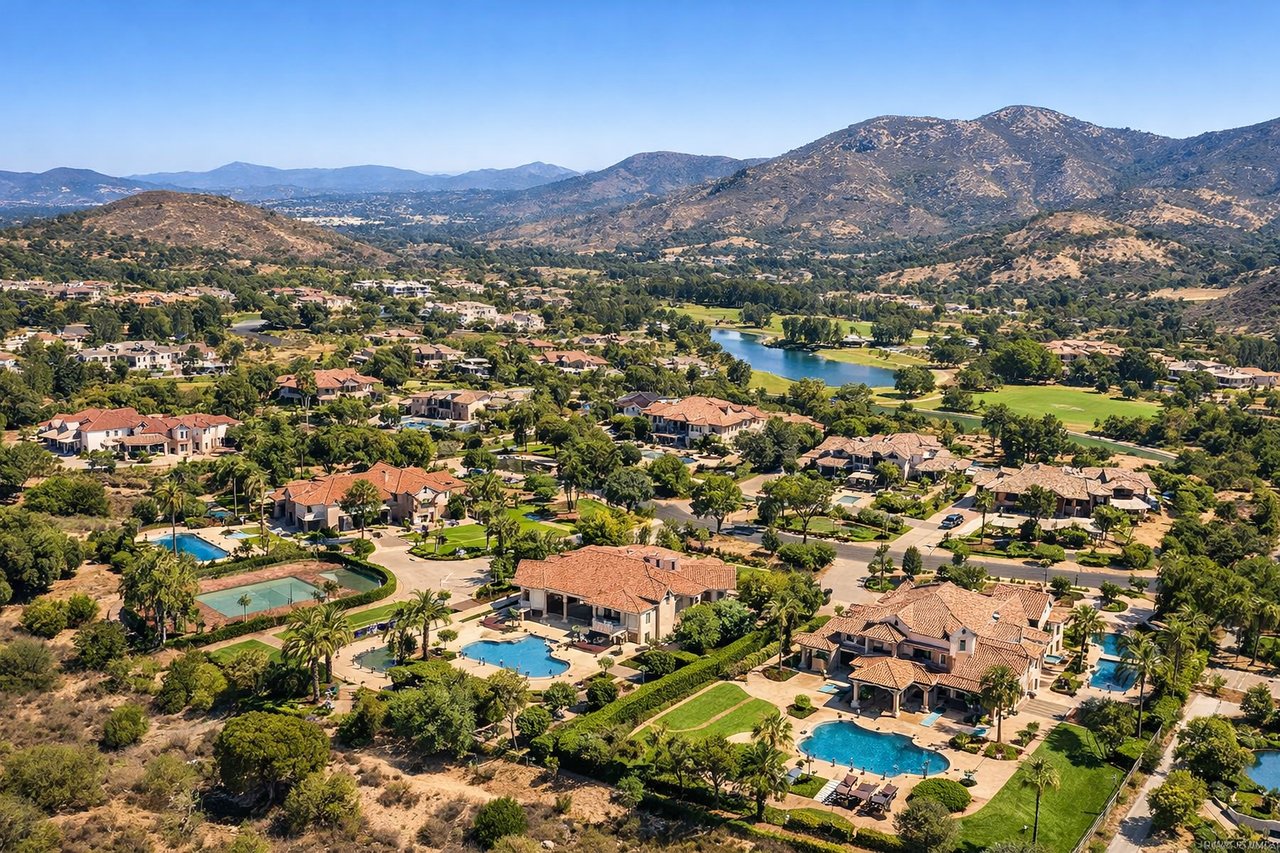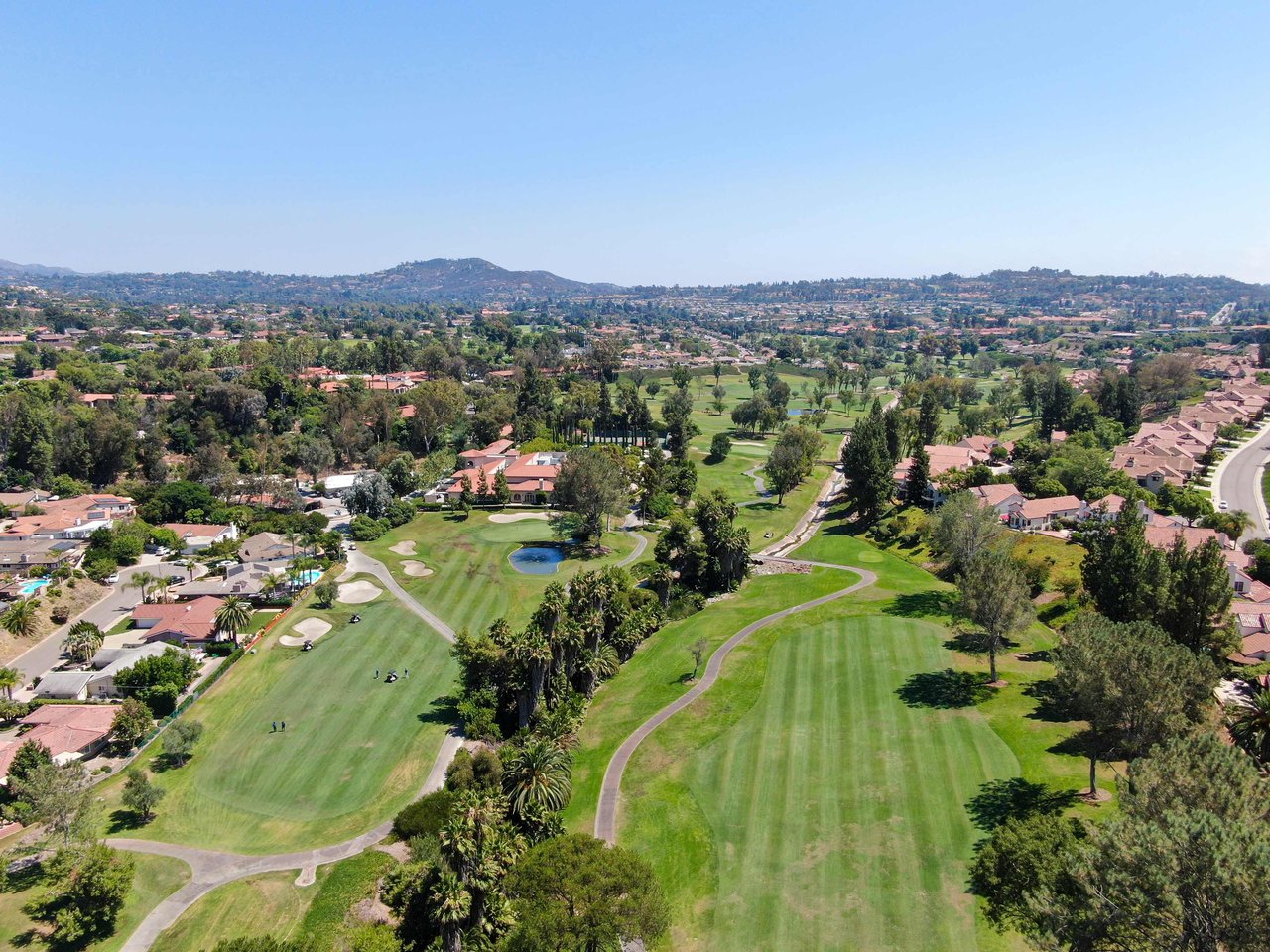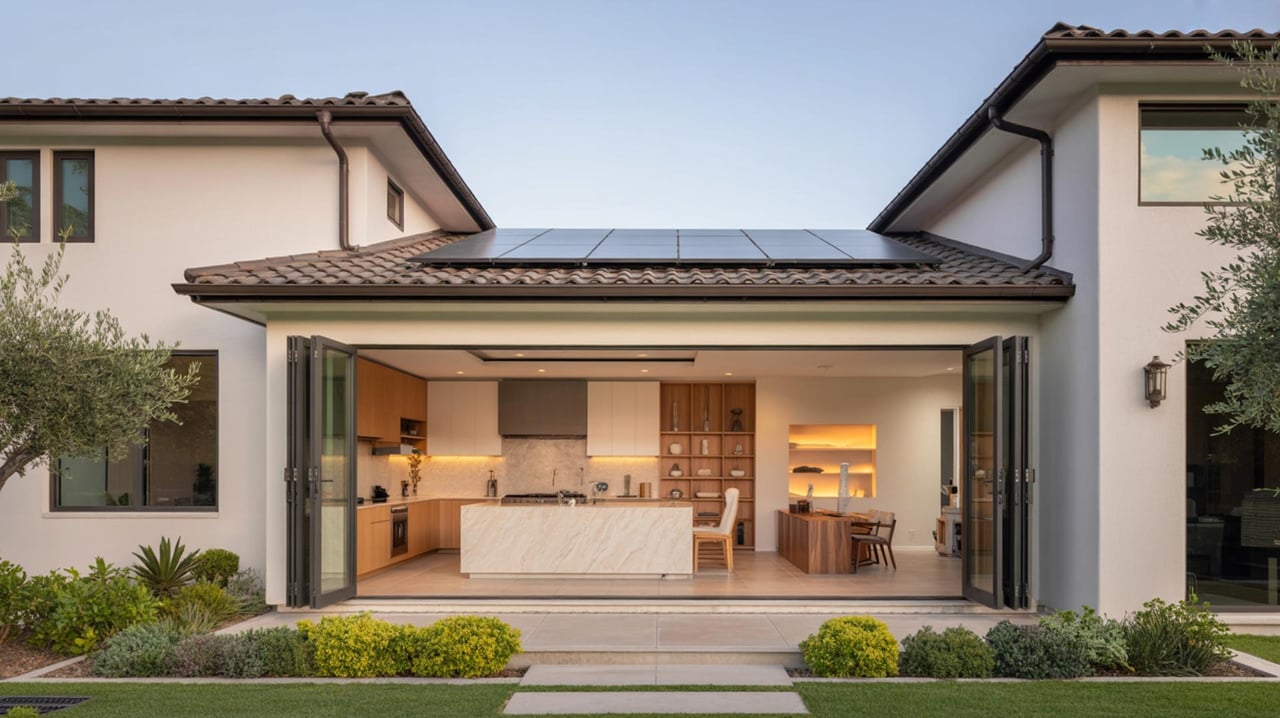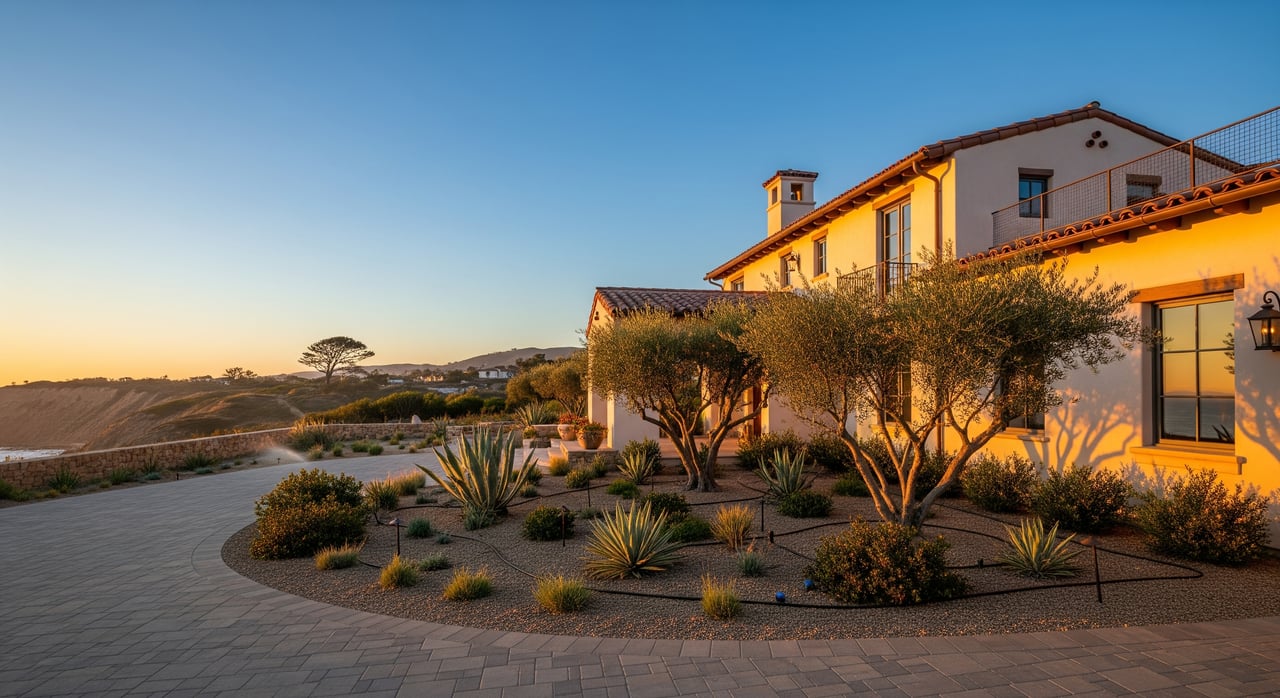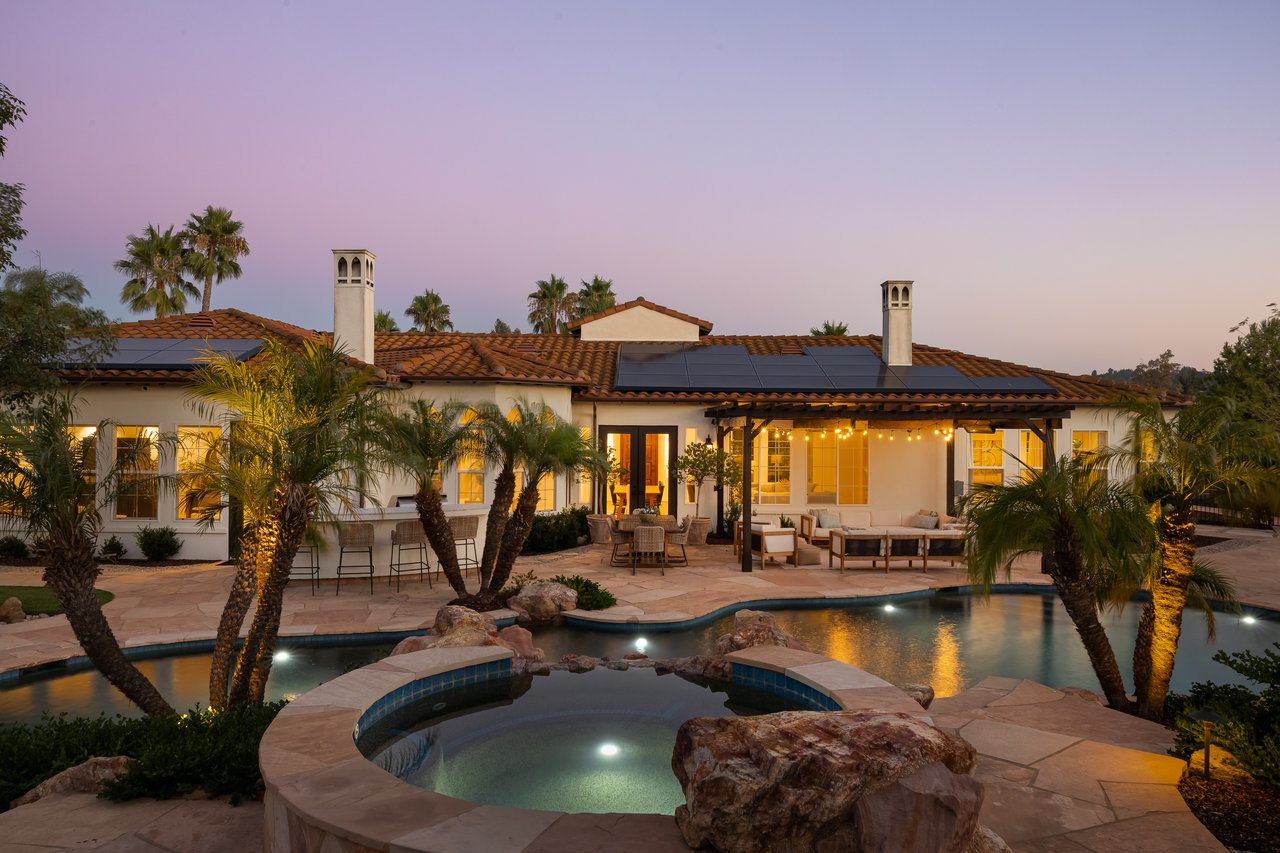
Two homes, same street in Rancho Bernardo, same stucco-and-tile builder era, same asking price. One carries a Community Facilities District special tax. The other doesn't. The key distinction is that Rancho Bernardo doesn't have a Mello-Roos zip code. It has a Mello-Roos parcel. For a specific house, check the parcel-level documents to determine which side of that line it sits on.
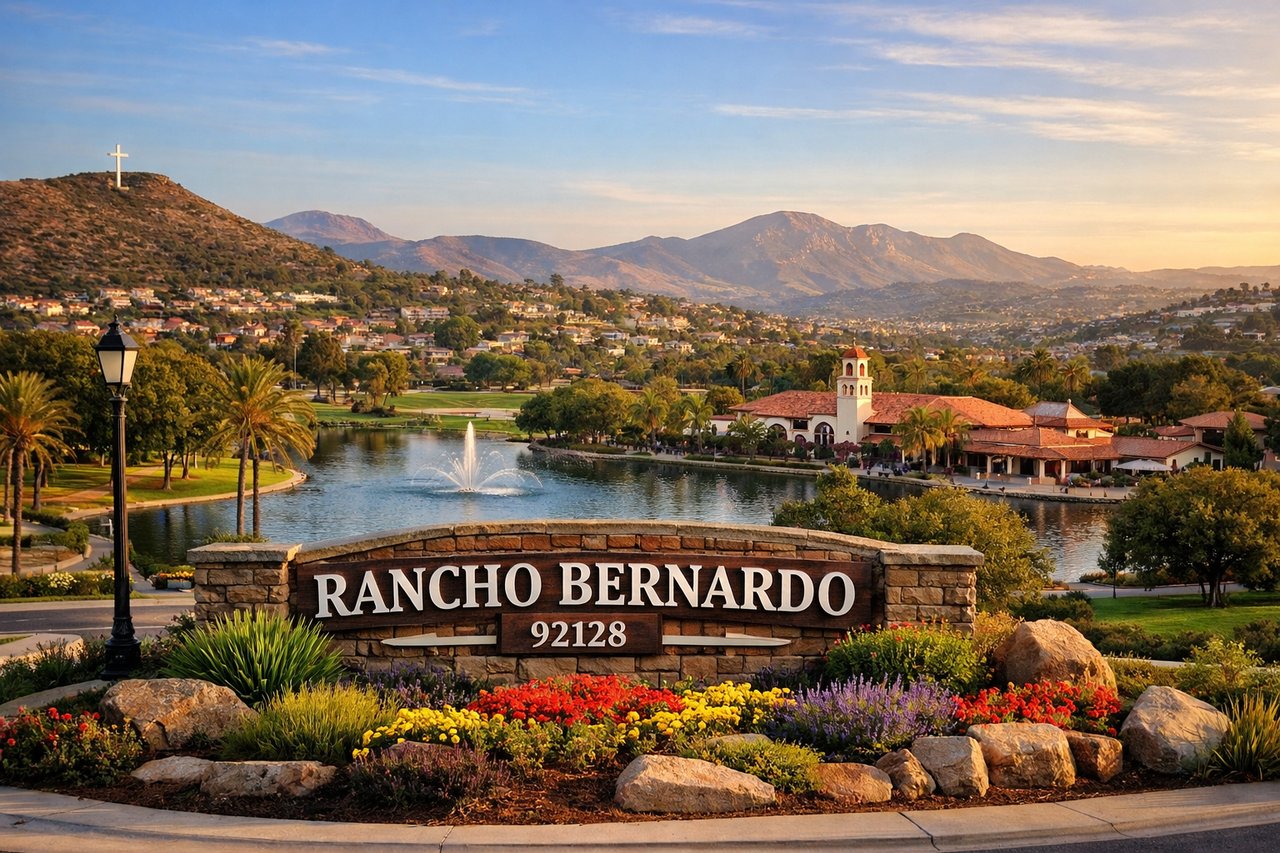
That distinction matters more here than in most North County suburbs, because Rancho Bernardo is unusually stitched together. It spans two zip codes, 92127 to the west of Interstate 15 and 92128 to the east, and inside that footprint sit subdivisions built across very different eras: Bernardo Heights, Westwood, The Trails, Gatewood Hills, Seven Oaks, Oaks North, High Country West. Some of those tracts predate the entire concept of a Community Facilities District. Others were built or expanded well after it became a standard financing tool for California suburbs. The result is a patchwork where the label "Rancho Bernardo" covers homes with different monthly carrying costs.
Where the Line Actually Falls
California's Mello-Roos Community Facilities Act passed in 1982, giving local governments a way around Prop 13's limits on using property taxes to fund new infrastructure. A Community Facilities District formed under that law can levy a special tax on homes inside its boundary to pay for roads, sewer lines, parks, and other public facilities. That tax rides on the county property tax bill as its own line item, separate from the base 1 percent rate and separate from any HOA dues.
In Rancho Bernardo, the practical pattern is that CFDs cluster in tracts built or expanded after the mid-1980s, roughly when the mechanism became common in San Diego County suburban development. Older sections developed before that shift generally carry no CFD at all. That's the pattern behind why an older Westwood or Bernardo Heights resale, and a home in Seven Oaks, typically show no special tax line. But the line doesn't always fall neatly between subdivisions. In High Country West, one of the community's established tracts, some homes carry a Mello-Roos tax and others on the same streets don't, which means even a single named neighborhood can't be treated as one answer.
The west side of the community makes the pattern even more visible. The 92127 zip code covers not just older and newer Rancho Bernardo tracts but also 4S Ranch and Del Sur, communities built decades after most of Rancho Bernardo proper. A single zip code search can return a decades-old ranch home with zero special tax sitting a few miles from a newer build carrying an annual CFD assessment. Across San Diego County, Mello-Roos assessments run from around $500 to $10,000 or more a year depending on the district and its bond schedule. A single Rancho Bernardo cost profile would not reflect that range.
| Tract Type | Typical Mello-Roos Status | Example Areas |
|---|---|---|
| Older, established tracts | Rarely any CFD | Seven Oaks, older phases of Westwood and Bernardo Heights |
| Mixed-vintage tracts | Some homes carry a CFD, others on the same streets don't | High Country West |
| West of I-15, newer builds sharing the 92127 zip code | CFD common | 4S Ranch and Del Sur (nearby 92127 communities) |
What the Line Costs, Every Month
The dollar figure on the tax bill isn't really the number that matters. The monthly number is.
Take a $750,000 home in Rancho Bernardo. At San Diego County's typical effective property tax rate of roughly 1.1 percent once voter-approved bonds are layered onto the base 1 percent, the base tax bill runs close to $8,250 a year, or about $687.50 a month. Now suppose that same home sits inside a CFD carrying a representative $1,800 annual special tax. The buyer is paying roughly $150 more every month, for a combined property tax and Mello-Roos payment near $837.50, before principal, interest, insurance, or HOA dues even enter the picture.
That $150 a month doesn't just change a buyer's comfort level. Lenders fold recurring special assessments into qualifying ratios the same way they fold in HOA dues, so a CFD on the higher end of the county-wide range can measurably reduce a buyer's approved purchase price or force a larger down payment to keep debt-to-income ratios in line. For a seller, the same math cuts the other direction. A high CFD narrows the pool of buyers who can qualify at your list price, even if the home appraises fine on paper.
A checked or unchecked Mello-Roos box on the MLS sheet doesn't carry the annual figure, the escalation formula, or how many years remain on the bond. None of that shows up until someone pulls the county tax bill or the CFD's own Rate and Method of Apportionment.
Poway Unified and Mello-Roos Reporting
KPBS reports that Poway Unified School District, which collects some of these special taxes tied to Rancho Bernardo, has acknowledged errors in some Mello-Roos tax bill calculations.
That coverage also reports that Poway Unified spent Mello-Roos revenue on items that included catered lunches, consultant fees, and a new administration building. A separate inewsource investigation examined how the district acquired a property in Rancho Bernardo and its handling of Mello-Roos funds connected to it.
These reports do not establish that every CFD bill in Rancho Bernardo is wrong; they underscore the value of checking the current county tax roll or contacting the district to confirm the amount for a specific parcel.
The Documents That Settle It
The documents that can help answer the question, in the order they typically resolve it:
- The current San Diego County secured property tax bill, which lists any CFD or special tax as its own line item with a dollar amount
- The preliminary title report, which flags recorded CFD liens or notices, usually on Schedule B
- The California Department of Real Estate says the Transfer Disclosure Statement discloses special taxes and assessments that may affect a home's value or desirability
- The CFD's Notice of Special Tax and Rate and Method of Apportionment, which explain how the number is calculated and whether it can climb over time
- The HOA package, if one exists, to check whether any CFD-funded improvements overlap with services the HOA already bills for separately
Pulling all five can feel like overkill for a single line item. It isn't, once you consider that the obligation doesn't expire with the sale. Mello-Roos is a lien tied to the parcel, not the owner, so whoever buys the home inherits whatever term remains on the district's bond, typically 20 to 40 years from formation. The current San Diego County Treasurer-Tax Collector's office is the source of record for the live figure on any specific address.
What This Means Depending on Which Side of the Escrow You're On
If you're selling in a Rancho Bernardo tract that carries no Mello-Roos, that absence is a legitimate selling point worth stating plainly, not buried in the disclosures. Buyers comparing your home against a similarly priced listing in a newer CFD-bearing tract are doing exact monthly math, and a documented zero can be the tiebreaker.
If you're selling in a tract that does carry one, get ahead of it. Pull the current CFD balance and the remaining bond term before you list, and have the Rate and Method of Apportionment ready the moment a buyer's agent asks. A seller who produces that paperwork at the first showing looks more credible than one who says "I think it's around two grand a year" during a counteroffer call.
If you're buying anywhere in Rancho Bernardo, treat the zip code as a starting point, not an answer. Pull the tax bill on the specific parcel before you write an offer, not after you're already in escrow and your lender is recalculating your ratios against a number nobody mentioned at the open house.
FAQ
Does Mello-Roos ever go away? Yes. The special tax expires under the CFD's own formation documents. Some districts allow early payoff.
Can a buyer negotiate the Mello-Roos amount out of the deal? The special tax is a lien on the property and is set by the district, as the California Debt Financing Guide explains. What can move is the purchase price, and buyers who know the annual CFD figure ahead of time are in a stronger position to factor it into their offer.
Does a home with no Mello-Roos always cost less to own? Not necessarily. A home with no CFD may carry a higher HOA fee funding the same amenities a CFD would otherwise cover, or it may simply be older and closer to needing a roof or plumbing update. The comparison that matters is the full monthly number, mortgage, base property tax, any CFD, insurance, and HOA combined, not any single line item in isolation.
Where do I find the exact figure for a specific Rancho Bernardo address? The San Diego County Treasurer-Tax Collector's office bills and tracks the current CFD line item on the secured property tax roll. That figure, cross-checked against the preliminary title report, is the most reliable number available before you're in escrow.
Rancho Bernardo rewards buyers and sellers who do the parcel-level homework instead of trusting the zip code. If you want that homework done before you list or before you write an offer, Peter Heines has spent years pulling exactly these documents for Rancho Bernardo clients. Book a Consultation to get a clear read on what a specific address actually costs, month to month, before you commit to it.
This article is general information, not legal, tax or financial advice. Consult a qualified professional about your situation.