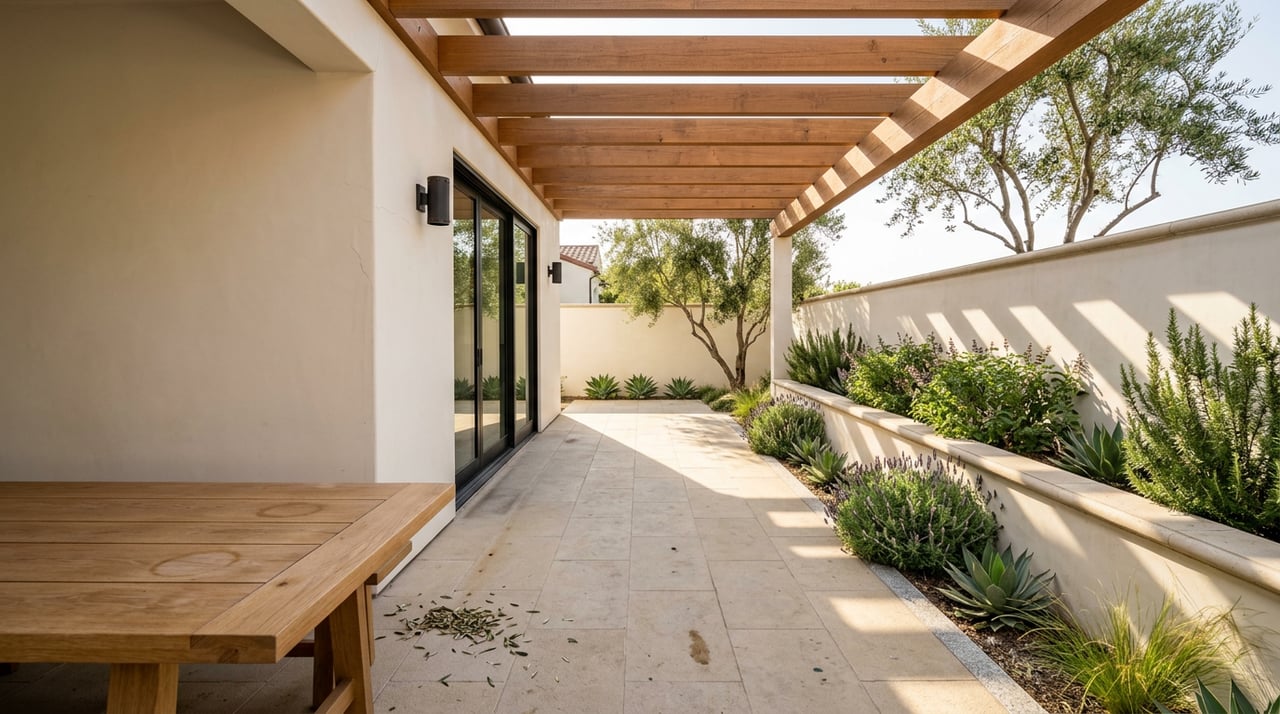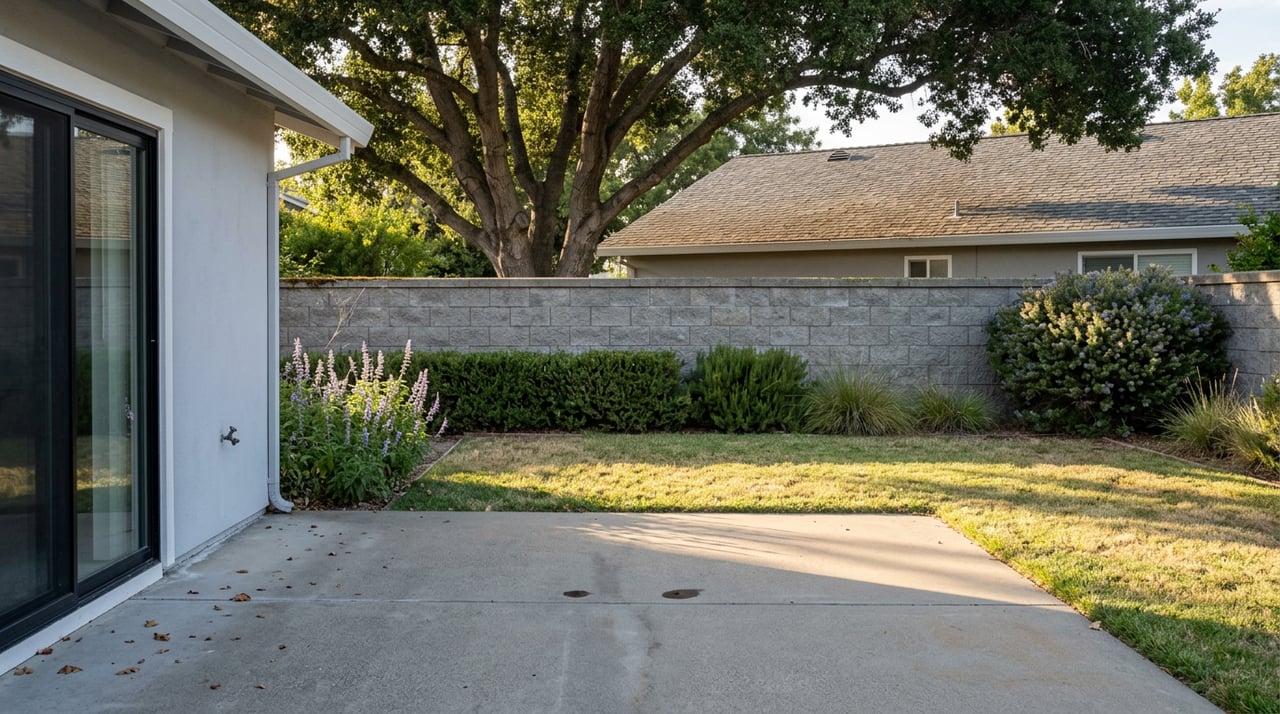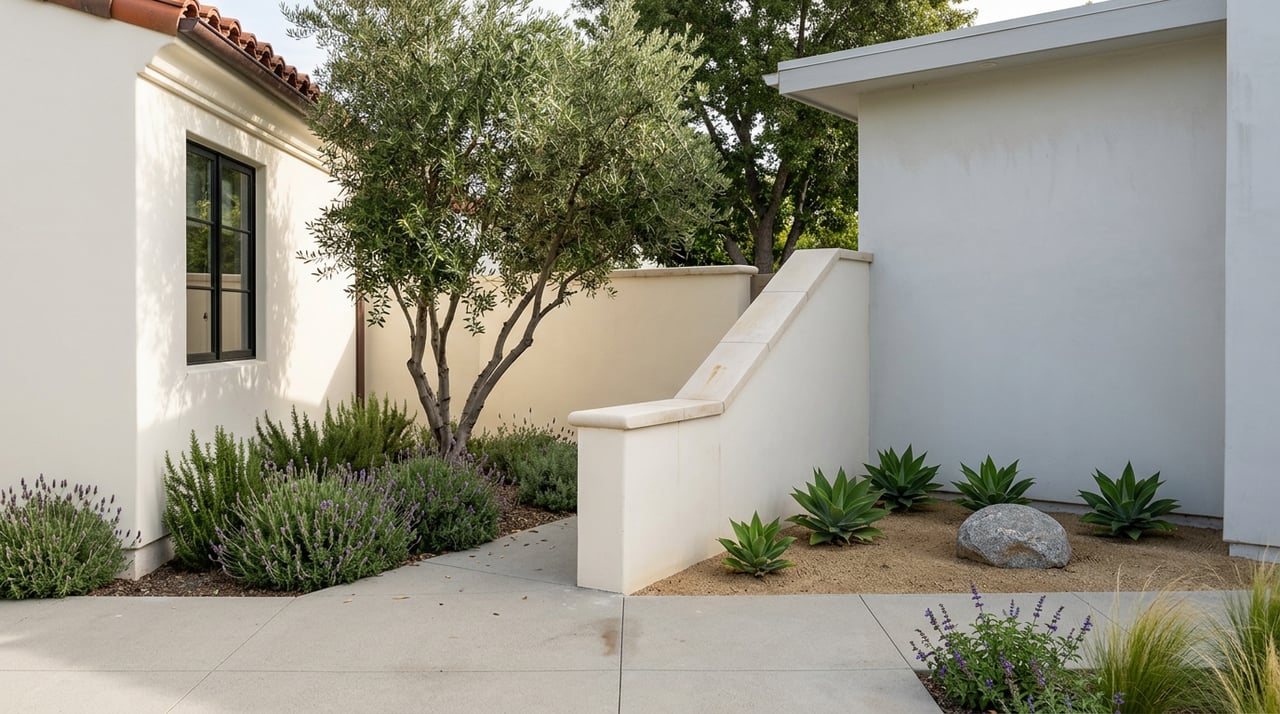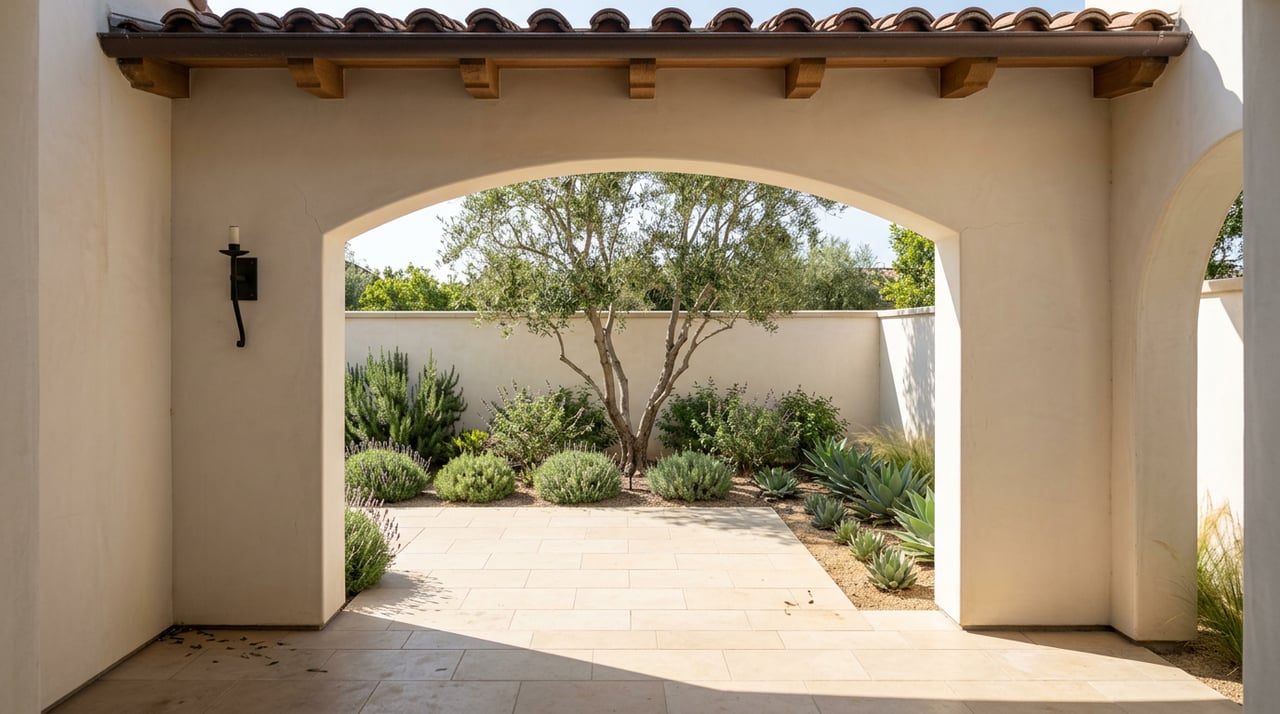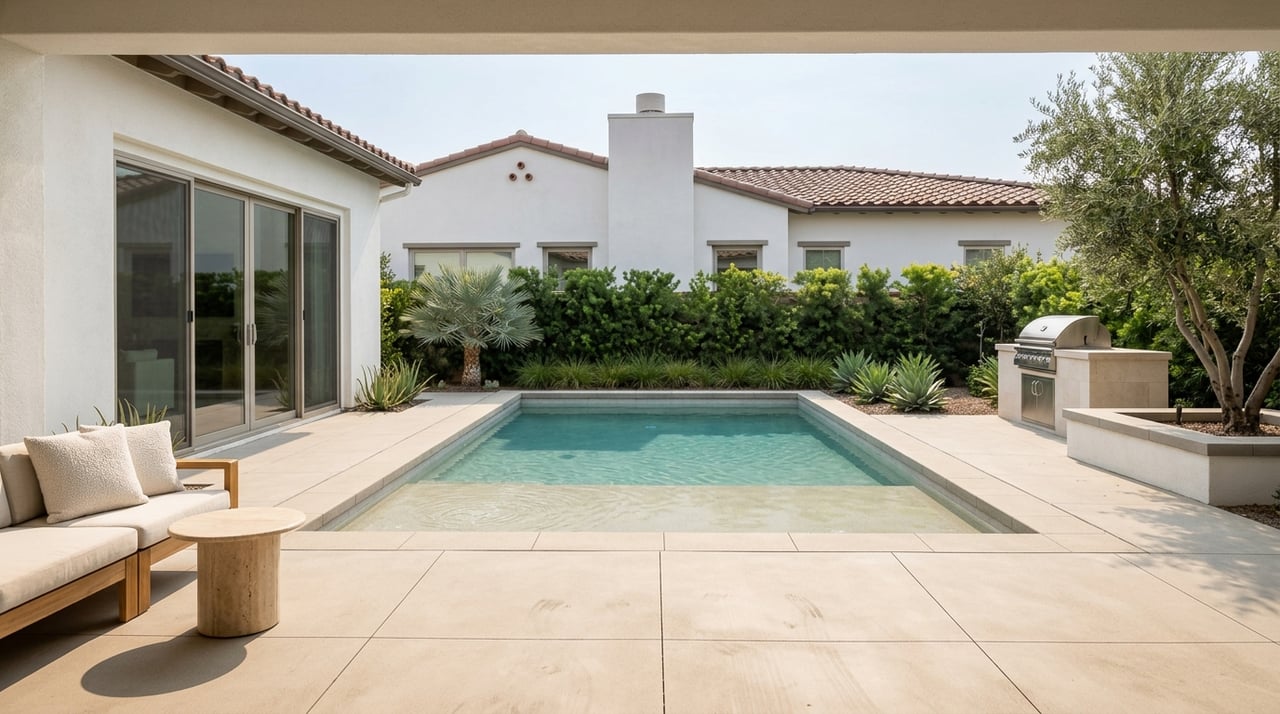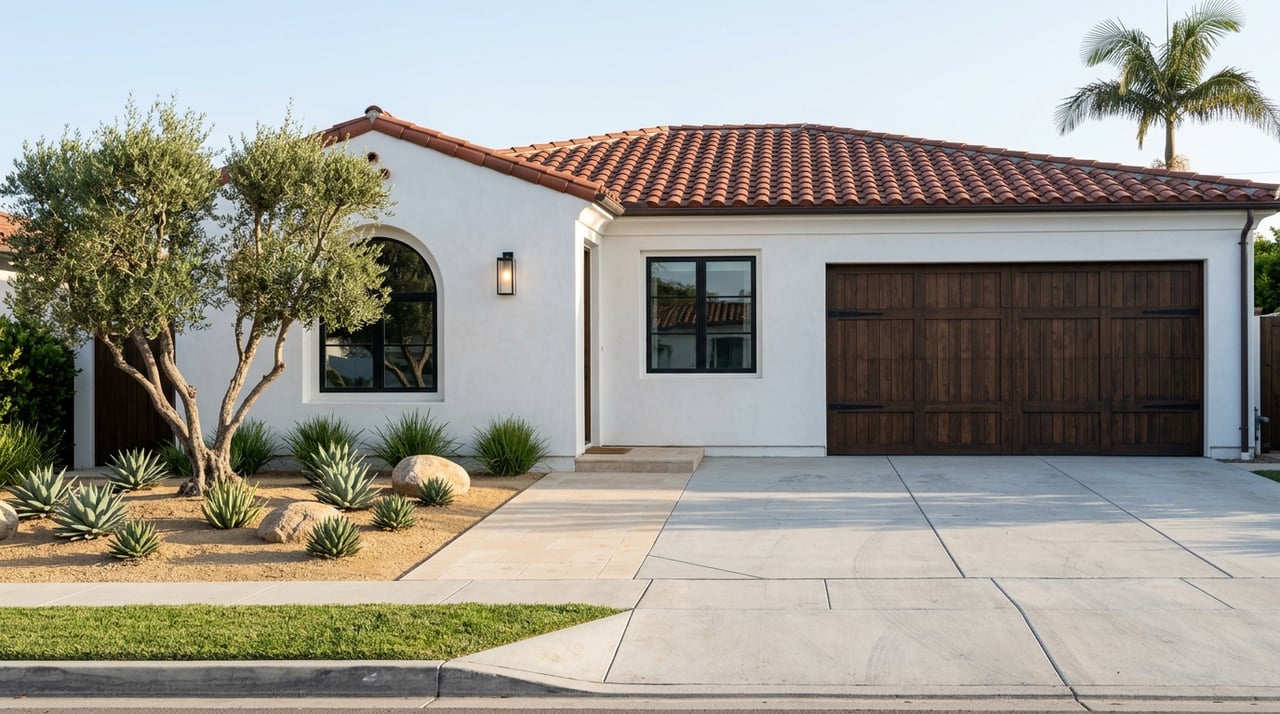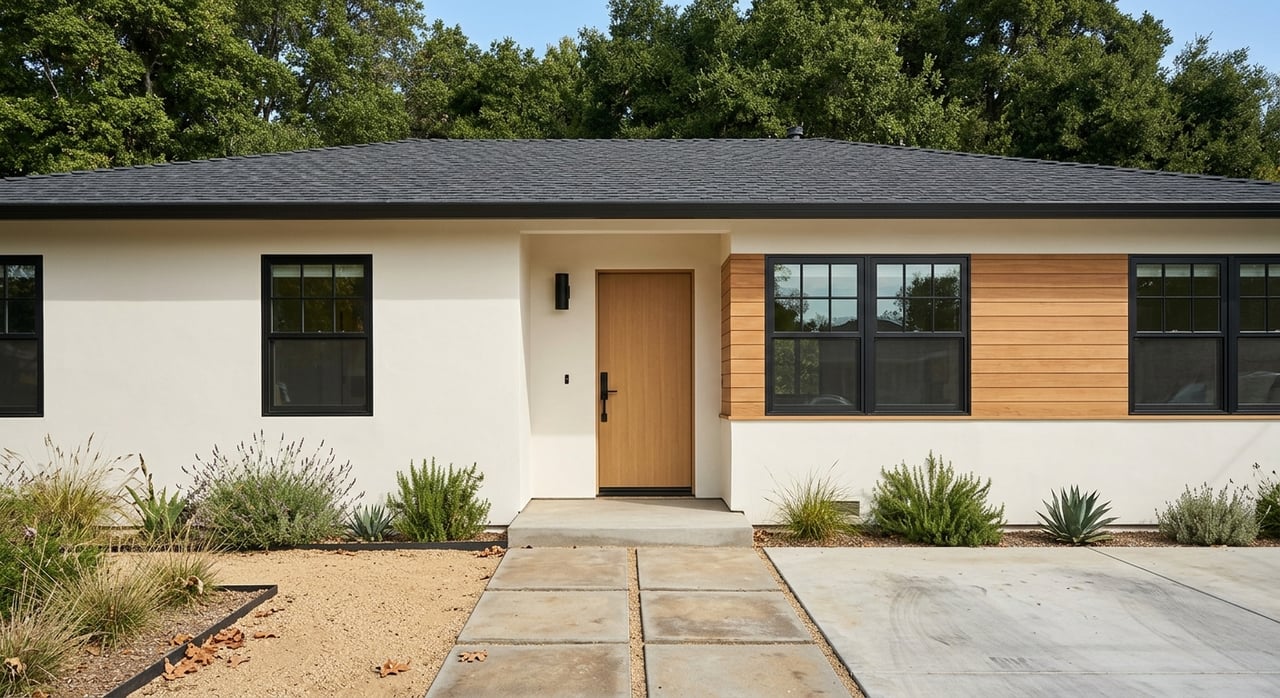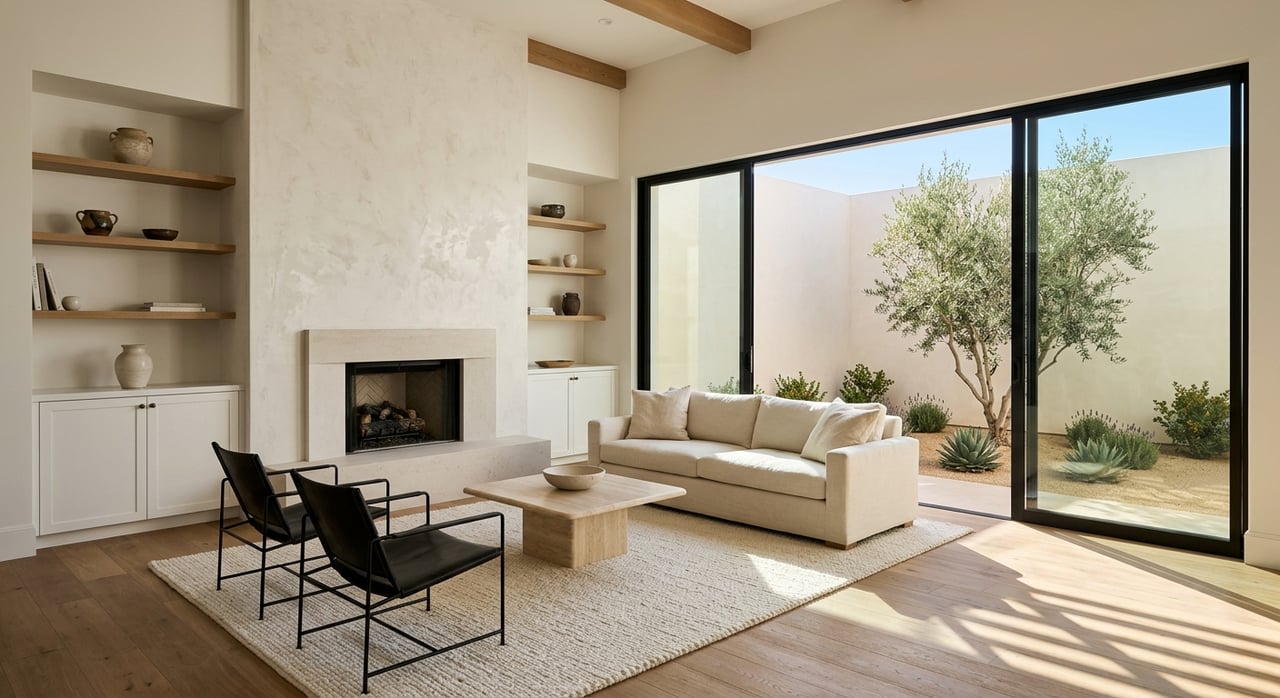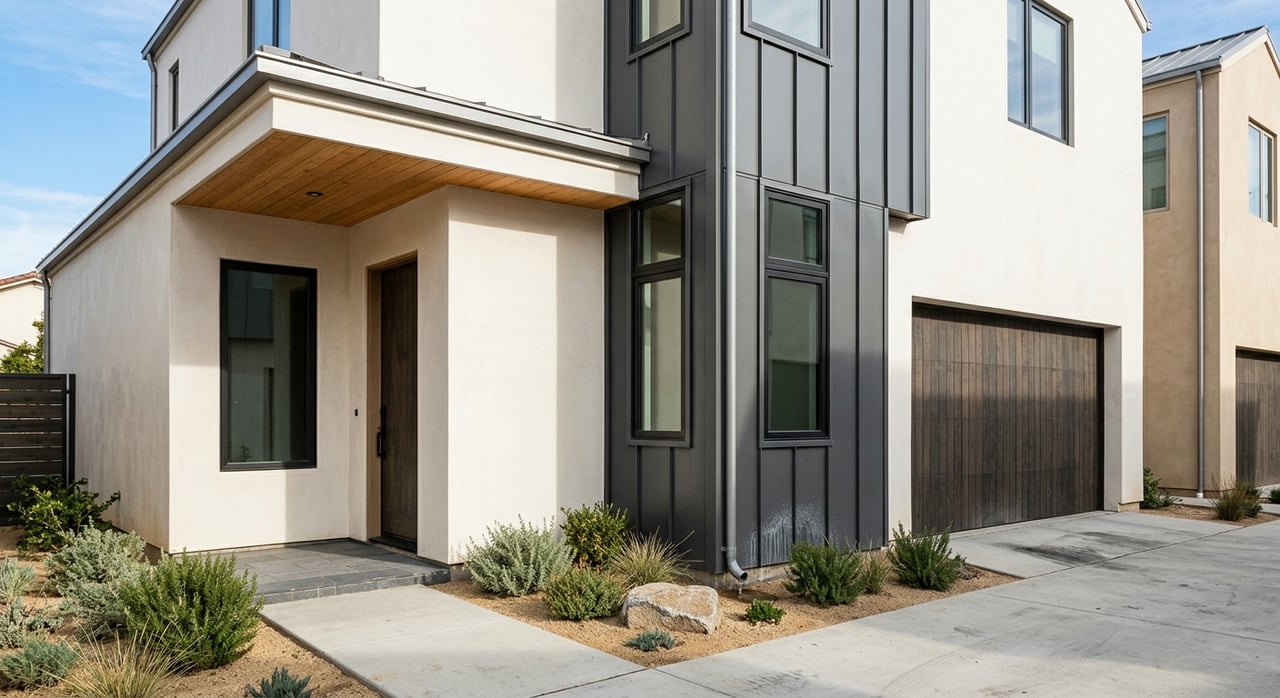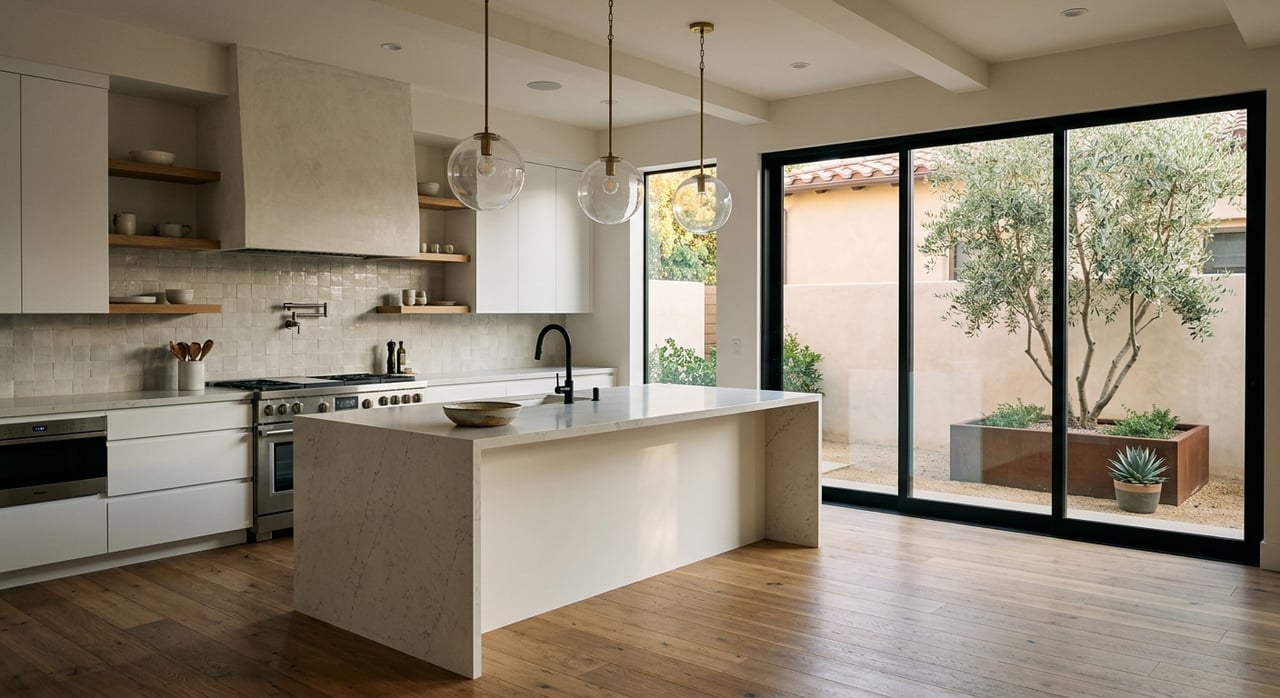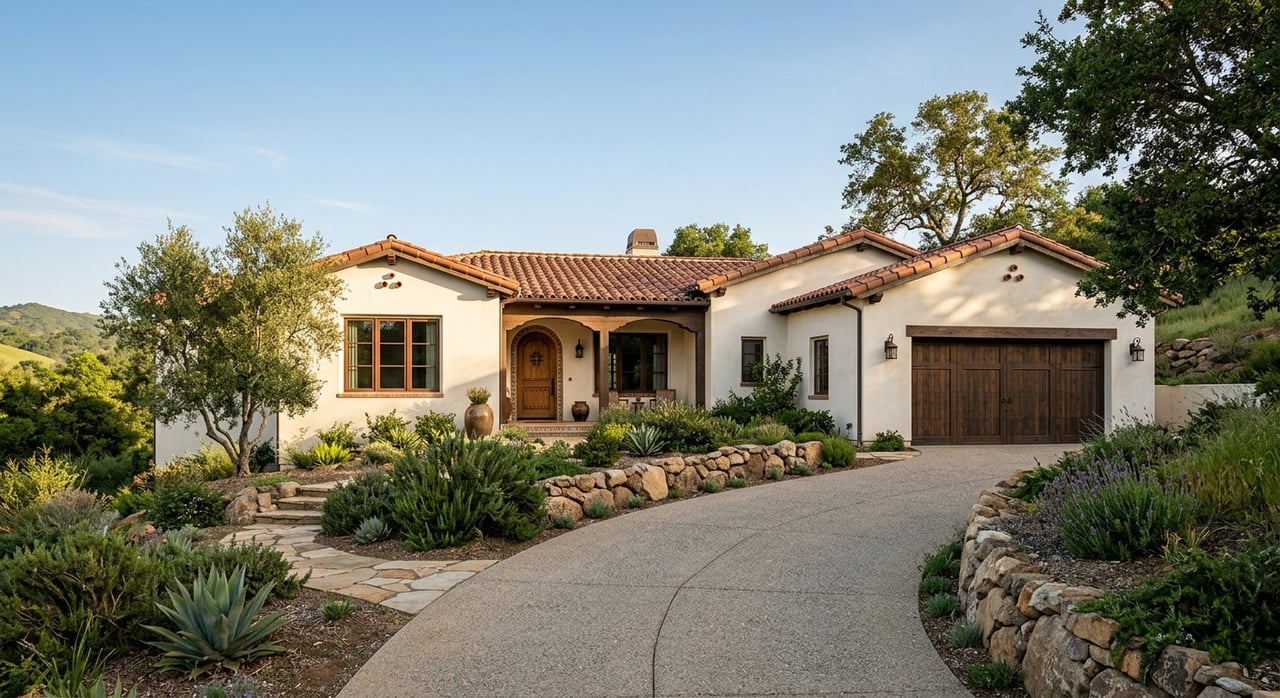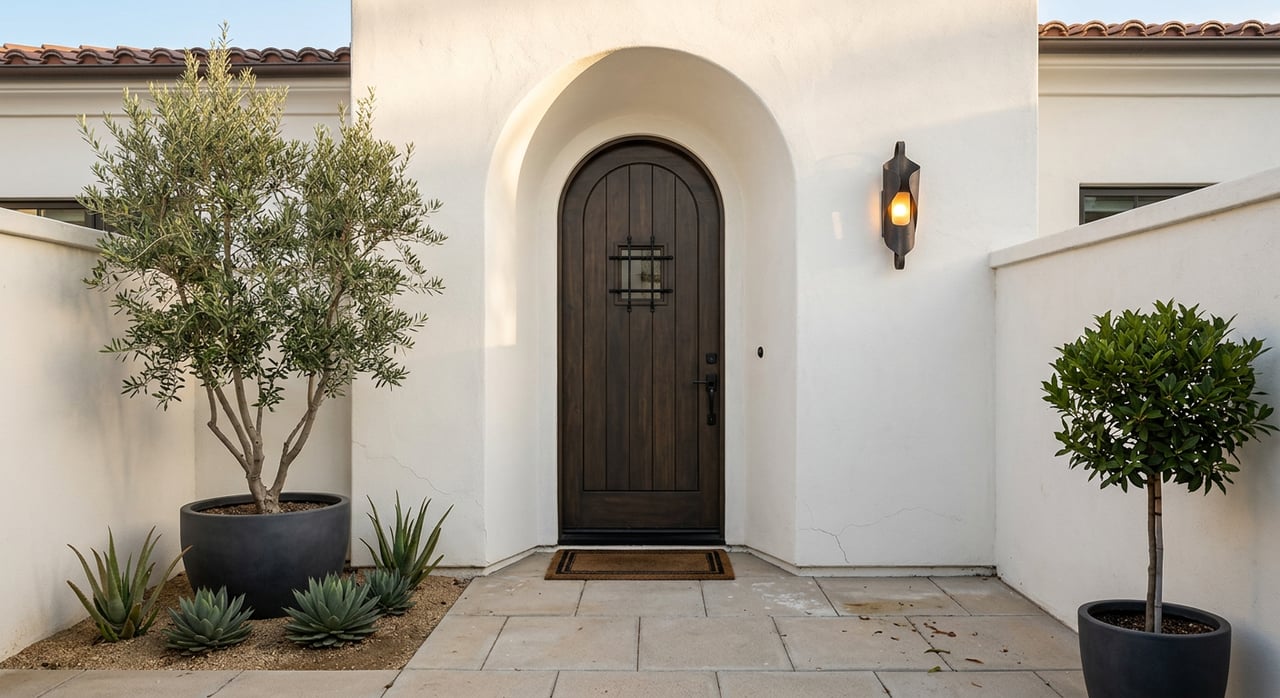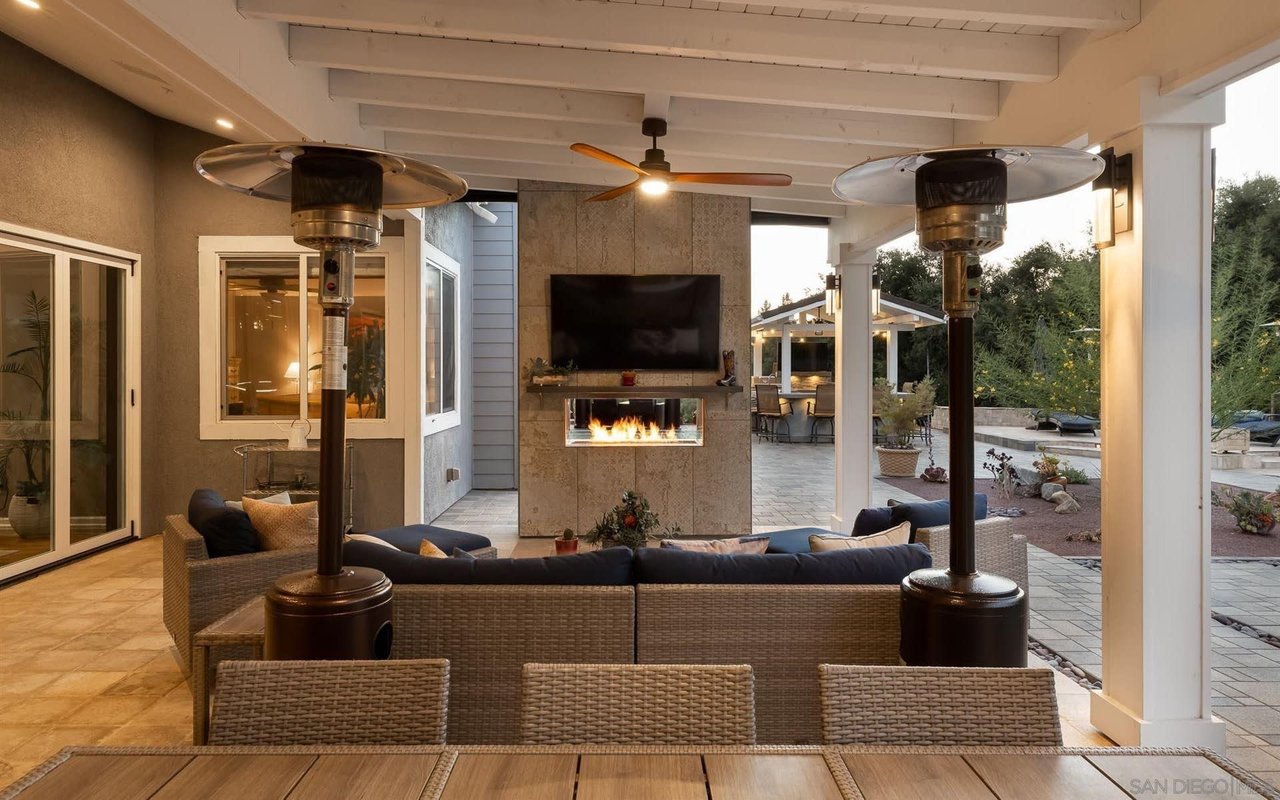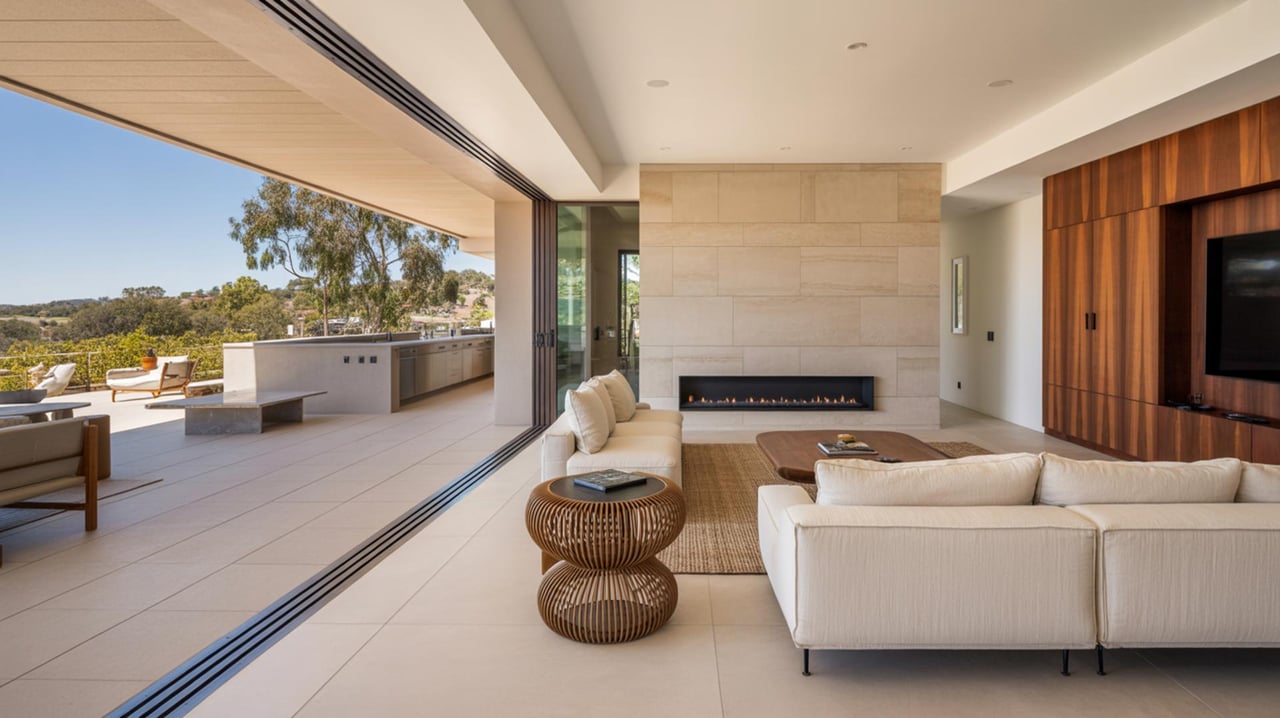
A Rancho Santa Fe homeowner named Dolan-King once tried to replace a fence with a pasture-rail design. Her own architect called it beautiful. The Rancho Santa Fe Association's Art Jury didn't see it that way, rejected the application, and the dispute ended up in front of a judge. The court sided with Dolan-King on the fence. In the same case, when she challenged the Art Jury's rejection of a separate room addition, the court sided with the Art Jury.
That split outcome is the most useful thing a buyer or seller can know about renovating in Rancho Santa Fe: the review board that controls what you can build has real teeth, a documented track record in court, and no predictable formula for what it will and won't approve. If you're planning to update a kitchen wing, add a casita, or even swap out a fence before you list or after you close, the calendar you're building your plans around isn't the county's. It's the Art Jury's.
What Actually Triggers a Design Review
Rancho Santa Fe operates under the Protective Covenant, a 1928 agreement among property owners that predates almost everything else governing land use in the community. The Covenant requires that any exterior structure or improvement be approved by the Association, with written advice from the Art Jury, so that new work maintains what the governing documents call a "high artistic result." That standard applies to additions, new construction, fences, and landscaping changes alike. It doesn't matter if your plans have already cleared San Diego County. County-approved drawings still have to go through the Association's own Building Department before work commences, and the plans need to show visible proof of that county review before the Art Jury will even look at them.
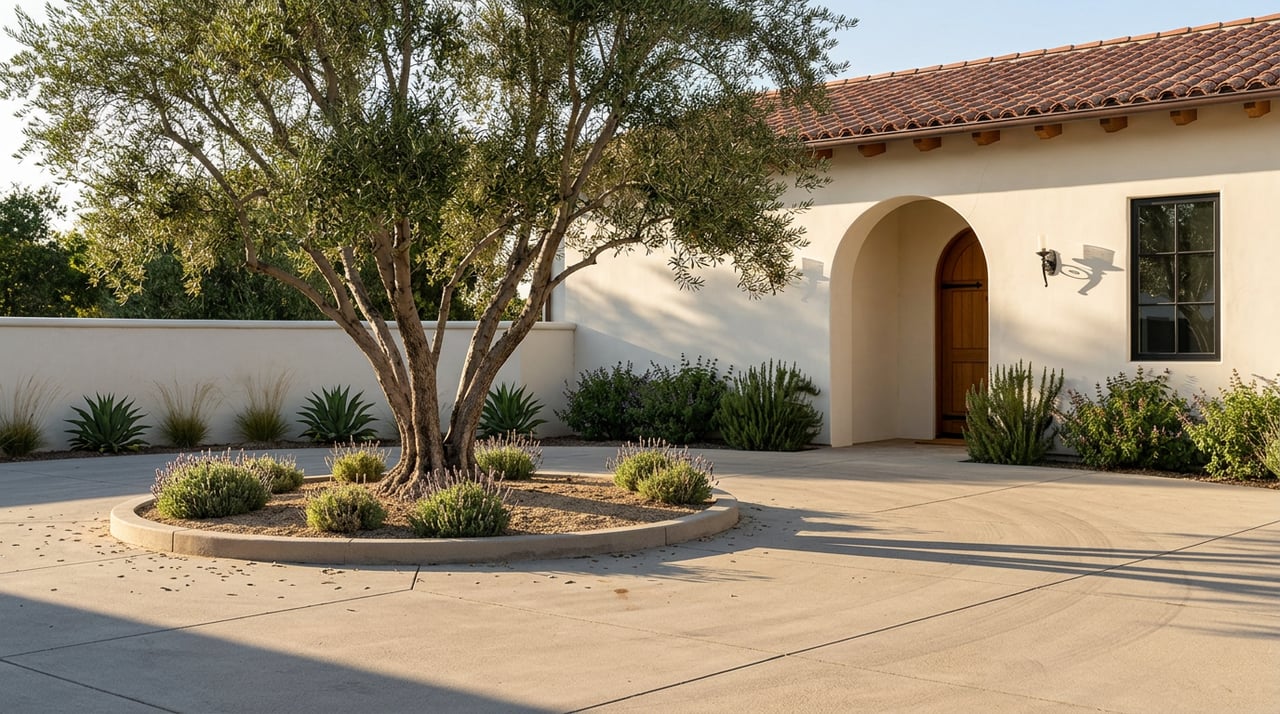
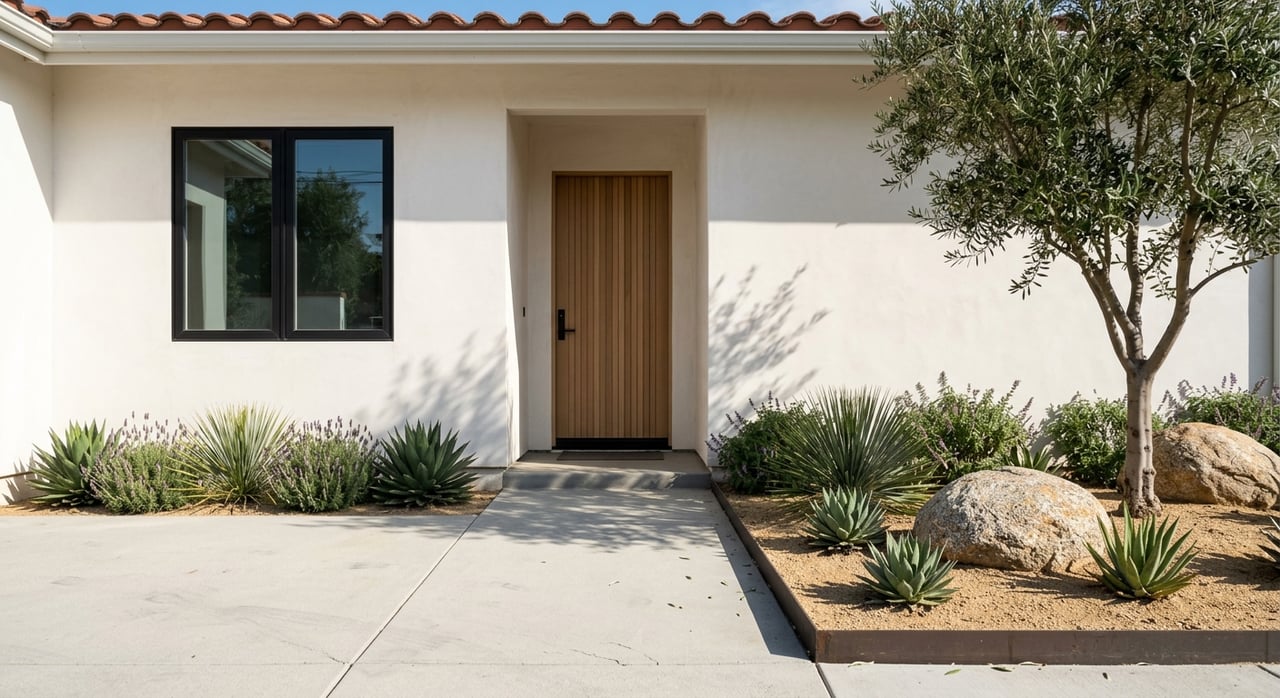
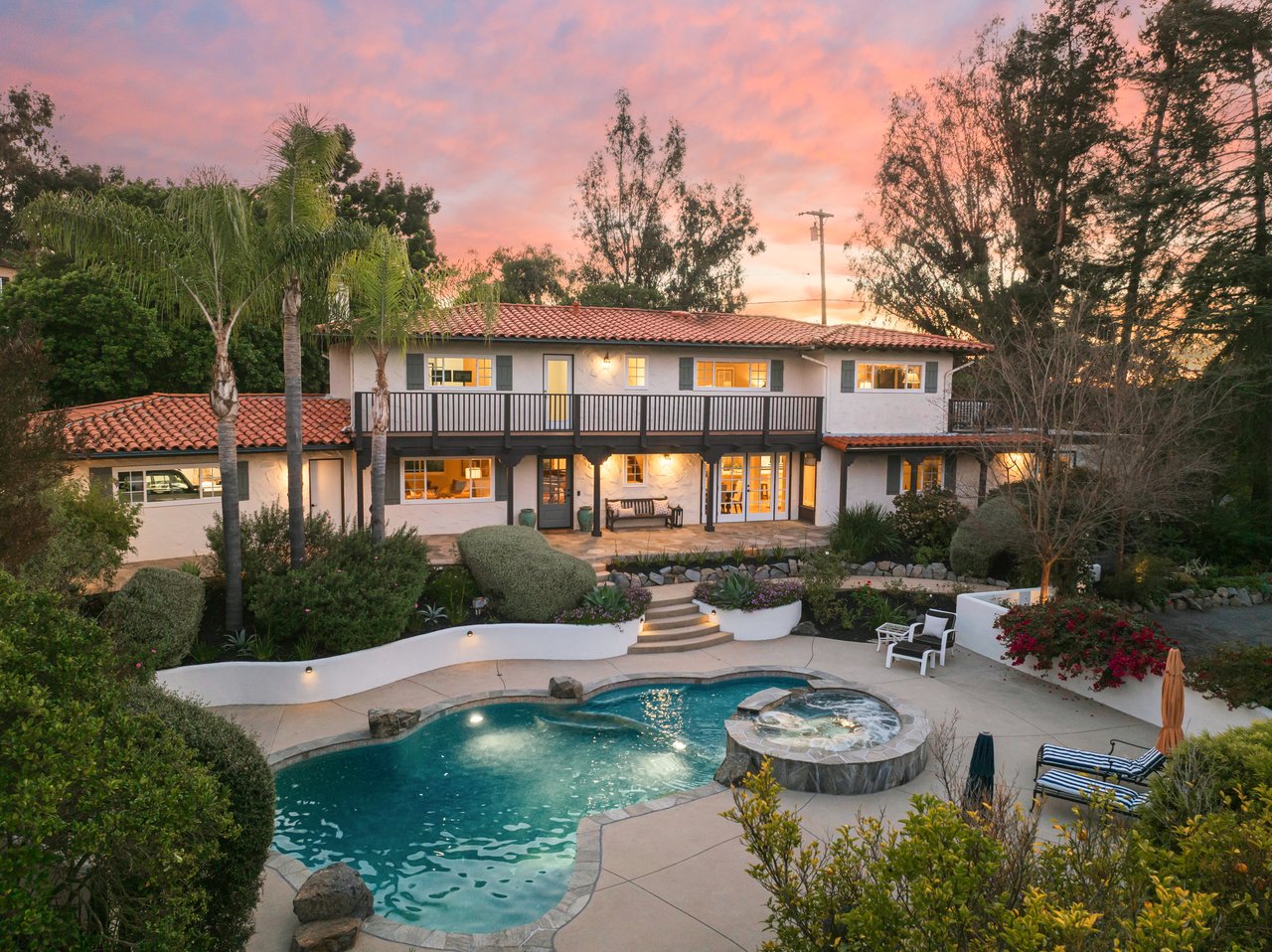
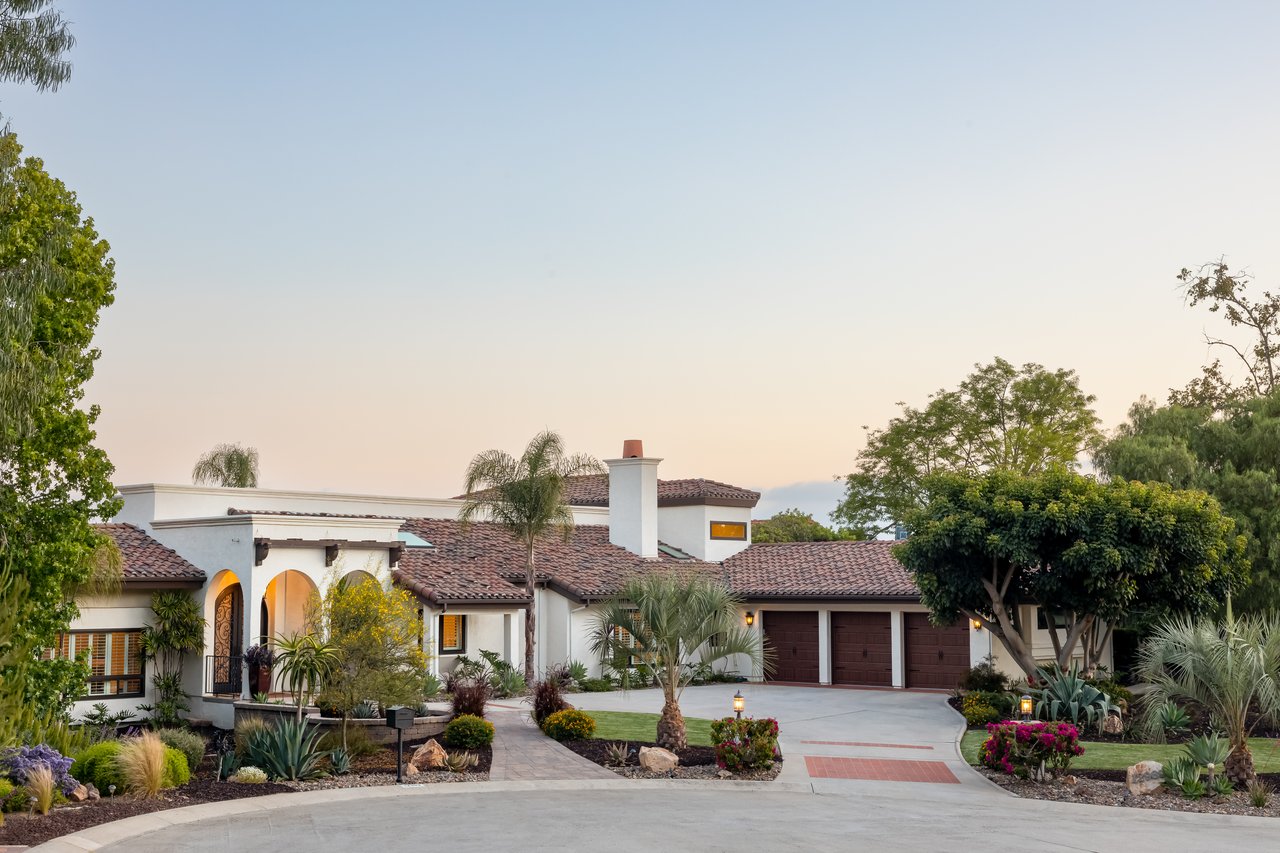
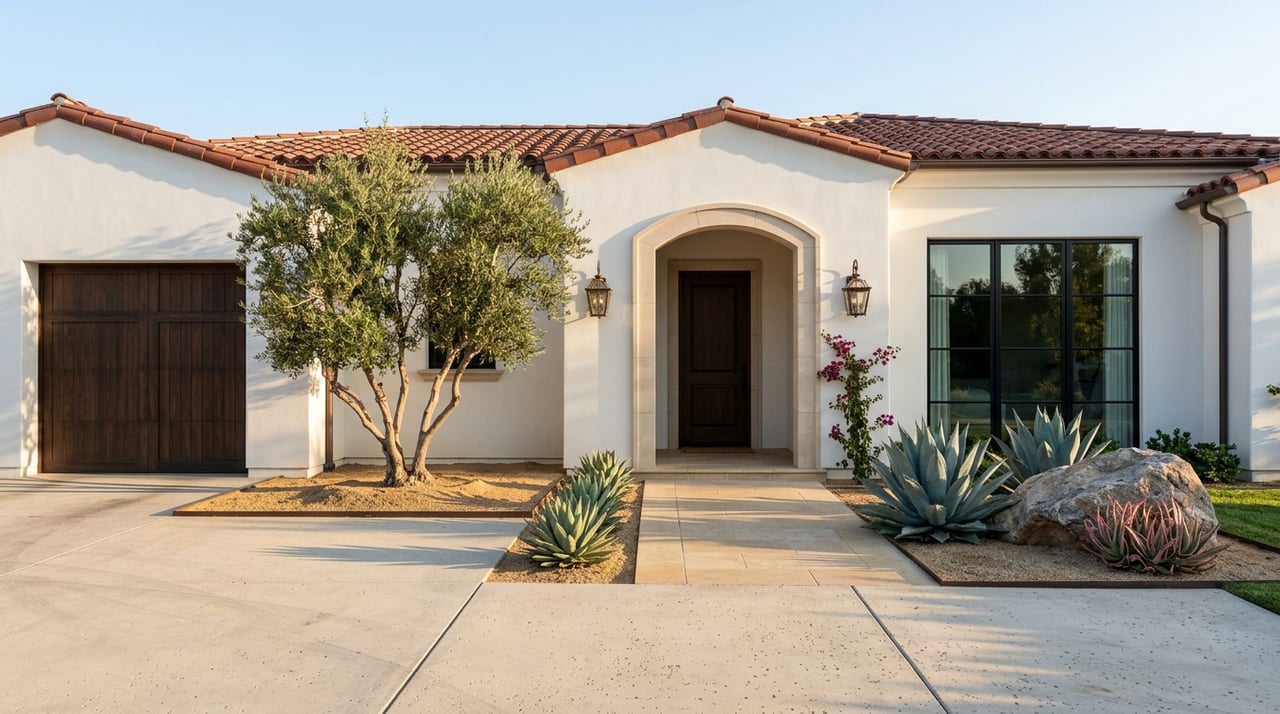
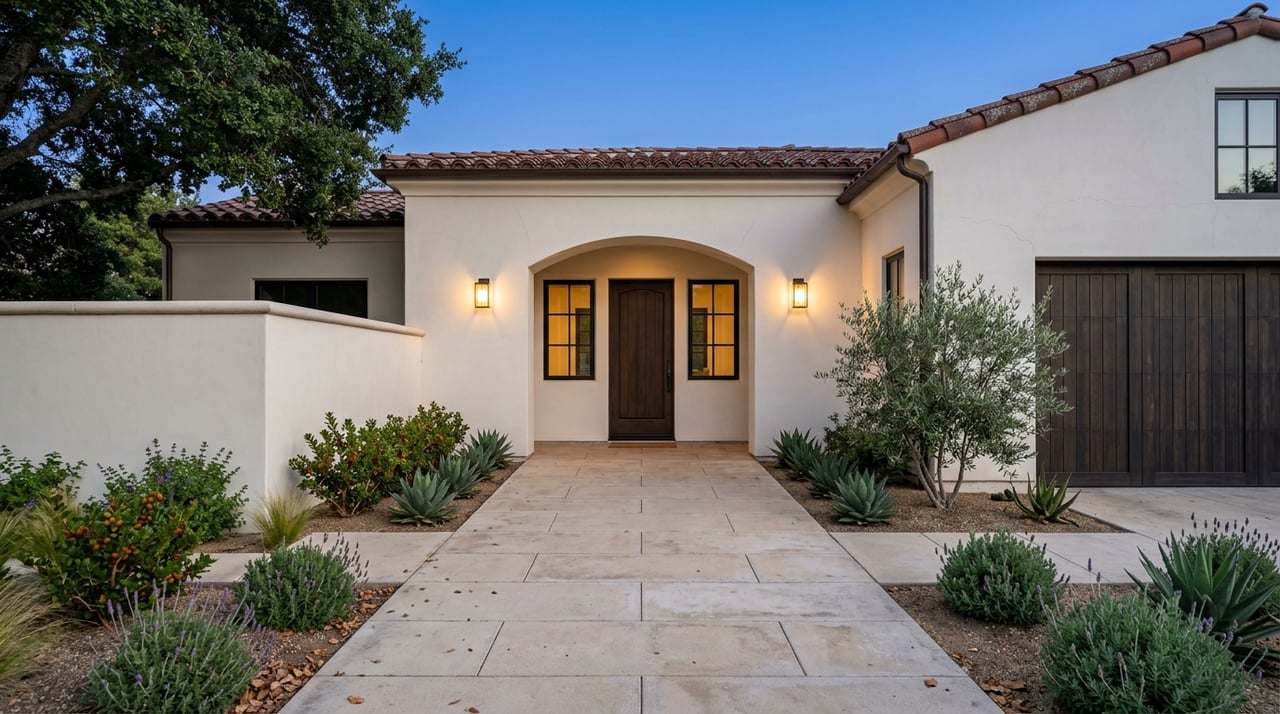
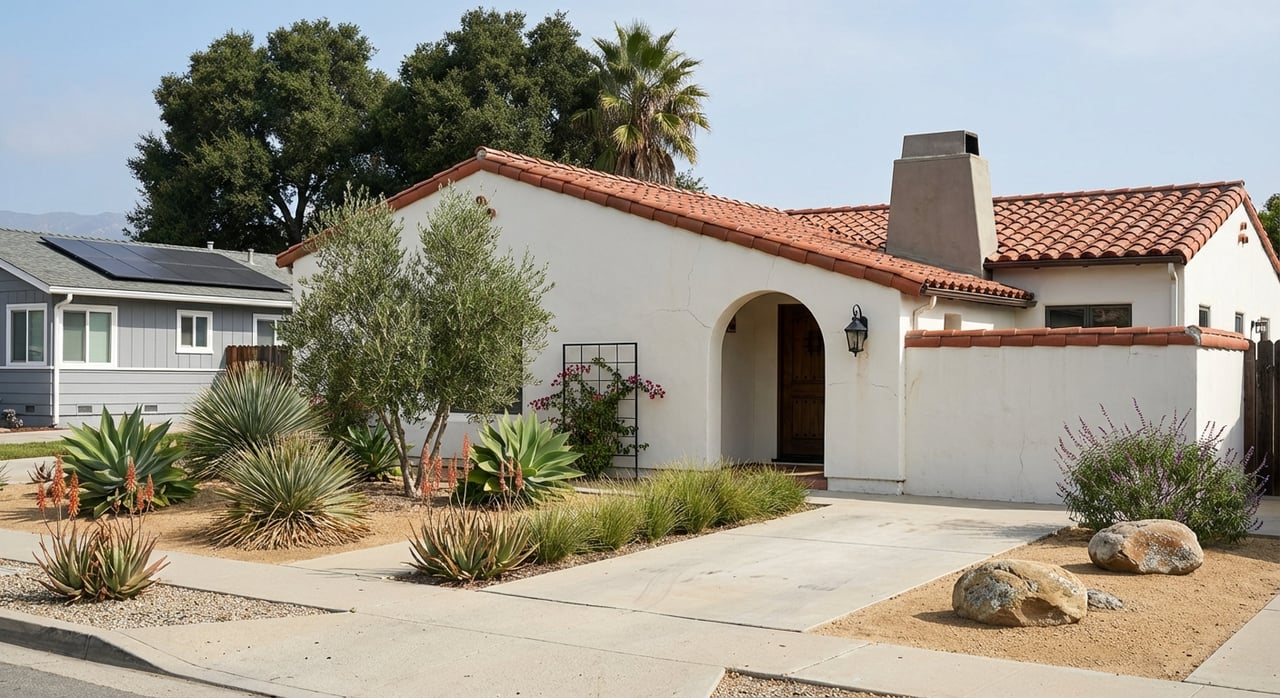
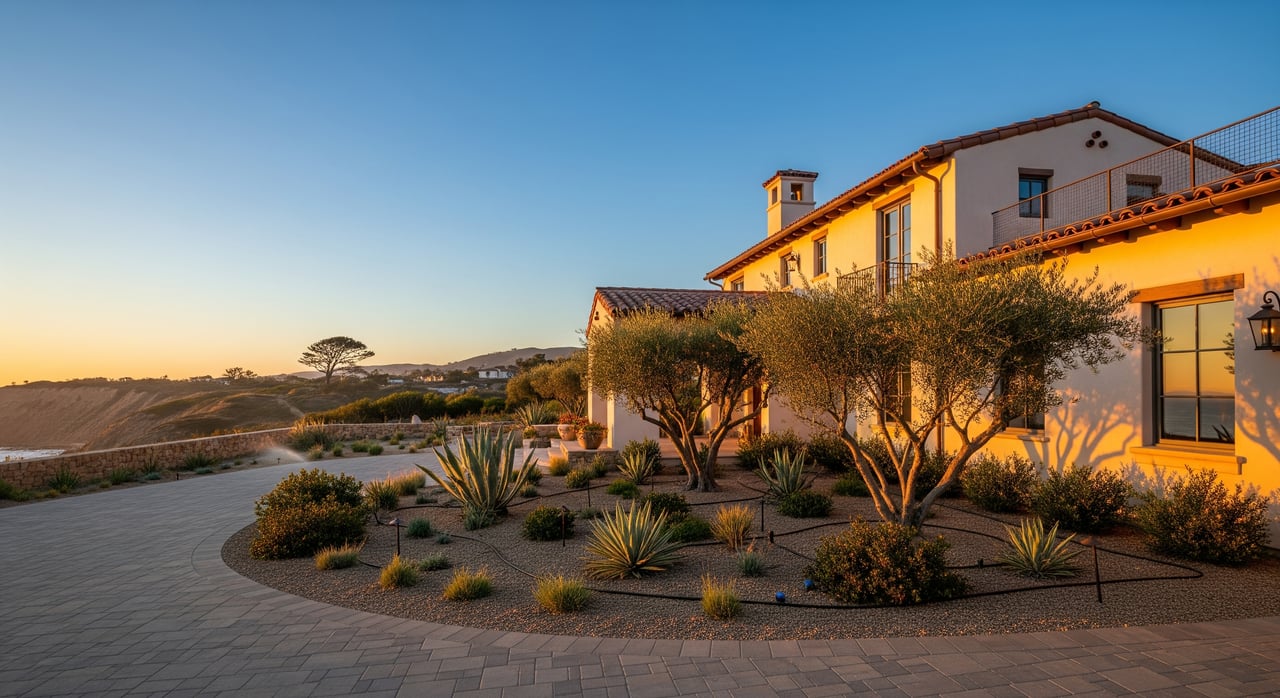
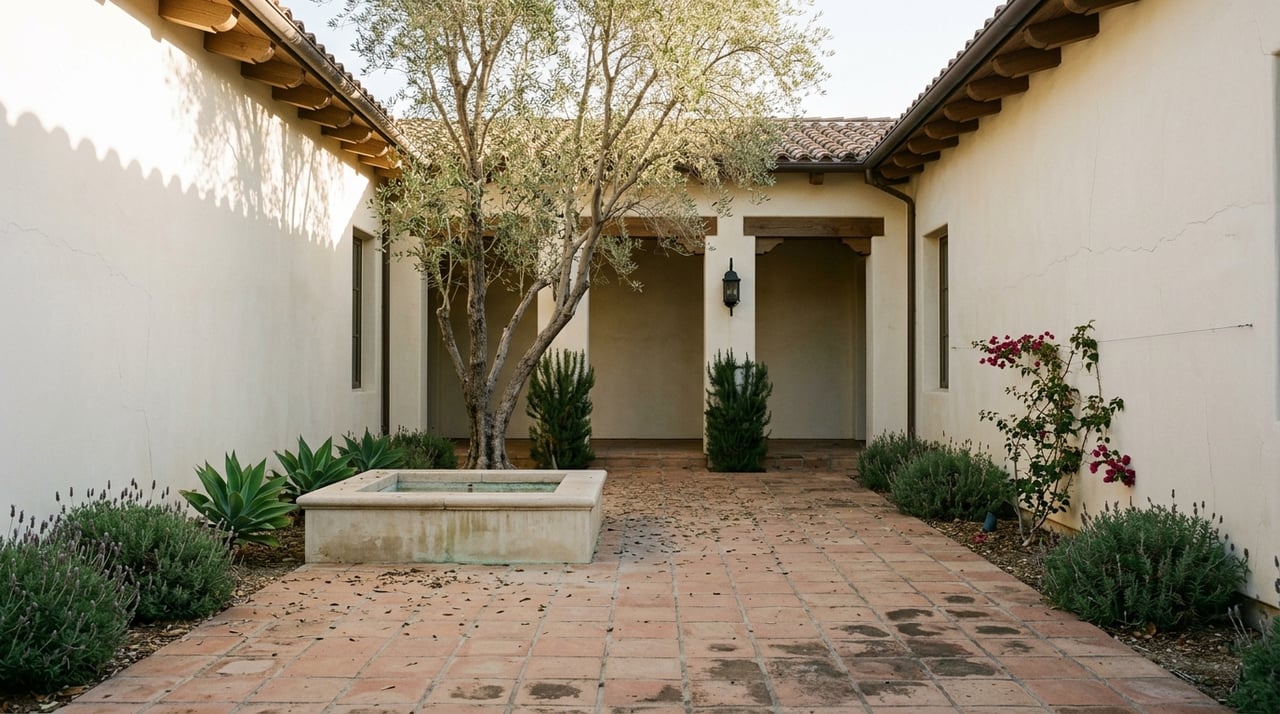
The Covenant also assigns most Rancho Santa Fe homes to a Type I Architecture District, language that traces back to 1928 and calls for "that distinctive type of architecture" drawing on Mediterranean and Spanish Colonial precedent. That style requirement isn't arbitrary. Lilian Rice designed the community's original inn, "La Morada," in 1923 for the Santa Fe Land Improvement Company, and that building set the architectural tone the Covenant later codified. If your renovation plans lean toward a style outside that lineage, expect more scrutiny, not less.
The Clock You're Actually Buying
The Art Jury meets every three weeks on Tuesdays at 8:30 a.m., and submittal deadlines follow a published annual schedule. That cadence matters more than most buyers realize when they're timing a purchase around planned improvements. If your initial submission comes back with requested changes, you're not fixing it and resubmitting the next day. You're waiting for the next meeting slot, then the one after that if further revisions are needed.
A former Art Juror once tried to build a tool that would help future applicants predict what counts as conforming architecture before they submit. Art Jury president Bill Danola has pointed applicants back to the Covenant's own Residential Design Guidelines in the meantime, which favor restraint, simplicity, and informal landscaping over anything that reads as ornate or heavily engineered. That's a judgment call the Art Jury makes case by case, and the Dolan-King ruling shows a court is willing to overturn that judgment on one element of a project while upholding it on another in the same file.
The Association has recently moved some of this online. A new digital permitting system called Accela is now live, letting homeowners submit applications and track project status through a portal instead of routing everything by mail or in person. That's a real convenience, but it doesn't shorten the three-week meeting cycle. It just makes the paperwork easier to track while you wait for it.
If You Disagree With a Ruling, Your Options Are Narrow
The Covenant does include an appeal path if a homeowner believes the Art Jury got it wrong. It runs through mediation and, if that fails, a public hearing. But the bar to actually overturn an Art Jury decision is high by design: the Board needs a four-fifths supermajority vote, plus specific findings that the decision caused hardship, lowered community standards, or reflected bias. That's not a rubber-stamp appeal. It's closer to asking a supervisory board to conclude that a citizen design panel got it wrong on the merits, not just that a homeowner disagrees with the outcome.
The other path, as Dolan-King's case shows, is litigation. That route produced a mixed result even for someone who won part of her case. It's slower and more expensive than the internal appeal, and the ruling suggests courts are inclined to defer to the Art Jury's expertise on questions of architectural harmony while still holding it accountable when its reasoning doesn't hold up.
The Board Just Gave Itself a Faster Lane
Here's the detail that should change how a buyer or seller thinks about this system. In January 2026, the RSFA Board adopted two resolutions that change how design review works, but only for projects the Association itself sponsors. The first resolution creates a separate review track for Association-sponsored, common-area projects that runs differently from what homeowners follow under the Covenant. The second shifts more Art Jury authority over to Building Department staff. Under the new rules, Association projects move through the review process capped at three rounds, preferably two, and if the Board disagrees with the Art Jury's input, it can keep revising and approving its own plans without the appeal process homeowners are bound by.
The renovation that prompted community pushback was the Rancho Santa Fe Golf Club restaurant project. Earlier design proposals for that renovation were abandoned after residents said they didn't fit the Ranch's traditional Spanish architectural style, the exact kind of judgment call the Art Jury exists to make on homeowner applications every three weeks. Under the new resolutions, a similar future project sponsored by the Association would move through a faster, capped process with fewer avenues for a resident to force a redesign.
That's a two-tiered system now built into how Rancho Santa Fe handles design review. Homeowners face the full Covenant process, with no cap on review rounds and a narrow appeal path if they lose. Association-sponsored work faces a capped, streamlined process without that same appeal exposure. If you're planning a renovation timeline around Art Jury approval, it's worth knowing that the body reviewing your plans doesn't apply the same standard to projects it sponsors itself.
What This Means Before You Sign Anything
If you're planning to... | Build this into your timeline |
Renovate before listing | Submit early. Homeowner projects have no review-round cap, and each revision cycle adds roughly three weeks. |
Buy with renovation plans in mind | Confirm your target home's Type I Architecture District status and don't assume county-approved plans clear the Association automatically. |
Replace a fence, wall, or landscaping feature | Treat it as a full Art Jury submission, not a minor exterior update. Fences have been litigated. |
Contest a rejection | Understand that internal appeal requires a four-fifths Board supermajority and specific hardship findings. It's a high bar by design. |
For a Rancho Santa Fe seller weighing a pre-listing renovation, or a buyer whose offer hinges on being able to add a wing or update a facade after closing, this isn't a footnote. It's a real variable in how fast you can move and how much certainty you have going in. A design that looks obviously appropriate to you and your architect is still subject to a citizen panel's read of "restraint and simplicity," and the only fast lane in the current system belongs to the Association, not to homeowners.
FAQ
Does every exterior change need Art Jury review, or just major additions? The Covenant's language covers structures and improvements broadly. Fences and landscaping changes have gone through full review and, in Dolan-King's case, through litigation. Assume anything visible from outside the home requires a submission.
Does an Art Jury approval mean I don't need county permits, or vice versa? No. The Association's Building Department requires proof of county review before it will process your submission. The two approvals run in sequence, not in place of each other.
If my renovation plans are central to my decision to buy a specific home, when should I start the approval process? As early as possible, ideally before you remove contingencies. Given the three-week meeting cadence and the possibility of multiple review rounds, plan for months rather than weeks if your design pushes against the Type I Architecture District's Spanish Colonial Revival expectations.
Is there a way to get informal feedback before a full submission? The Association's Building and Planning Department, including architectural and landscape consultants, is positioned to help homeowners understand whether a project needs full Art Jury review before work begins. That conversation is worth having before final drawings are complete.
Rancho Santa Fe's Covenant is part of what protects the character buyers pay a premium for, but it also means renovation planning here runs on a different clock than almost anywhere else in North County. If you're evaluating a Rancho Santa Fe property with renovation plans in mind, or preparing your own home for the market, Peter Heines can walk through what a specific parcel's design district actually allows and how to time your project around the Art Jury's calendar instead of against it. Book a consultation before you finalize any plans that depend on that approval.