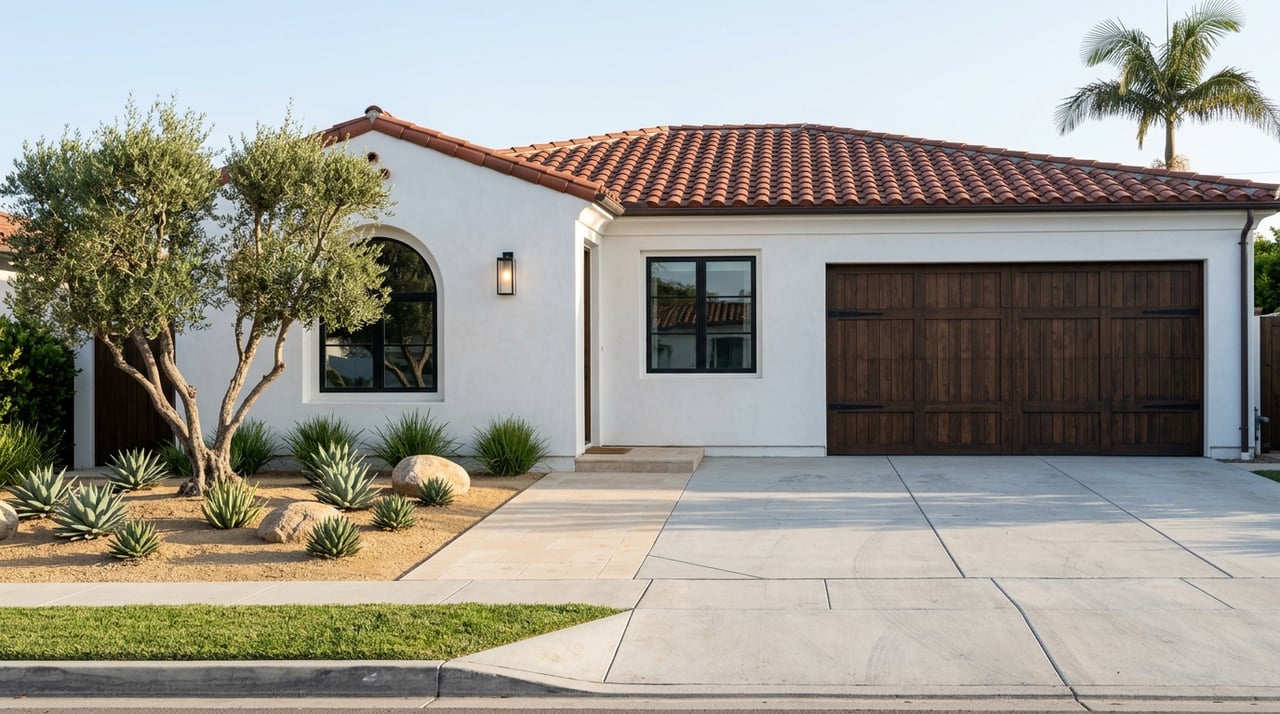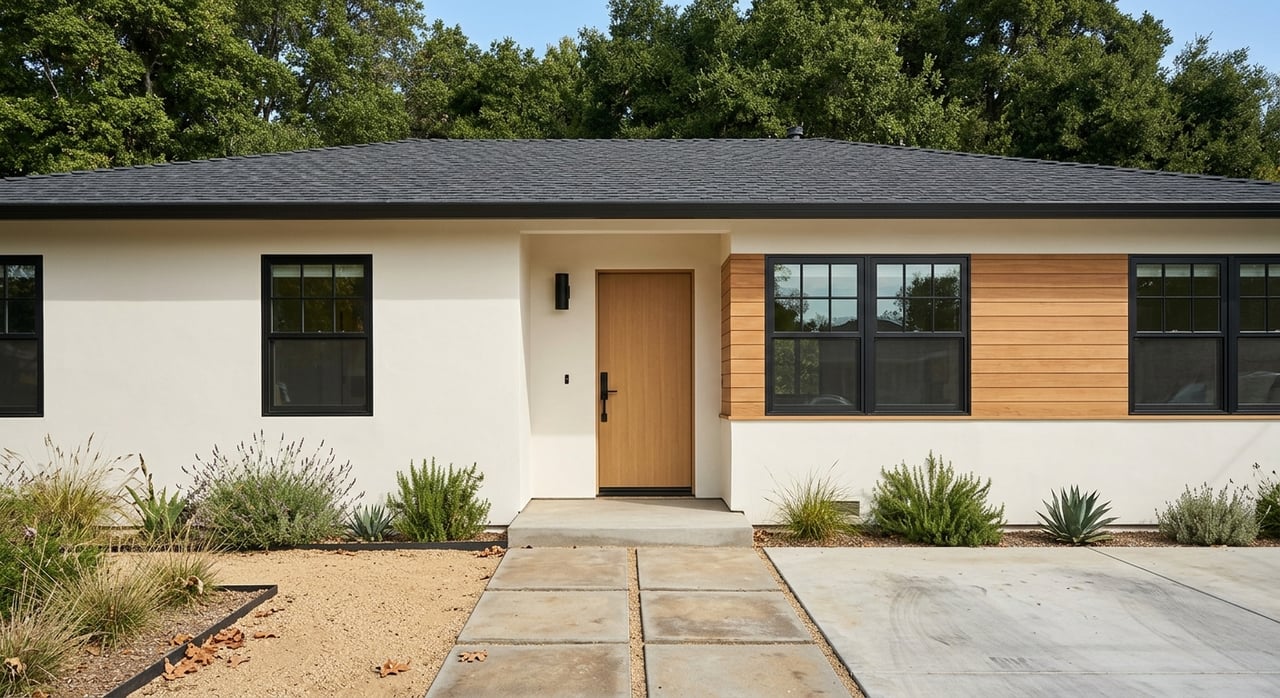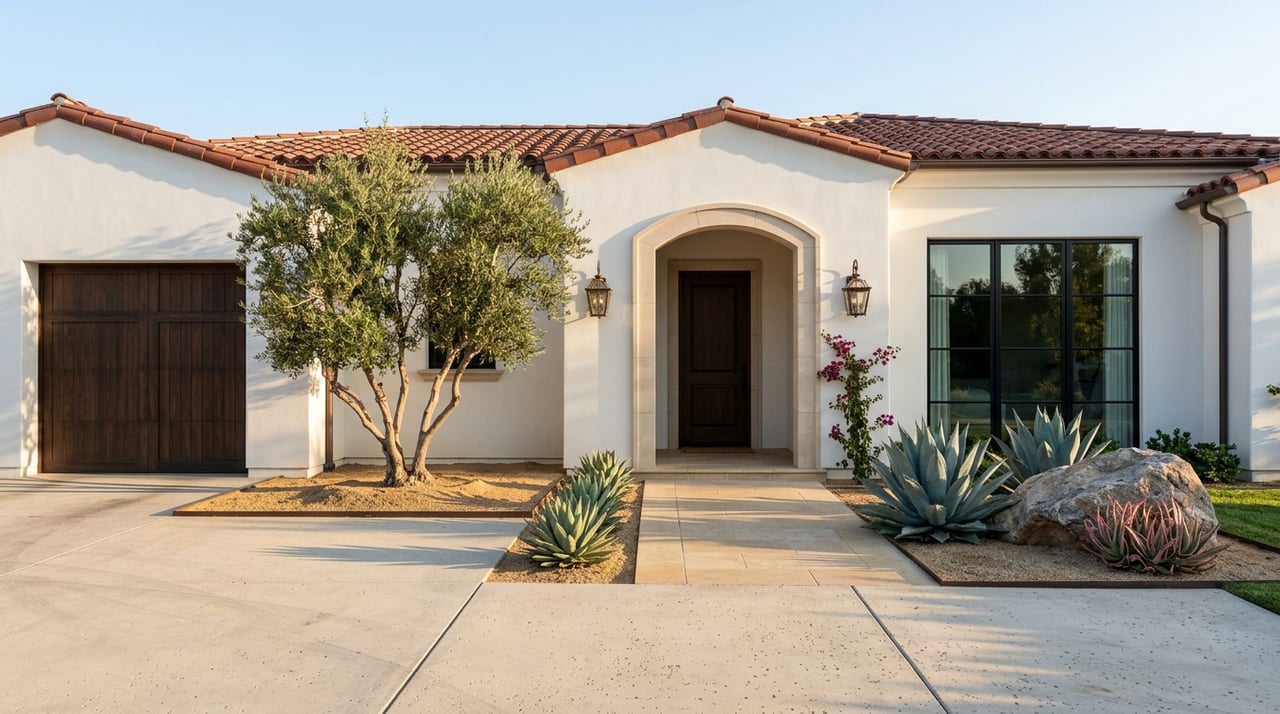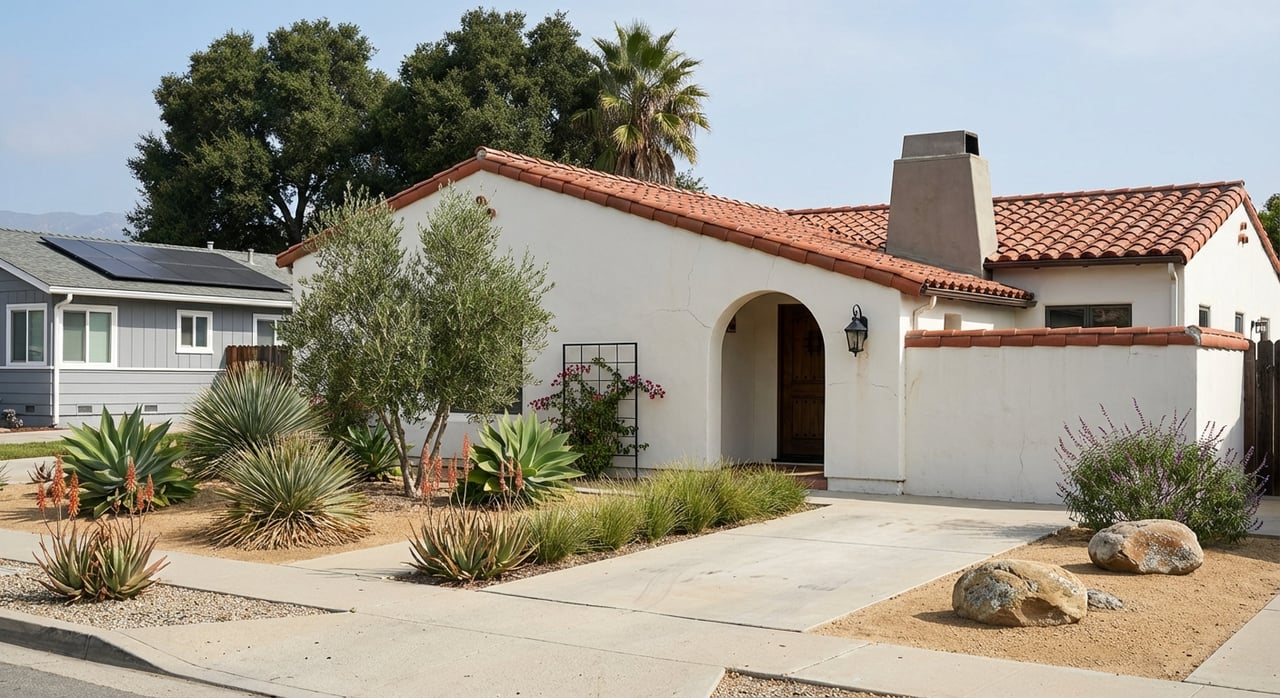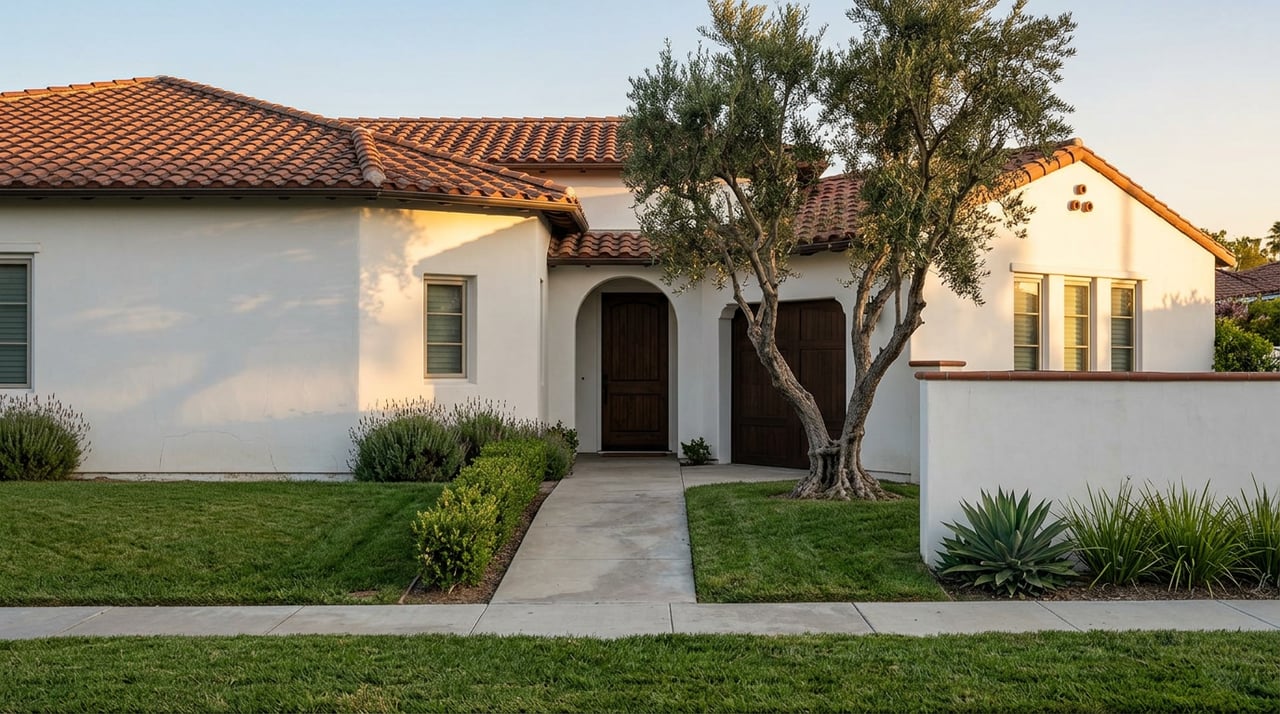
Most sellers preparing a historic home for market worry about the roof, the foundation, maybe the knob-and-tube wiring behind the walls. In Old Escondido, that worry is often misplaced. The thing that actually slows down or kills a closing in this district is rarely structural. It's a window that got replaced in 2014, a porch rail that got swapped out for something from the hardware store, or a garage conversion nobody thought to mention. None of that shows up on a standard inspection report. All of it can stop a sale cold.
Old Escondido is north San Diego County's only residential historic district, a roughly 30-block pocket bounded by Escondido Boulevard, Chestnut Street, and 5th through 13th Avenues. It's full of Victorians, Craftsman bungalows, and early-1900s cottages under mature trees, the kind of streetscape that photographs beautifully for a listing. What the listing photos don't show is that every exterior change made to those homes since they were built, or since the current owner bought in, needs a paper trail. And in a lot of these houses, that paper trail has gaps.
The Rule That Applies Even If You Never Thought of Your House as Historic
The City of Escondido's own guidance for homeowners in the district is direct about this: you need to contact the Planning Division before starting any exterior improvement project, even if you don't think of your home as historic and even if it isn't on the city's Local Register. Paint colors, porch details, and especially windows all fall under this. The city is explicit that replacing windows in a home 50 years or older is treated the same as any other exterior modification: it requires a Certificate of Appropriateness before work begins, not after.
Skip that step and the consequences aren't hypothetical. The district's own homeowner guidance states plainly that going without a Certificate of Appropriateness can result in a stop work order, delays, and costly penalties. Larger projects get reviewed by the city's Historic Preservation Commission, which adds another layer of timeline to account for.
Here's the part that matters for a seller specifically. If a Certificate of Appropriateness was never pulled for work done years ago, that gap doesn't disappear when you list the house. It surfaces in escrow, when a buyer's agent or title company asks for documentation of past exterior changes and comes up empty. At that point you're not negotiating over paint. You're negotiating over whether the sale can close on schedule.
The Mills Act Looks Like a Perk. It's Actually a Contract That Follows the House.
If your home carries a Mills Act contract, the property tax savings are real. The City of Escondido's own program FAQ puts typical savings at 20 percent to 60 percent, calculated using the lesser of current market value, the Proposition 13 value, or a restricted value based on projected rental income. That's a genuine number, and it's one reason Mills Act homes get marketed as a selling point. The contract stays with the property, not the person, so a buyer steps into those same savings the day escrow closes.
That's also exactly why it needs to be handled carefully during a sale. A Mills Act agreement isn't a one-time tax election. It's a 10-year contract that renews automatically every year unless someone files a notice of non-renewal, and it comes with real obligations attached: the owner has to maintain and restore the structure to preserve its historic integrity, improvements are subject to Planning Division review against the Secretary of the Interior's preservation standards, and the owner agrees to periodic inspection by the County Assessor, the State Historic Preservation Office, local government, and the State Board of Equalization. Fall out of compliance and the city can assess a penalty of up to 12.5 percent of the home's current assessed value.
None of that penalty transfers away when you sell. It transfers with the contract, to whoever owns the house next.
| Mills Act contract in good standing | Mills Act contract with gaps | |
|---|---|---|
| Effect on buyer | Inherits the tax savings starting at close | Inherits the compliance risk along with the savings |
| Marketing value | Genuine selling point, lower future tax bill | Can raise buyer or lender questions during escrow |
| Documentation needed | Copy of recorded agreement, most recent inspection notes | Same, plus an explanation for any lapse |
| Penalty exposure | None, assuming maintenance terms were met | Up to 12.5% of assessed value if non-compliance is found |
A seller who can hand over a clean file, the recorded agreement, evidence the required maintenance actually happened, documentation that any exterior work went through the proper Certificate of Appropriateness process, is handing a buyer a straightforward asset. A seller who can't is handing over a question mark that a sharp buyer's agent will eventually ask about.
Where the County Takes Over Instead of the City
Old Escondido's historic core sits inside city limits, but Escondido stretches out toward more rural terrain on its edges, and that boundary matters for a different reason. A property's mailing address doesn't determine which agency has jurisdiction over septic and well systems. Some parcels that read as Escondido addresses are actually unincorporated county land, which means septic questions route through the County of San Diego's Department of Environmental Health and Quality rather than the city.
This matters at the exact moment you'd expect it not to: mid-escrow. A real estate transaction is one of the specific events that can trigger a required septic inspection, and if a permit has quietly lapsed, which happens more often than owners realize when a home changes hands, that lapse has to be resolved before the county will sign off on anything tied to the property. The county also requires owners to retain septic pumping records for six years, and those records aren't always where a seller expects to find them when a buyer's lender asks.
The through-line here is the same one running through the historic district. It's rarely the physical system that stops a sale. It's whether the paperwork proving that system was maintained and permitted correctly actually exists.
What This Means Before You List
If you're planning to sell a home in Old Escondido this year, the useful work happens before the sign goes in the yard, not after an offer comes in. Pull together the file on any exterior work done during your ownership, and any you know about from before that. If a Certificate of Appropriateness exists for that work, have it ready. If one doesn't, it's worth a call to the Planning Division at (760) 839-4671 to understand what retroactive approval looks like before a buyer's agent finds the gap for you.
If the home carries a Mills Act contract, gather the recorded agreement and any inspection or maintenance records tied to it. That file is a selling point when it's complete. It's a source of delay when a buyer's team has to go looking for pieces of it themselves.
And if the parcel sits anywhere near the edge of city limits, confirm jurisdiction and septic status early rather than assuming the mailing address settles the question.
None of this changes what makes these homes worth owning. It changes how smoothly the next owner gets to enjoy them, and how much friction sits between your listing date and your closing date.
FAQ
Does a Mills Act contract cancel when the home sells? No. The contract runs with the property, not the owner. The new buyer receives the full benefit of the existing agreement and takes on its maintenance obligations starting at close.
Do I need a Certificate of Appropriateness for exterior work a previous owner did? The requirement attaches to the work itself, not to who did it. If a past exterior change, including something like a window swap, was never approved, that gap in the record can surface during a sale even though you weren't the one who made the change.
What if I'm not sure whether my septic permit is current? Check with the county before you're in escrow. A lapsed permit can hold up the sale, and it's far easier to resolve on your own timeline than on a buyer's.
Selling a historic home in Old Escondido rewards the seller who does the paperwork homework early. If you're weighing a listing in the district and want a second set of eyes on what your file is missing before a buyer's agent finds it, Peter Heines is glad to walk through it with you. Book a consultation and let's get the file in order before the sign goes up.