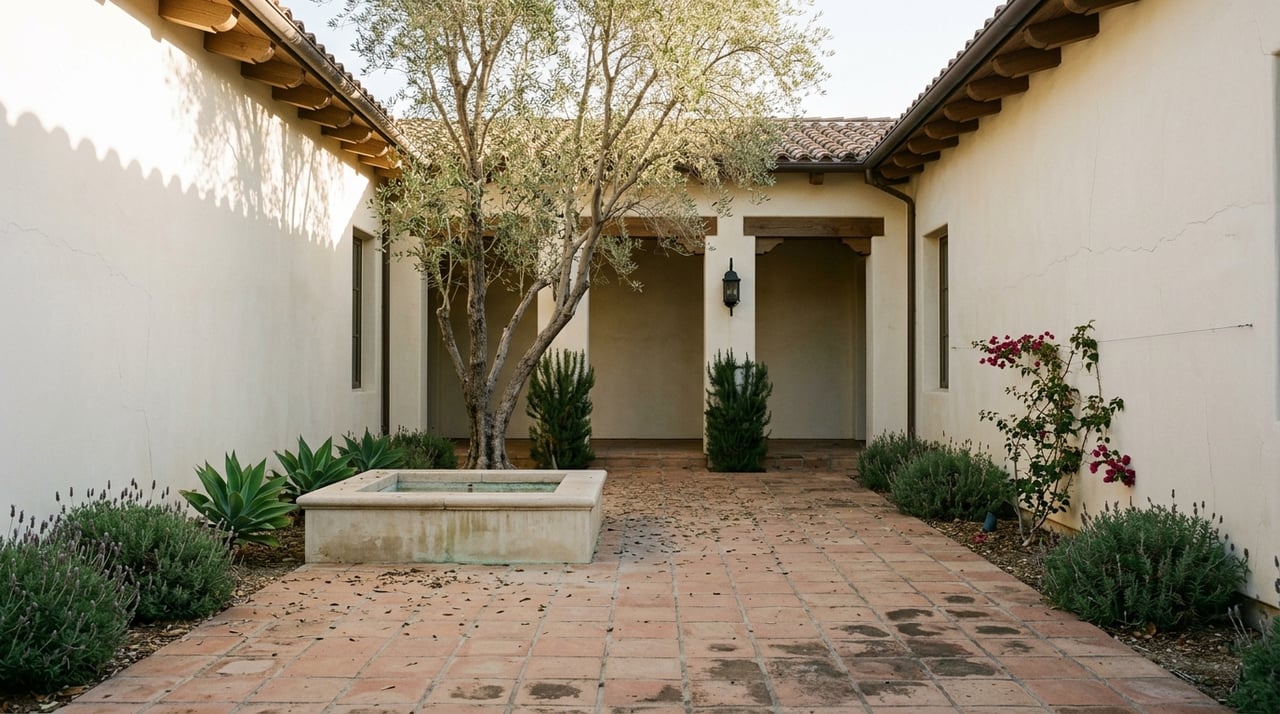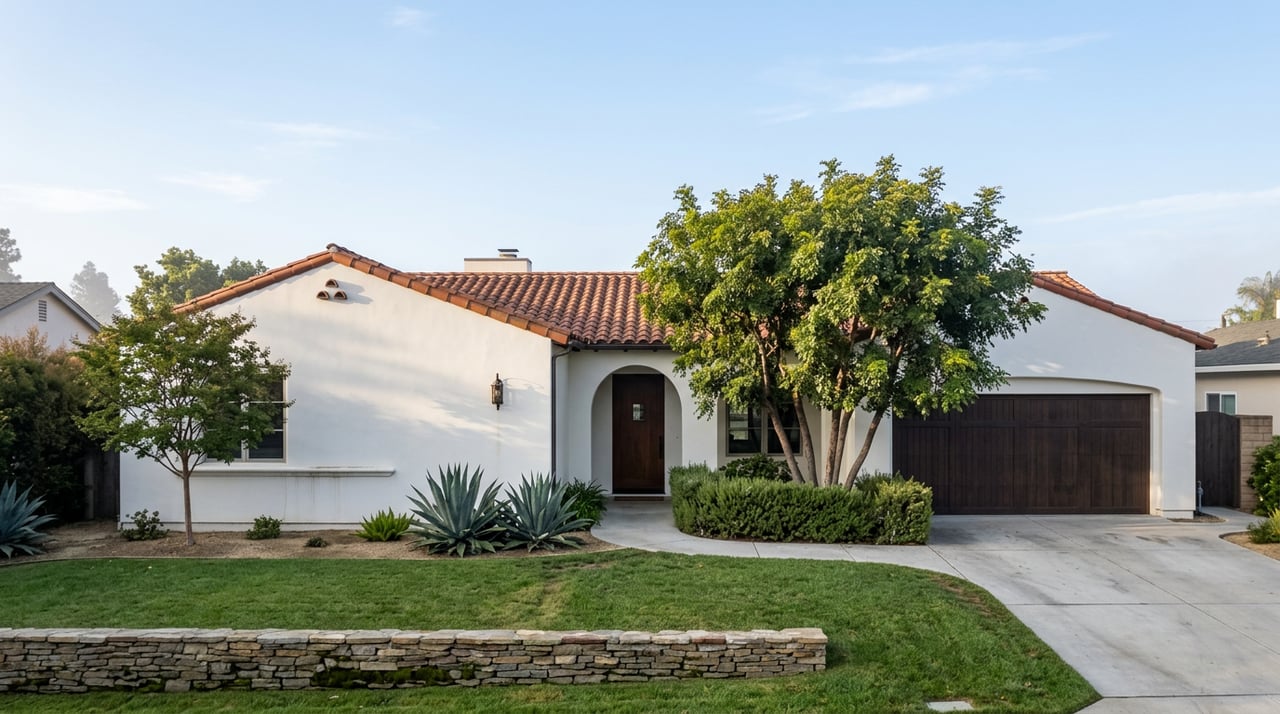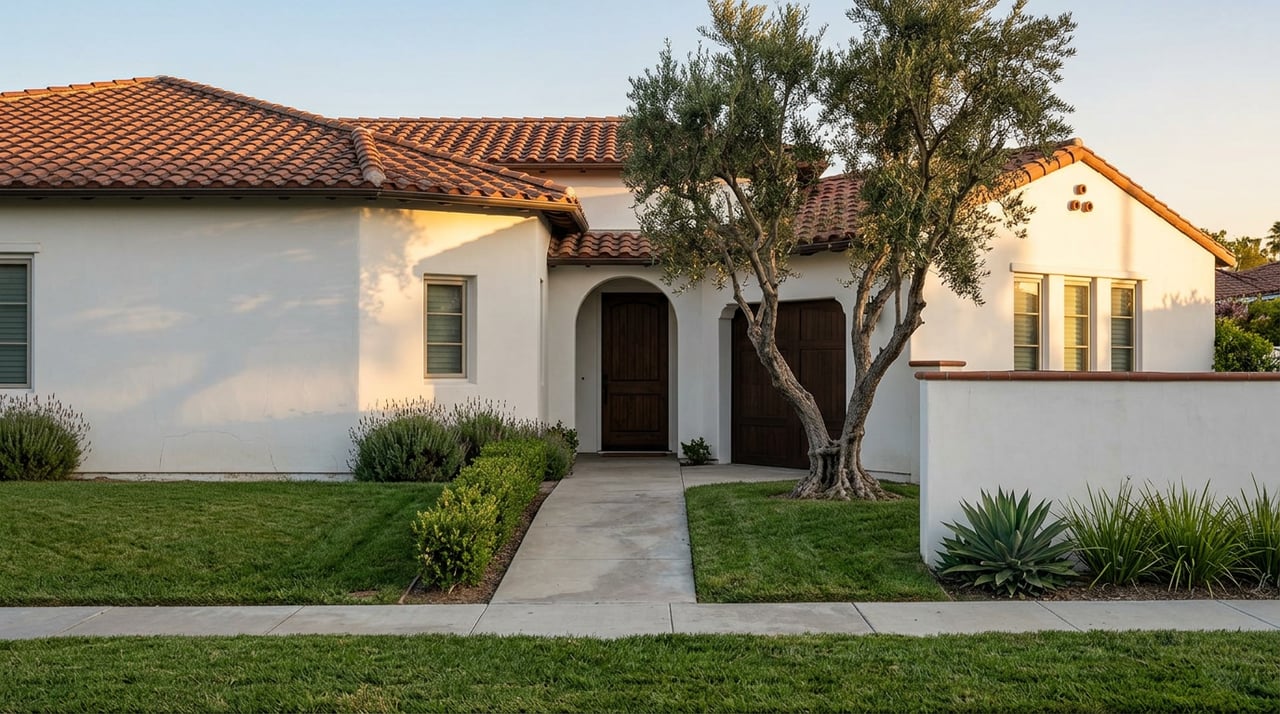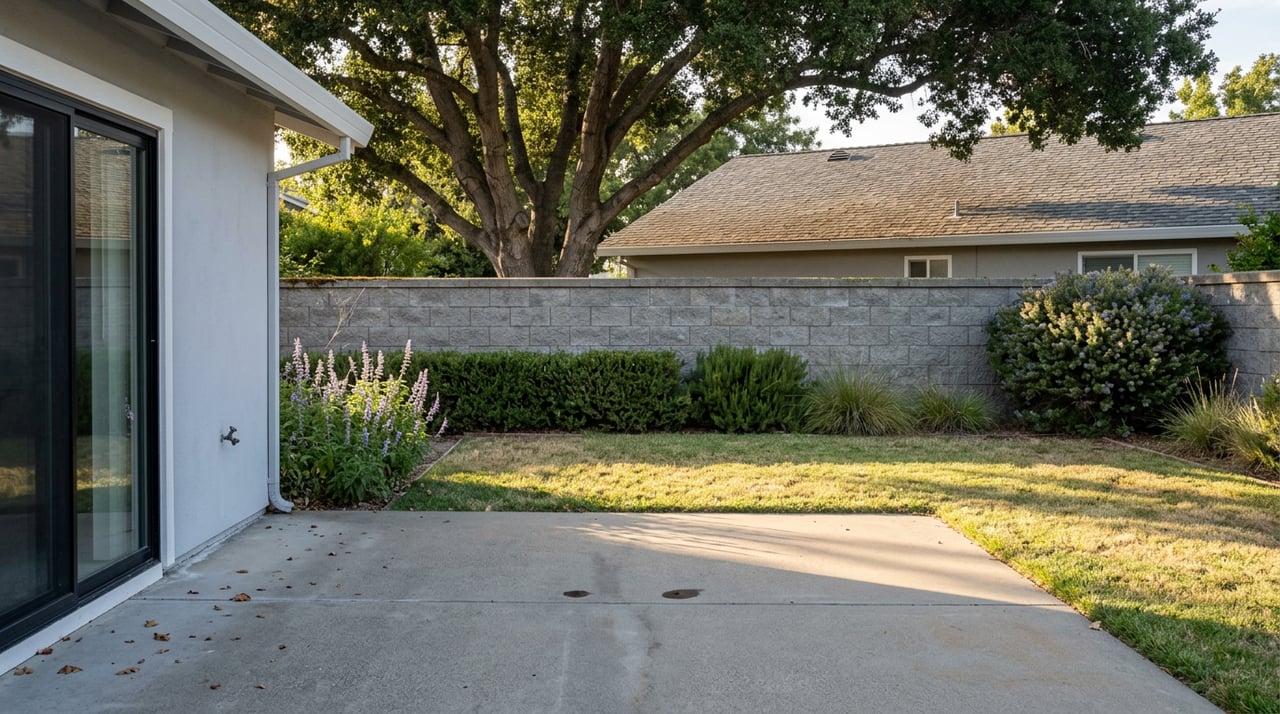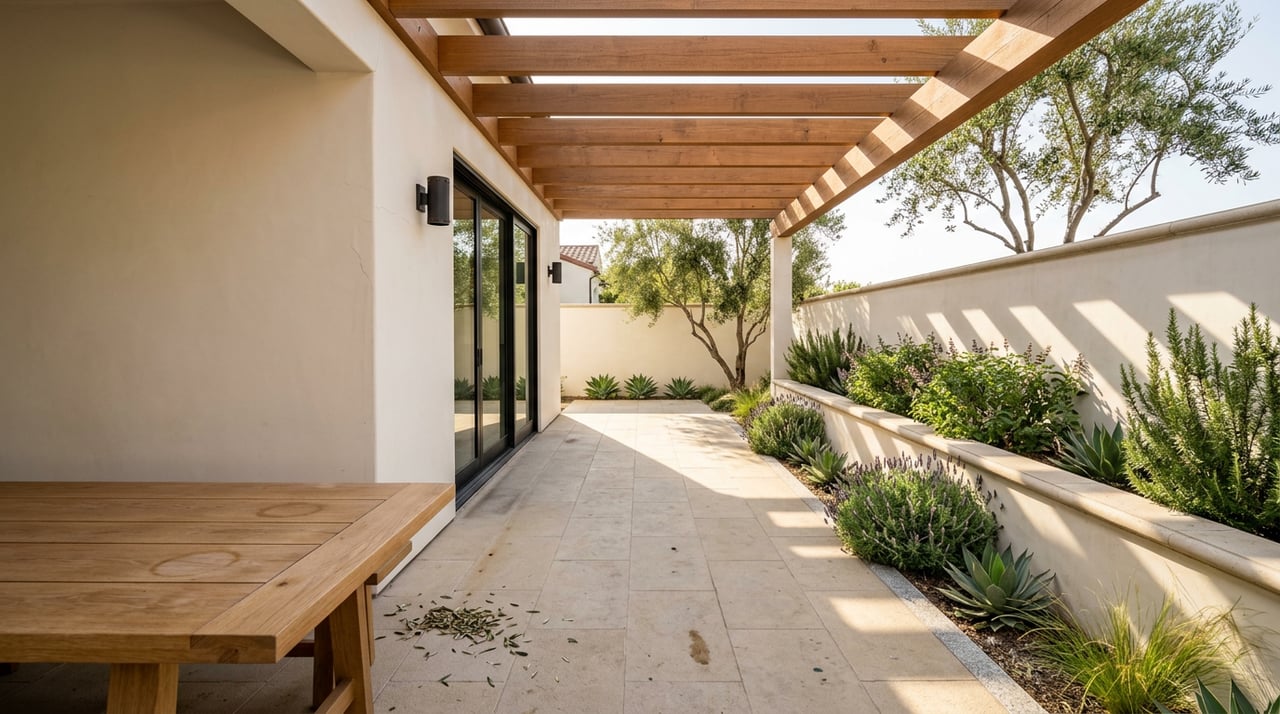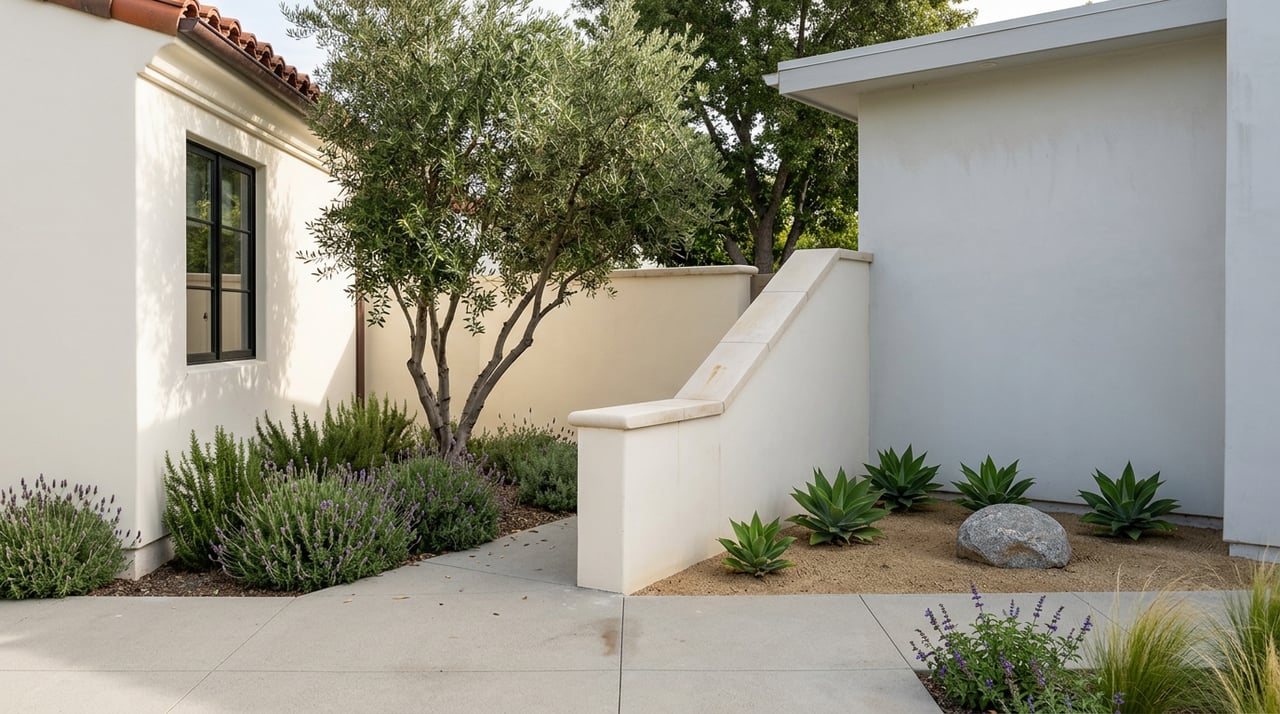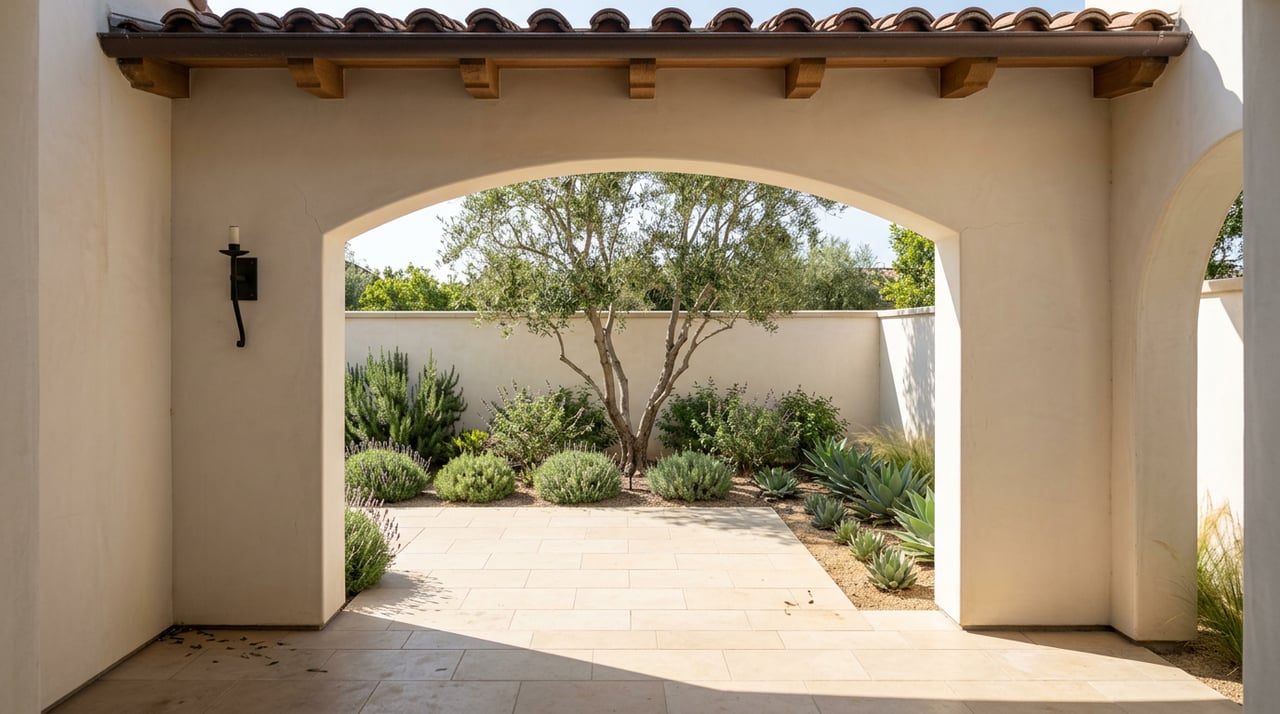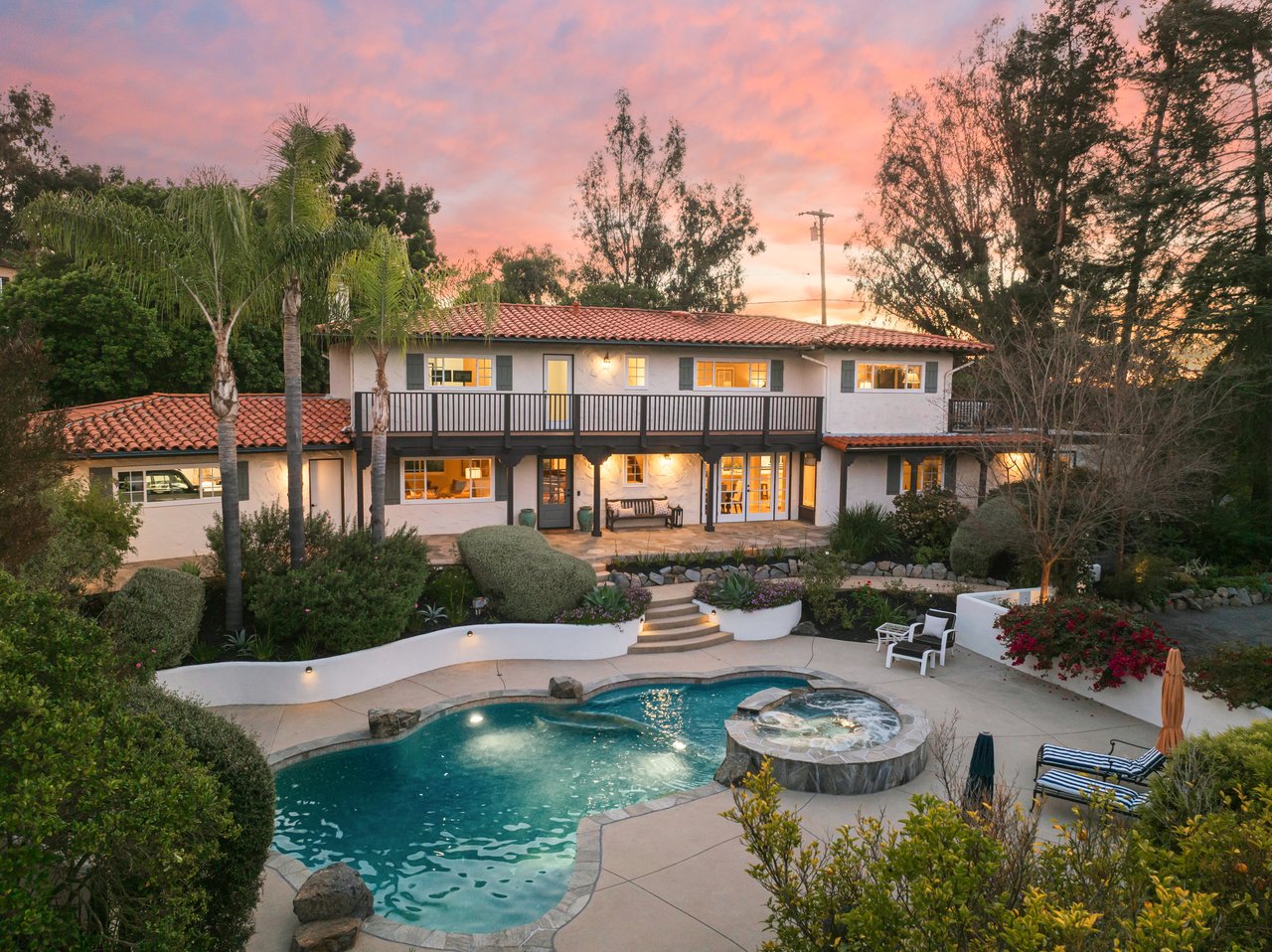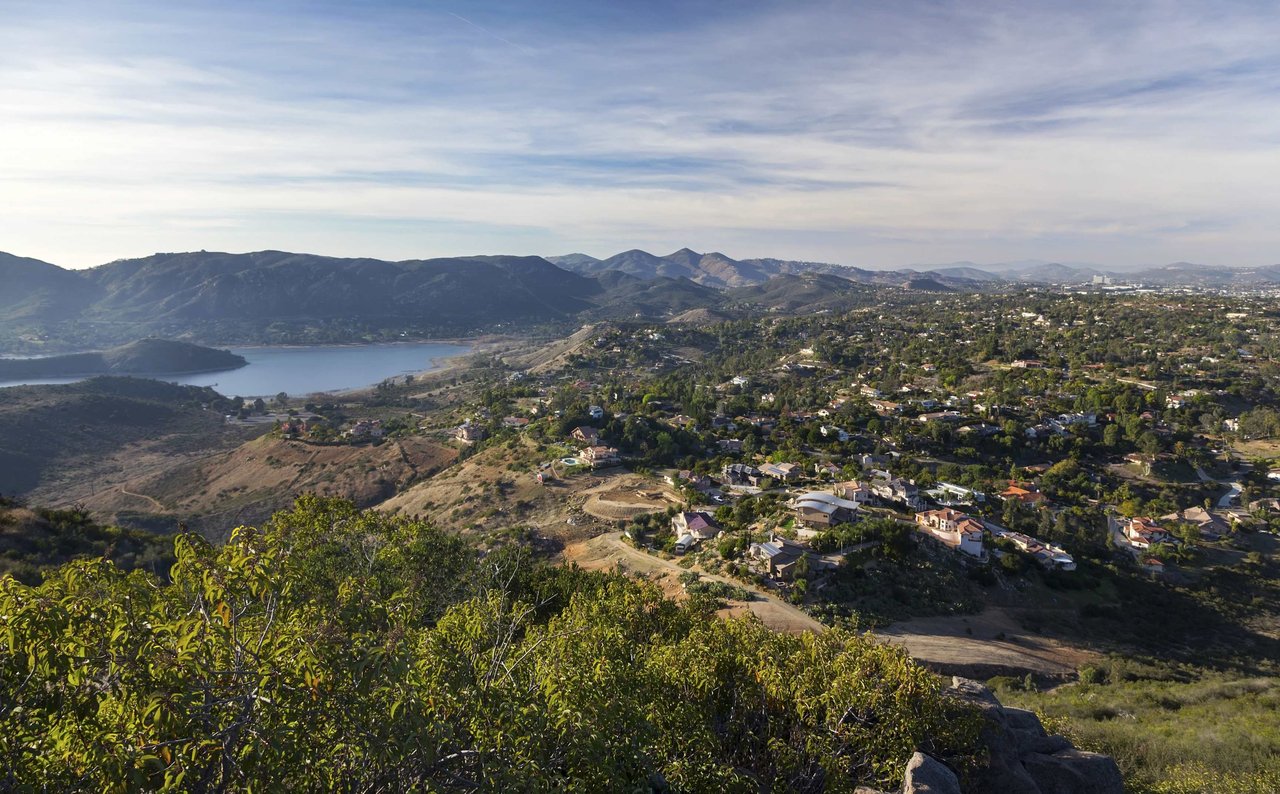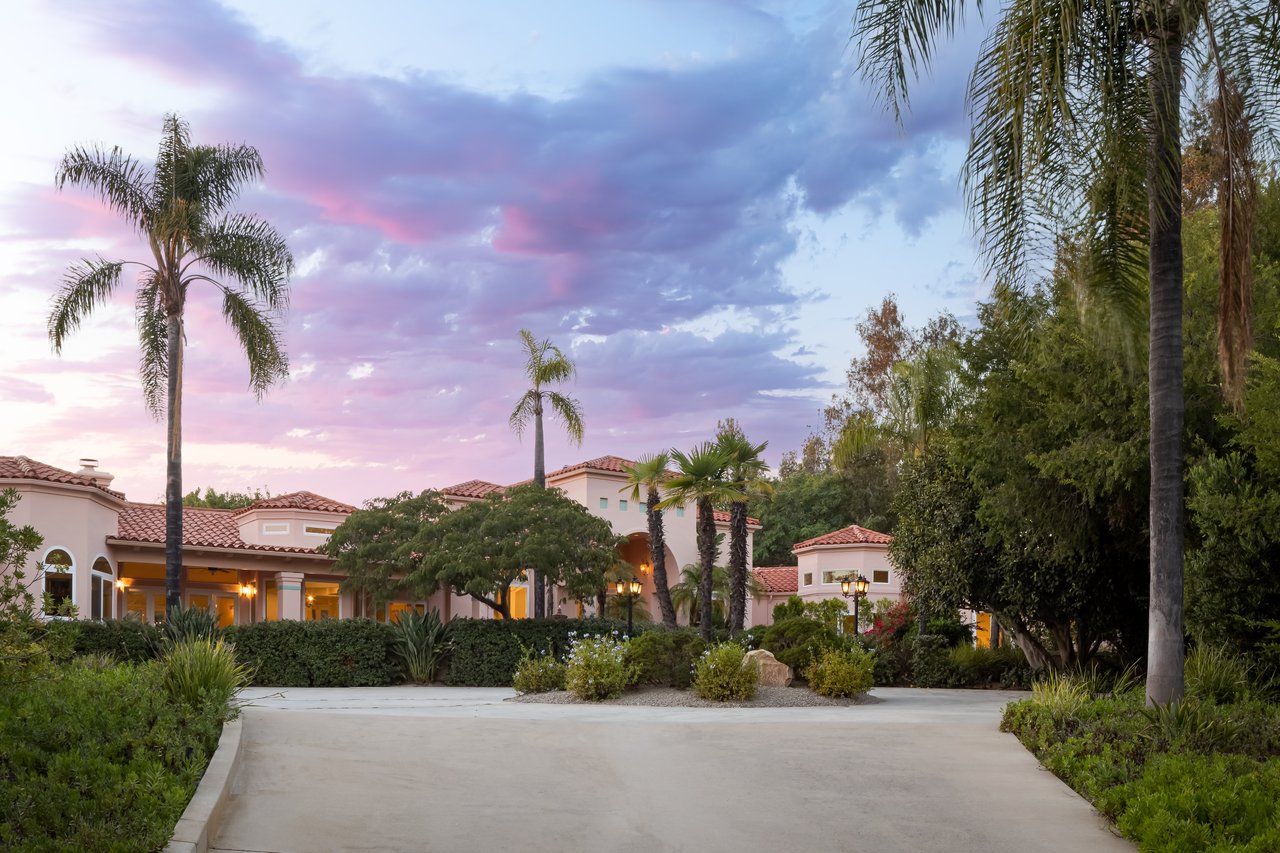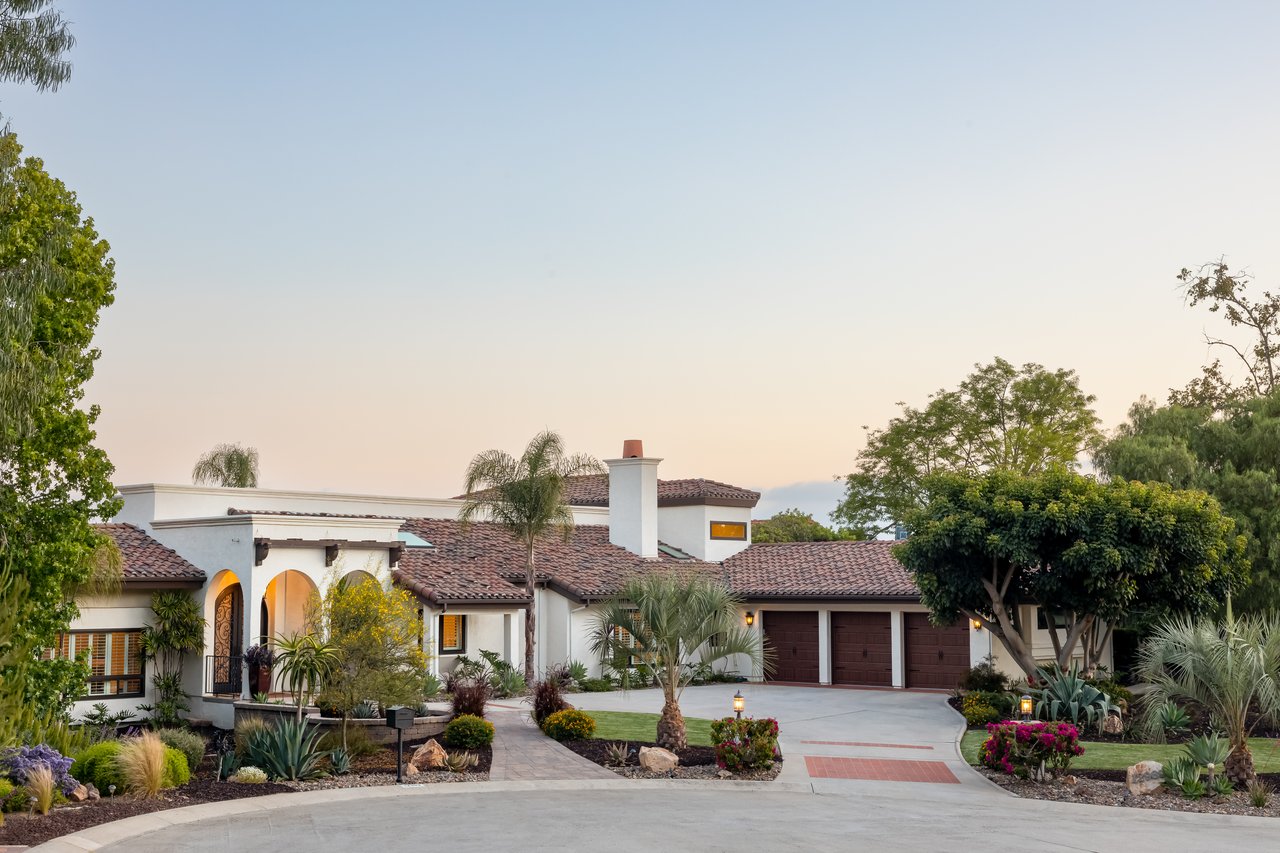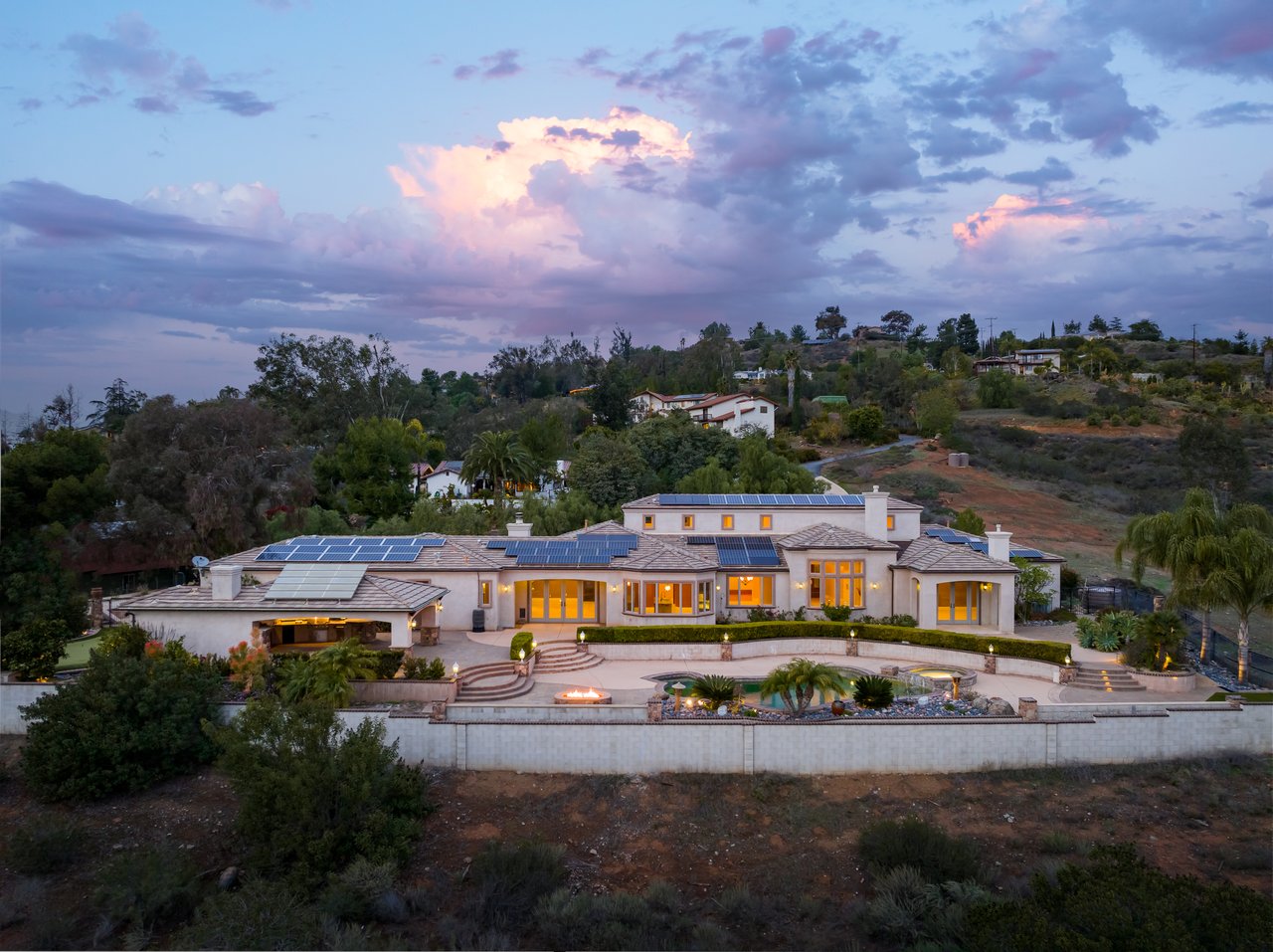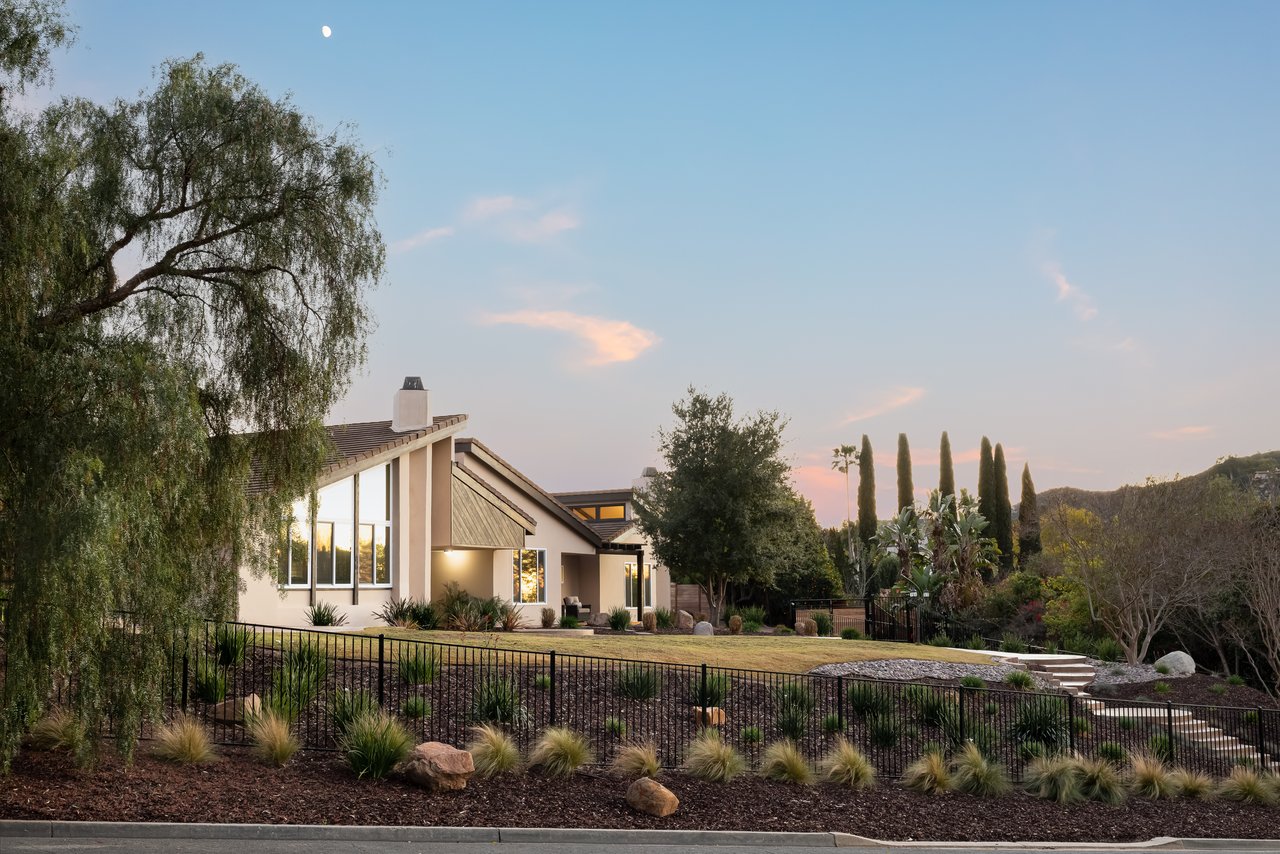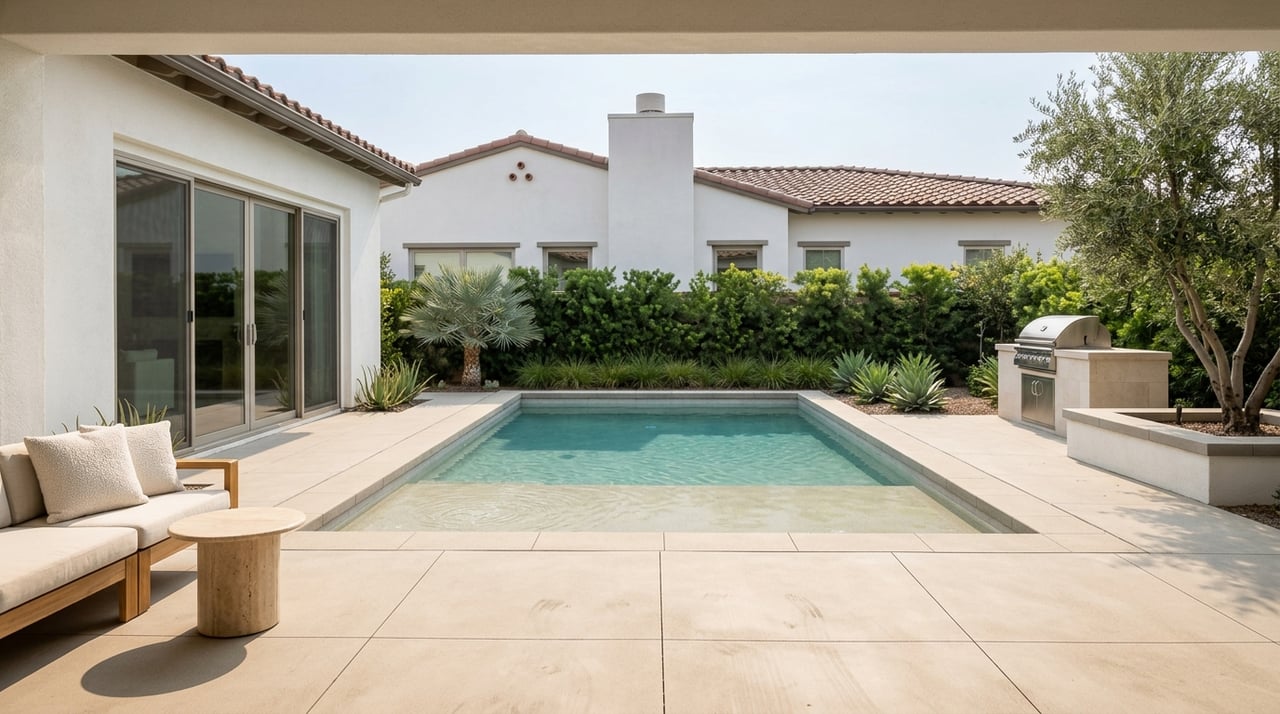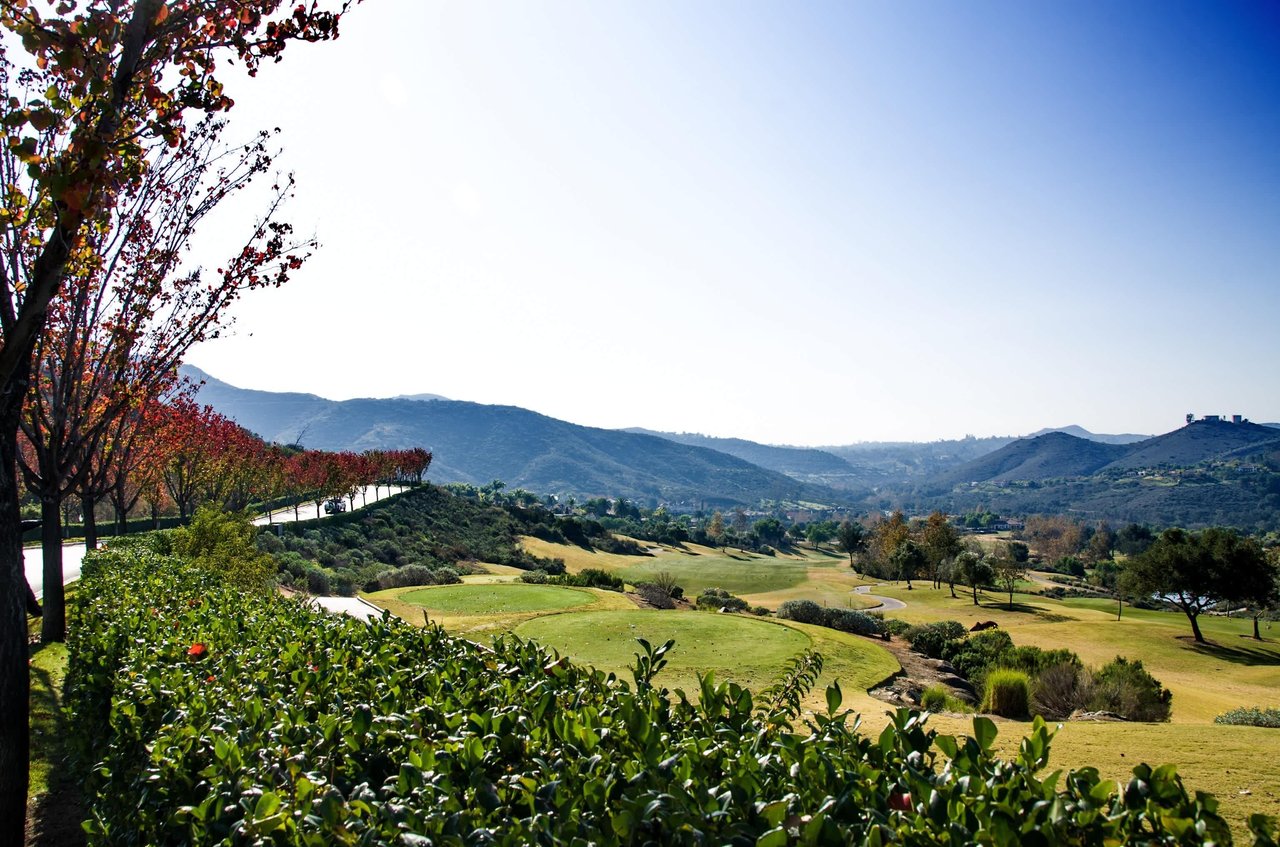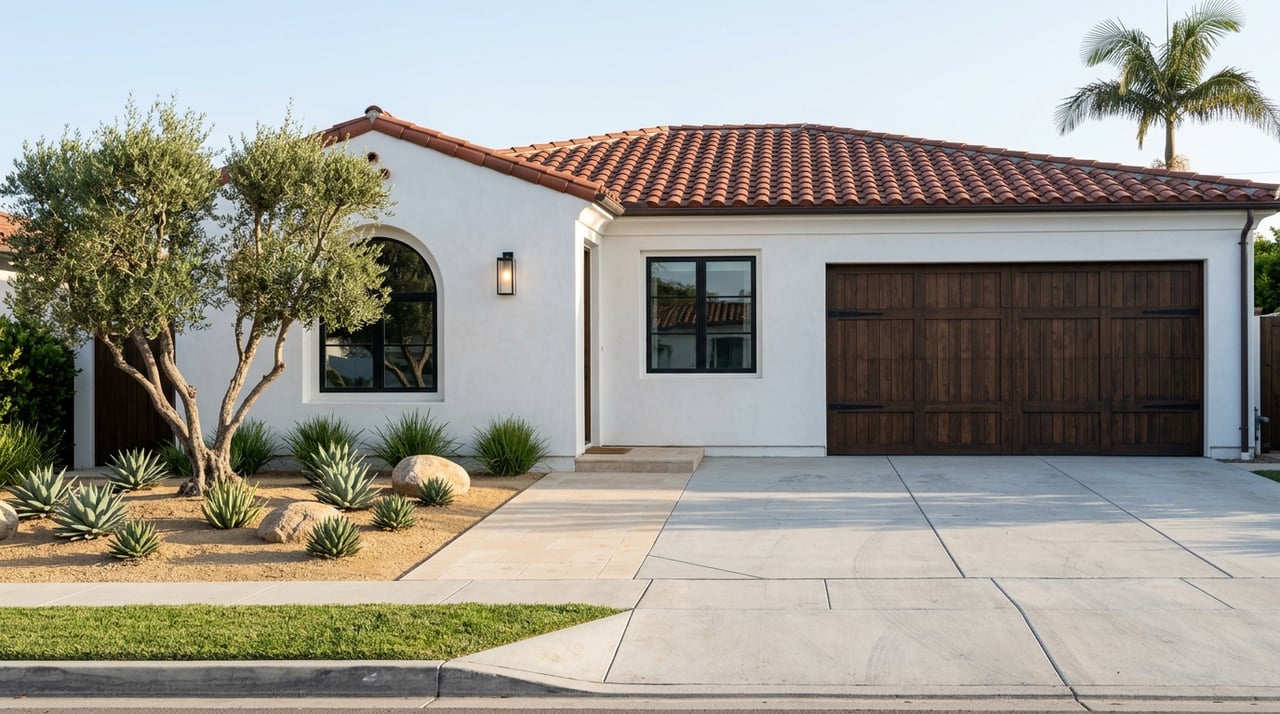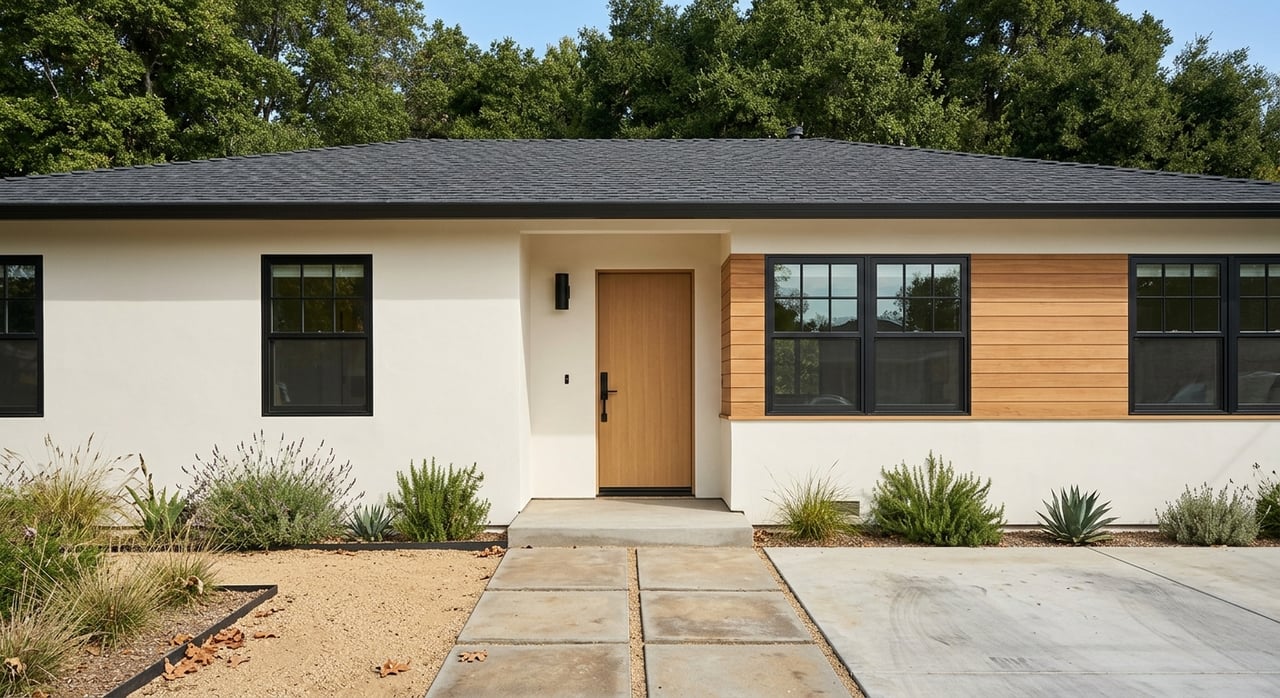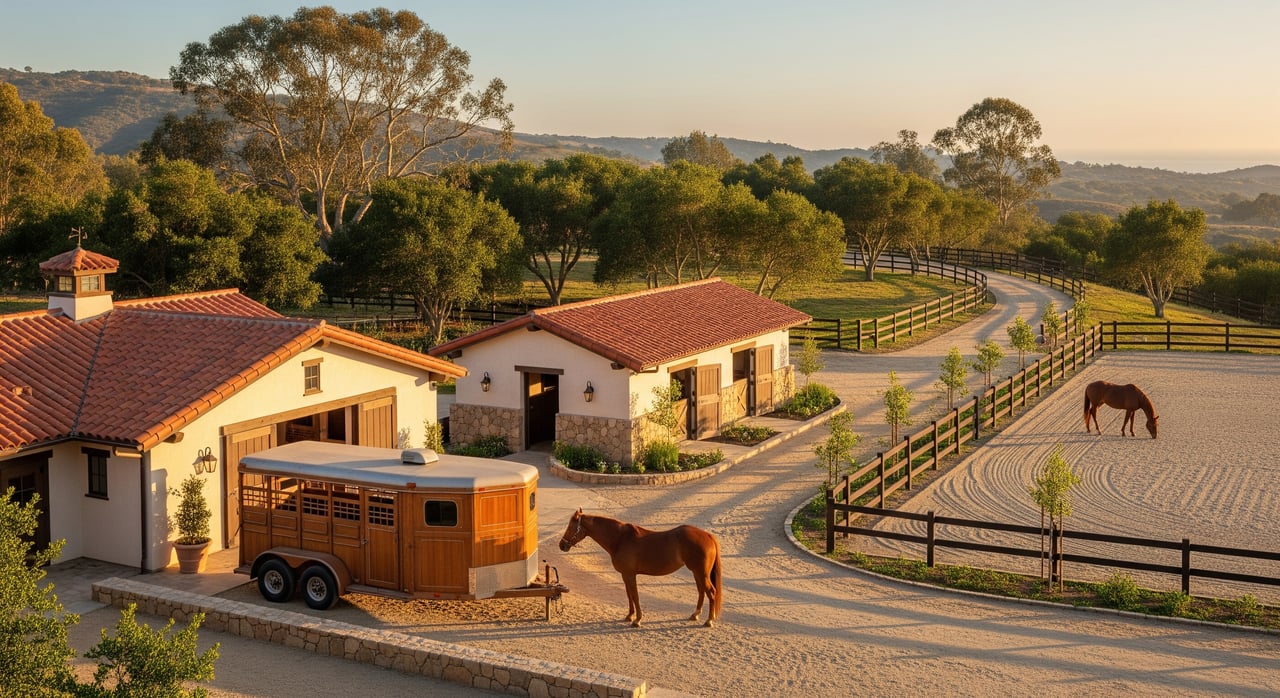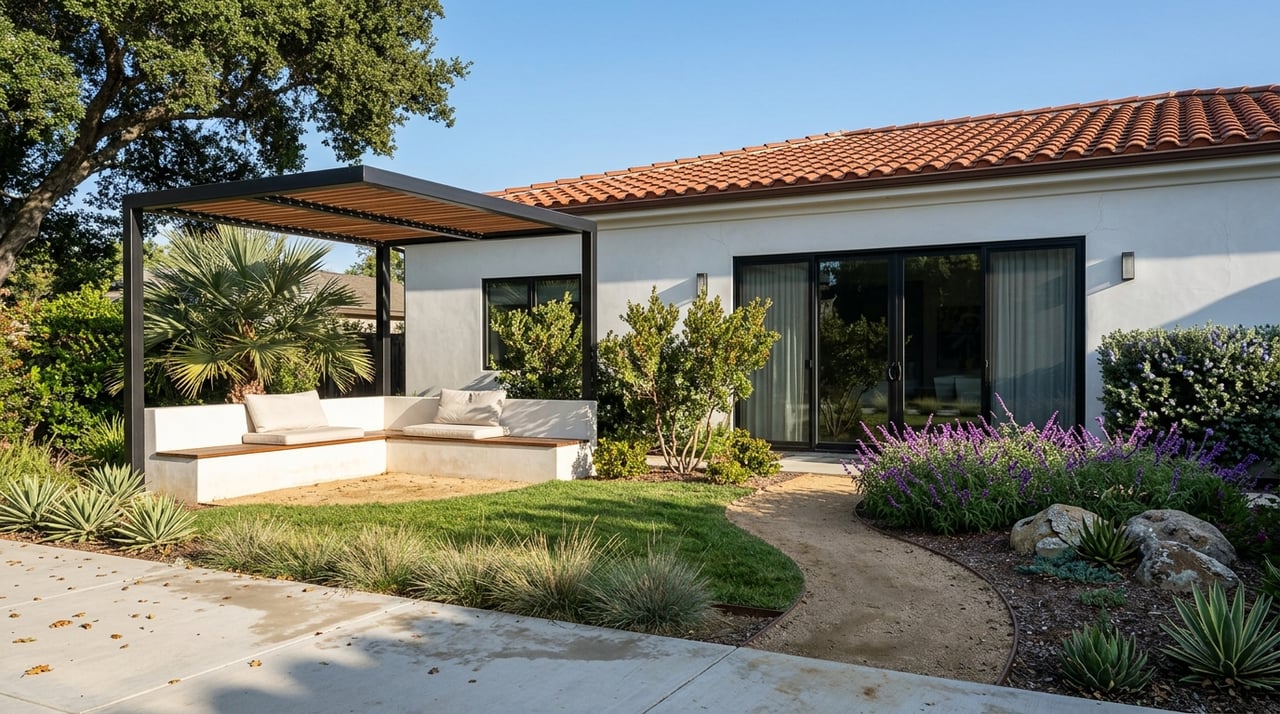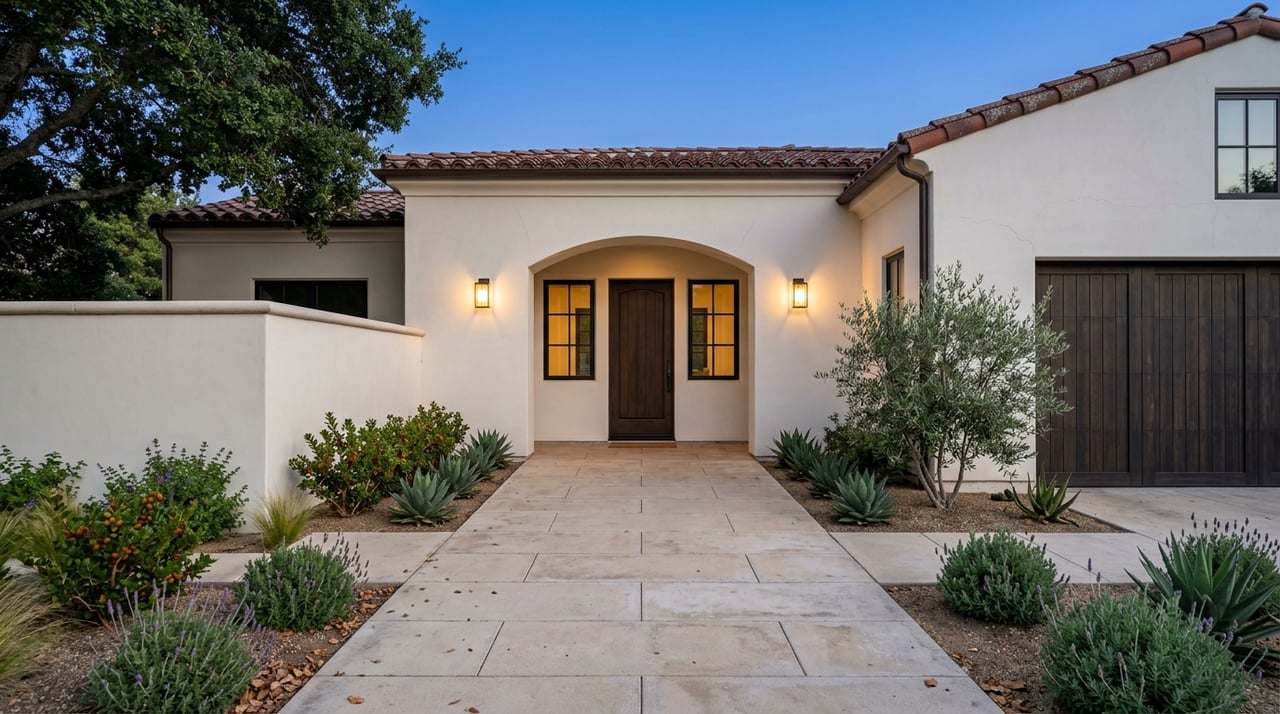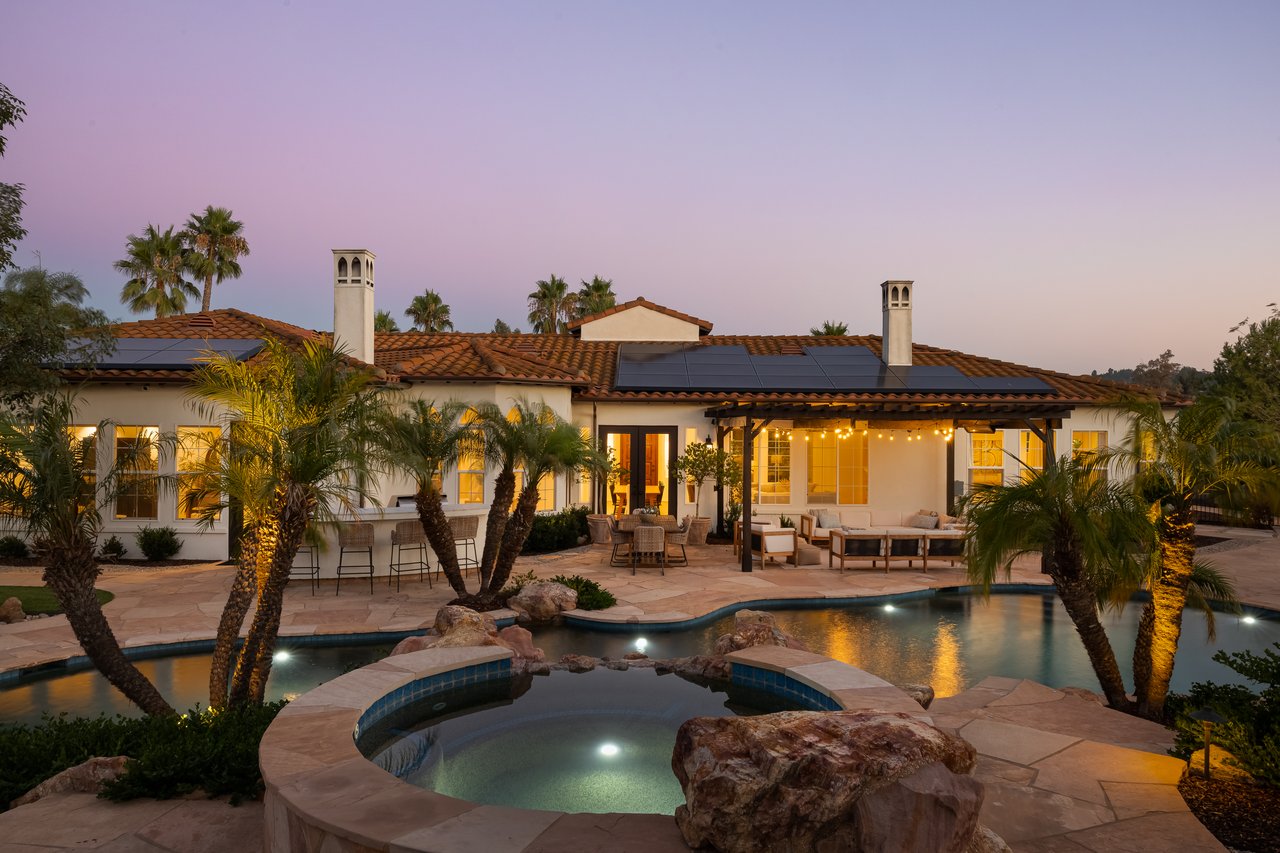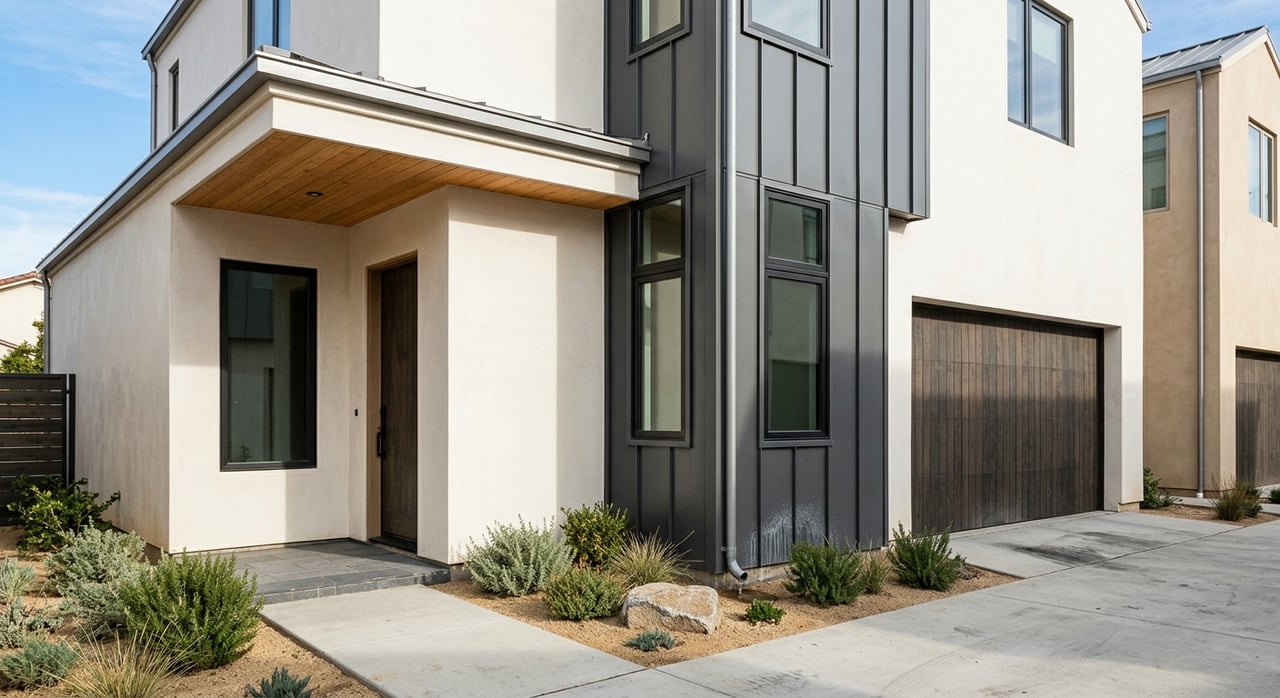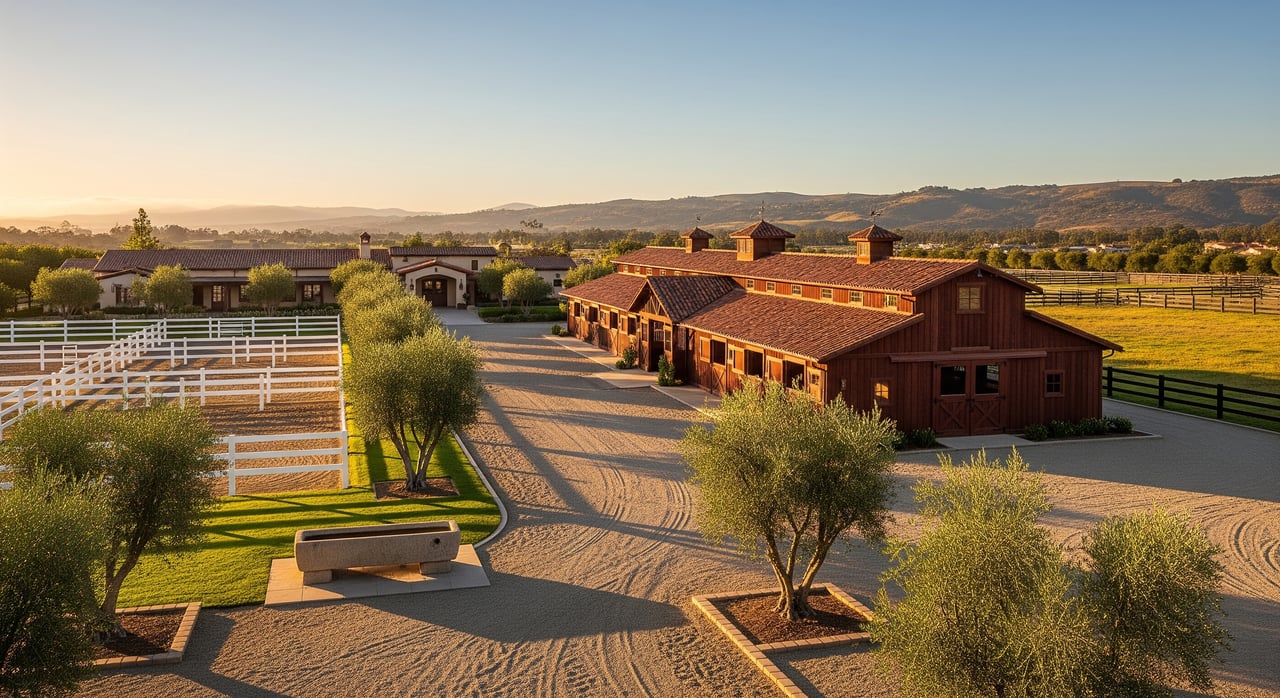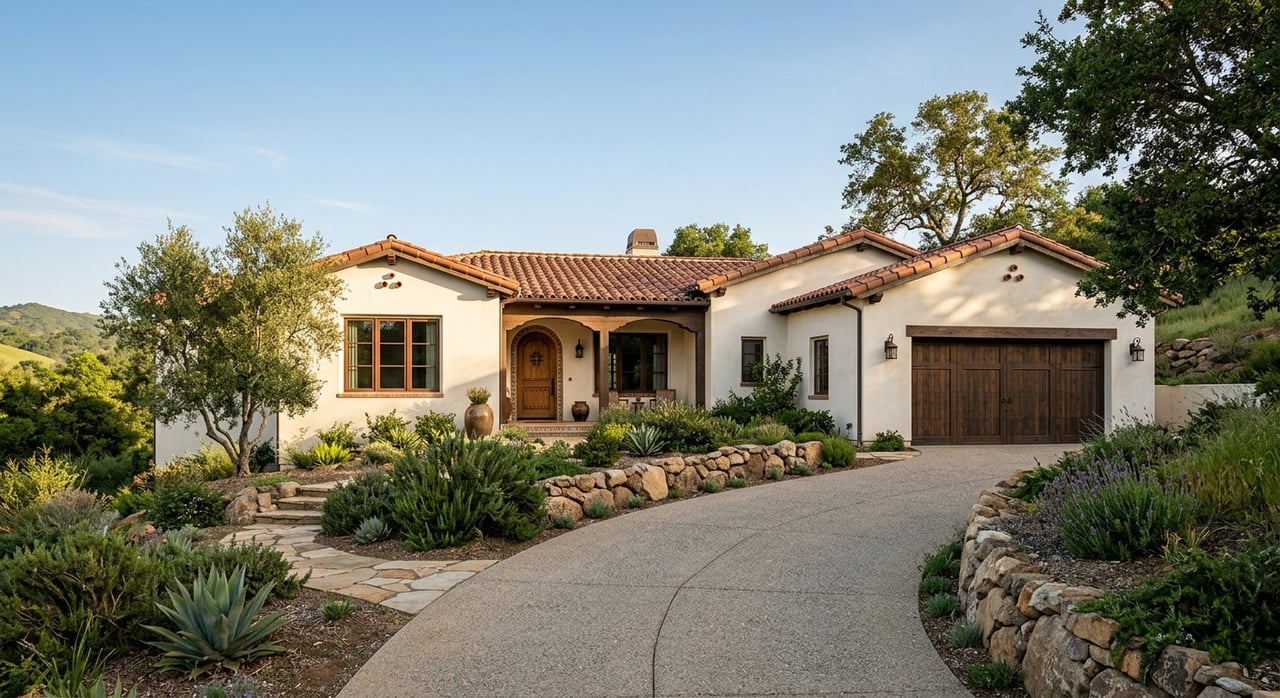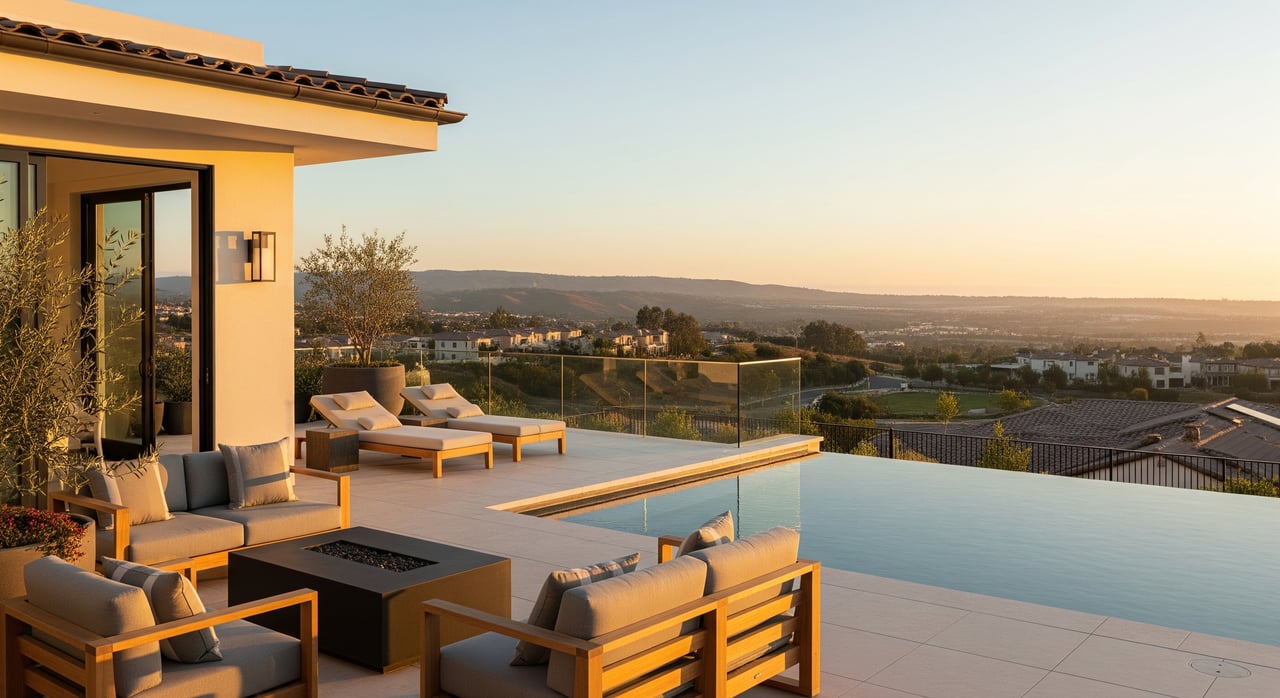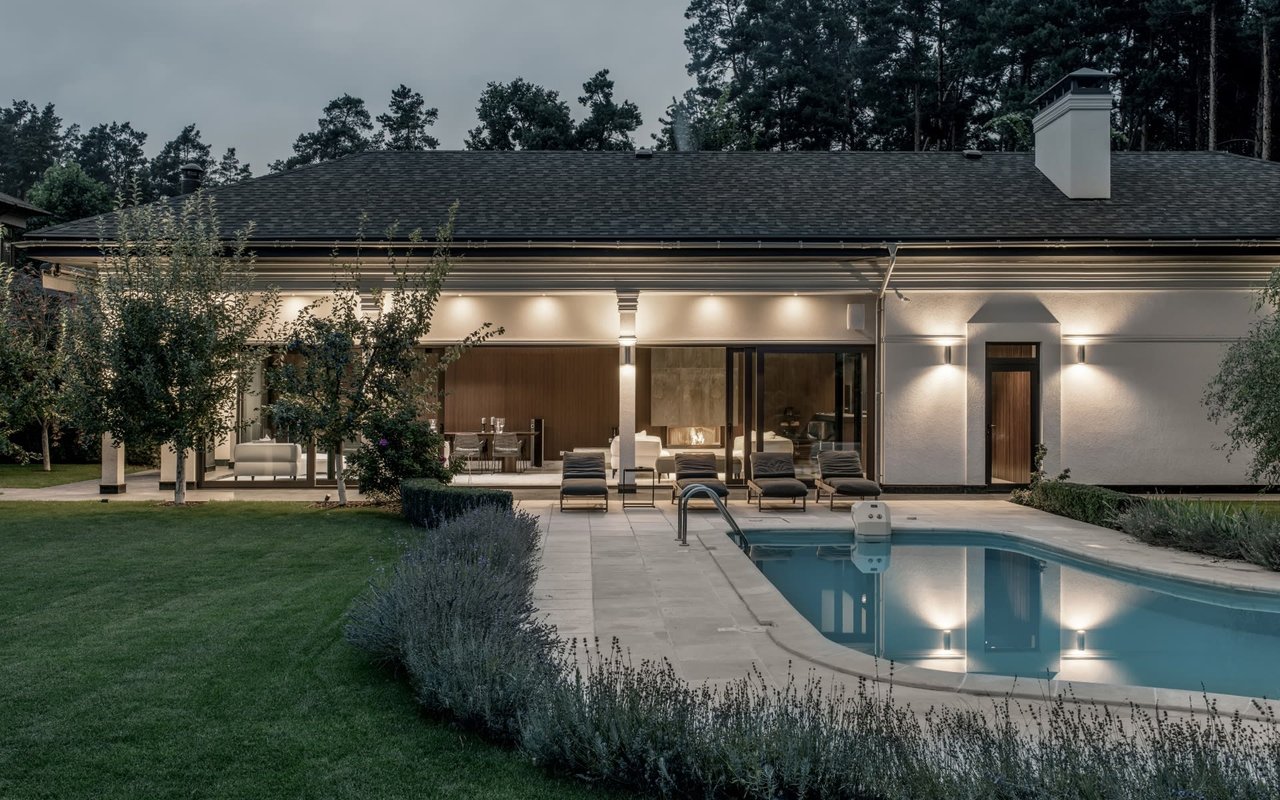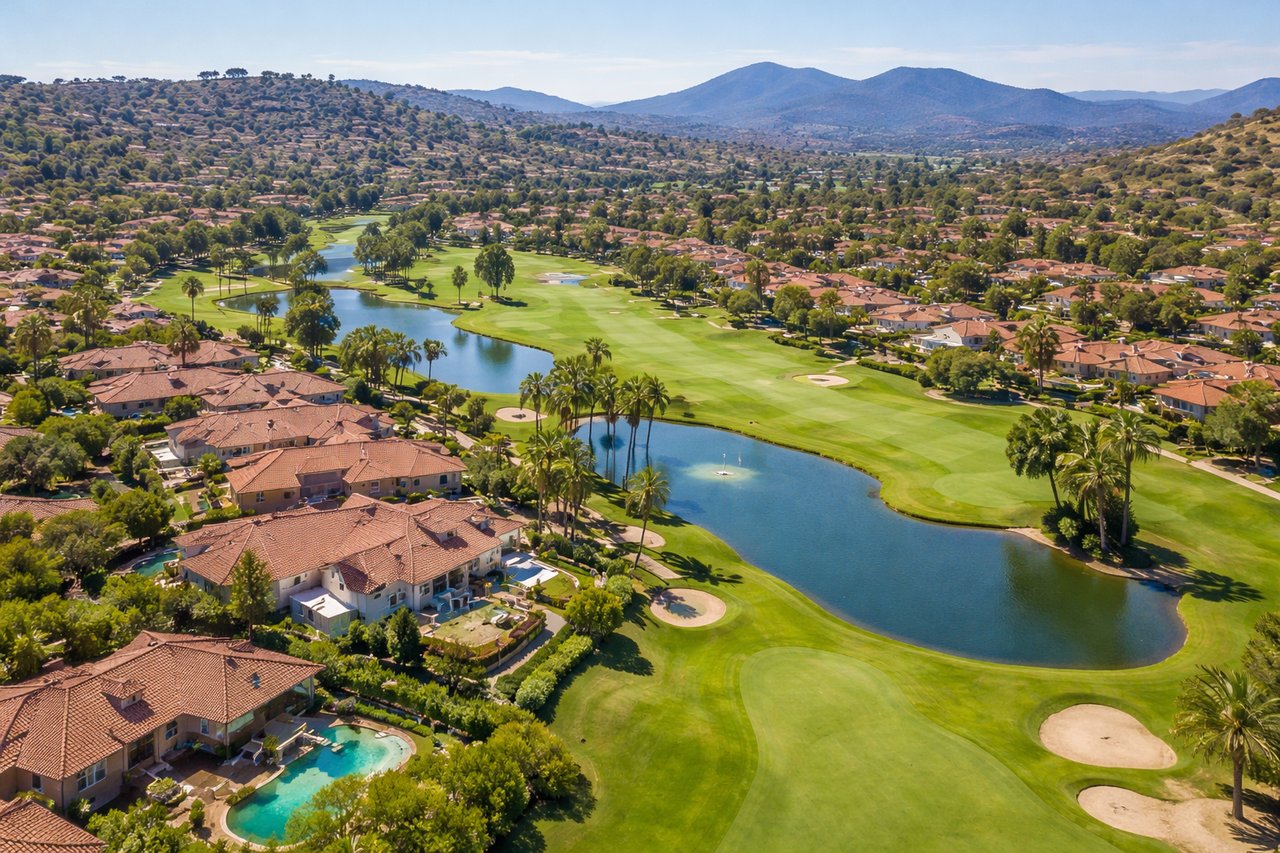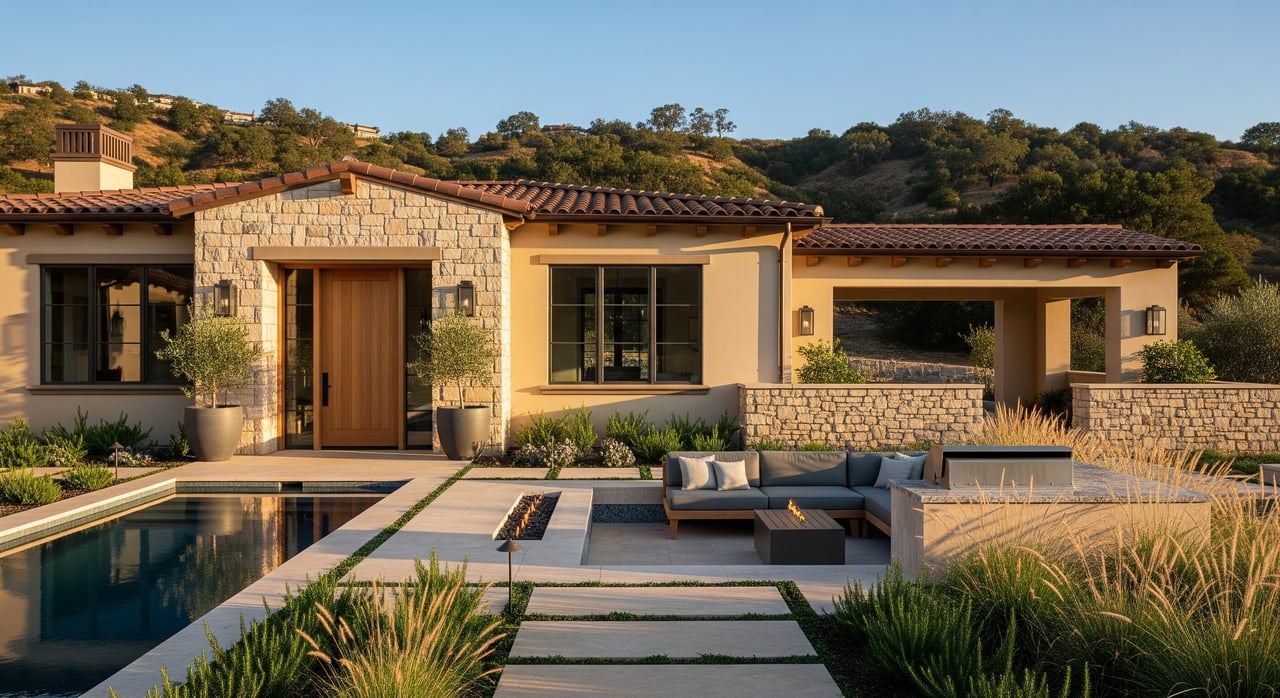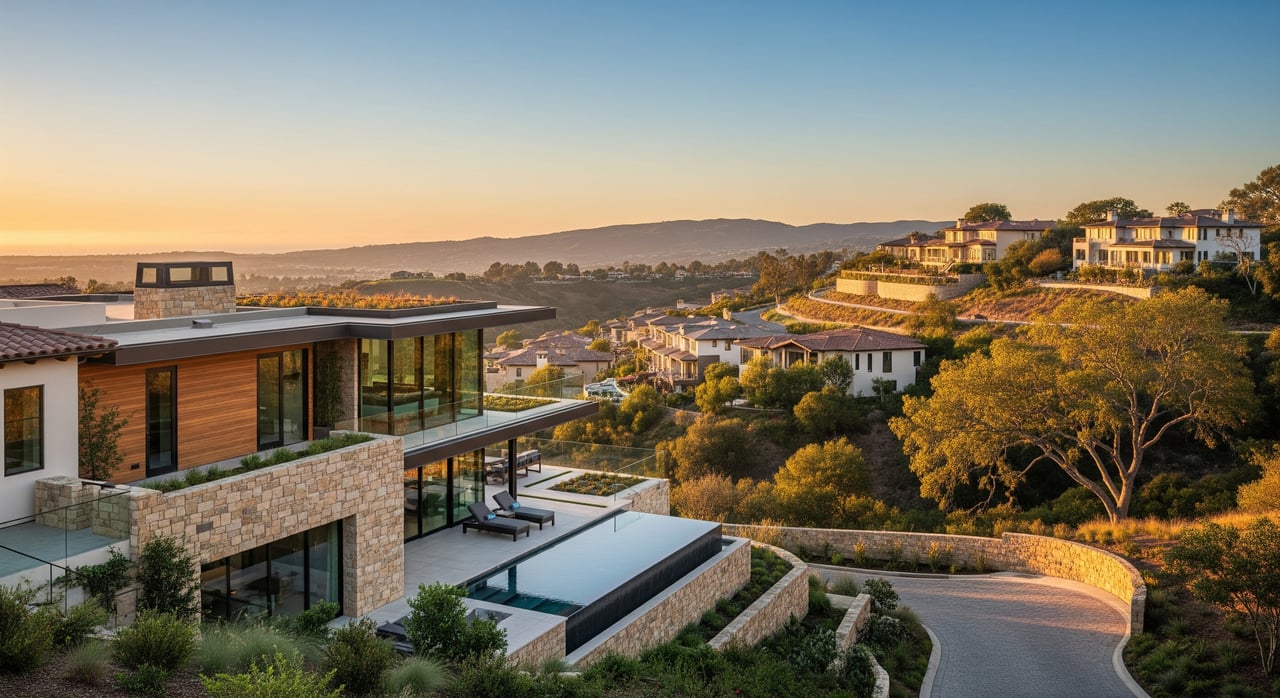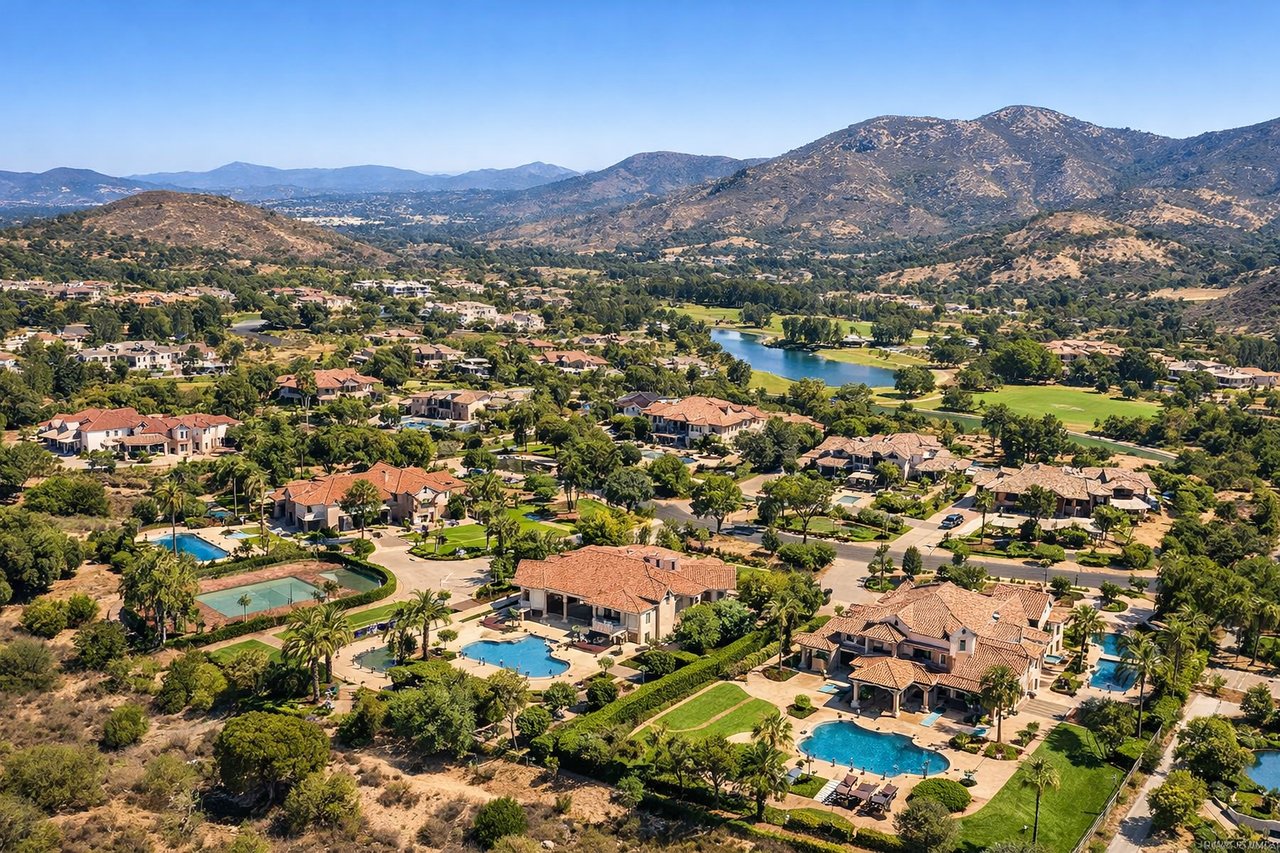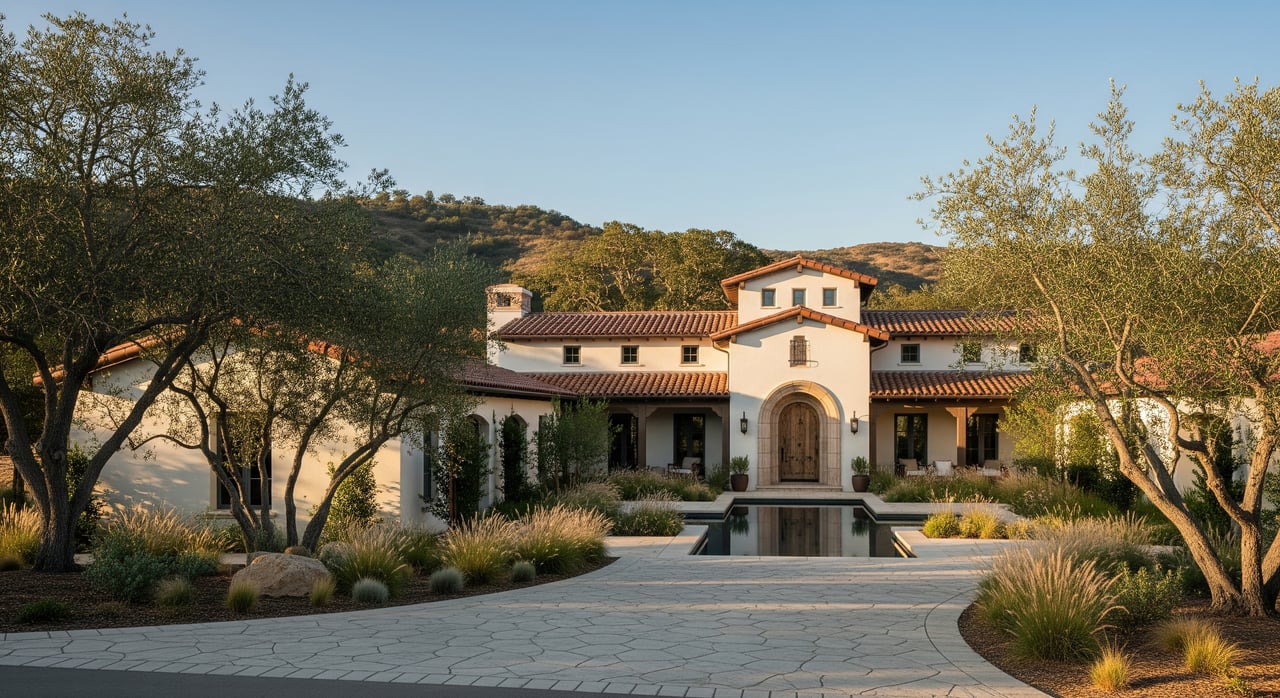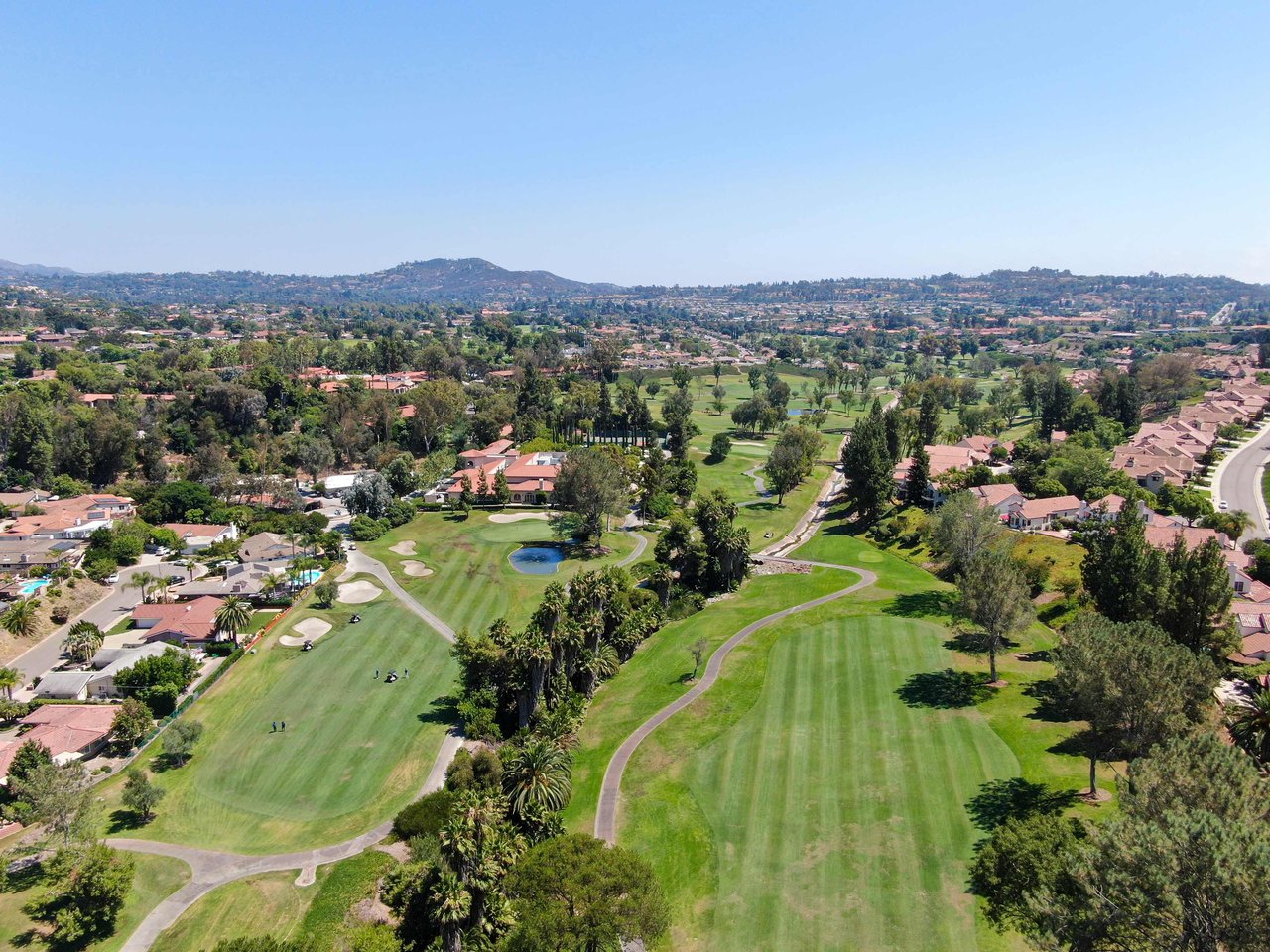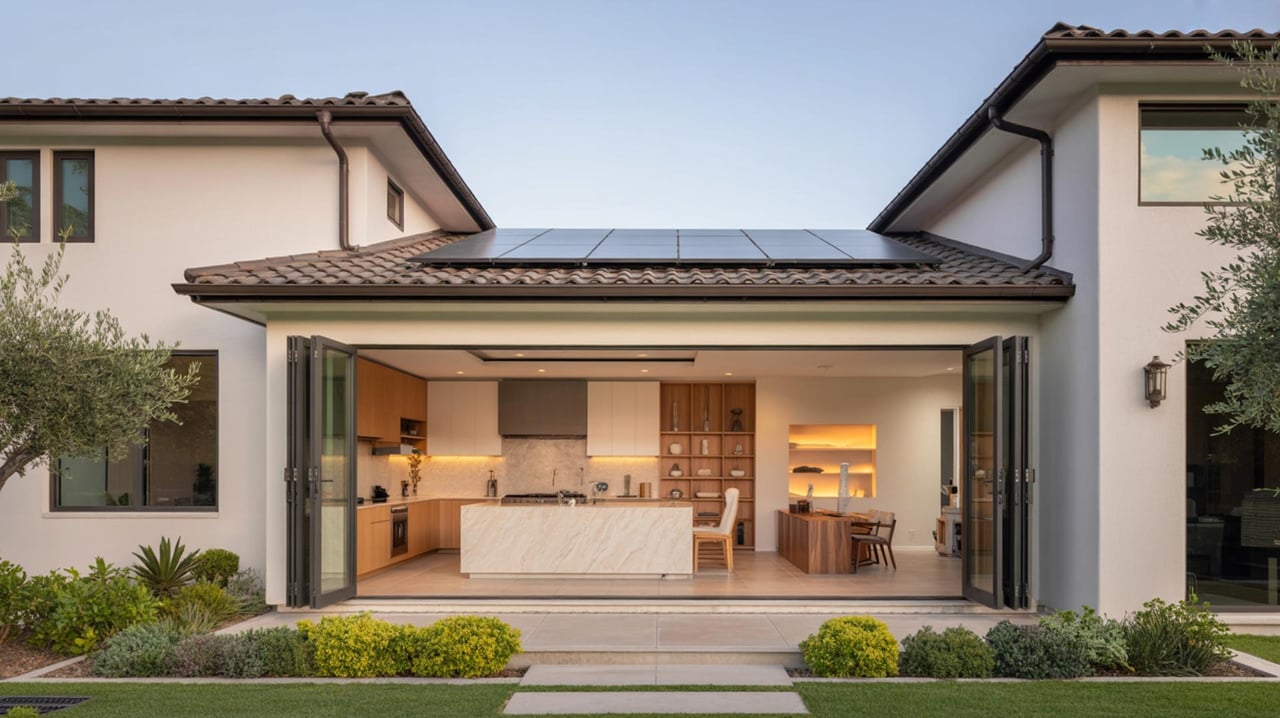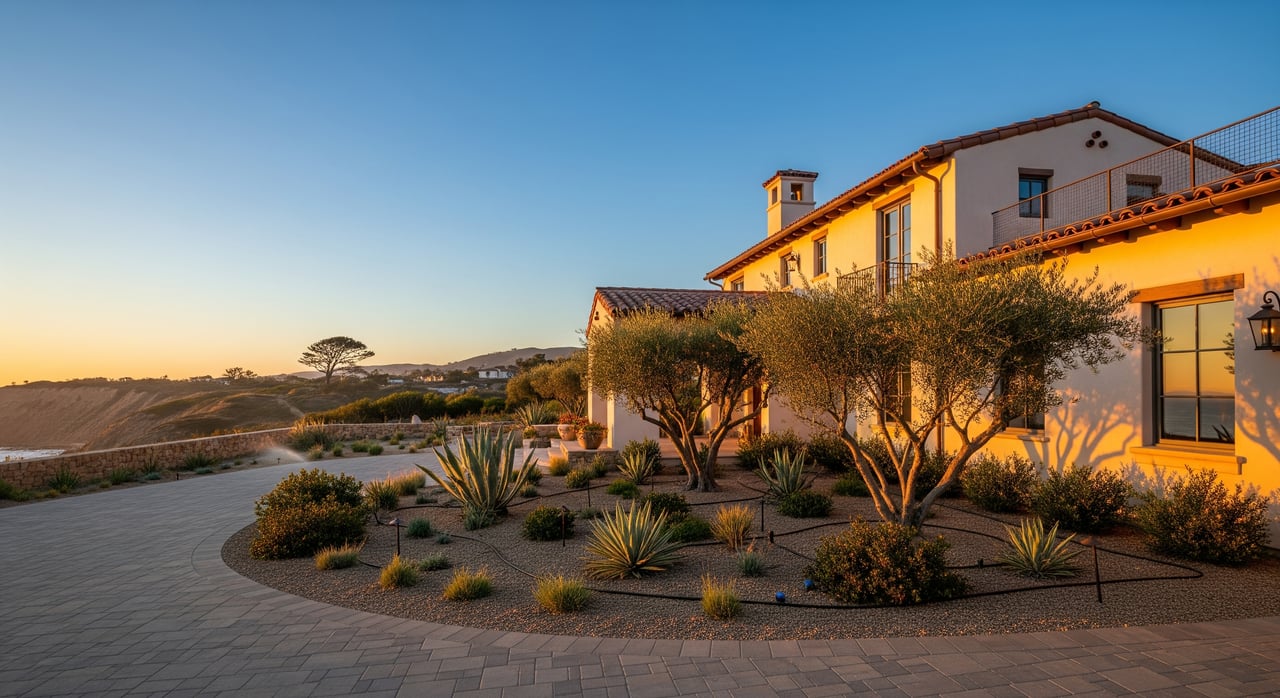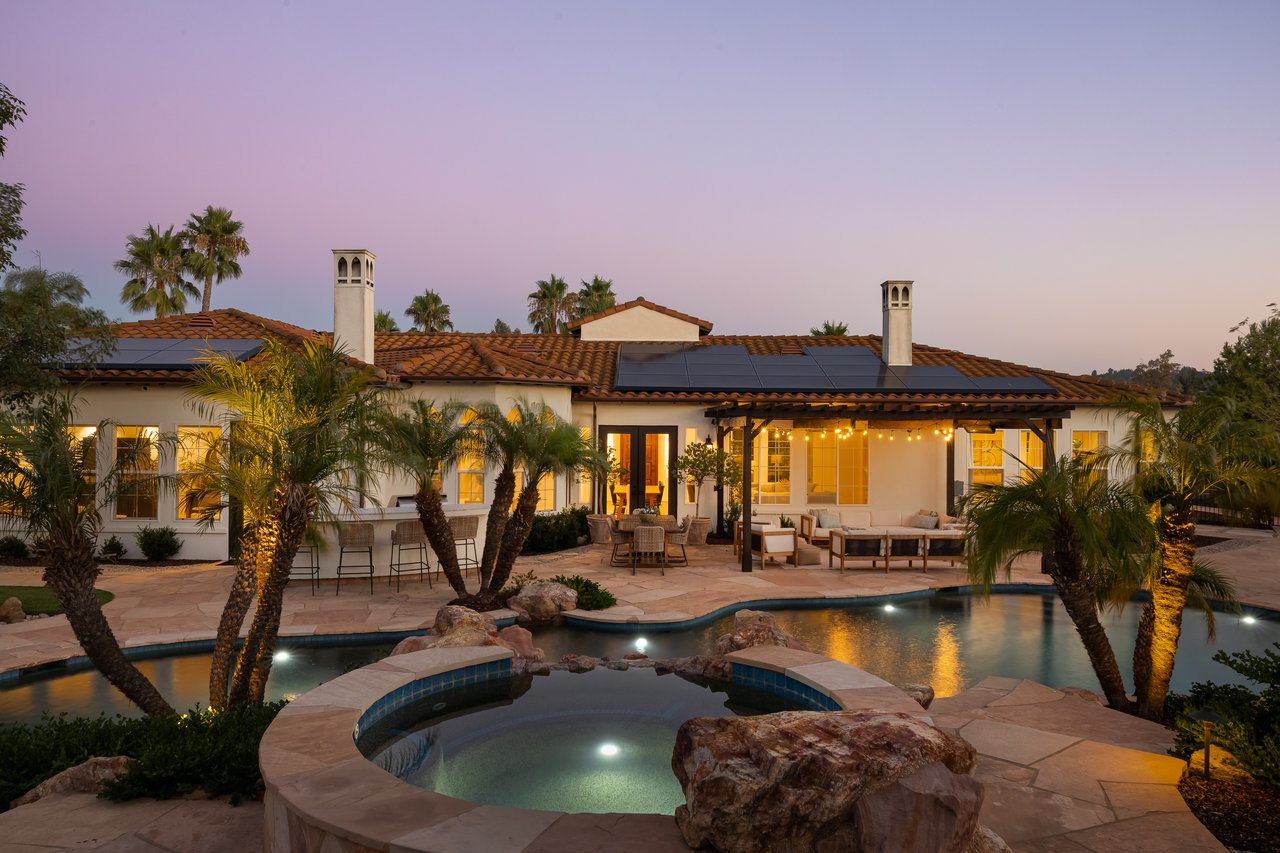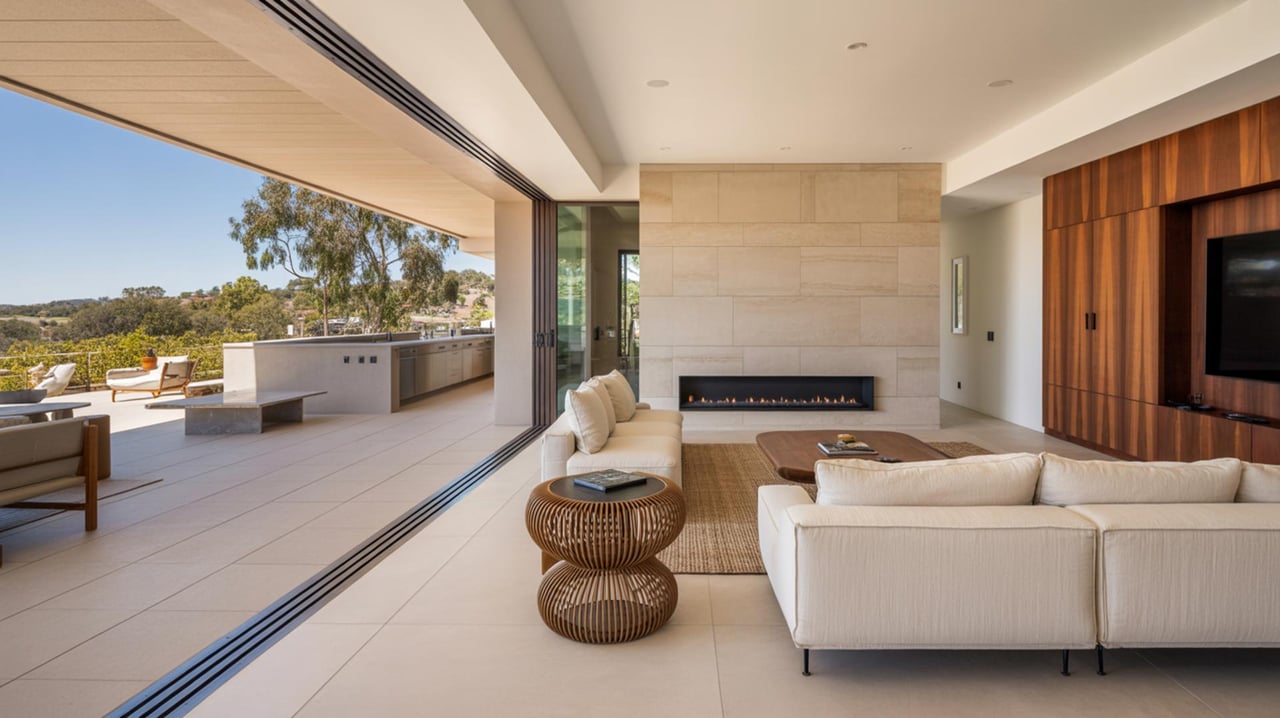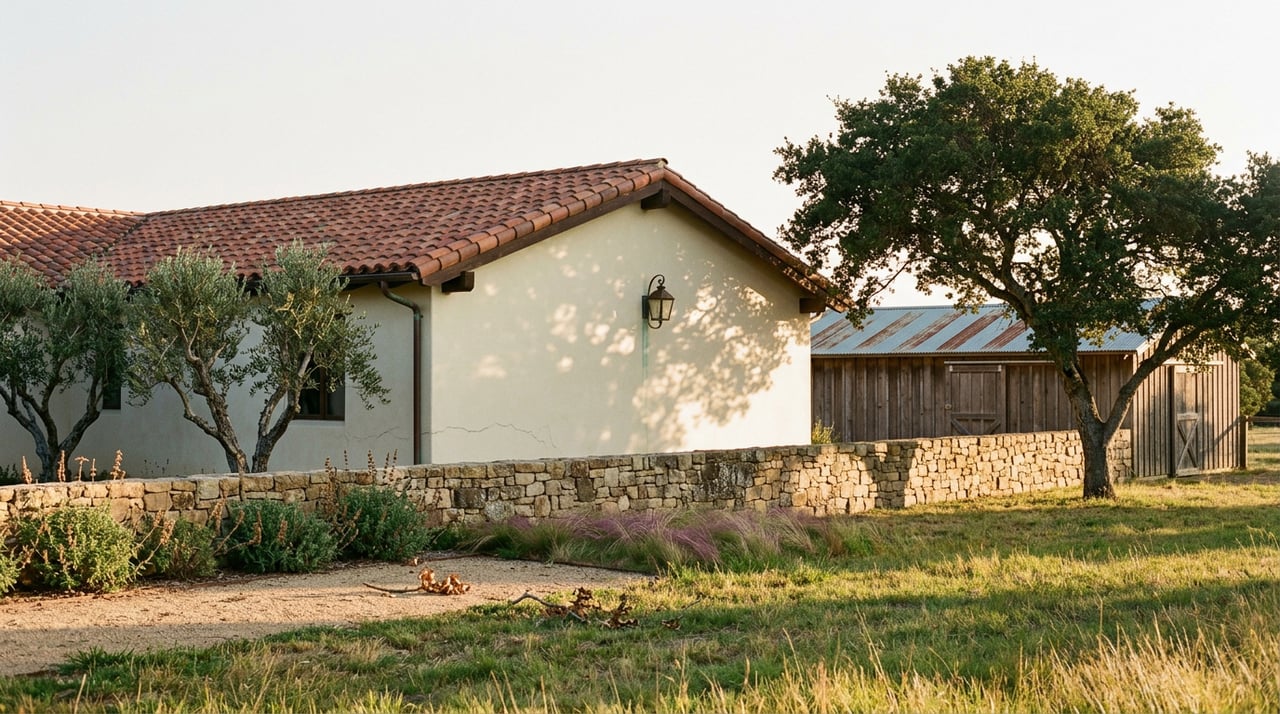
Drive west on Poway Road on a Saturday morning and you pass stucco tract homes built in the 1980s and 90s, driveways lined up like a ruler drew them, HOA landscaping trimmed to the inch. Turn north instead, up Espola Road toward Old Coach or into the folds above Twin Peaks, and the lots stretch out, the fences go split-rail, and a barn or a round pen sits where a tract home would have a side yard. Both areas carry the Poway address. Both show up in an MLS search for "horse property." The similarity ends at the listing photo.
Most guides to buying an equestrian property in San Diego County tell you to check the zoning and get an inspection. That advice is correct and also nearly useless, because in Poway the number that actually controls what you can do with the land isn't the zoning letter on the parcel map. It's a square-footage calculation buried in the municipal code, and it changes the deal in ways a standard inspection was never built to catch.
The Zoning Map Isn't the Rule. The Tape Measure Is.
Ask a buyer what makes a Poway lot a horse property and most will say the zoning designation, something like RR-A or RS-1. That's part of the picture, but the number of animals a parcel can legally support comes from Poway's Keeping of Large Animals ordinance, and it runs on parcel square footage, not zoning category, once you're above a 10,000 square foot minimum.
Here's the schedule that applies across zones once a lot clears that threshold:
Parcel Size | Maximum Animals Without a CUP |
10,001 to 15,000 sq ft | 2 |
15,001 to 17,000 sq ft | 3 |
17,001 to 20,000 sq ft | 4 |
20,001 to 25,000 sq ft | 5 |
25,001 to 30,000 sq ft | 6 |
Over 1 acre | 6 per acre, up to a maximum of 9 |
Poway's RR-A and RR-B zones, the ones that already require at least an acre per lot before you can build, run on their own version of this same schedule rather than the general table above. That distinction matters because two lots that both read "horse property, one acre plus" on a listing sheet can carry different permitted animal counts depending on which zone actually governs the parcel, and the only way to know is to pull the zoning designation and run it against the ordinance, not assume the label on the sign is the whole answer.
The city's own Keeping of Large Animals document is short enough to read in five minutes and specific enough to settle the question before you write an offer, not after.
There's a second layer worth knowing before you fall for a hillside estate with subdivision potential in the back of your mind. Poway's RR-A, RR-B, and RR-C zones carry a provision that no property in those zones can be rezoned or have its minimum lot size changed without approval from Poway's voters at a general or special election, not just a city council vote. That protection was added by ordinance and approved by voters in November 1988, and it hasn't been touched since. If you're buying acreage in these zones expecting future flexibility to split the lot, understand that flexibility is locked behind a citywide ballot measure, not a planning department form.
What the Standard Inspection Stops Short Of
Buyers moving from a tract home to acreage often assume a home inspection is a home inspection. In Poway's hillside neighborhoods, that assumption is where deals start losing money after close of escrow.
Green Valley illustrates the range inside a single name. The area splits into three distinct pockets built between 1961 and the 1990s: Green Valley Estates, among the earliest residential development in Poway, the newer Summit section, and Bridlewood, which carries the larger lots and the equestrian character that gives the whole area its reputation. Three sections, one name on the map, three different inspection profiles.
Further out, Espola Road averages a 1968 build year and Old Coach holds custom estates from the 1980s, both areas defined by large parcels, often one to five acres, with well and septic systems doing the work that city water and sewer handle everywhere else in Poway. Silver Saddle Ranch and the parcels near Lake Poway and the Poway Equestrian Trail System follow the same pattern.
A standard home inspection on these properties covers what's visible: the well head, the pressure tank, the septic tank lid and the parts of the system you can see without digging. It does not test water quality, measure well flow rate, or inspect the inside of the septic tank and leach field. Those require a specialist, and buyers who skip that step sometimes discover a contaminated well or a failing leach field only after they've moved in and the seller is long gone.
Barns and equestrian outbuildings add another wrinkle. Electrical in these structures is often added years or decades after the original home was built, and not always with a permit pulled. A standard inspector will walk every structure included in the sale, but permit history is a separate check, and it's the kind of gap that surfaces during a title search or an appraisal, not during the walkthrough.
The practical takeaway: if your offer on a hillside or acreage property in Poway includes only the standard contingency period and a general home inspector, you're covering the parts of the property that behave like a normal house and leaving the parts that make it a horse property unexamined.
The Median Price Is an Average of Two Different Markets
Poway's countywide numbers tell a story that sounds calm. As of the three months ending in May 2026, homes here have sold for a median price around $1.3 million, moving in about 17 days with an average of two offers, and sales volume was actually up year over year, with 130 homes sold in May 2026 compared to 95 the year before. Read on its own, that's a tight, competitive suburban market.
It's also a blend of two markets that don't behave alike. Standard single-family homes along the Poway Road corridor and in the established subdivisions typically list somewhere in the $725,000 to $1.7 million range. The acreage and equestrian estates north of Twin Peaks Road, the same hills where Espola Road and Old Coach sit, run from roughly $2 million to $9 million. A median price sitting at $1.3 million isn't representative of either cluster. It's the arithmetic midpoint of two populations that rarely compete for the same buyer, sit on different systems, and require different due diligence before closing.
That's the piece a countywide median can't show you: the same city, the same MLS area, and two entirely different transactions depending on which side of Twin Peaks Road the parcel sits.
Before You Write the Offer
None of this is a reason to avoid Poway's hillside properties. It's a reason to treat the paperwork with more scrutiny than the listing photos suggest you need. A horse property label tells you the lot is large enough to qualify for something under the ordinance. It doesn't tell you how many animals that specific parcel supports, whether the barn wiring was ever permitted, or whether the well can handle the household plus the animals during a dry summer.
If you're weighing a move from a Rancho Bernardo or Rancho Peñasquitos tract home into Poway's hills, or comparing a corridor property against an estate above Twin Peaks, the numbers on the listing sheet won't settle it for you. A conversation with someone who has run these comparisons before will. Peter Heines works this exact stretch of North County, and a consultation is the fastest way to find out what a specific parcel actually allows before you're deep into a contingency period. Book a Consultation to walk through it.
FAQ
Does every lot over an acre in Poway automatically qualify as a horse property? No. The ordinance sets a 10,000 square foot minimum before any large animal keeping is permitted at all, and the maximum animal count still scales with the parcel's exact square footage, not just whether it clears the one-acre mark.
What is a Conditional Use Permit and when would I need one for horses? It's a discretionary permit issued by the city that allows an owner to exceed the maximum animal count set in the standard schedule. Anyone planning to keep more animals than their parcel size allows by right needs one before adding animals, not after.
Can a large lot in Poway's RR-A zone be subdivided in the future? Only if Poway's voters approve a change to the minimum lot size or zoning in a citywide election. City council approval alone isn't enough under the provision added in 1988, so buyers should not count on future subdivision as part of a property's value case.