Pull up Poway's housing market on three different sites this week and you will get three different numbers that all claim to be true. Redfin's three-month window ending in August 2026 puts the median sale price at $1.2 million, down 2.6% from the same stretch last year. Zillow's July 2026 estimate lands almost exactly there too, at $1,225,939. Then check Altos Research's weekly snapshot from September 1, 2026, and the median list price jumps to $1.85 million, more than half a million dollars above what homes are actually closing for.
That gap is not a rounding error or a quirk of methodology. It is close to the whole story of what buying in Poway means right now, because Poway is running two opposite land-use policies inside the same city limits, and a single median price cannot describe both of them at once.
The Corridor the City Is Actively Trying to Grow
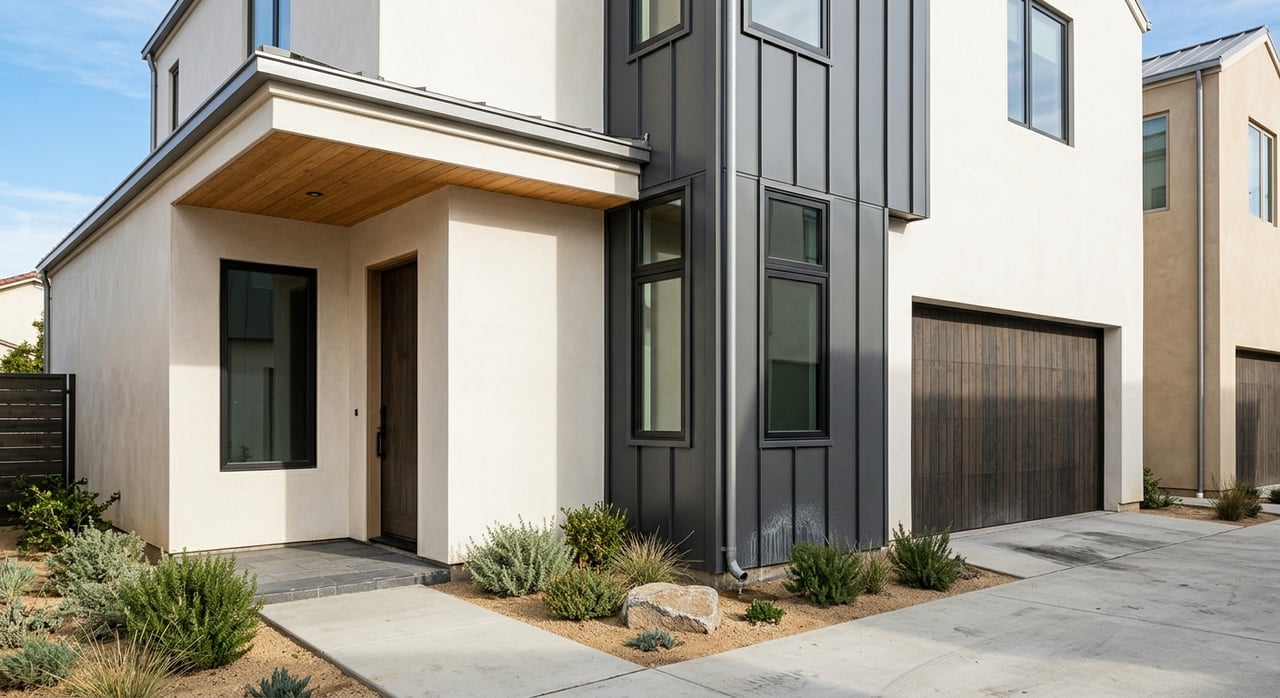
Poway Road has a specific plan governing it, first adopted in 1996 and currently under amendment by the city. The City of Poway says the plan covers roughly two and a half miles of Poway Road between Oak Knoll Road and Garden Road, and its purpose has never been subtle. City planners have described the corridor's older strip centers as a source of sales-tax leakage to other North County cities, and the fix has been to zone for density on purpose, mixed-use buildings, ground-floor retail, and multifamily housing that the corridor never had before. The city's own buildout projections call for roughly 1,148 net new dwelling units and 260,000 square feet of new commercial space across the plan area.
One of those projects is visible right now. Poway Paseo, at 13247 Poway Road, has been under construction after a long delay, originally proposed back in 2018 under the name "The Outpost" before ownership changed hands and the Kassab family took the project over with contractor T.B. Penick & Sons. As of a March 2026 update, the plan calls for 72 residential units, a mix of one and two bedrooms plus live-work and loft configurations, alongside 20,000 square feet of retail space. It sits inside the specific plan boundary, which means it moved through a review process built to approve exactly this kind of project.
Mayor Steve Vaus, describing the years-long push behind the corridor's redevelopment, put the intent plainly:
"We started years back with a desire to reimagine and revitalize Poway Road."
That intent shows up in how projects get approved along the corridor now. A recent review of the city's development pipeline found that Poway's council has consistently approved projects meeting the specific plan's objective standards, even over community objection, and rated the probability of approval as very high for anything fulfilling the corridor's mixed-use vision.
The Neighborhoods Zoned to Never Feel That Growth
None of that applies three miles away in Poway's legacy hillside neighborhoods, because those neighborhoods sit outside the specific plan boundary entirely, and their zoning was built to keep them that way.
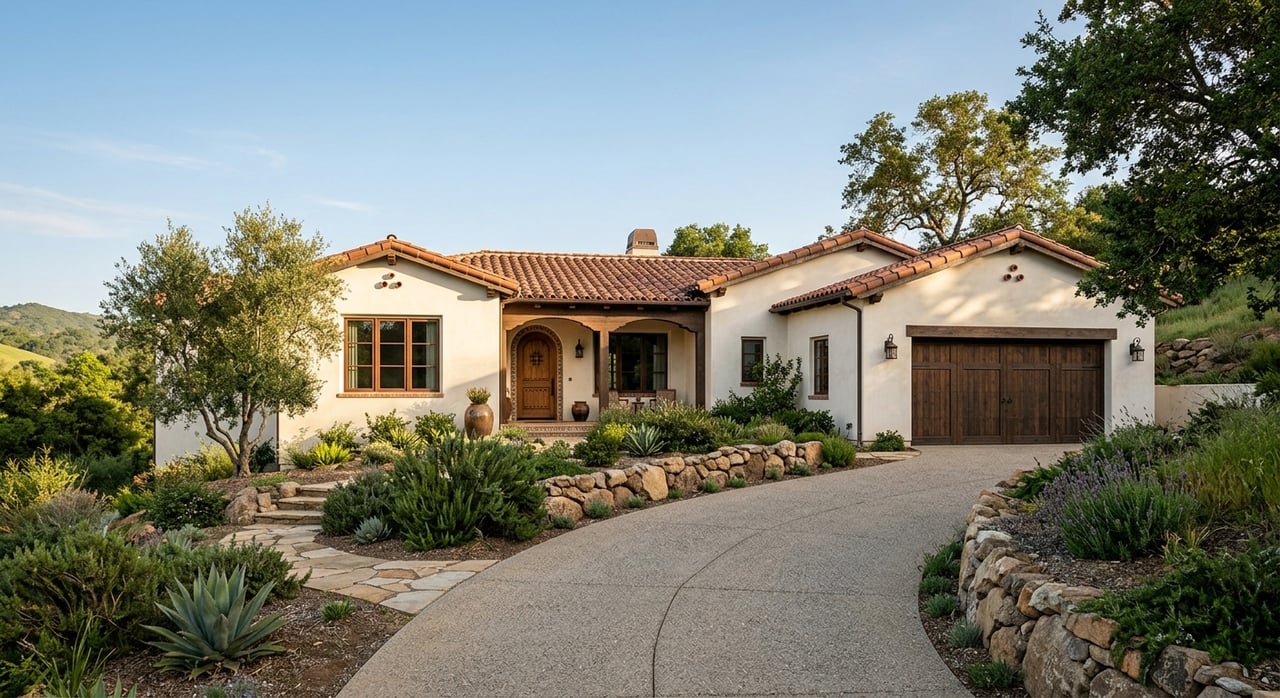
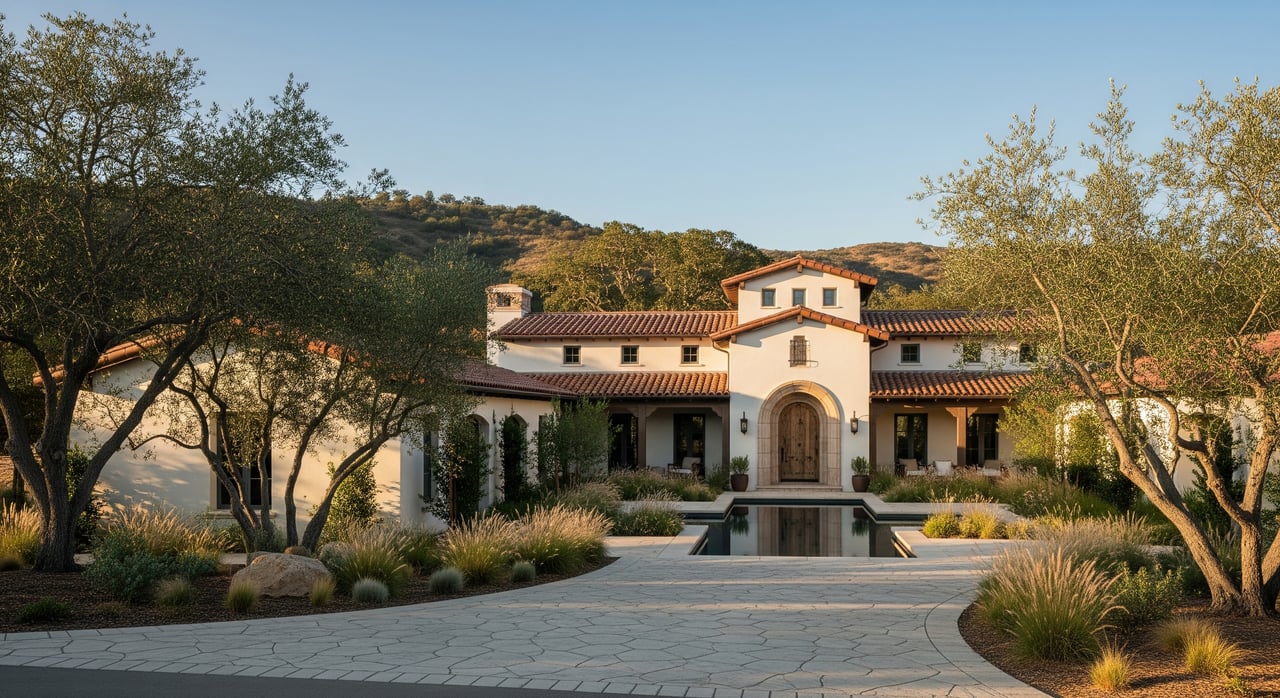
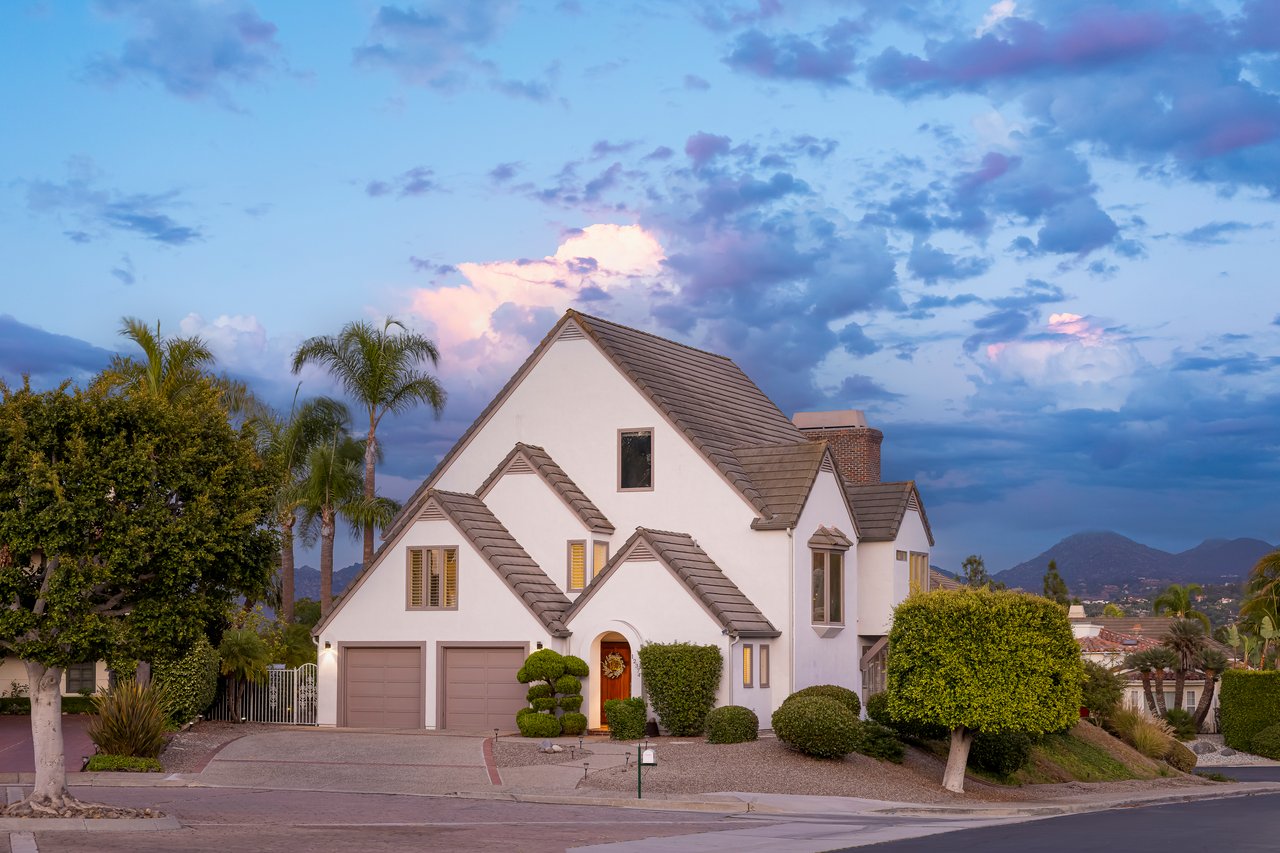
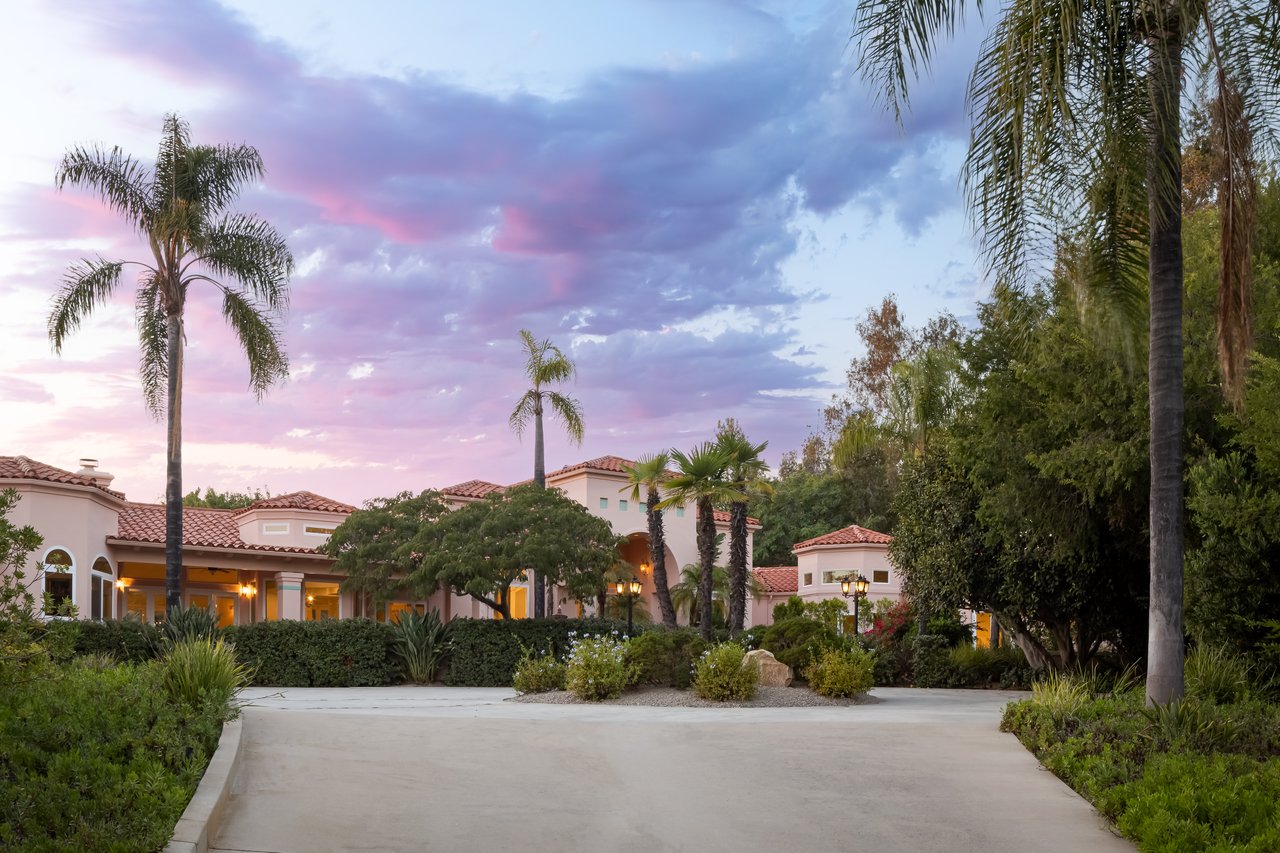
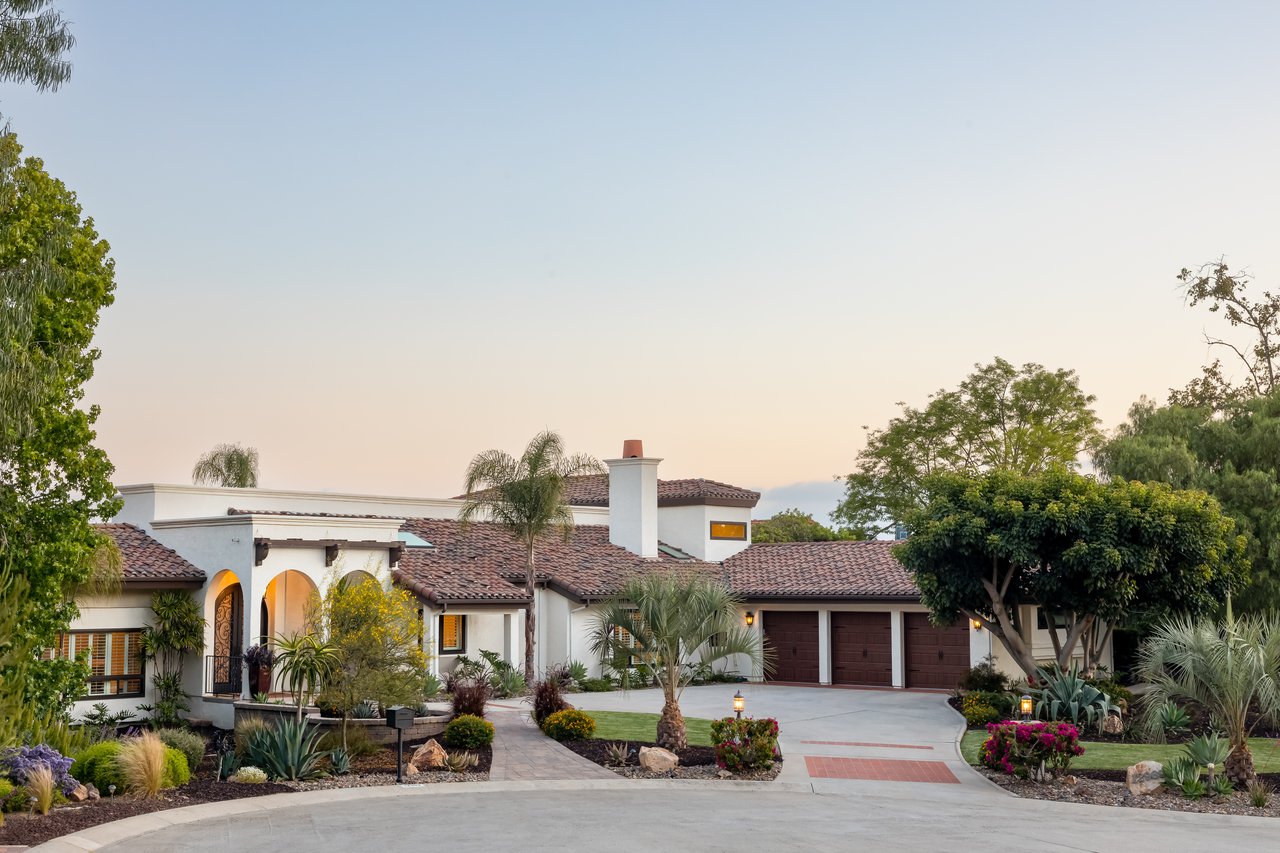
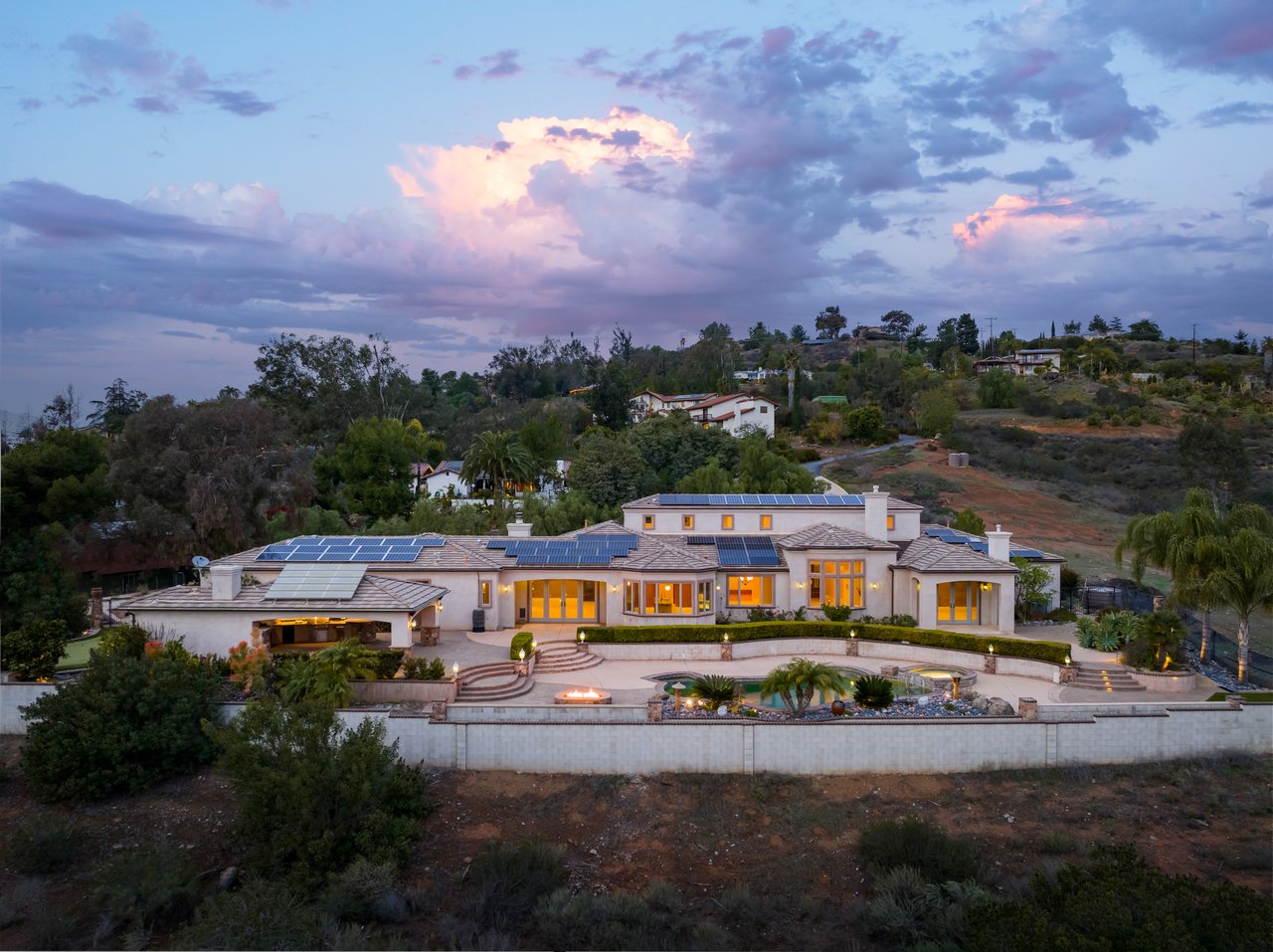
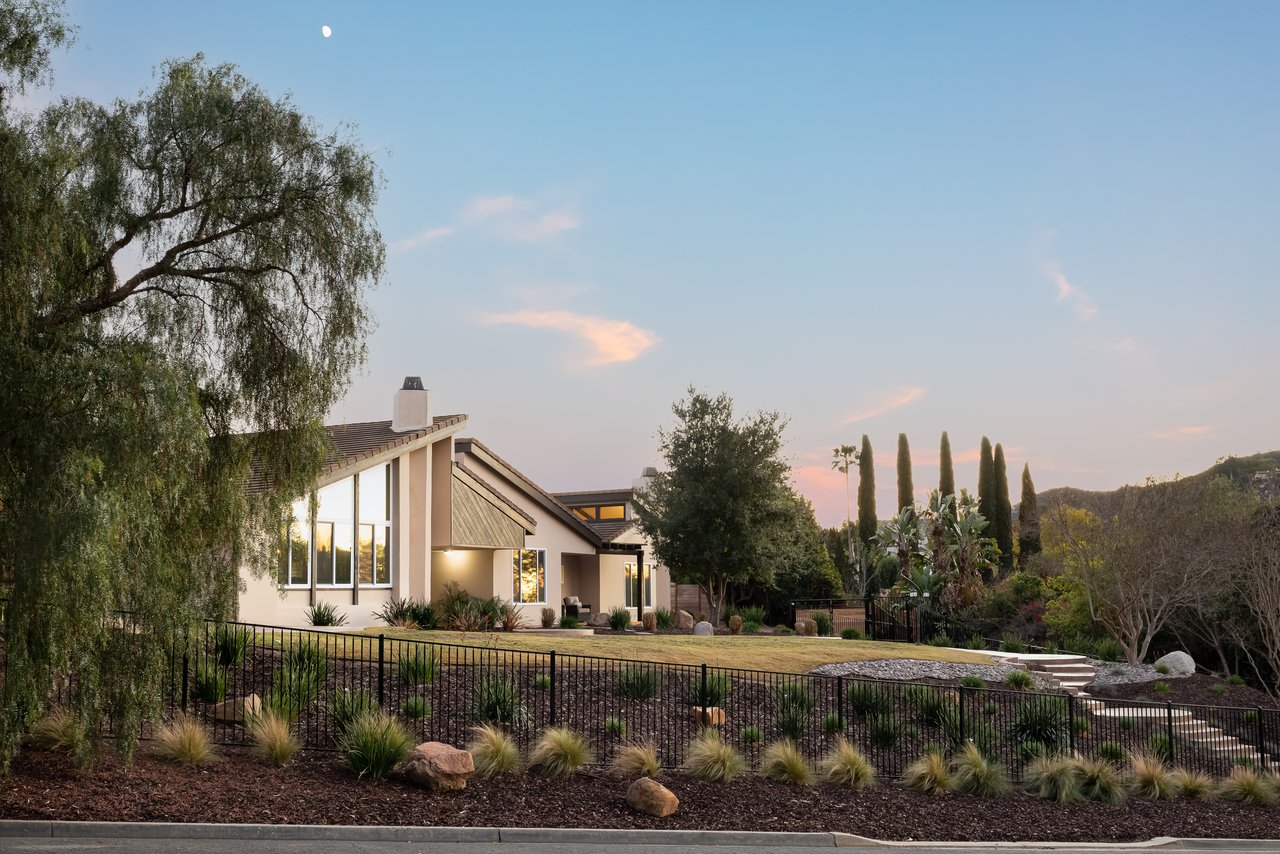
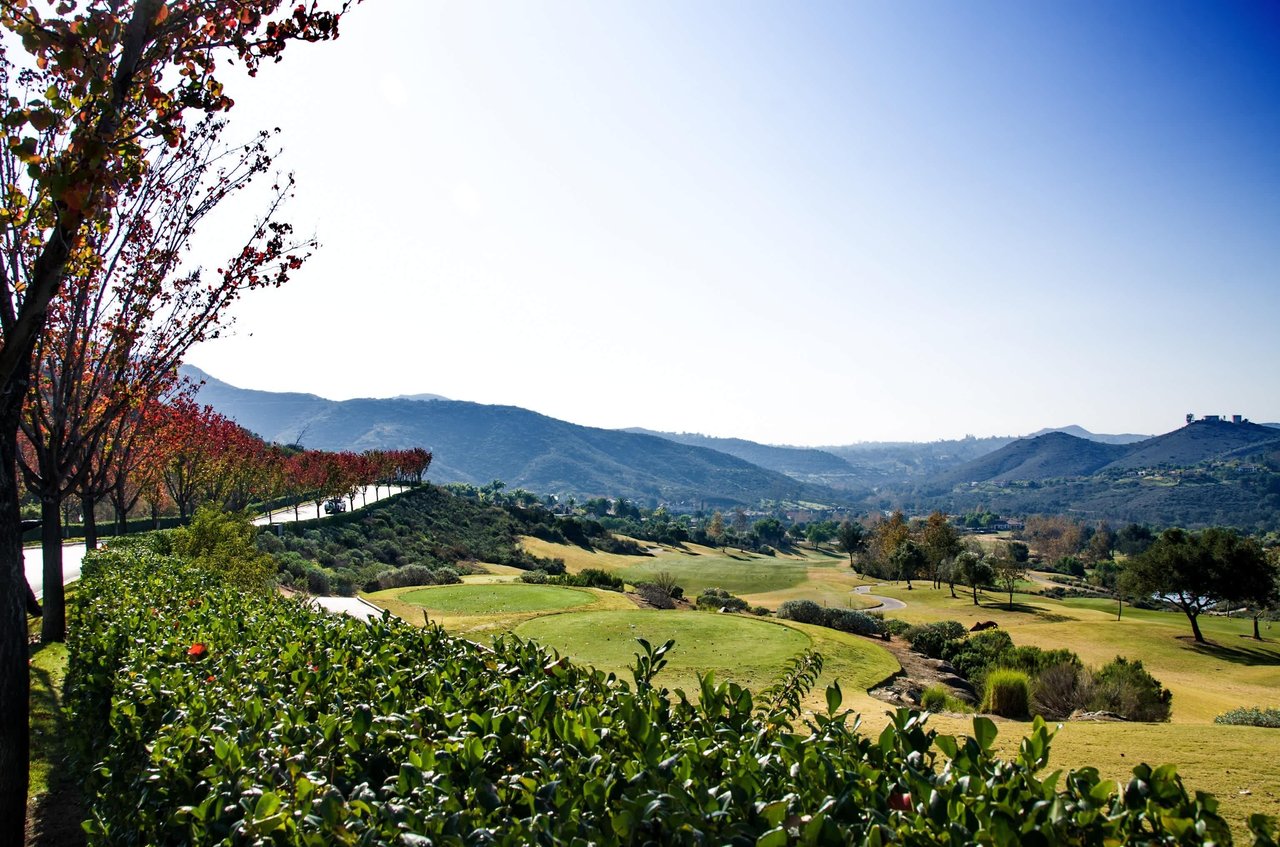
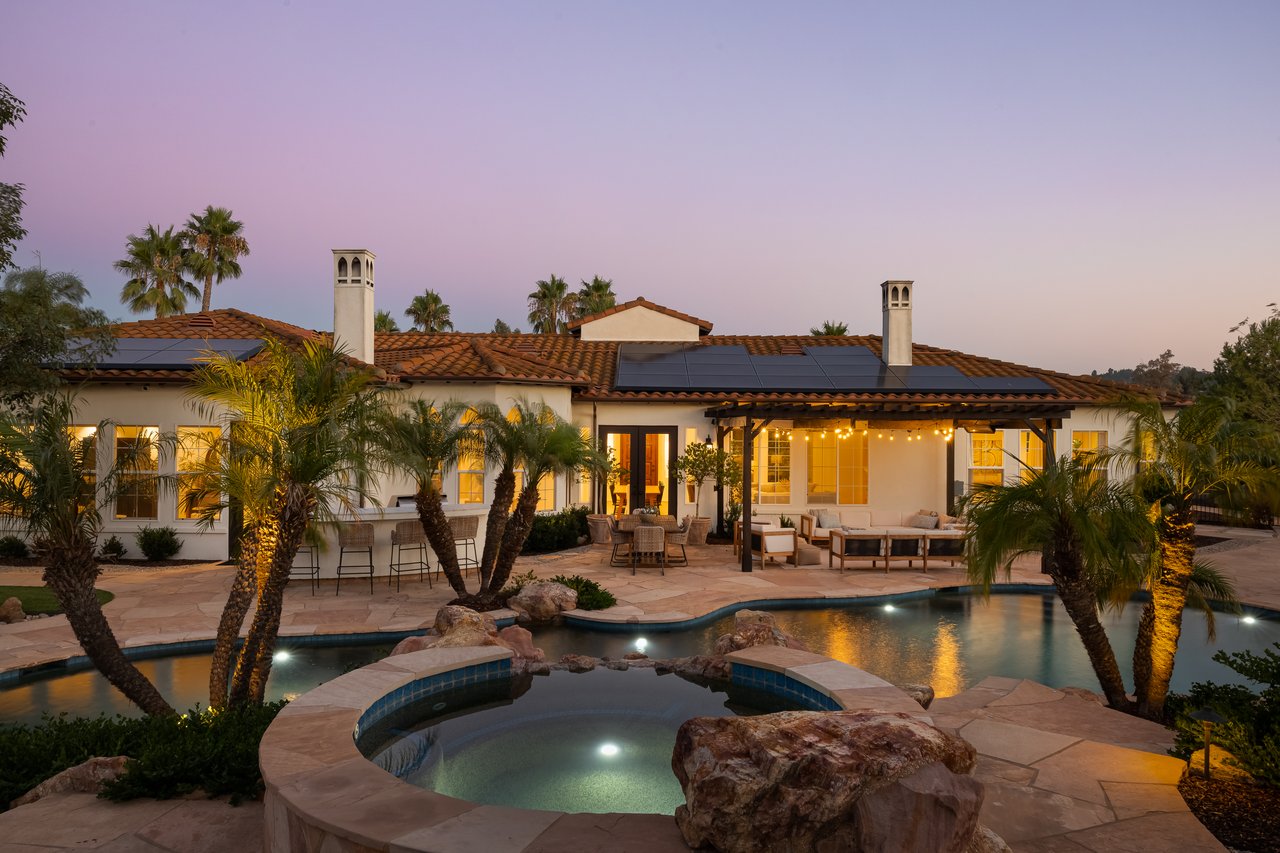
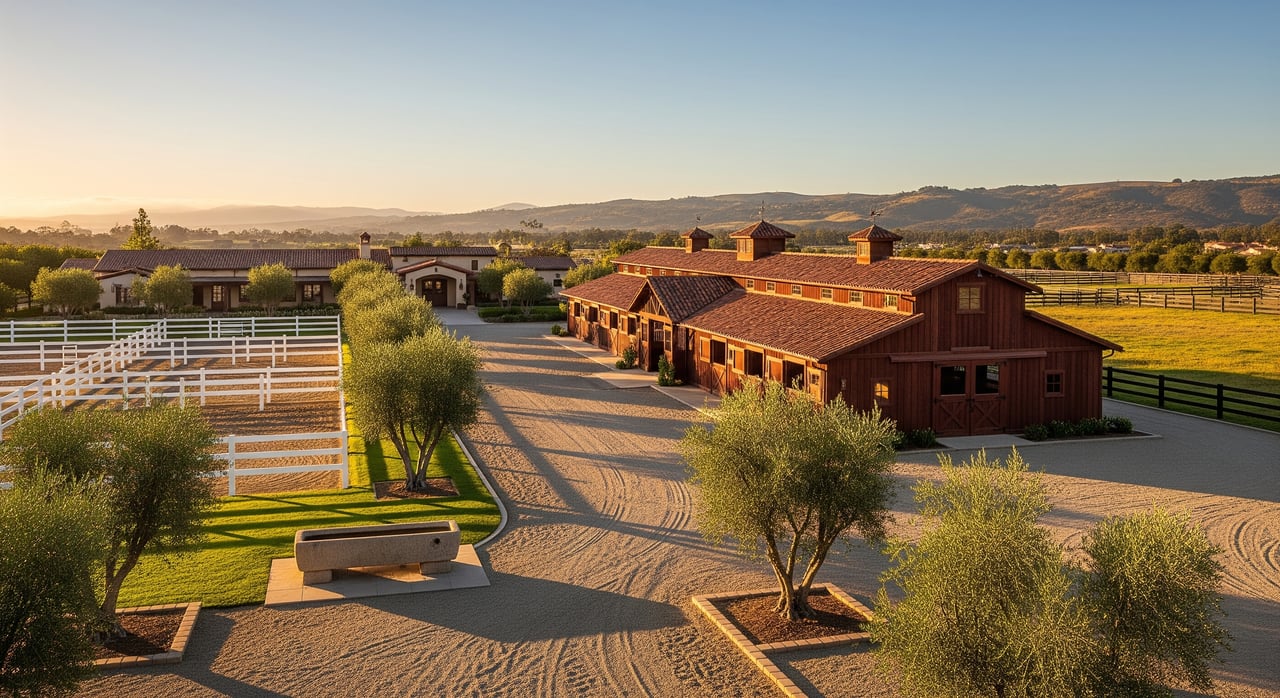
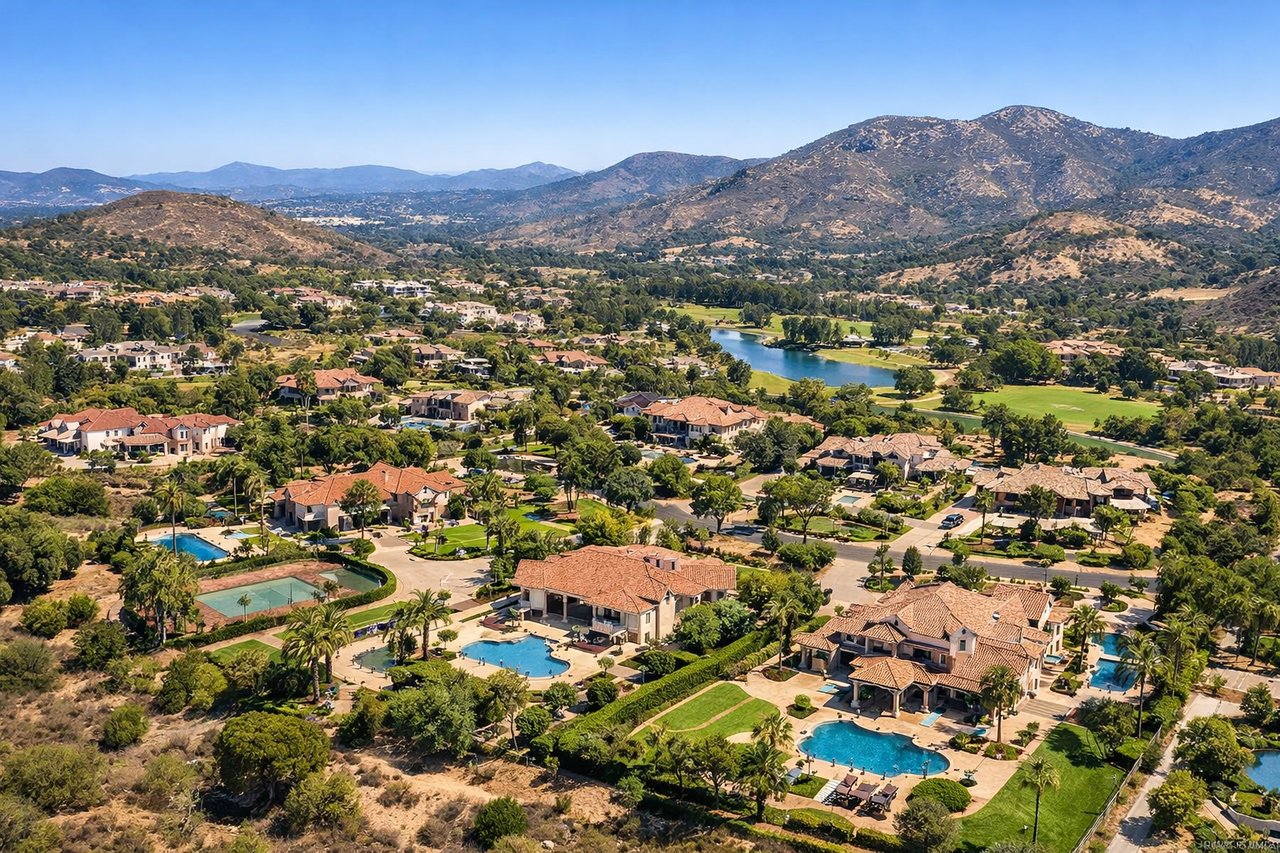
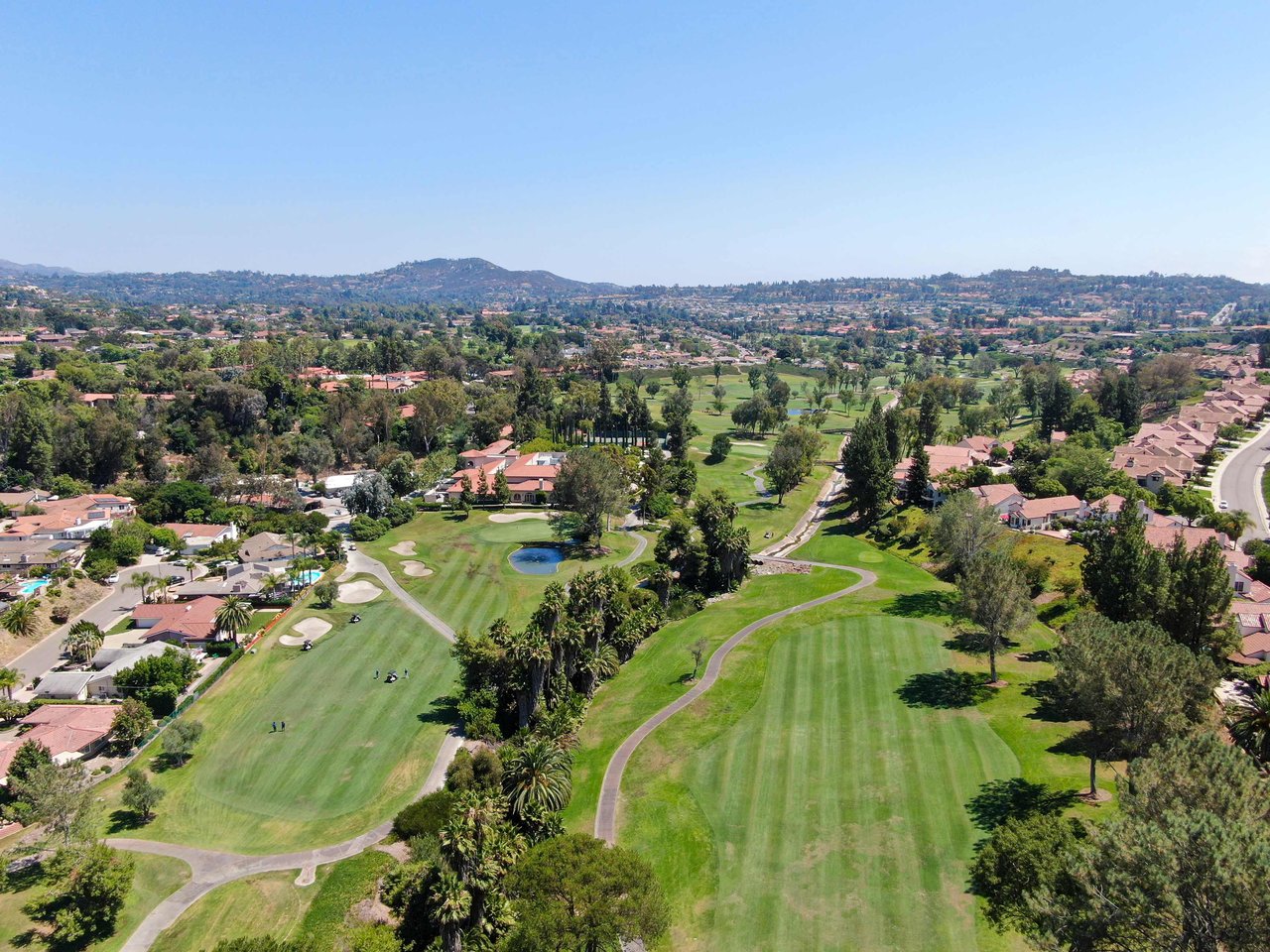
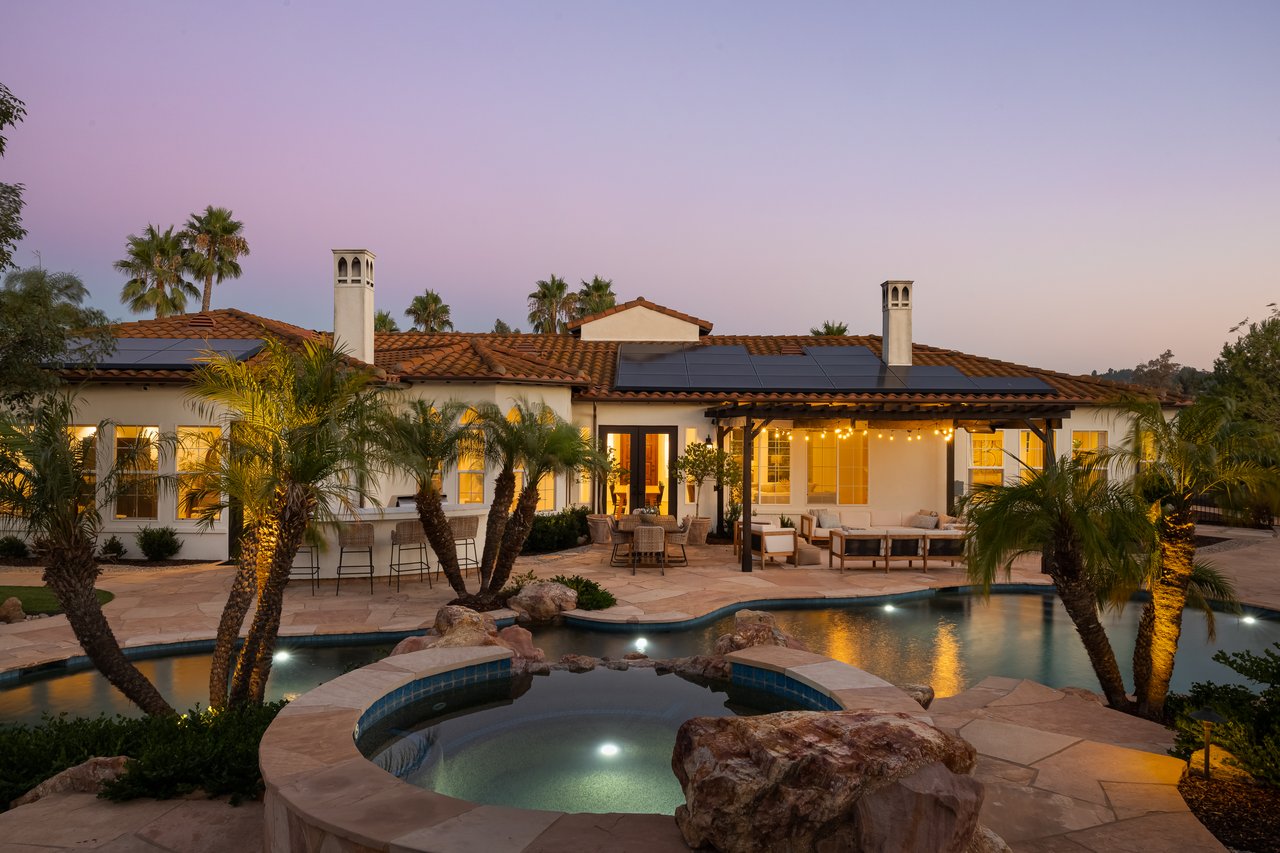
The Heritage, a guard-gated community above Maderas Golf Course in North Poway, is custom estates on expansive lots with no comparable infill in any pipeline. Green Valley, which covers several distinct pockets including Green Valley Estates dating to 1961, Green Valley Highlands from around 1970, and the larger Green Valley Summit lots from the late 1980s and 1990s, runs mostly without formal HOA structure at all, with community life organized around schools and shared outdoor space rather than an association board. Rancho Arbolitos and Saddlebrook Estates carry similar profiles, larger lots, horse facilities in many cases, and zoning that caps what can be built on them by design rather than by market accident.
That last point matters more than it sounds like it should. As GatherGov reports, Poway currently has an active effort underway to rezone more than 311 acres of biological conservation easements to Open Space Resource Management, which would place that land under Proposition FF protection. Under that designation, any future development on those acres would require a public vote, not a staff-level review. Compare that to the corridor's objective-standards approval track, and you have two entirely different bars for how land gets converted into new housing, sitting inside the same nine-digit zip code.
Poway Road Corridor | Hillside Estate Neighborhoods | |
|---|---|---|
Zoning intent | Density encouraged by specific plan | Large-lot, low-density by design |
Approval process | Staff-level objective standards | More restrictive than corridor review |
HOA presence | Varies by project | Often none, especially in older Green Valley pockets |
Recent example | Poway Paseo, 72 units, under construction as of March 2026 | No comparable infill in the pipeline |
Governance Volatility Adds a Second Layer, and It Falls Unevenly
There is a timing wrinkle worth knowing if you are watching this closely. Poway's council saw a member censured and recalled earlier in 2026, which left the District 2 seat vacant. The city scheduled a special election for June 2, 2026 to fill it, a date that has already passed as of this writing, and that kind of turnover tends to create a temporary swing-vote environment on any pending specific plan amendments still working through council.
At the same time, the city has directed staff to explore new "dark sky" lighting and environmental standards specifically for hillside development, a discussion that followed community pushback over a completed industrial project near a ridgeline. That kind of scrutiny does not touch the Poway Road corridor. It is aimed squarely at the same hillside areas where The Heritage and Green Valley sit, which means those neighborhoods are not just zoned differently today, they are trending toward more protection, not less.
What This Means If You're Comparing Two "Poway" Listings
If you are cross-shopping a corridor-adjacent home against a hillside estate lot, the median price on any single site is a poor tool for that comparison, because it is blending two housing products with different supply trajectories. A single-family home a few blocks from Poway Road may eventually sit near new multifamily construction, which can shift walkability, traffic patterns, and the pool of comparable sales an appraiser pulls from. A home in Green Valley or The Heritage is far more insulated from that kind of change by the zoning itself, and increasingly by the direction city policy is heading on hillside projects.
Before comparing two listings, it is worth asking a lender or your agent three specific questions: whether the parcel sits inside the Poway Road Corridor Specific Plan boundary, whether an HOA governs the property and what it restricts, and whether nearby zoning has any pending amendments that could change what gets built adjacent to it. None of that shows up in a median price. All of it shows up in the deed and the zoning map.
FAQ
Will new apartments on Poway Road affect home values in Green Valley or The Heritage? Only indirectly at most. Neither neighborhood sits inside the specific plan boundary, and current zoning, along with the added scrutiny now being applied to hillside projects, makes similar density unlikely to reach them.
Does every neighborhood in Poway have an HOA? No. Several of the city's older large-lot neighborhoods, including much of Green Valley, have no HOA at all, while some newer communities do. Always confirm before writing an offer, since it changes both monthly costs and what you are allowed to build or park.
Is Poway's median home price still falling? It depends which slice you are measuring. The three-month sold median was down 2.6% year over year as of late August 2026, while active list prices in early September ran well above that figure, a gap that reflects what happens to be on the market rather than a single, unified trend.
Comparing neighborhoods inside a city that is zoning itself in two directions at once is not something a portal median can do for you. If you are weighing a corridor-adjacent home against a hillside estate lot, or trying to figure out what a specific parcel's zoning actually allows before you write an offer, Peter Heines can walk the zoning map and the comps with you side by side. Book a Consultation to get a read on the specific pocket of Poway you are considering, not just the number an algorithm assigned to the whole city.
This article is general information, not legal, tax or financial advice. Consult a qualified professional about your situation.